GEAMĂNA
A Village Lost to Copper
“Is it because we had no faith that you have left us in a grave and condemned our holy city to perish and sink deep into the ground?”
— Nicolae Prața
GEAMĂNA
A Village Lost to Copper
JOINT PROJECT with Vlad Dumitrescu | 2026
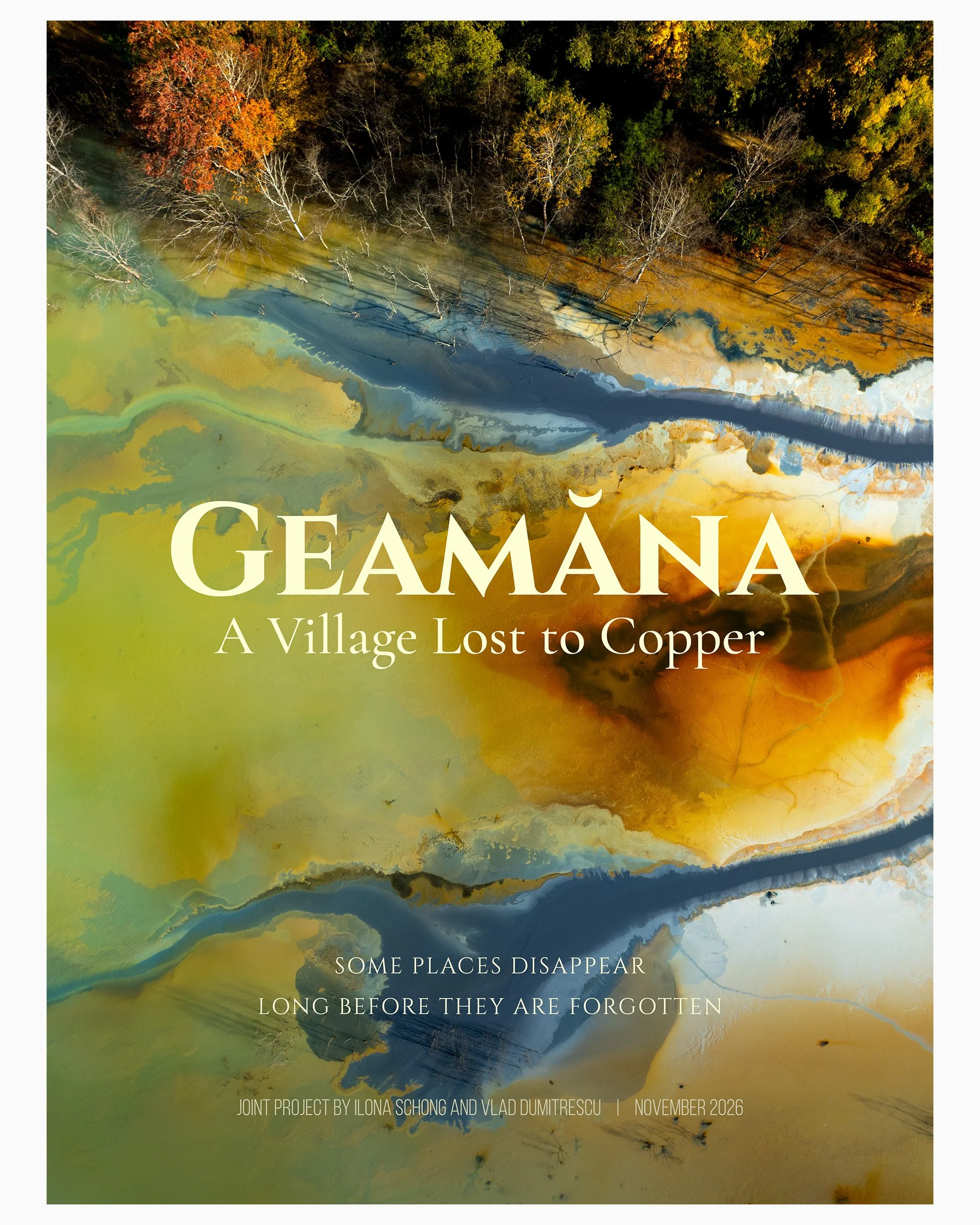
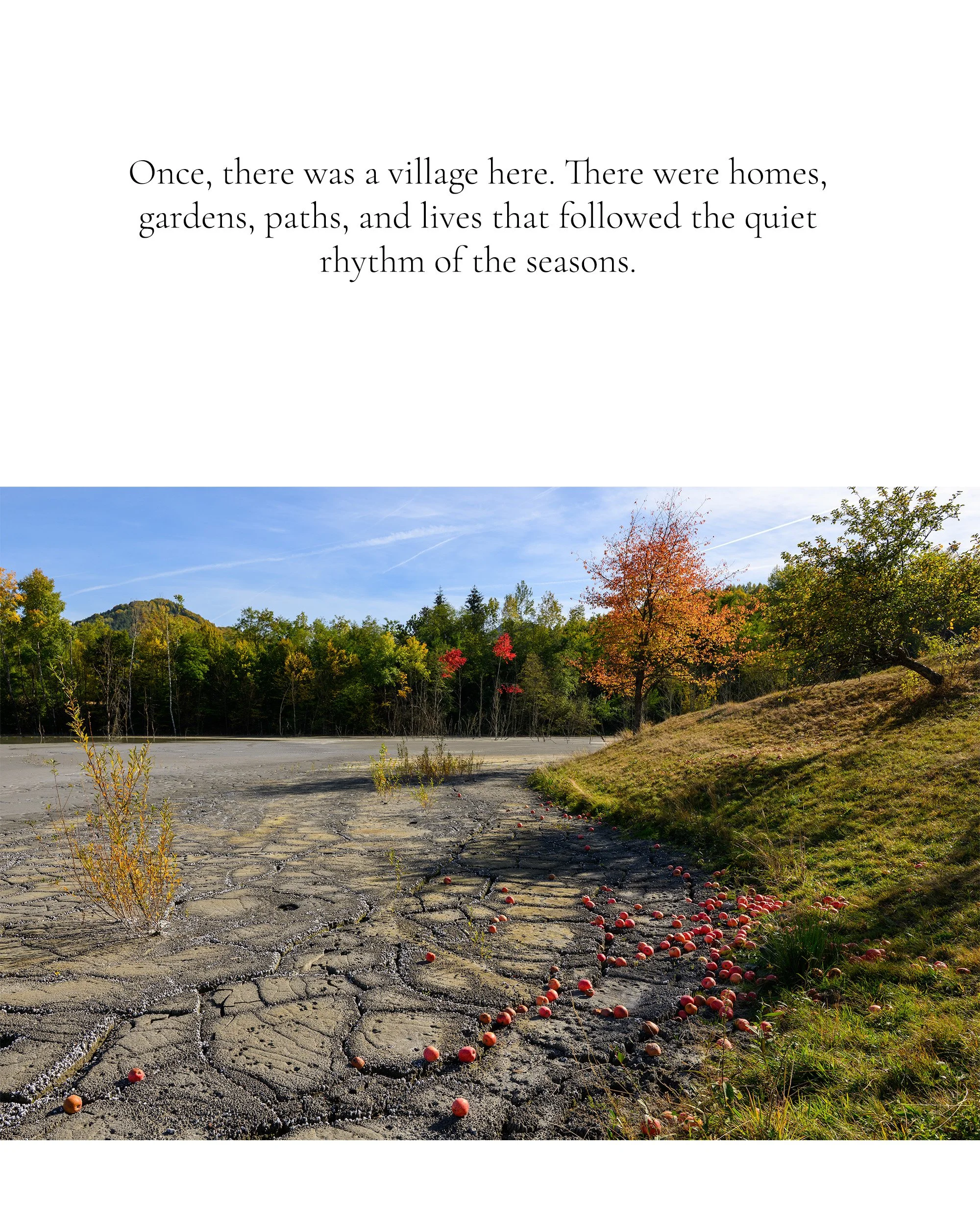
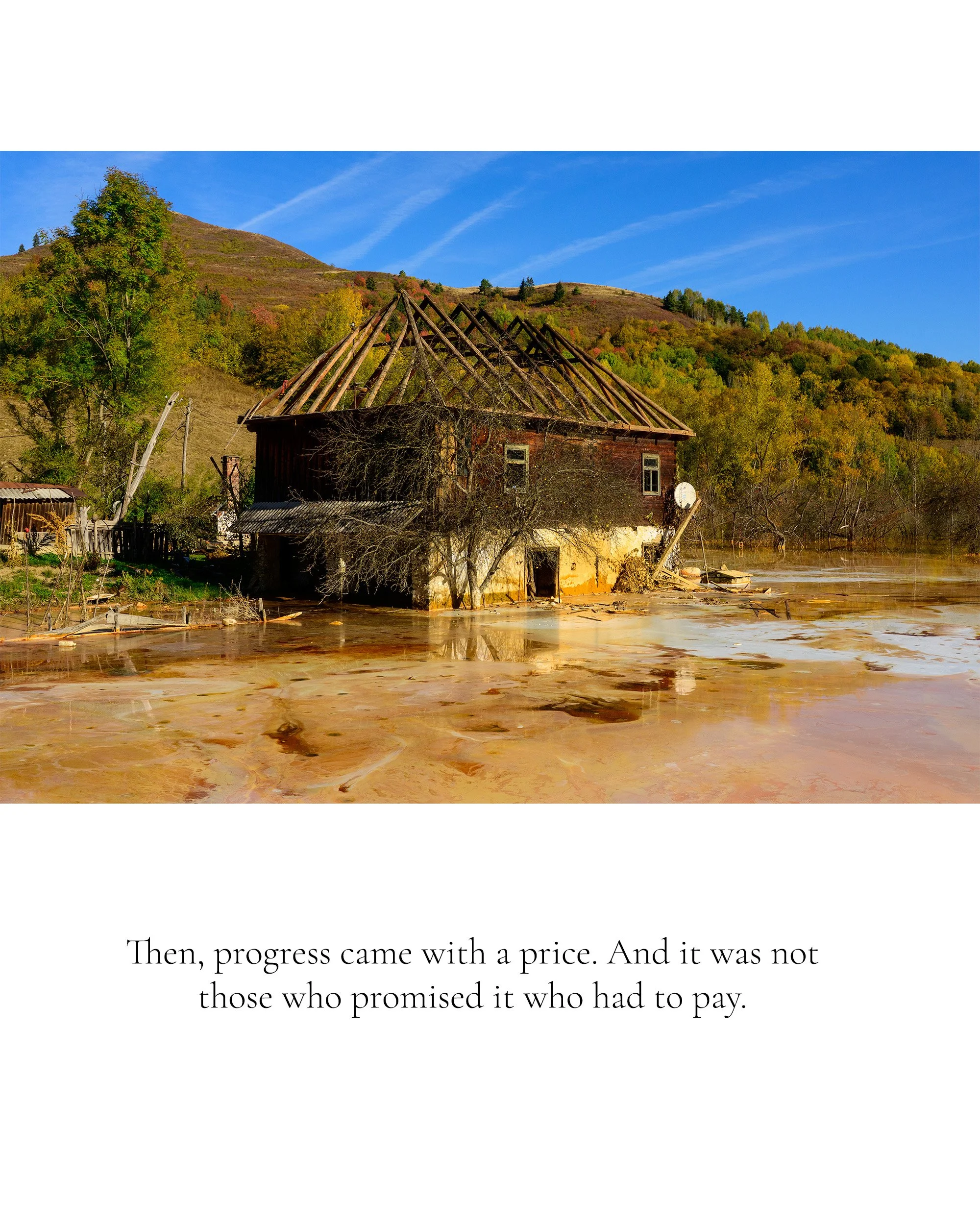
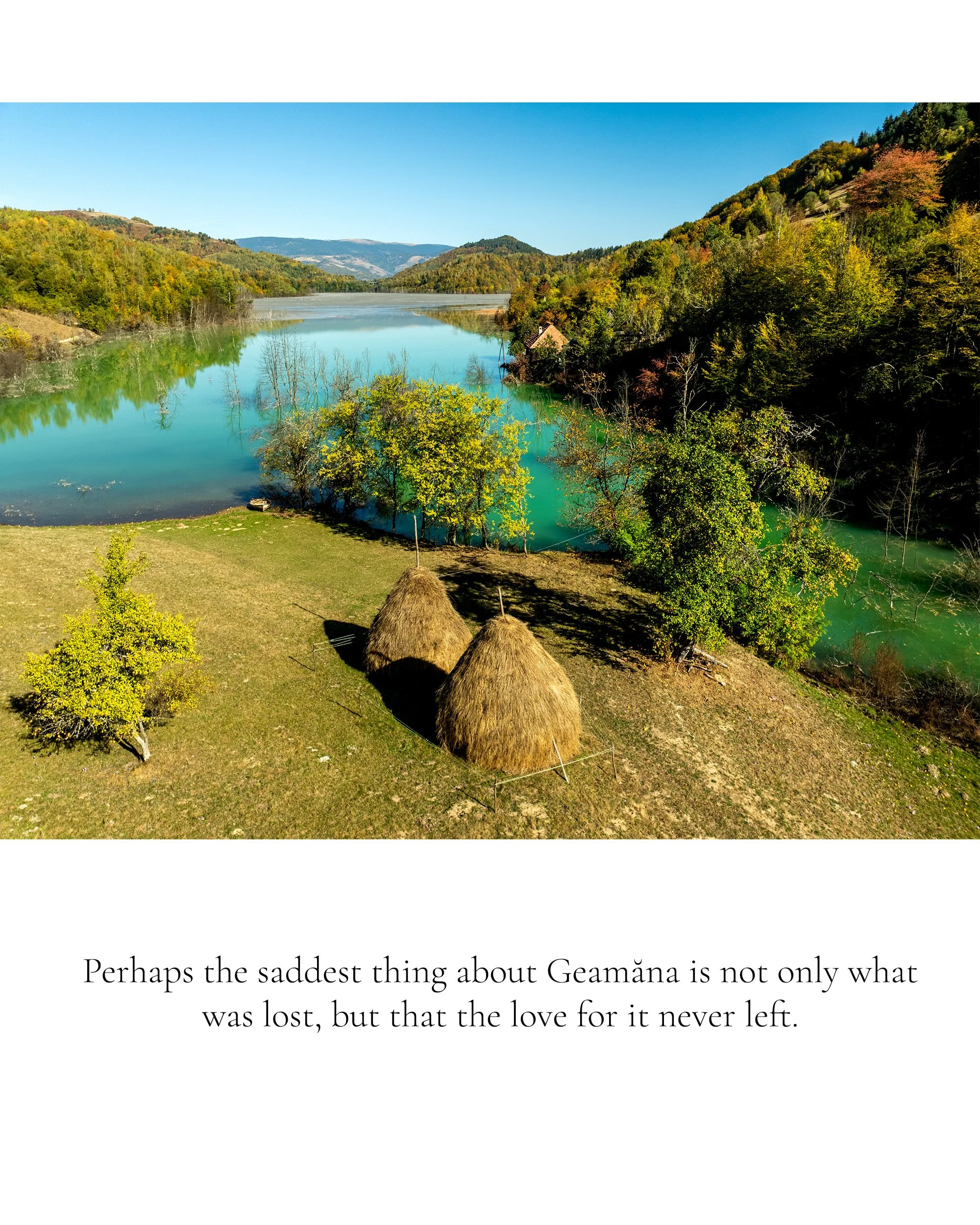
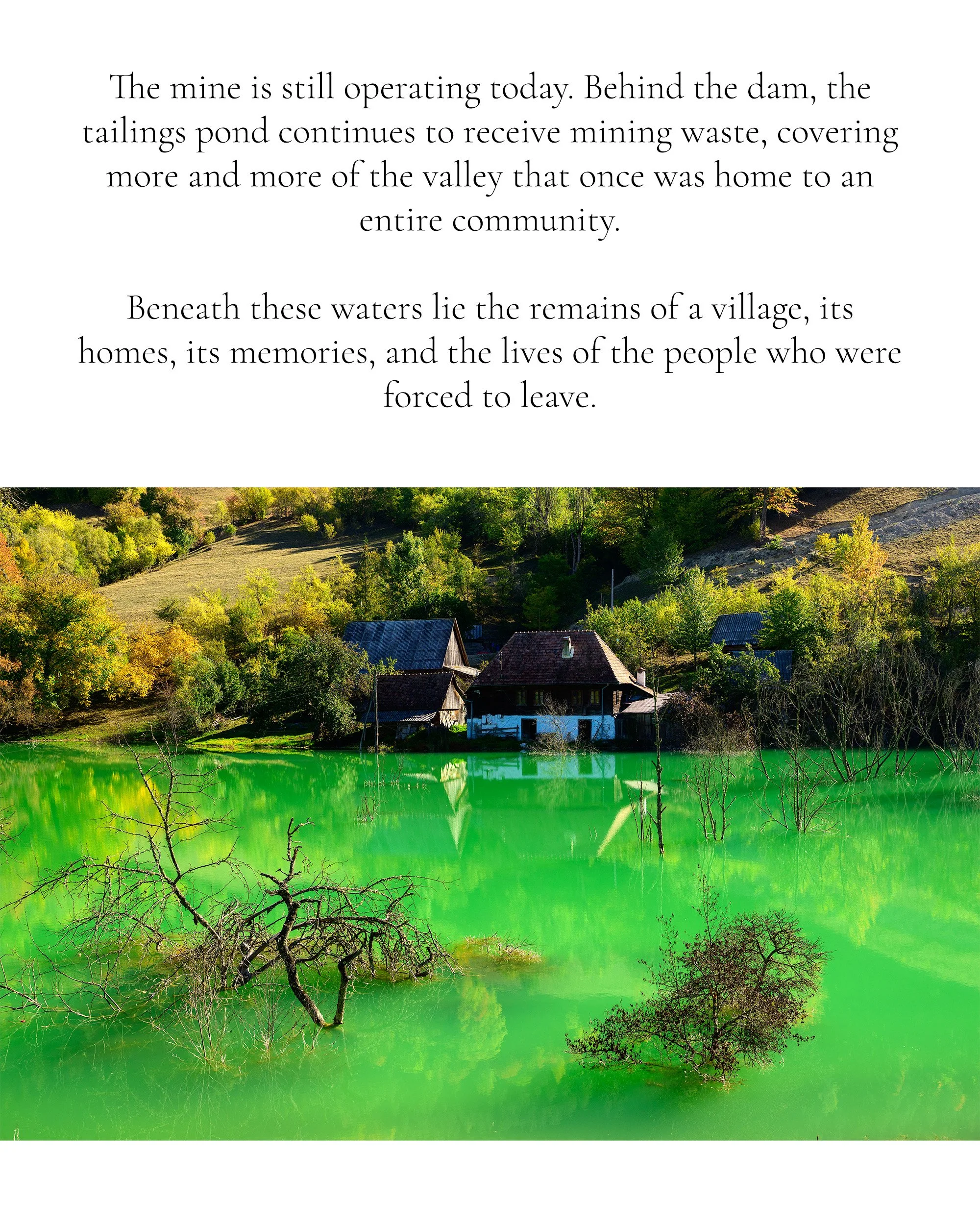
ABOUT THE PROJECT. Until 1978, Geamăna was a peaceful little village in one of the many valleys of the Apuseni Mountains in Romania. 1978 turned out to be the beginning of a disaster for the village. Rich copper deposits were discovered in the nearby mountains, the extraction of which produces enormous quantities of toxic mining waste that must be disposed of. Because this copper mine—Roșia Poieni—was a prestige project for the communist dictator Nicolae Ceaușescu, and the valley in which Geamăna was located was considered an ideal waste basin, he ordered the village to be evacuated and the entire valley to be dammed with a tailings dam. The residents were expropriated, and in the early 1980s, most of them were forced to move to other villages—not only in the surrounding area, but sometimes as far as 100 kilometers away. Starting in 1986, the dumping of the chemical sludge actually began, and it continues to this day.
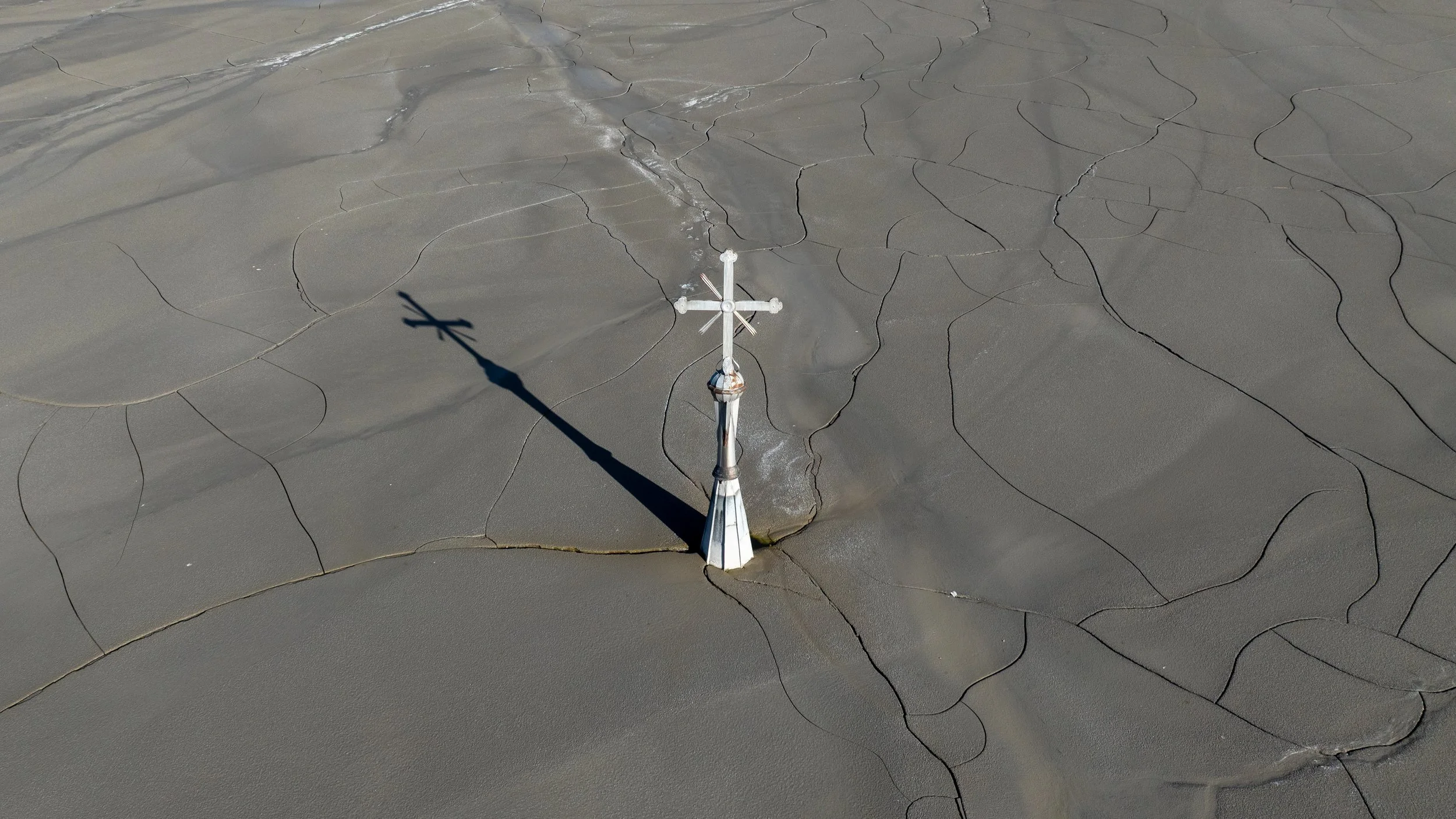
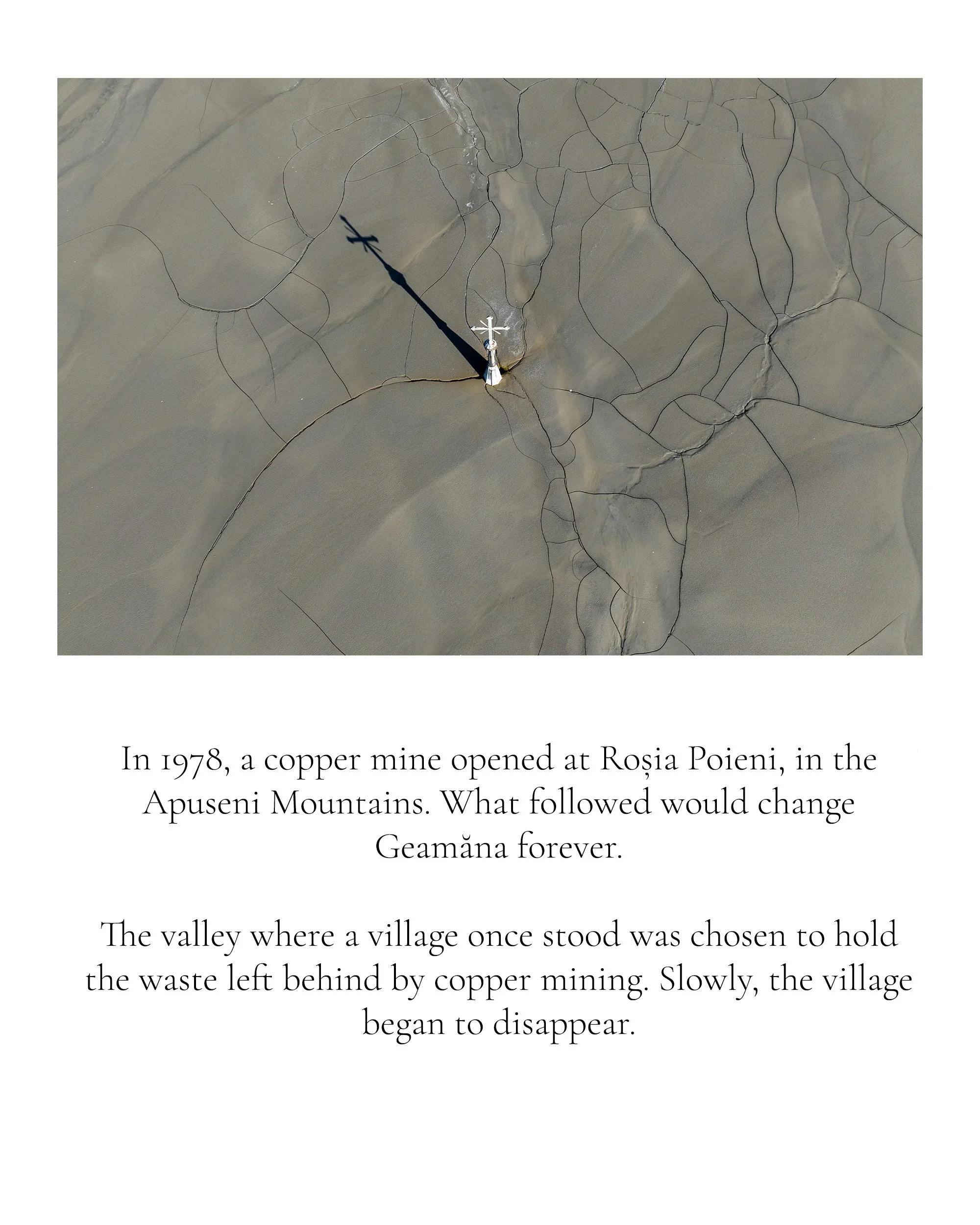
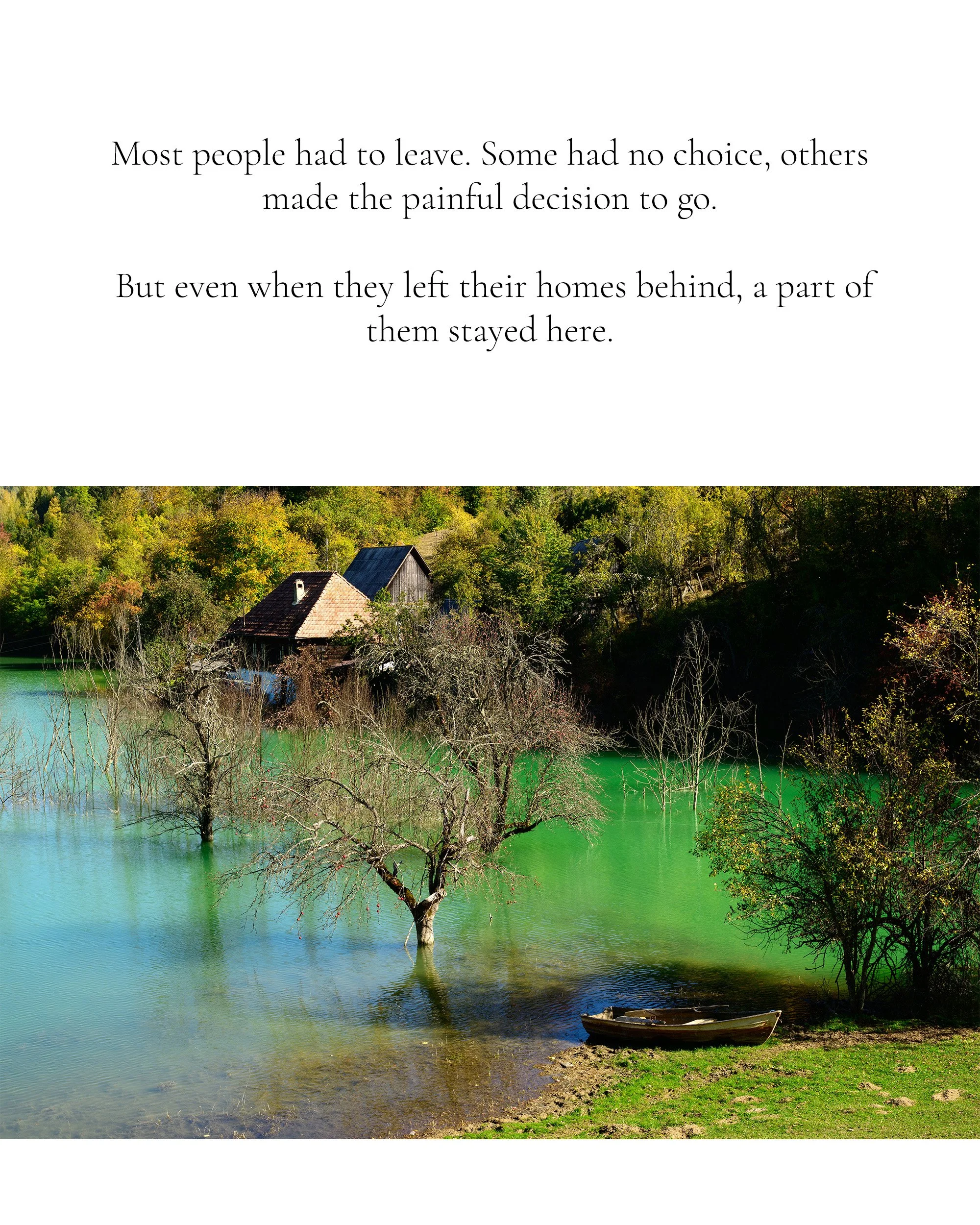
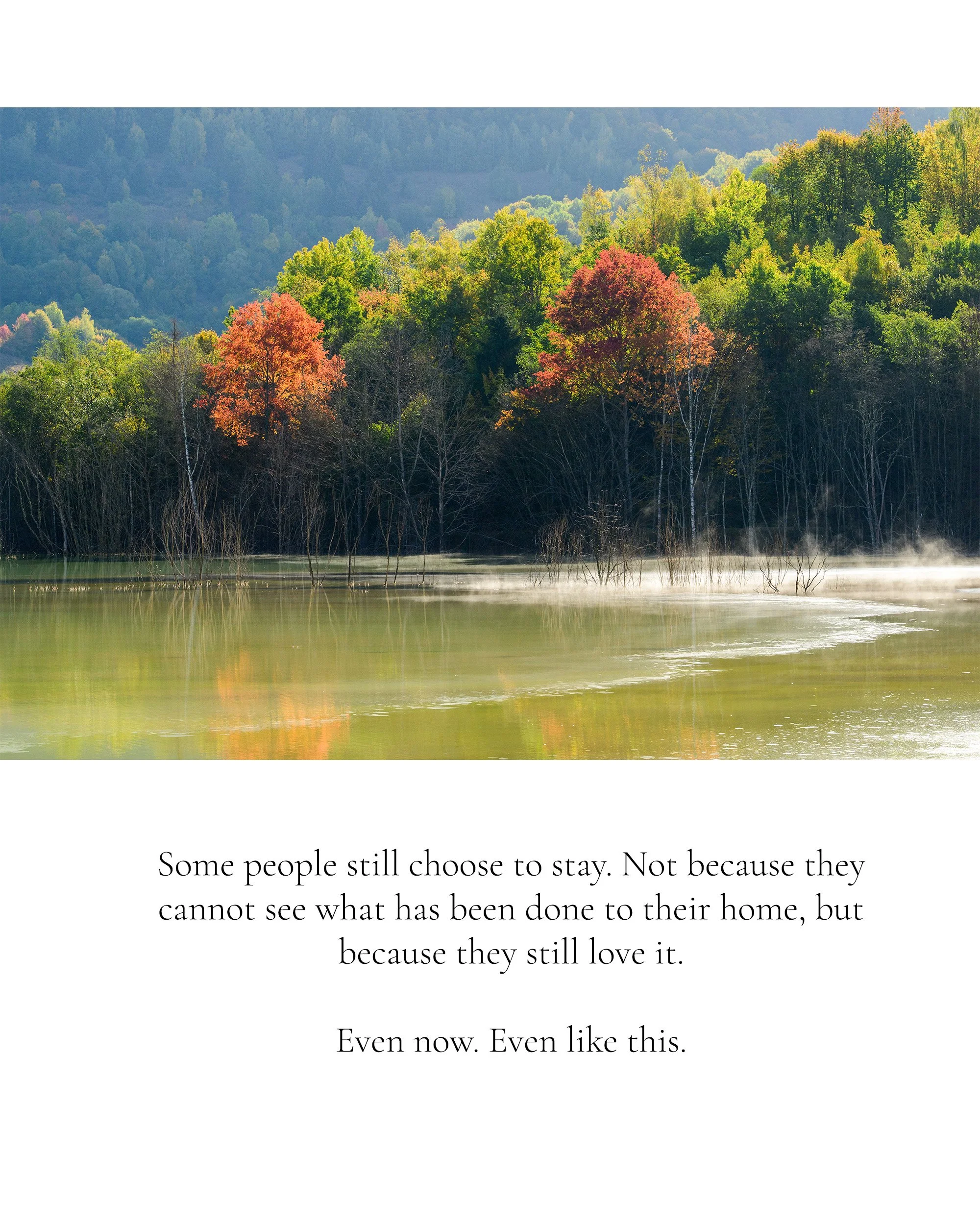
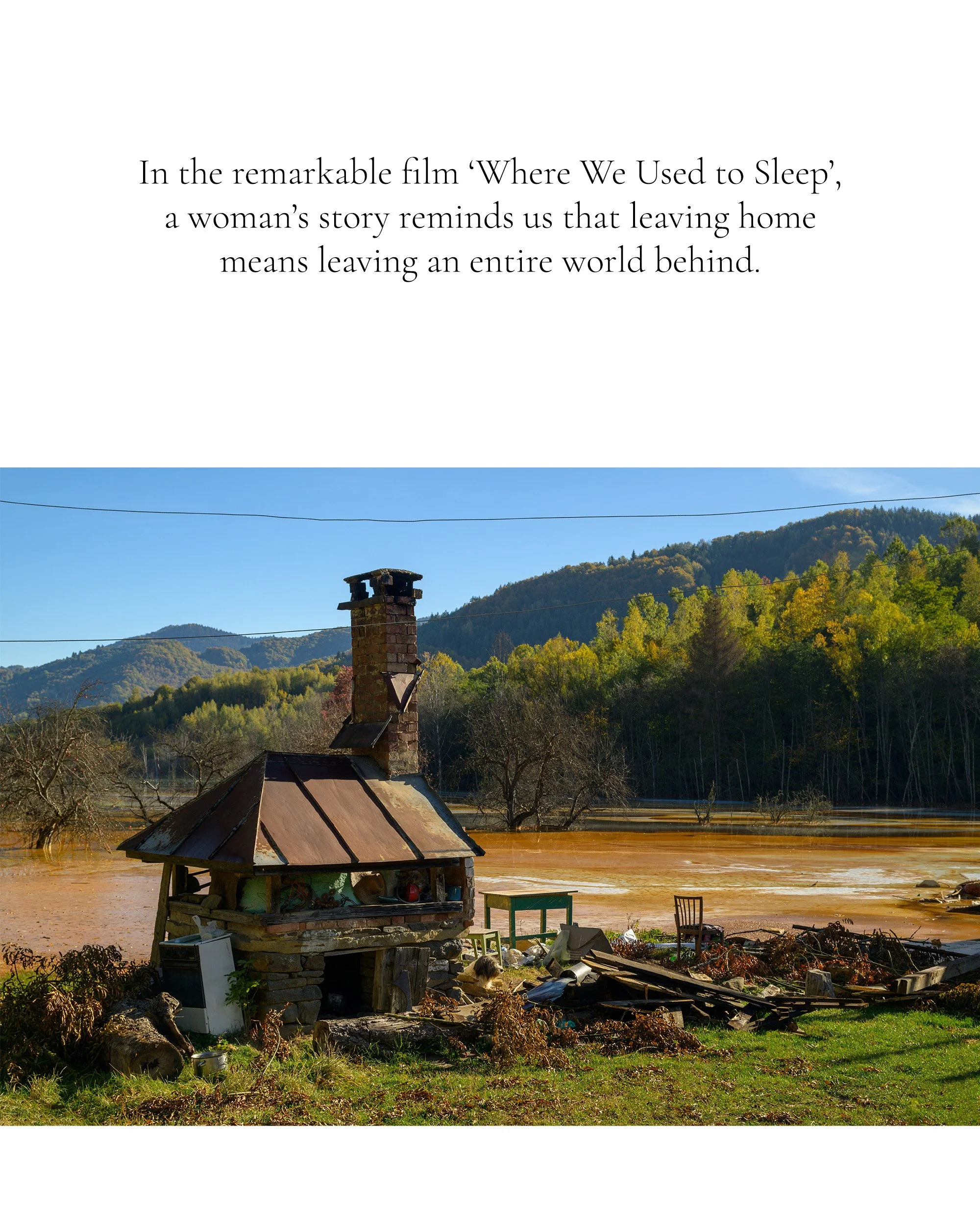
The only remnant of the village of Geamăna is the church cross, which stood on a higher hill, rising above the silt—but even this will soon disappear beneath the water. The last trace of the village of Geamăna will then be erased forever. A few stubborn villagers are still holding out on the edges of the flooded area. They have been moving their homes a little higher up each time, but that will no longer be enough to escape the ever-rising water. They, too, will eventually have to leave.
The Roșia Poieni copper mine still holds the third-largest copper reserves in Europe.
GEAMĂNA: A Village Lost to Copper

Background and Recommendations
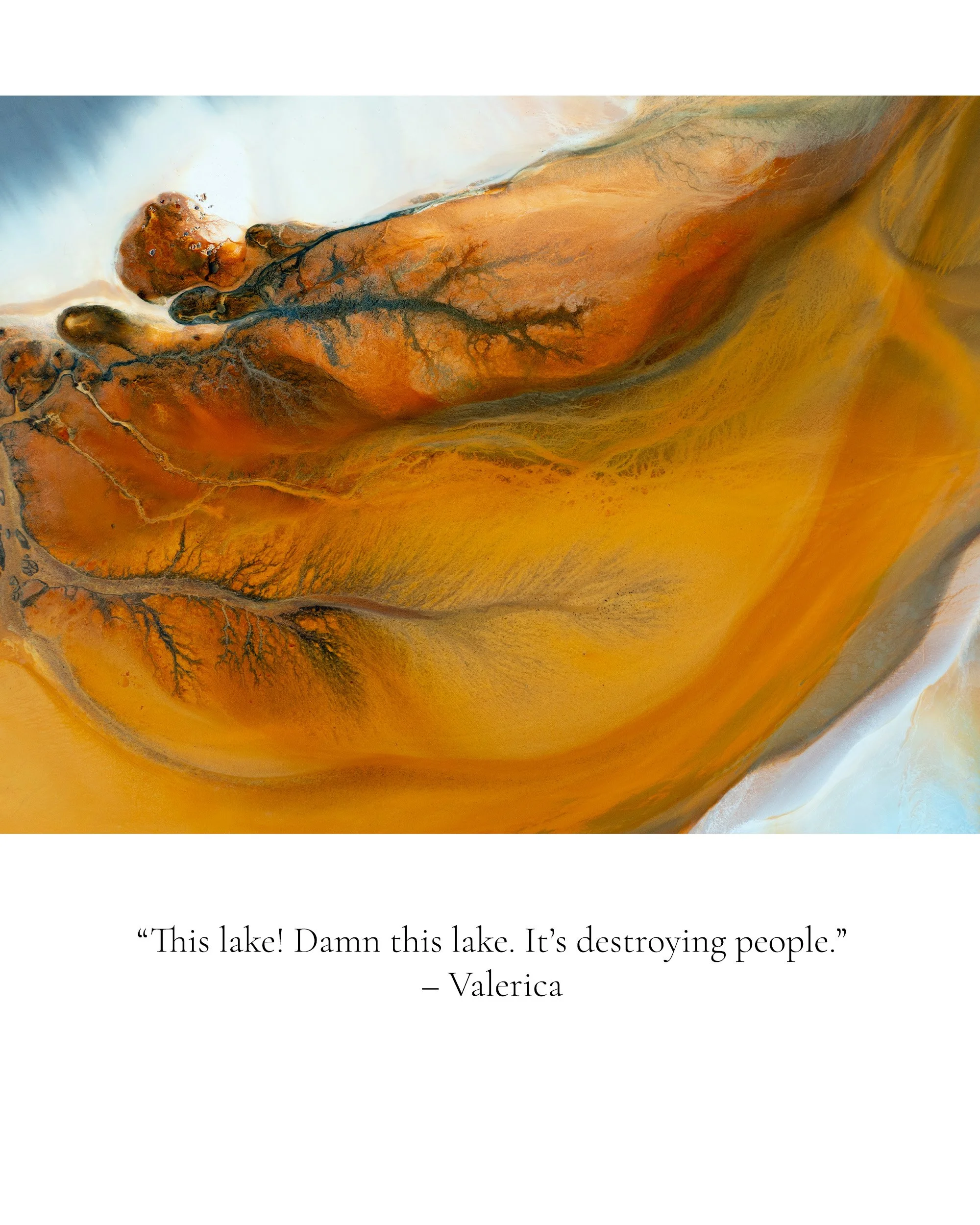
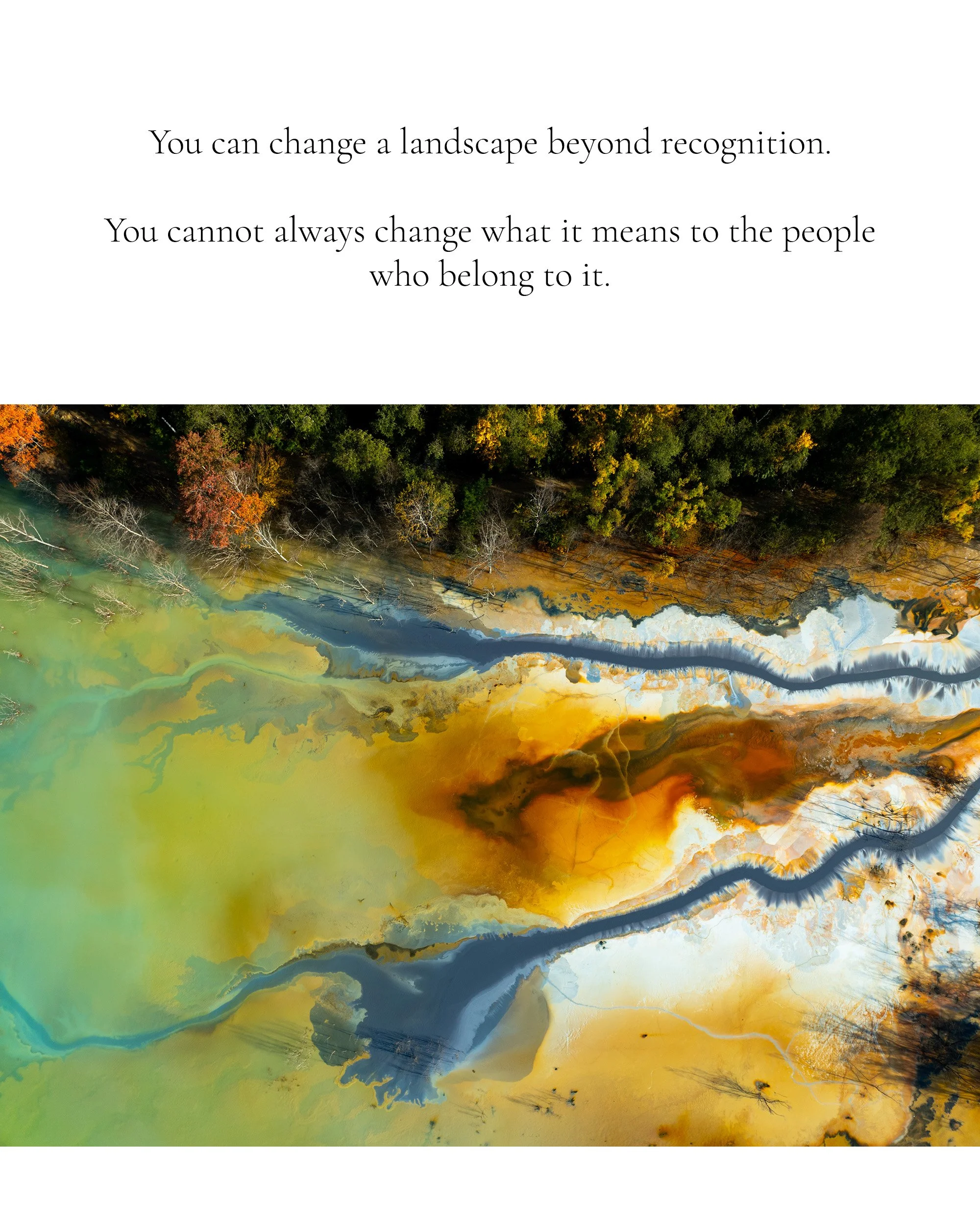
It’s easy to head to the Geamăna Valley, fly your drone, and be captivated by the many fantastic colors and patterns you can photograph. Ironically, it seems that even an ecological disaster can have its own beauty. If you’re a landscape photographer who loves abstraction, you’ll find plenty to enjoy here. The fact that the colors and patterns are caused by toxic chemicals gives the photos a documentary feel and, in a sense, elevates the photographer’s work to a higher level. But this is a very one-sided approach, and the story of Geamăna deserves so much more than that. Beneath this polluted water lies an entire village community buried: even the graves in the cemetery have vanished beneath the chemical sludge. To do justice to this tragic story, I recommend that, before visiting Geamăna, you at least familiarize yourself with this disastrous history and, if possible, watch the moving documentary *Where We Used to Sleep* by Matthäus Wörle (2024).
“Where We Used to Sleep.” This documentary introduces us to Valeria Prața at her farm, which was relatively high up at the time, where she lived with her late husband, Nicolae Prața, and their children. Nicolae and Valeria refused to leave, partly because the compensation offered for the expropriation was a pittance—just as it was for the more than a thousand original residents of Geamăna. Nicolae Prața devoted a large part of his life to fighting the injustice inflicted upon these residents. As the water continues to rise—and is now just seven steps away from her home—Valeria must part with her beloved cow, Păuna, and it is finally time to leave.
Note: Valeria Prața passed away in 2023, before the documentary was released.