Uncharted Lands
Report on an unforgettable journey through the Scoresby Sund in East Greenland.
Off to Greenland for the second time!
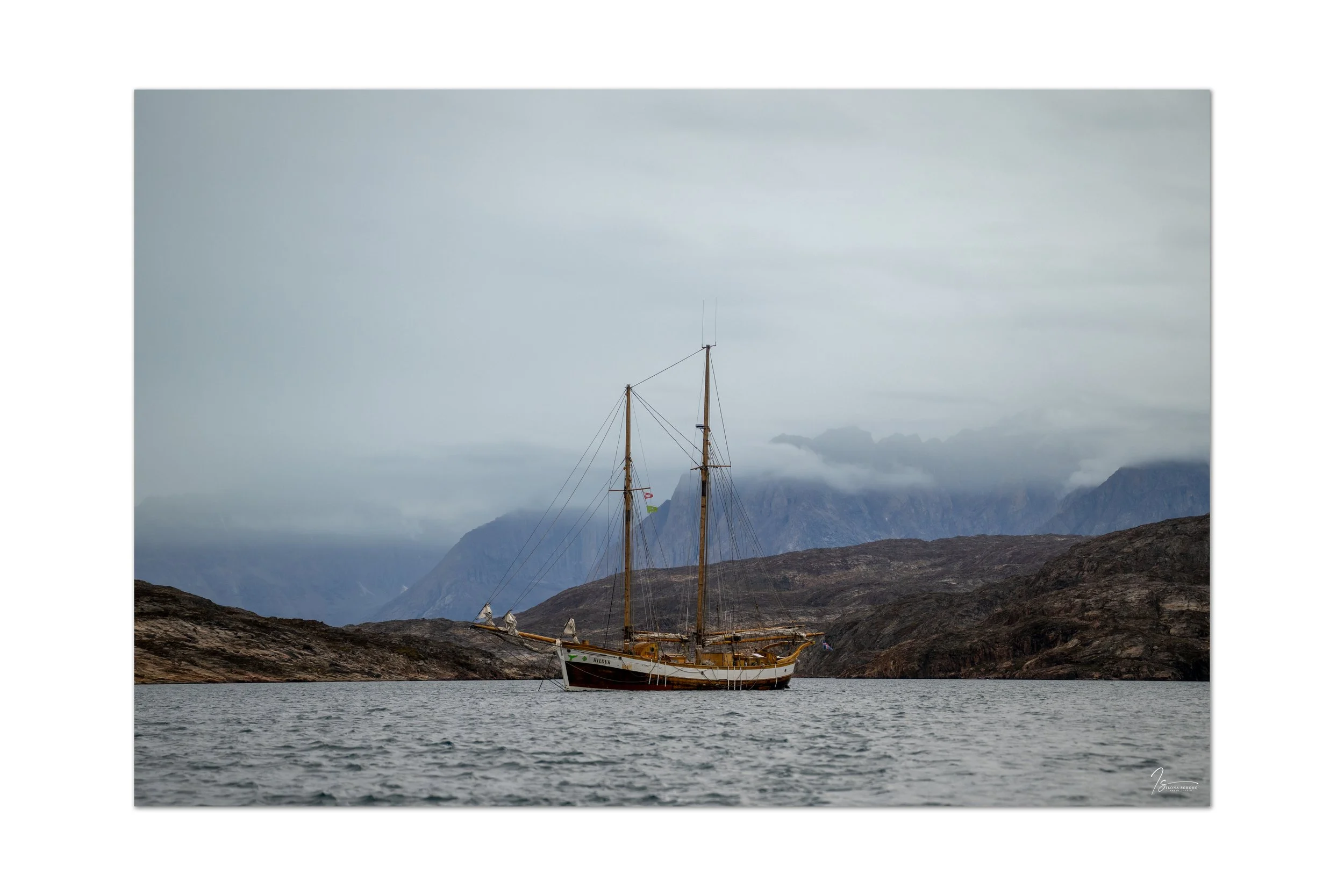
My third photography-focused trip in 2025 was fast approaching. On September 1, I flew via Brussels to Keflavik and then, from Reykjavik Domestic Airport, took a small plane to Constable Point, in eastern Greenland. Up until then, I’d been on my own, but at this small airport I met my fellow travelers for the first time. Thirty-one people in total, divided among three boats: the Hildur (my boat), the Ópal, and the Tilvera. That might seem like a large group, but in reality, you hardly ever run into each other, and the eight fellow travelers on the Hildur and the four crew members from North Sailing became my new family for the coming week.
Constable Point Airport (if you can even call it an airport) is officially named Nerlerit Inaat Airport. It consists of a gravel runway for takeoff and landing, with a two-kilometer-long dirt road leading to the bay, where ships can anchor. There are a number of wooden barracks; one serves as a hotel to accommodate stranded travelers in case of an emergency (and, unbeknownst to me at the time, I would end up being one of them), another houses the terminal, and a third contains office space and a cafeteria. Constable Point serves the settlement of Ittoqqortoormiit (“the place with the big houses”), located 45 km to the southwest—a village with 350 residents and the most remote village in the world. There are no roads leading there; Ittoqqortoormiit can be reached from Constable Point by boat in the summer (a 5-hour trip), by snowmobile in the winter, or by helicopter year-round.
The weather at Constable Point wasn't great. Given the gravel runway and the sand the plane has to taxi on, there's a high chance of flight cancellations when it rains. It gets too muddy. We were lucky that we were the second-to-last plane allowed to land that day; after that, the airport was closed for a few days.
After we landed, we walked along the dirt road toward the boats. Zodiacs brought luggage and passengers on board. During the safety briefing, a revised itinerary was shared. To avoid the bad weather and the storm along the Volquart Boons Coast, we would be traveling the route in reverse this week and visiting Ittoqqortoormiit at the end of the trip.
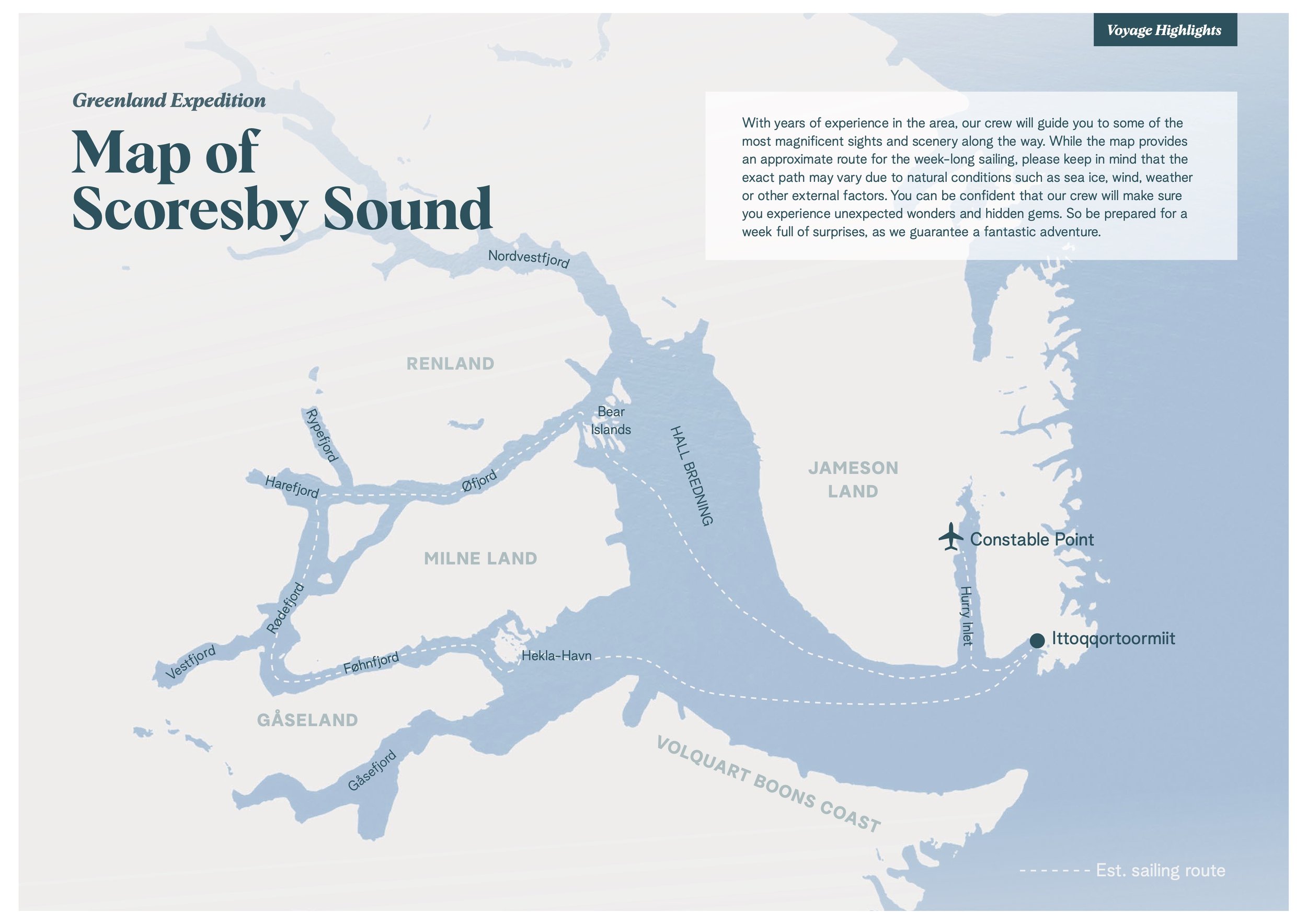
The anchor was raised, and we set out on our first voyage: out of Hurry Inlet, toward Hall Bredning, where we anchored southwest of Jameson Land late in the evening. It was immediately clear: I was on a sailing trip, with everything that entails, including strong winds on the open sea. It certainly wasn’t going to be a leisurely cruise on calm waters.
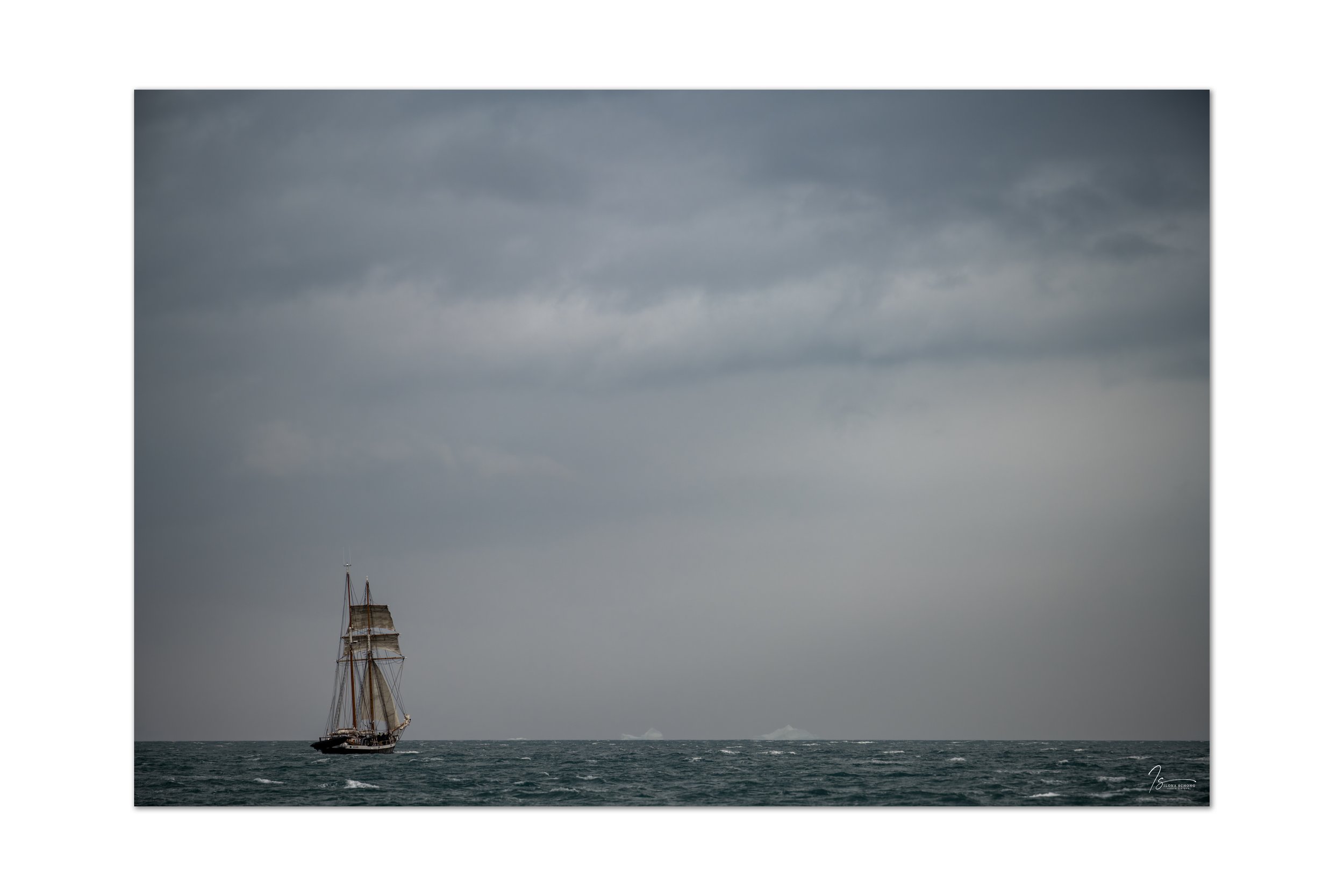
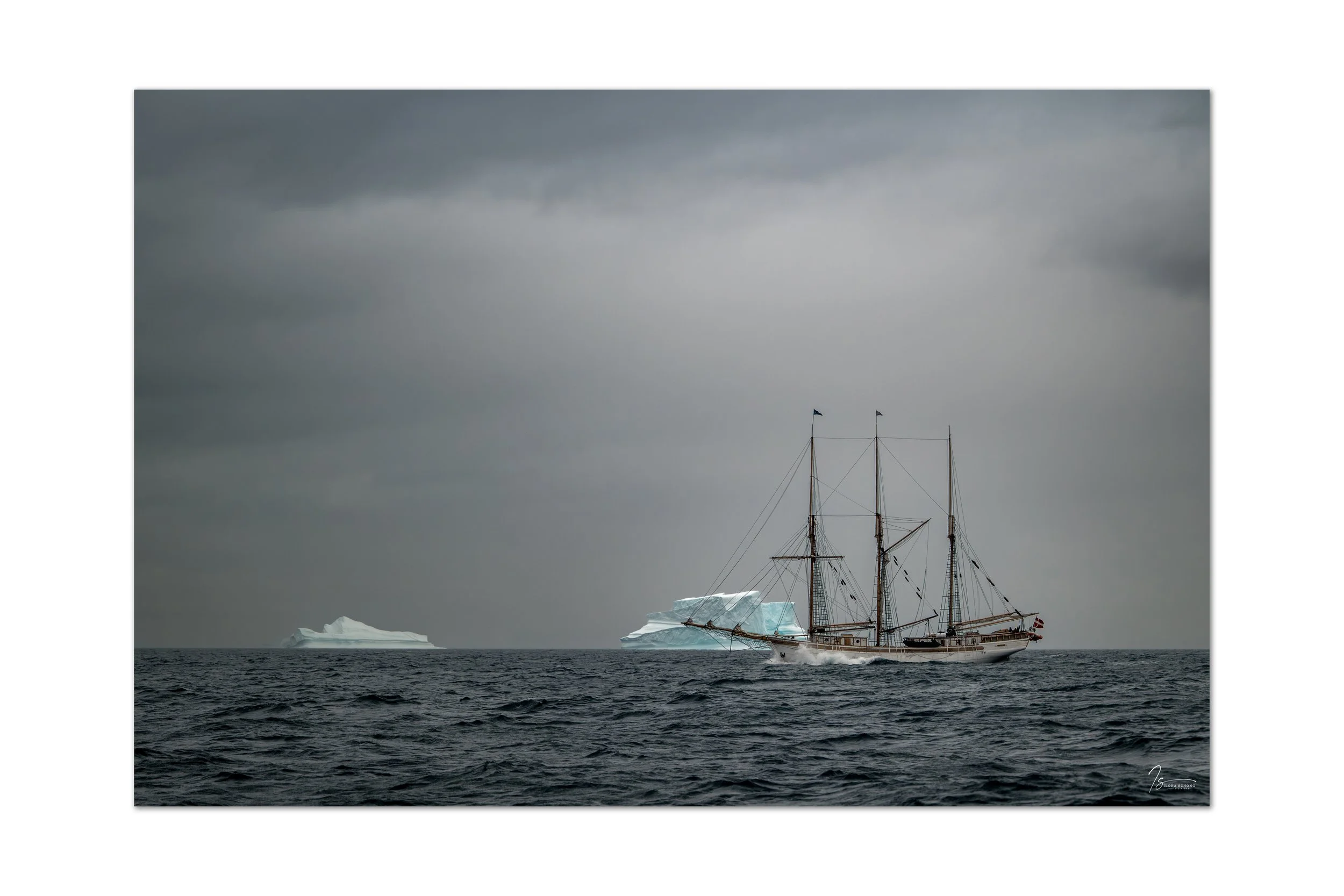
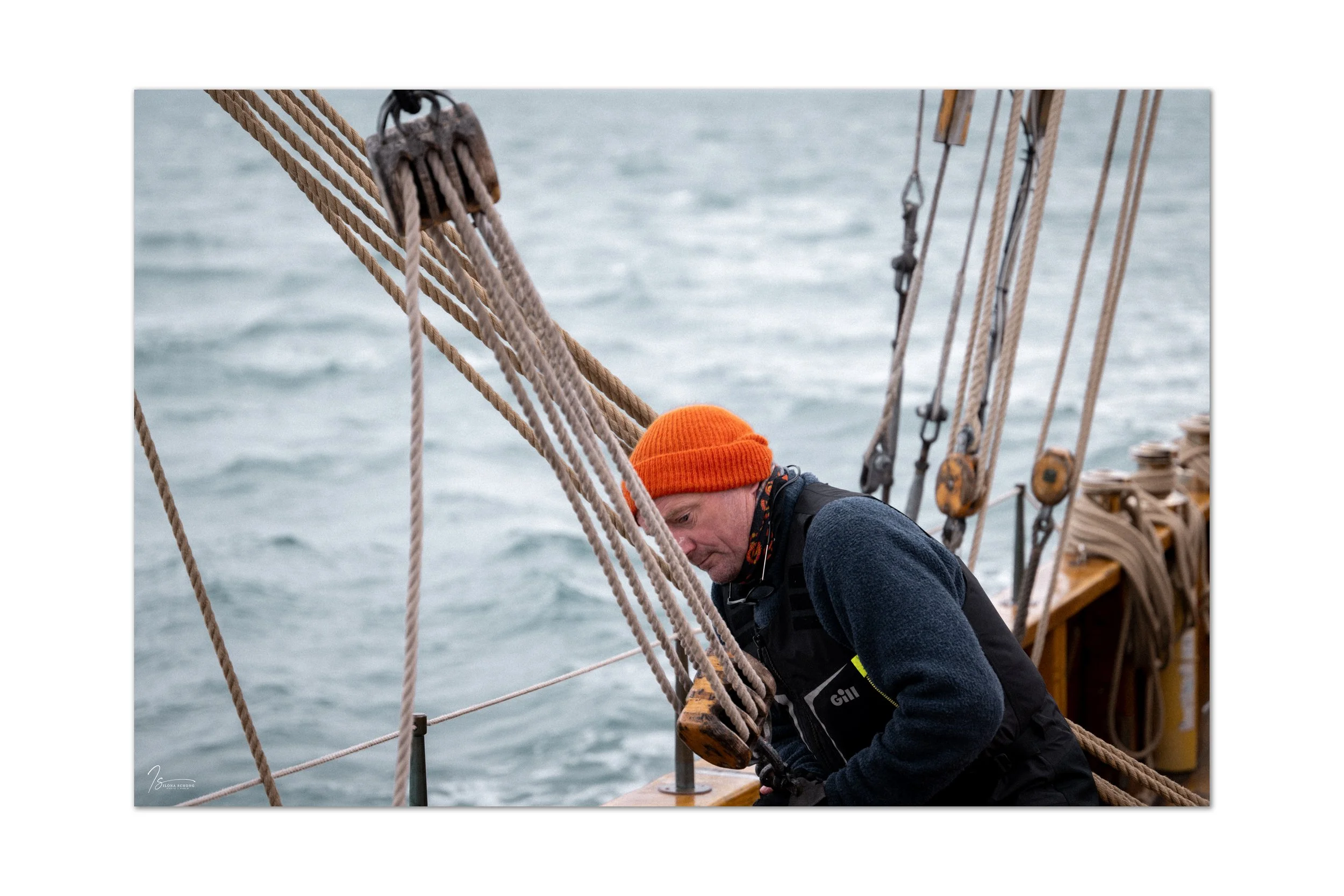
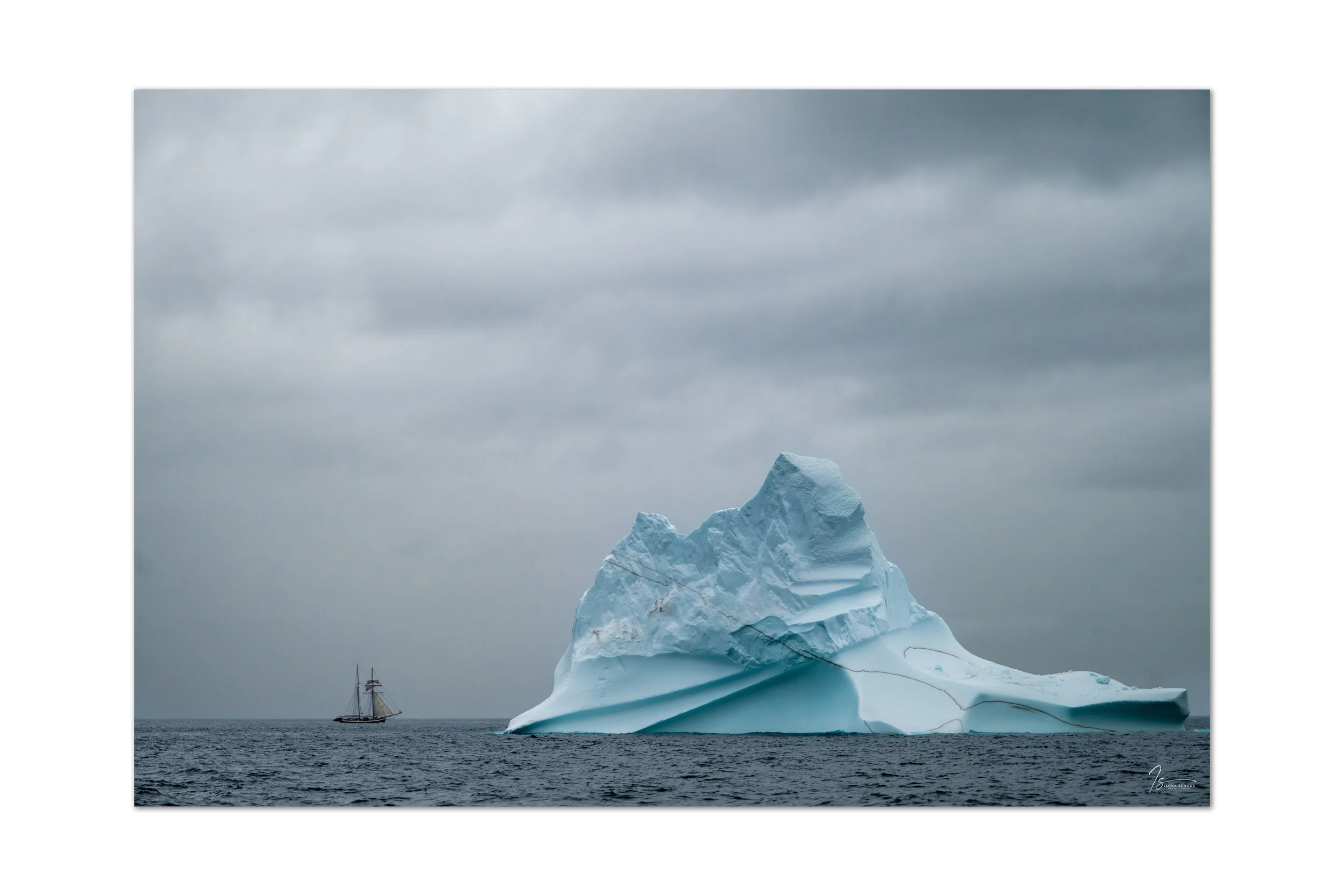
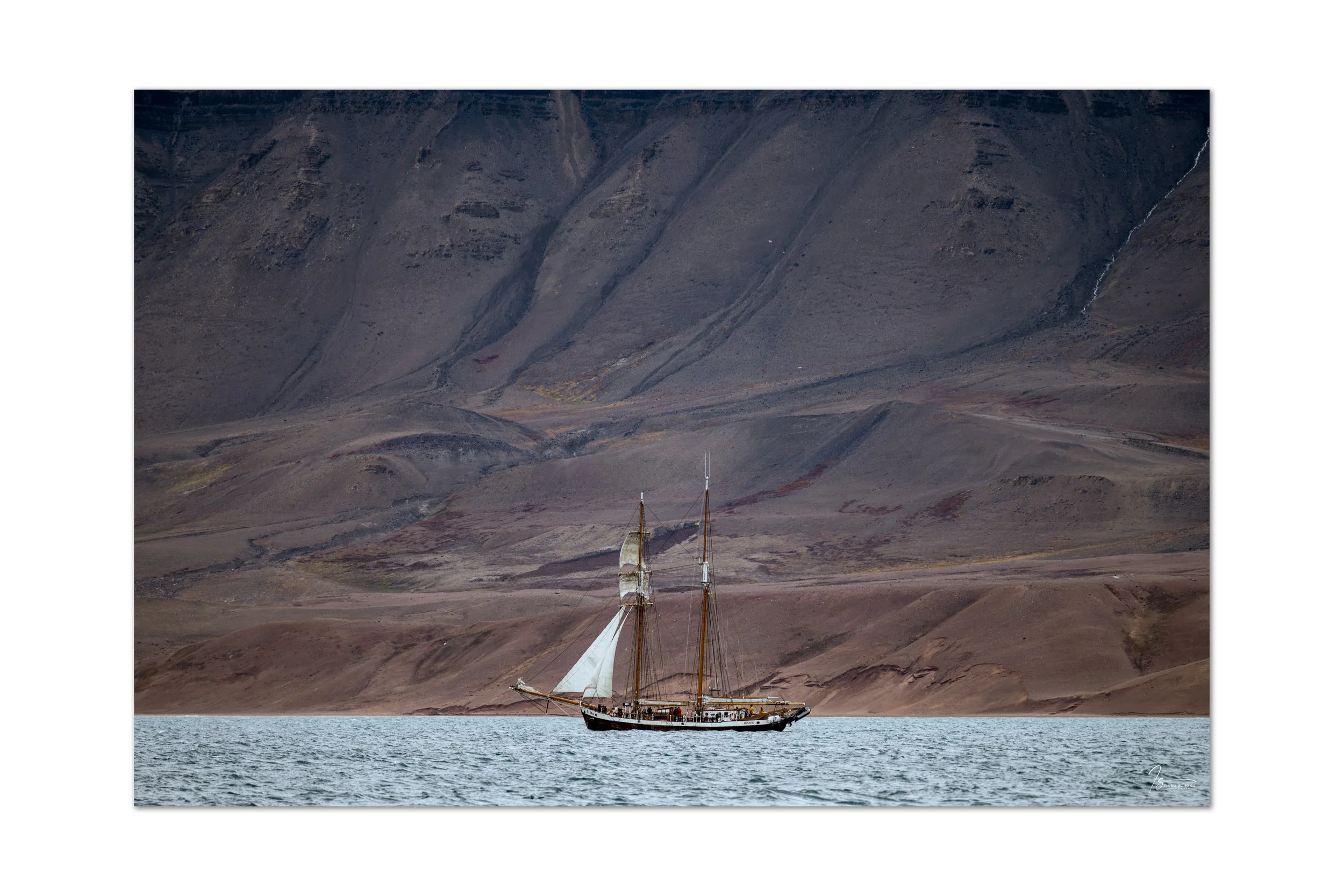
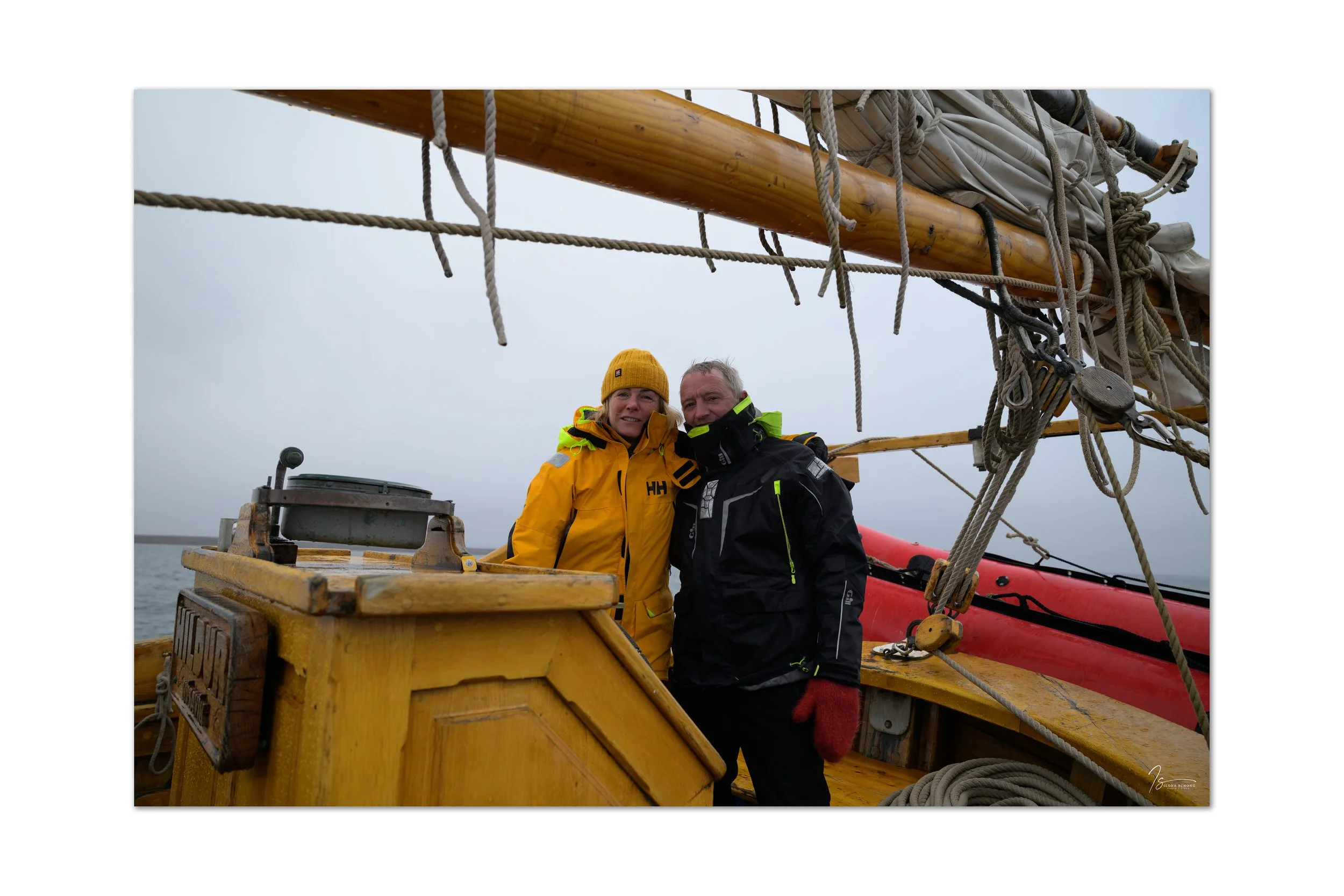
Day two dawned and got off to an early start. A long journey to the Bear Islands was on the schedule, and fortunately, we managed to stay ahead of the rain that was chasing us the whole time. Distances in the Scoresby Sund are deceptively long. It was certainly an eleven-hour sail. Now, after passing out into the open sea, the first mountains and the landscape of the Scoresby Sund came into view, along with the many icebergs. How magnificent.
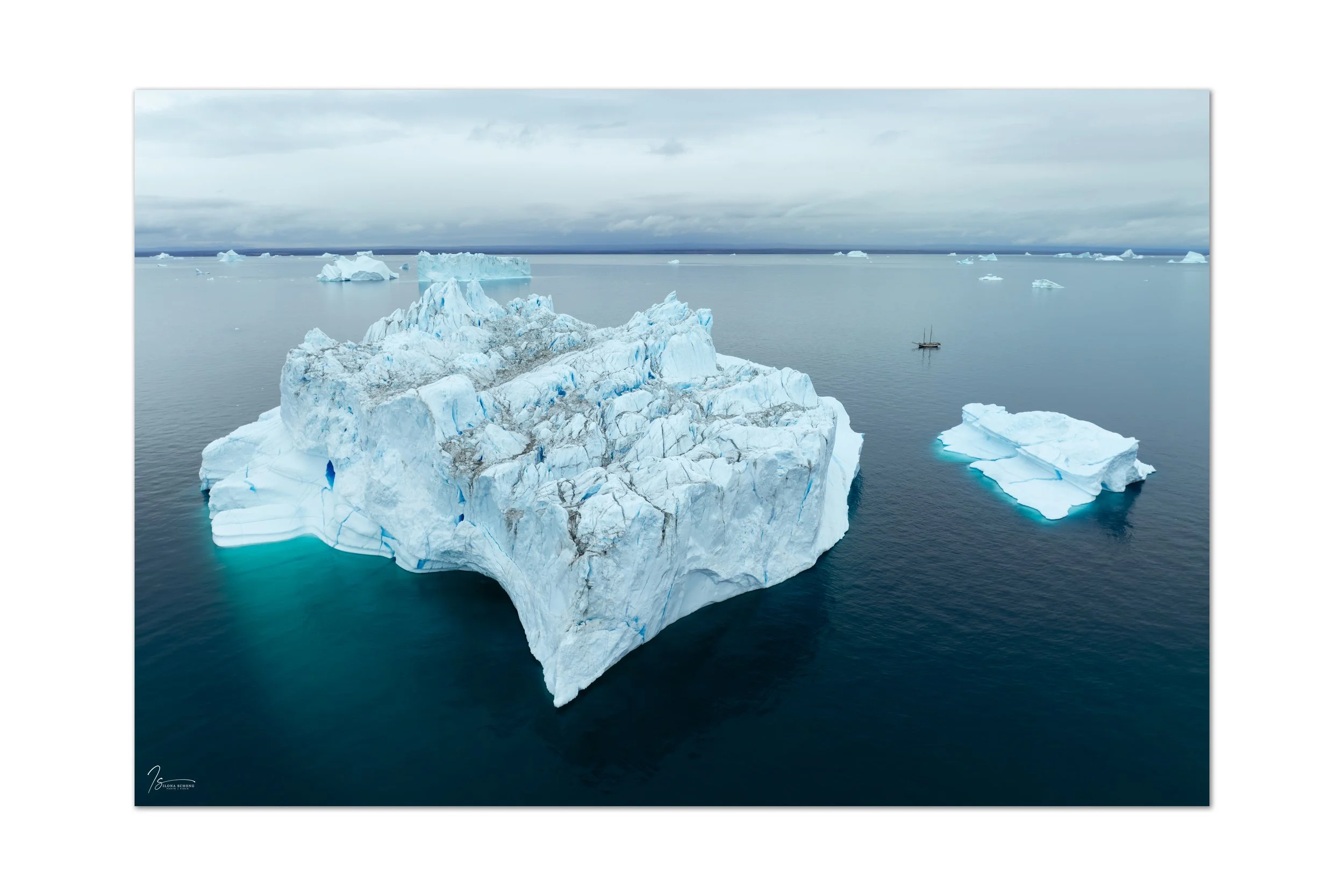
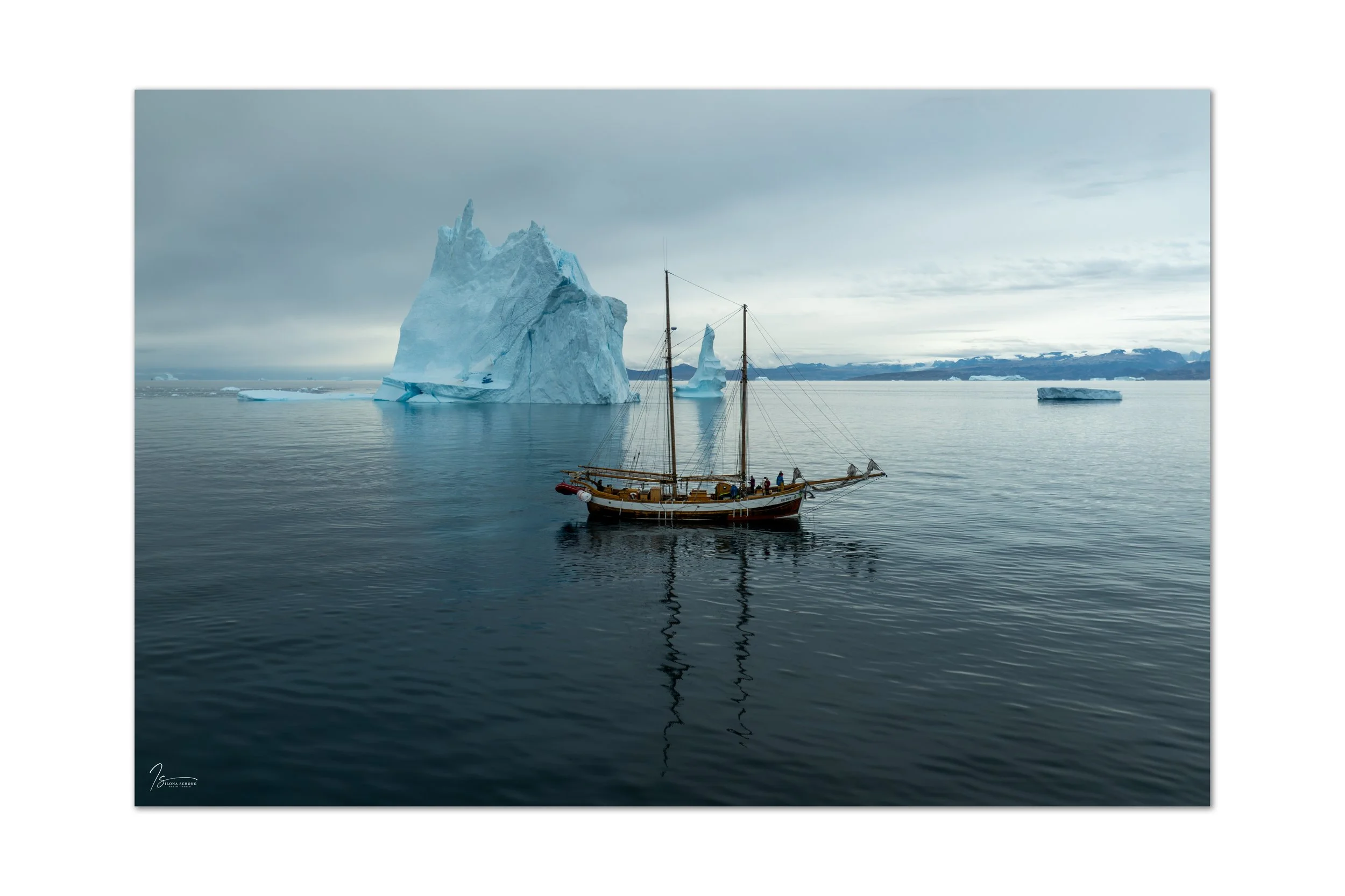
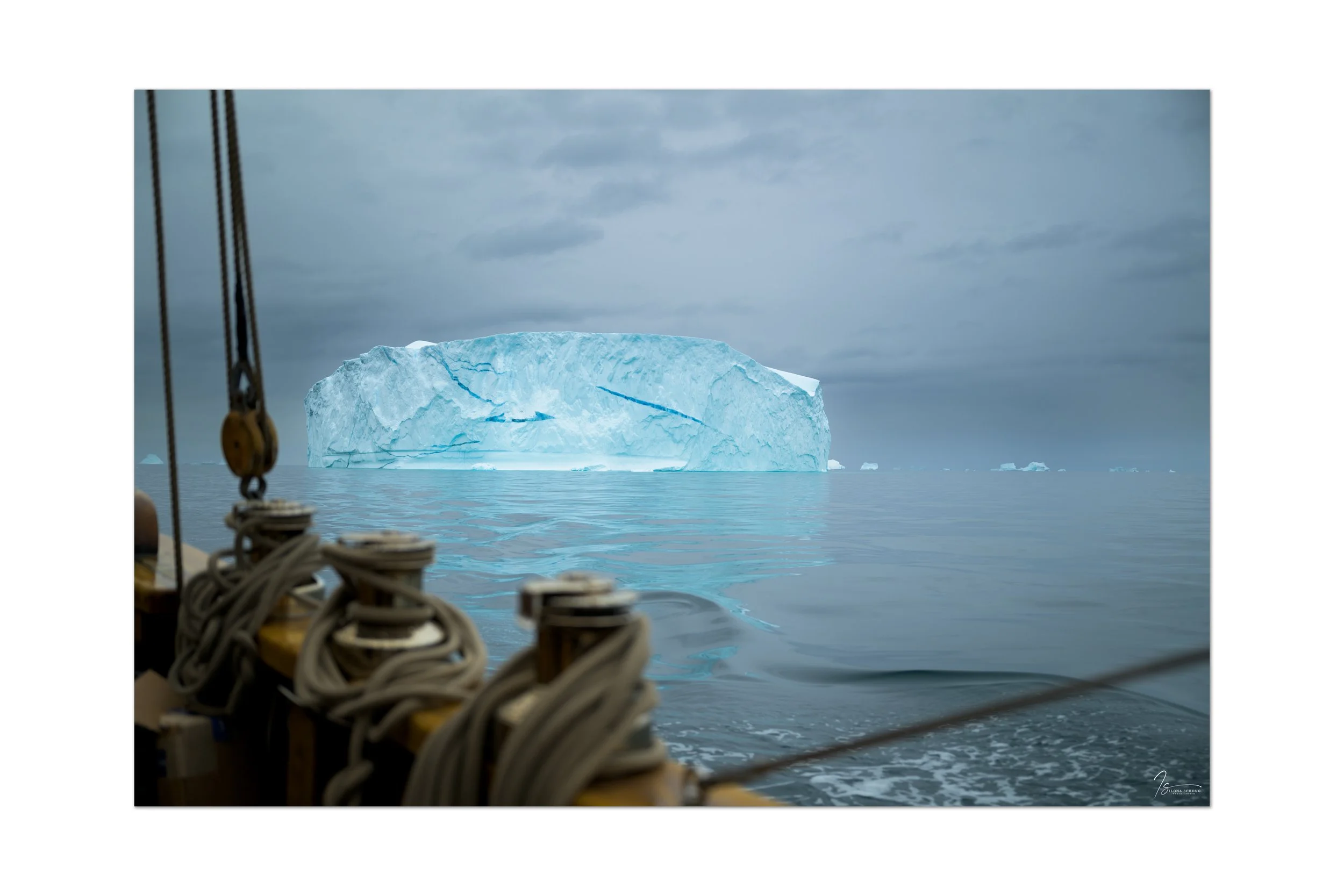
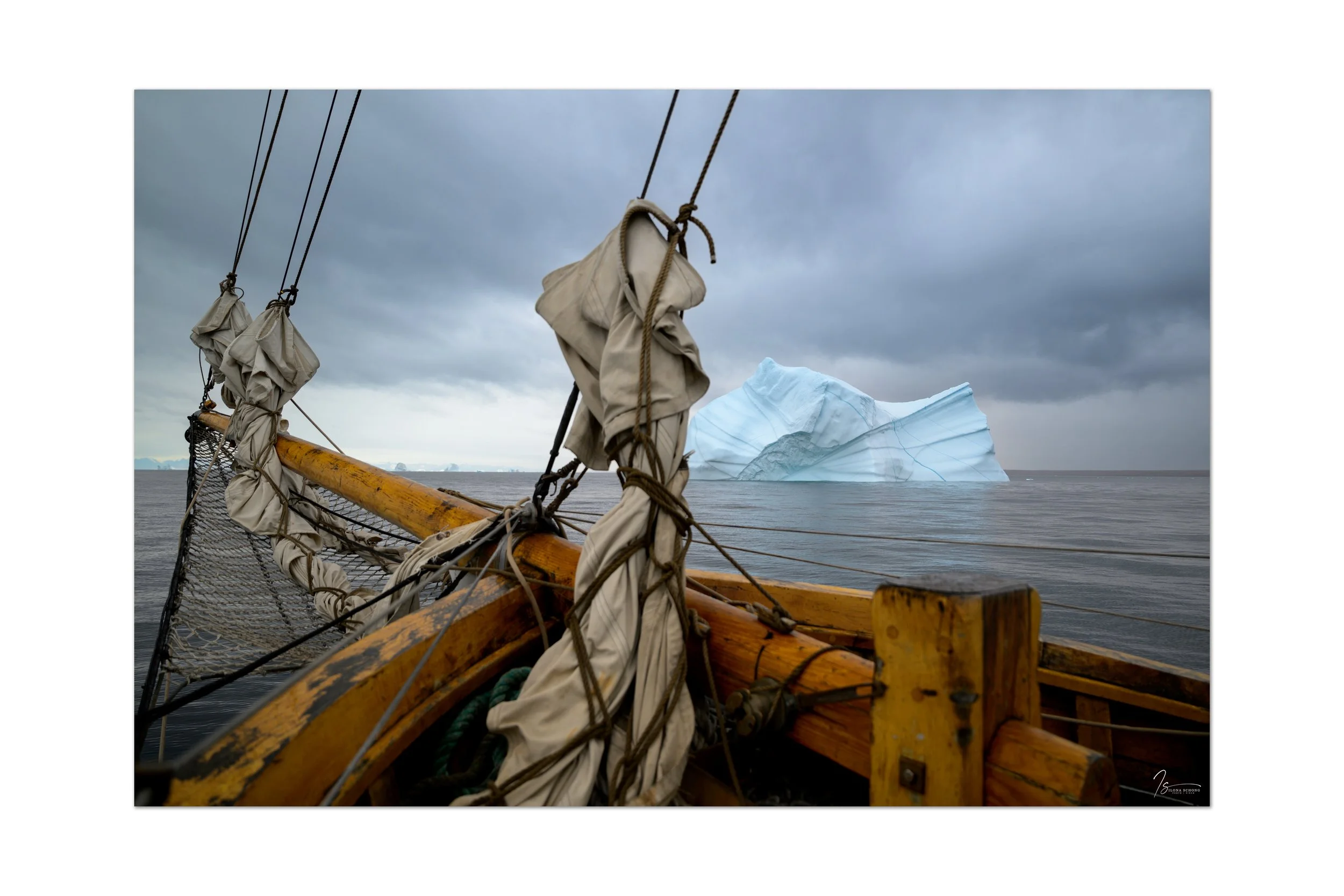
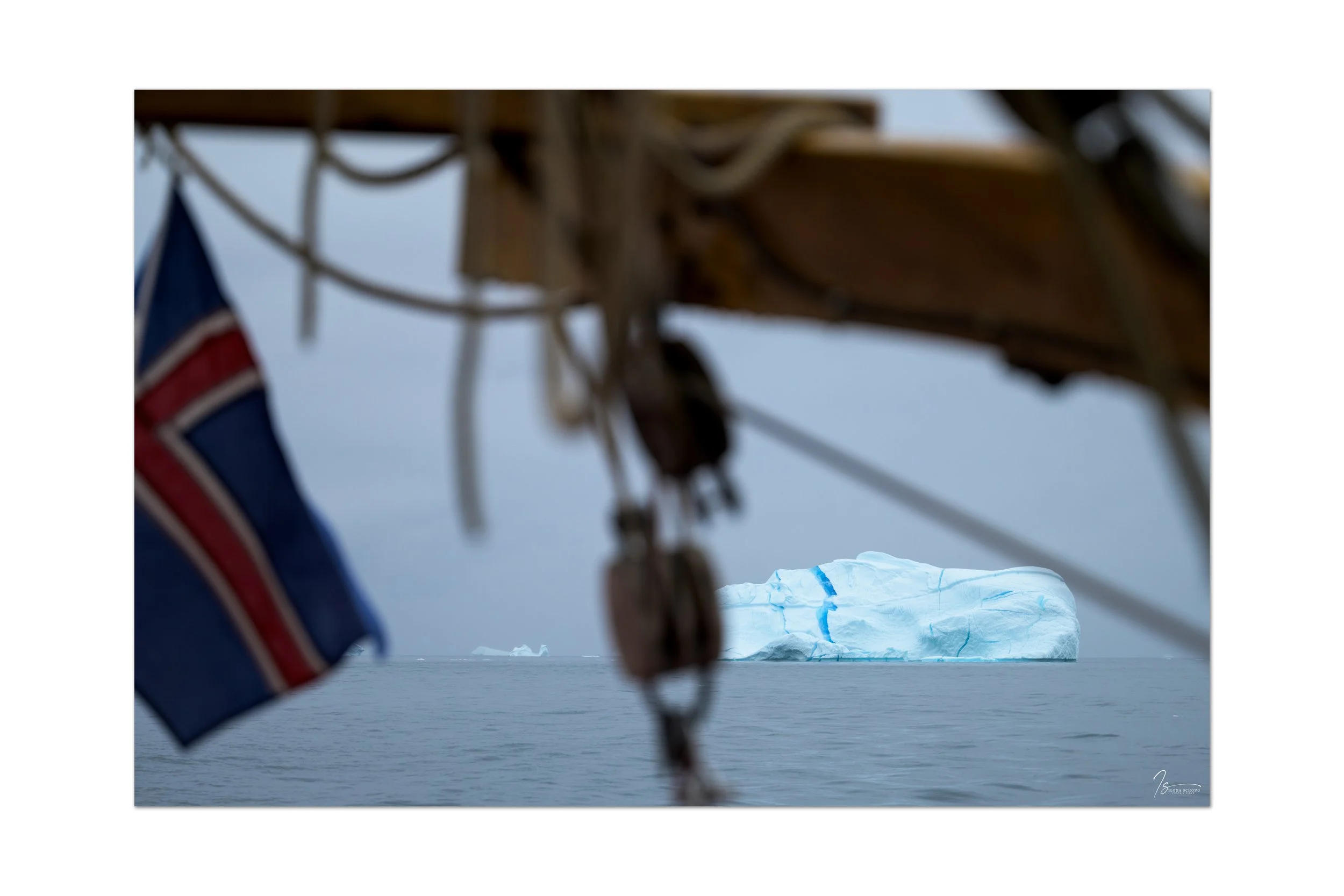
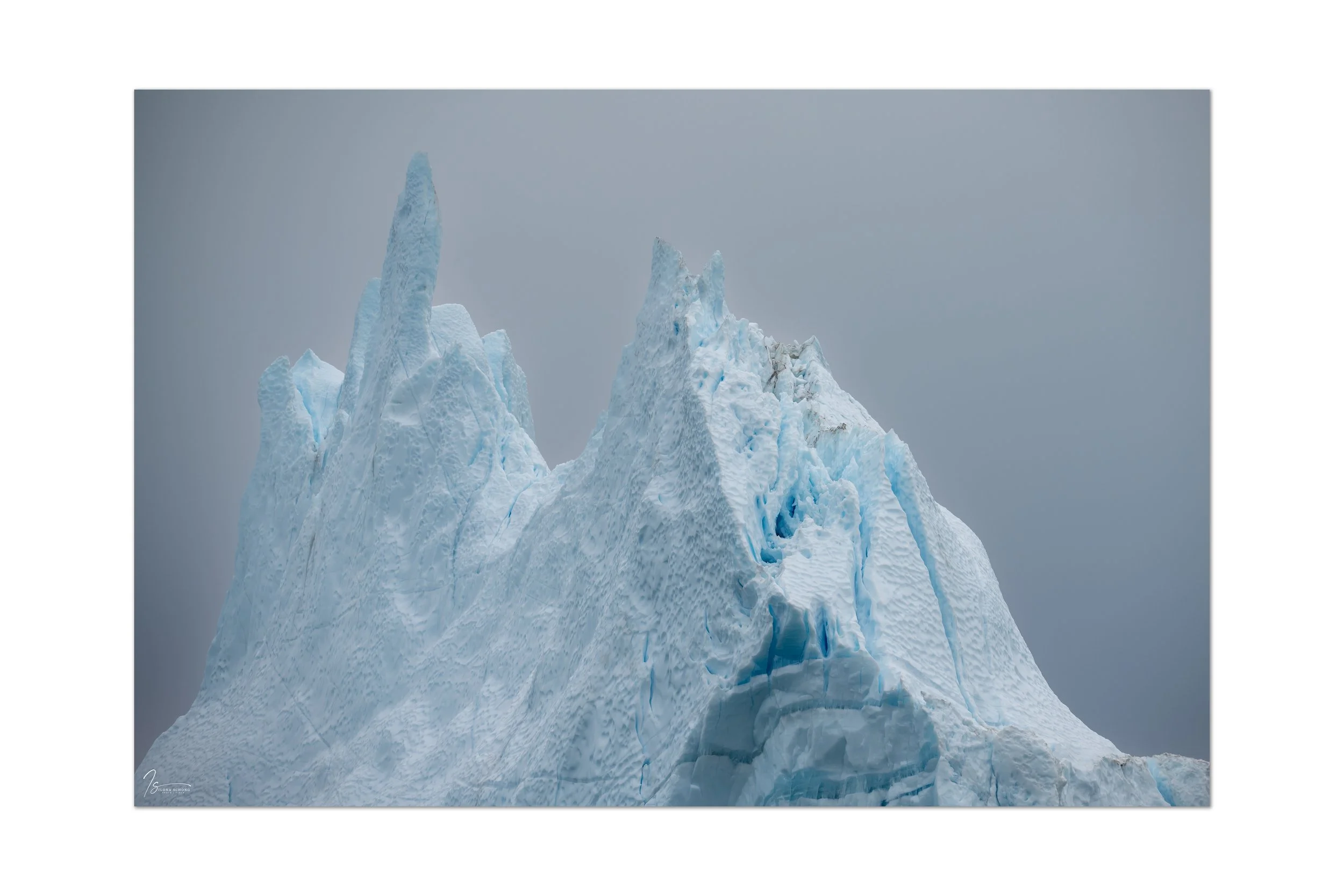
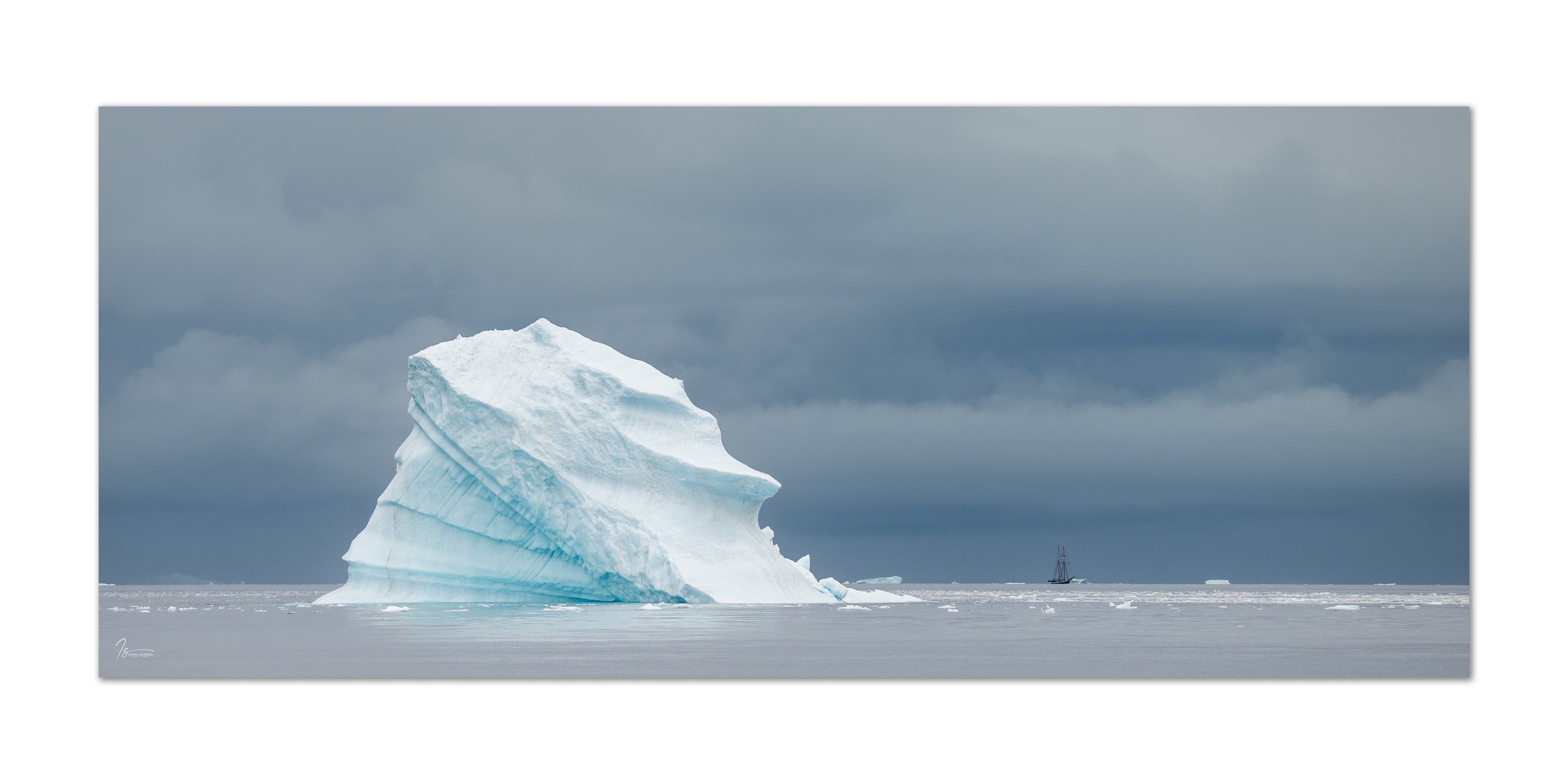
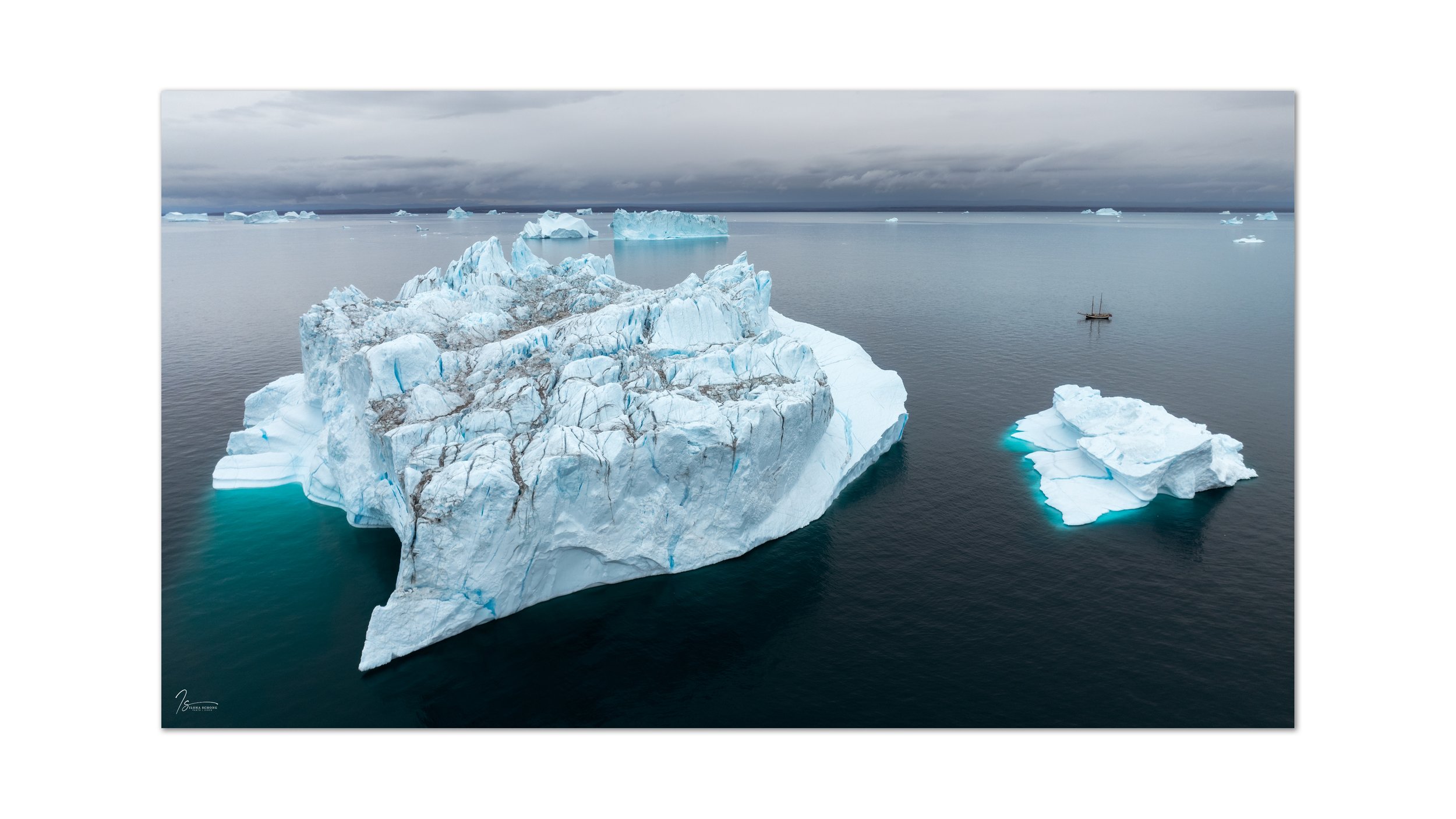
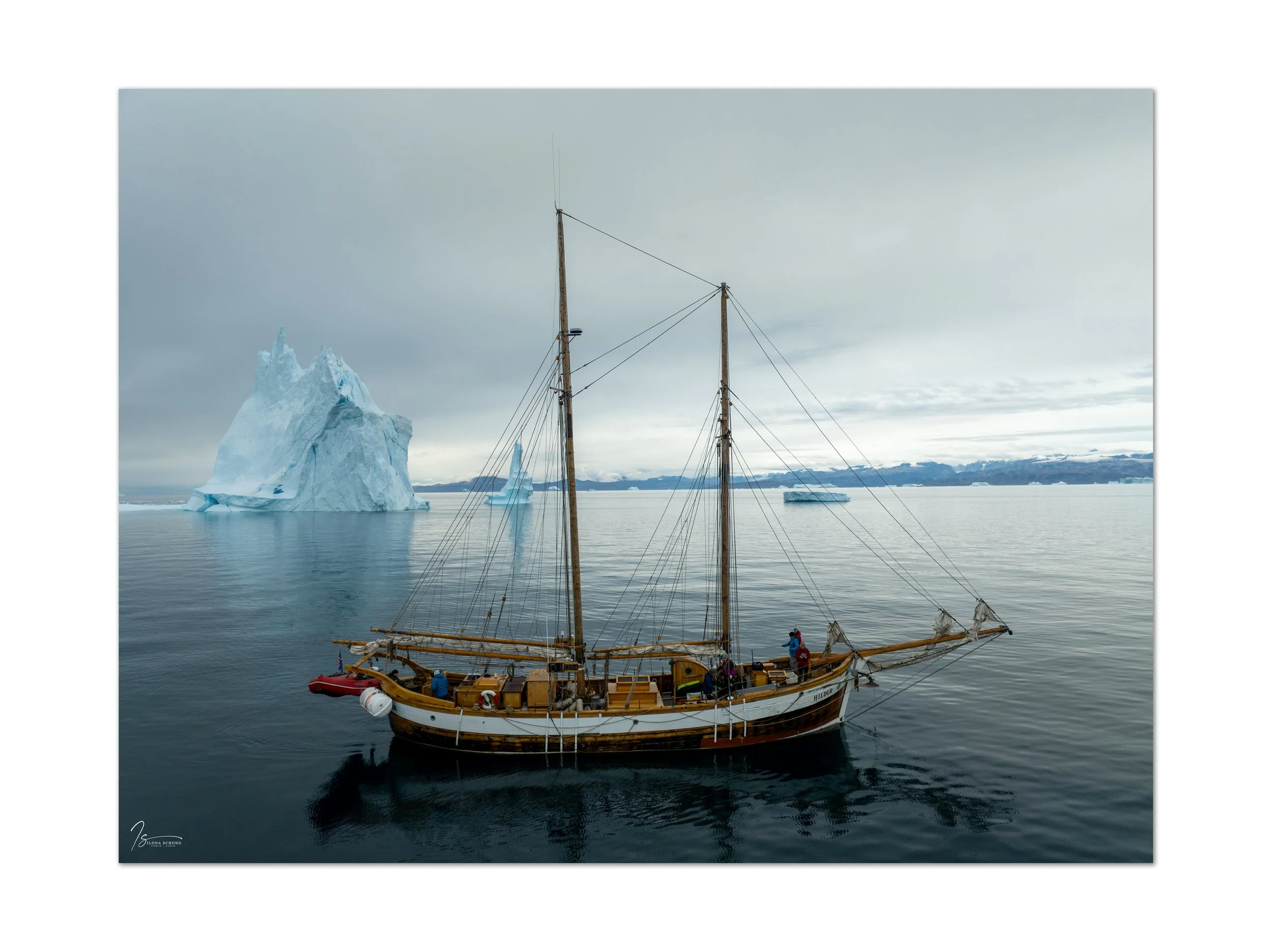
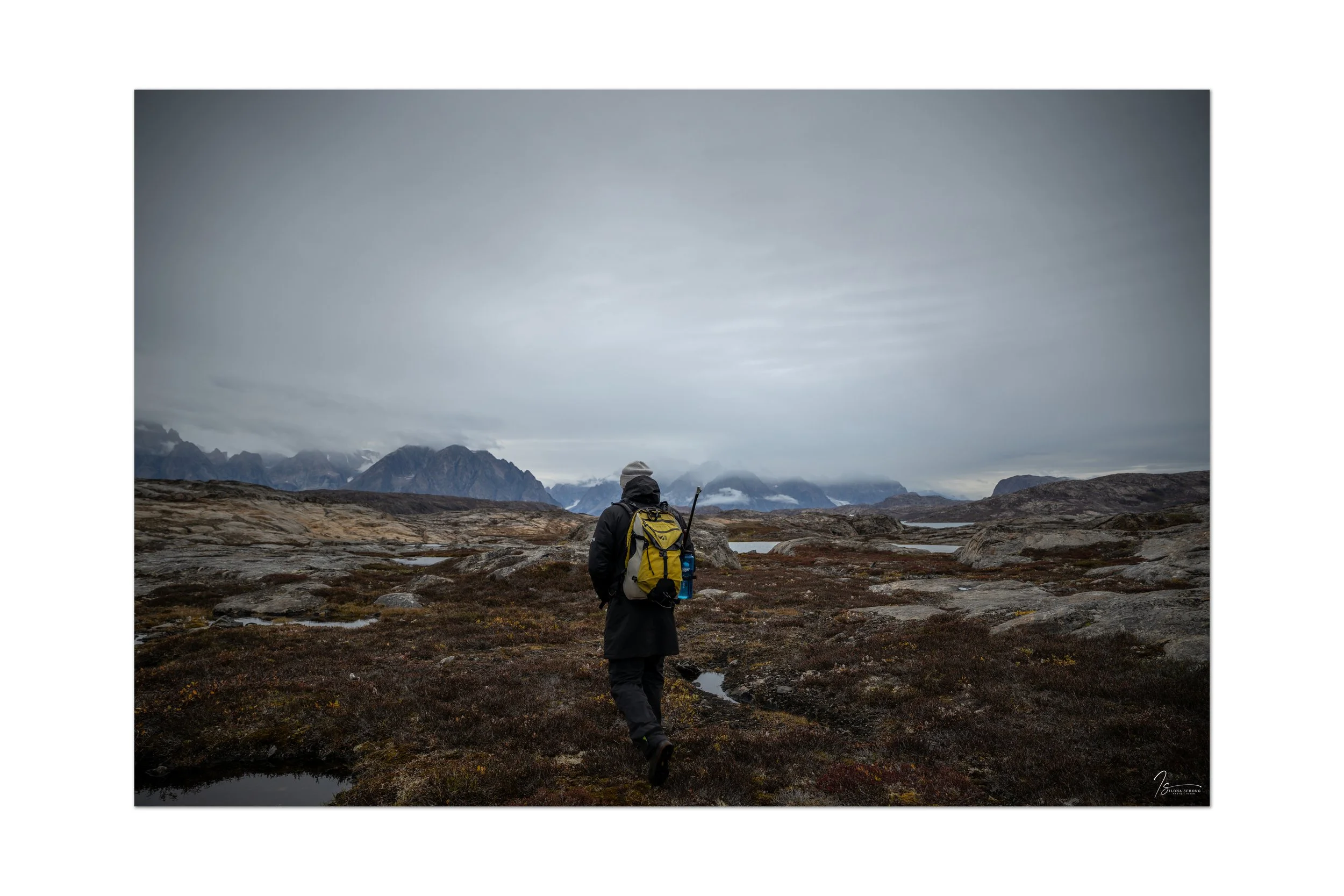
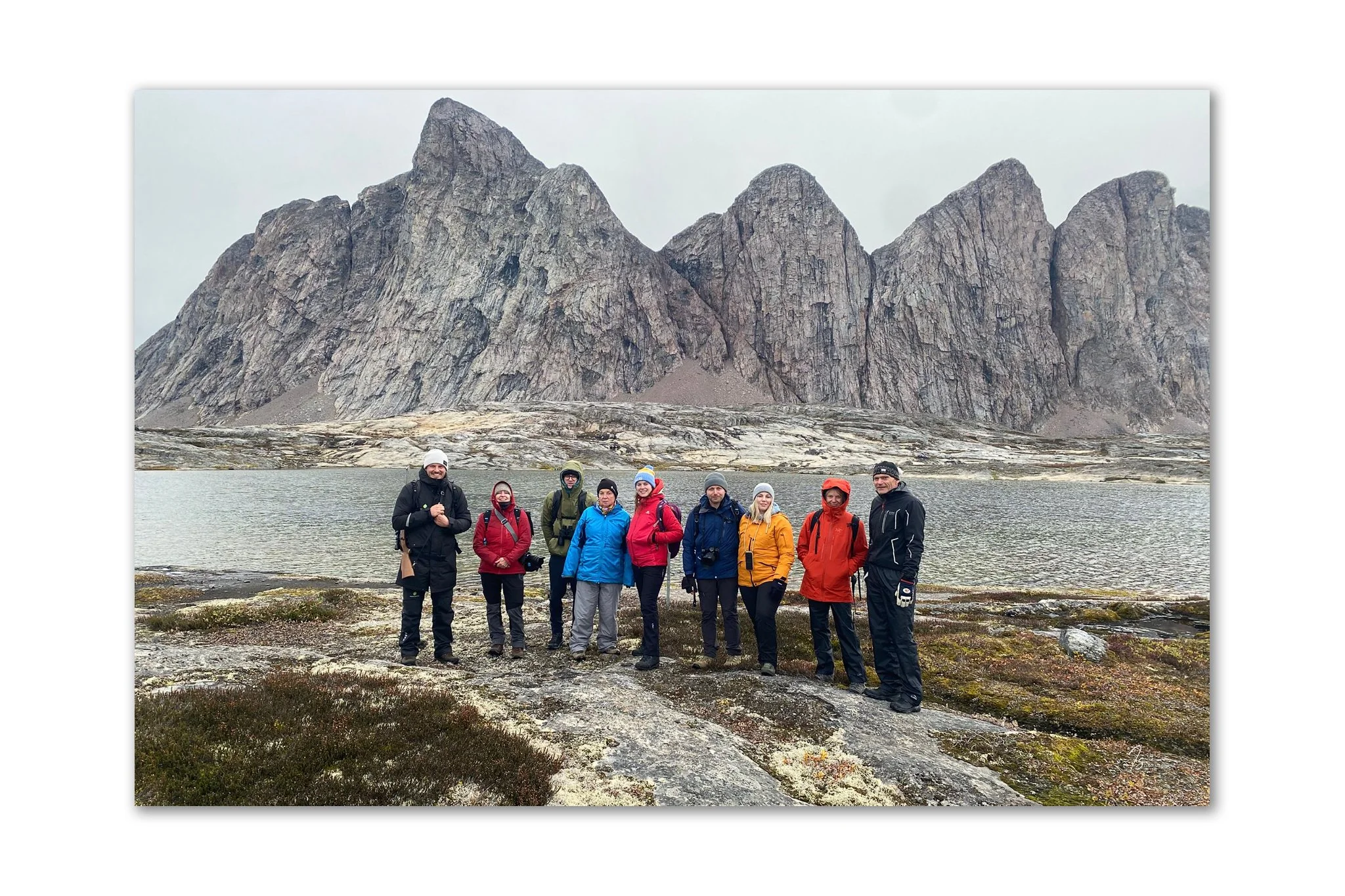
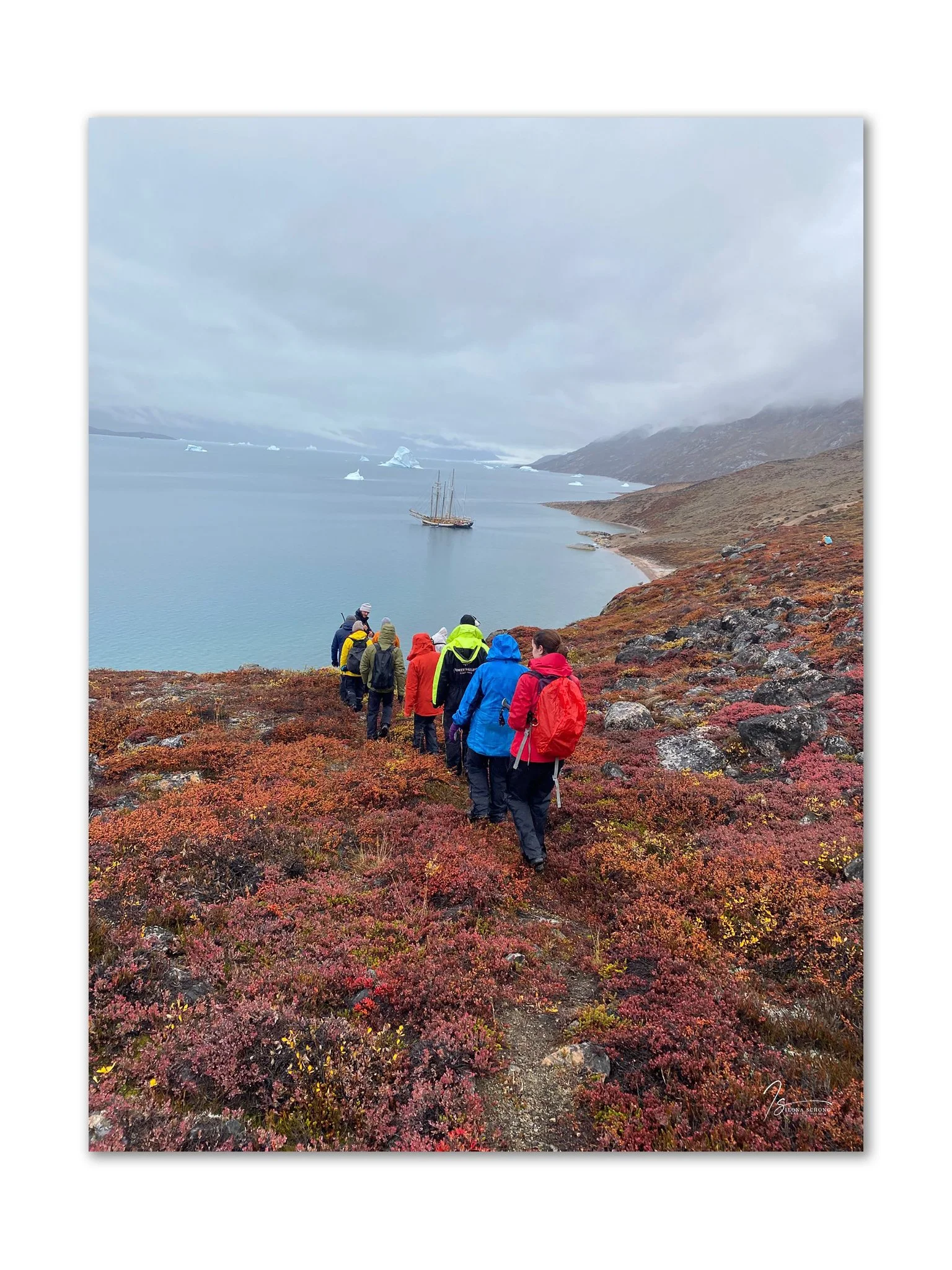
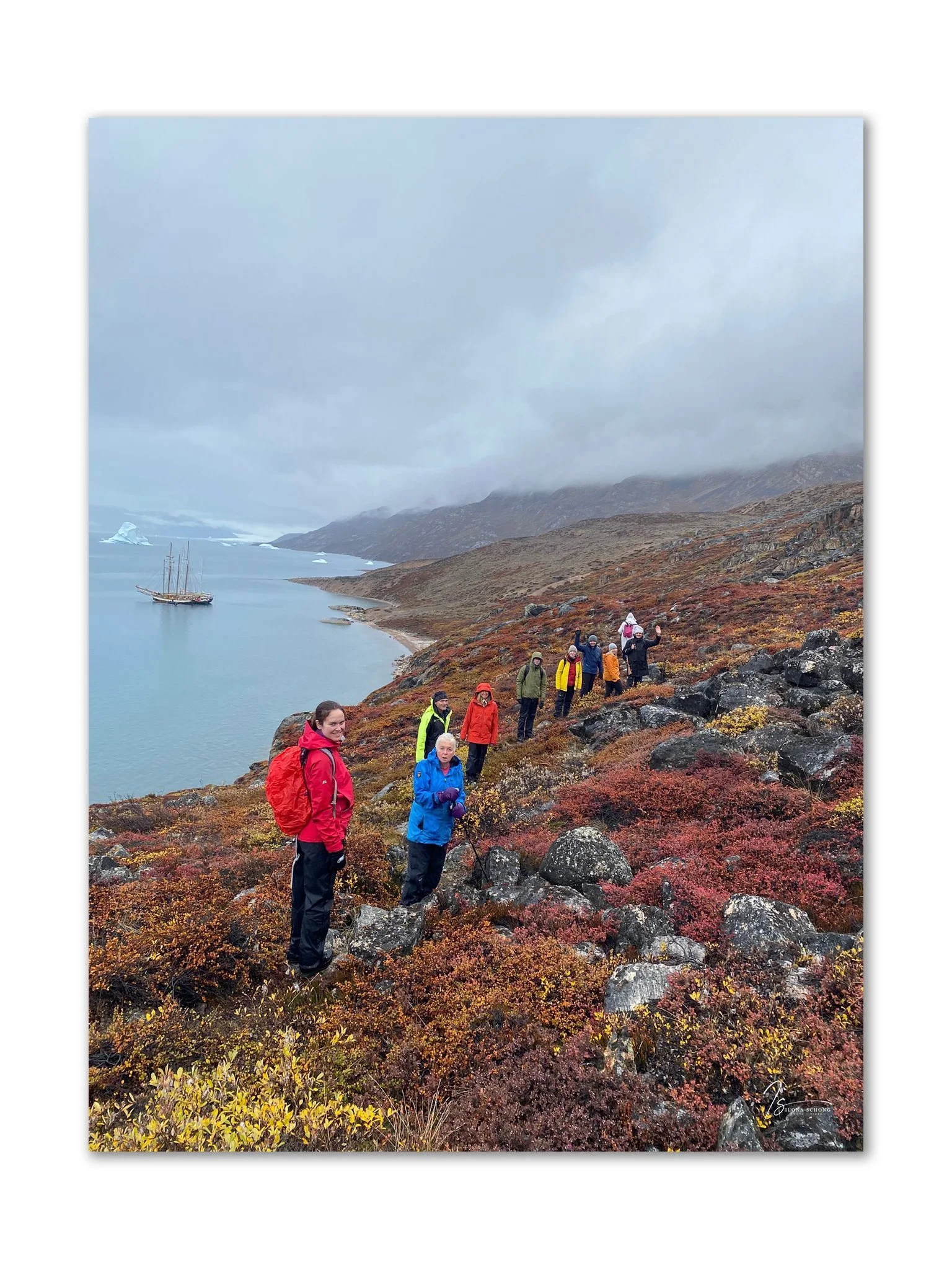
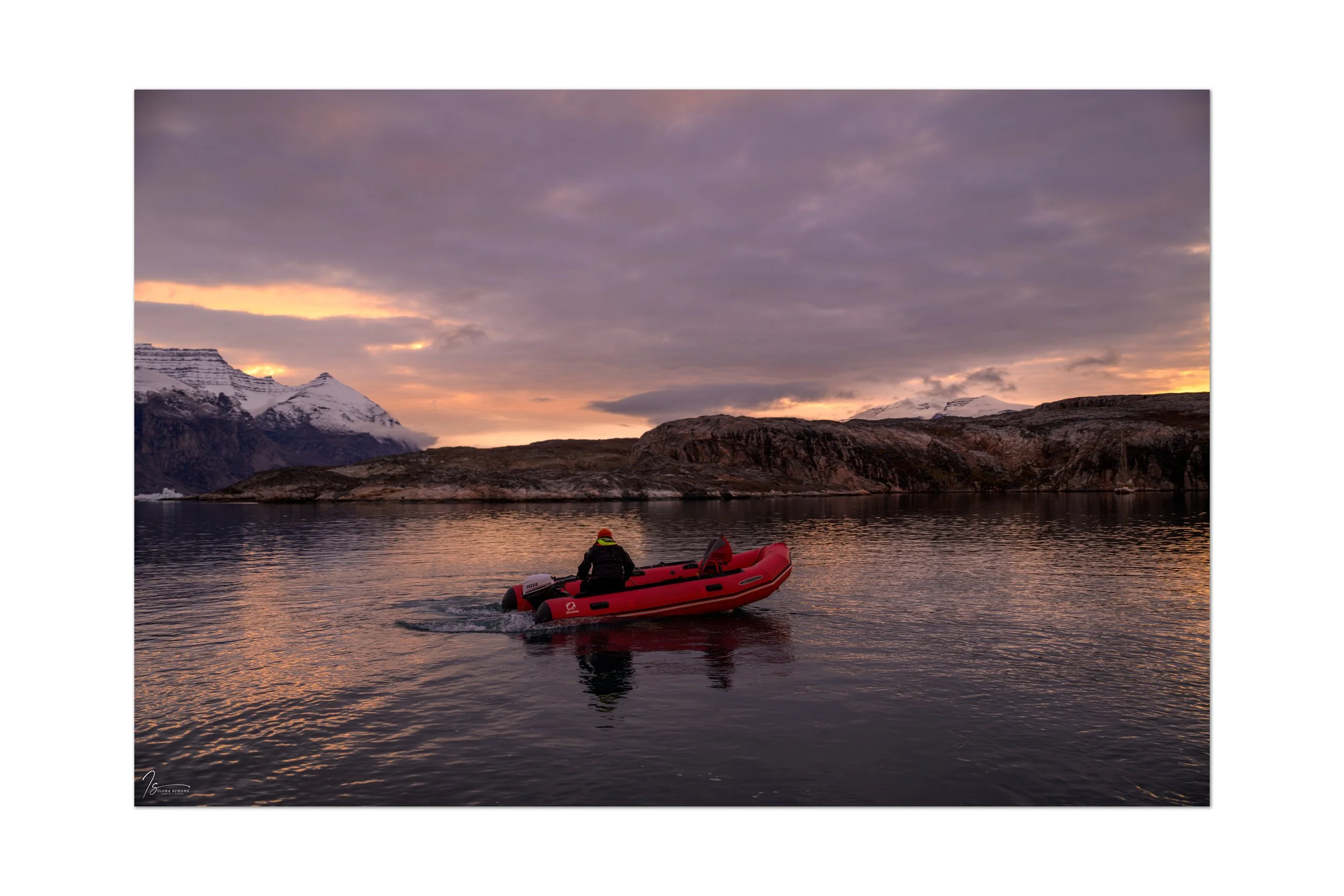
We dropped anchor in a sheltered spot among the Bear Islands, and we were able to take the Zodiac ashore to stretch our legs and explore the Bear Islands on foot.
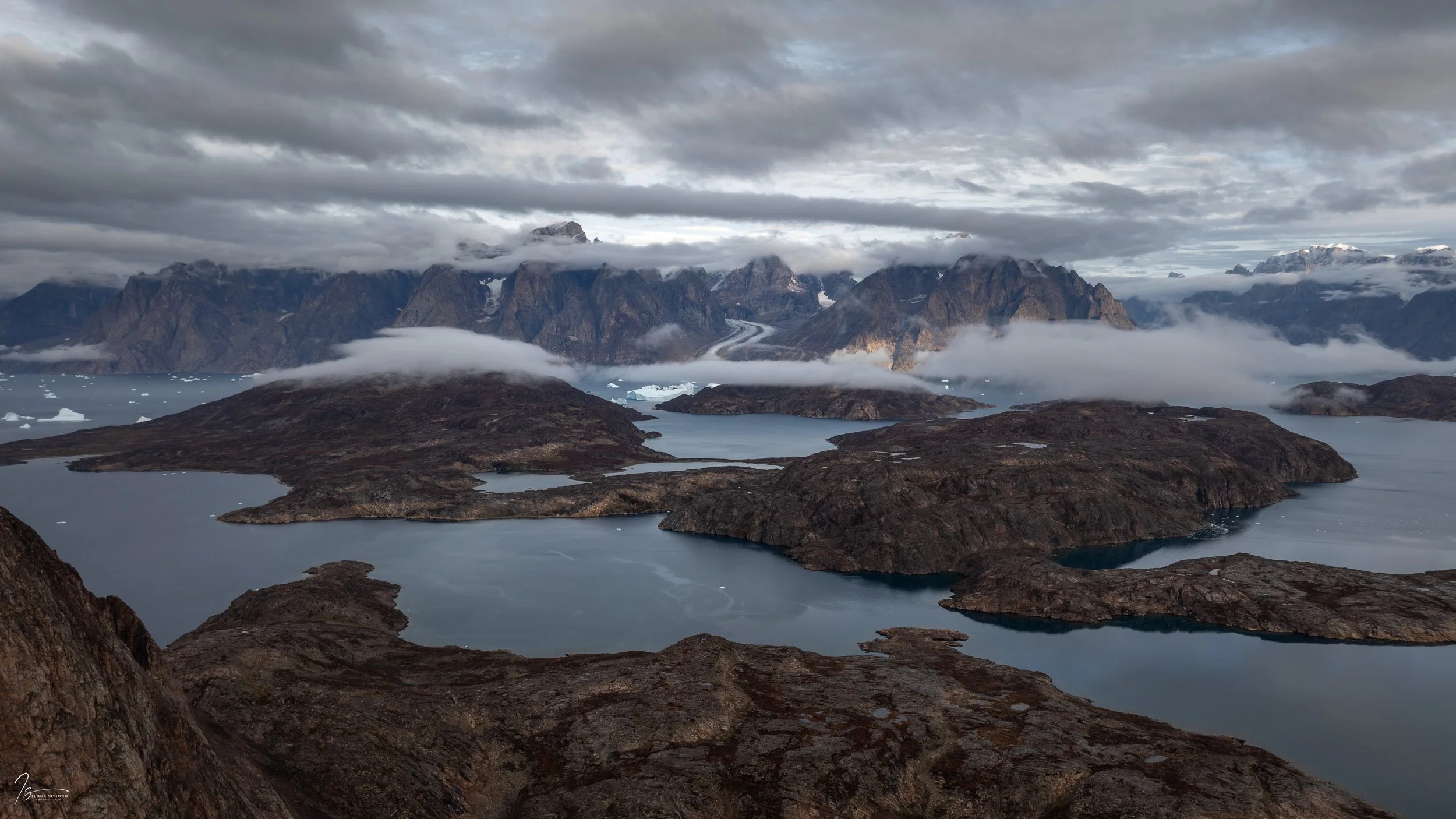
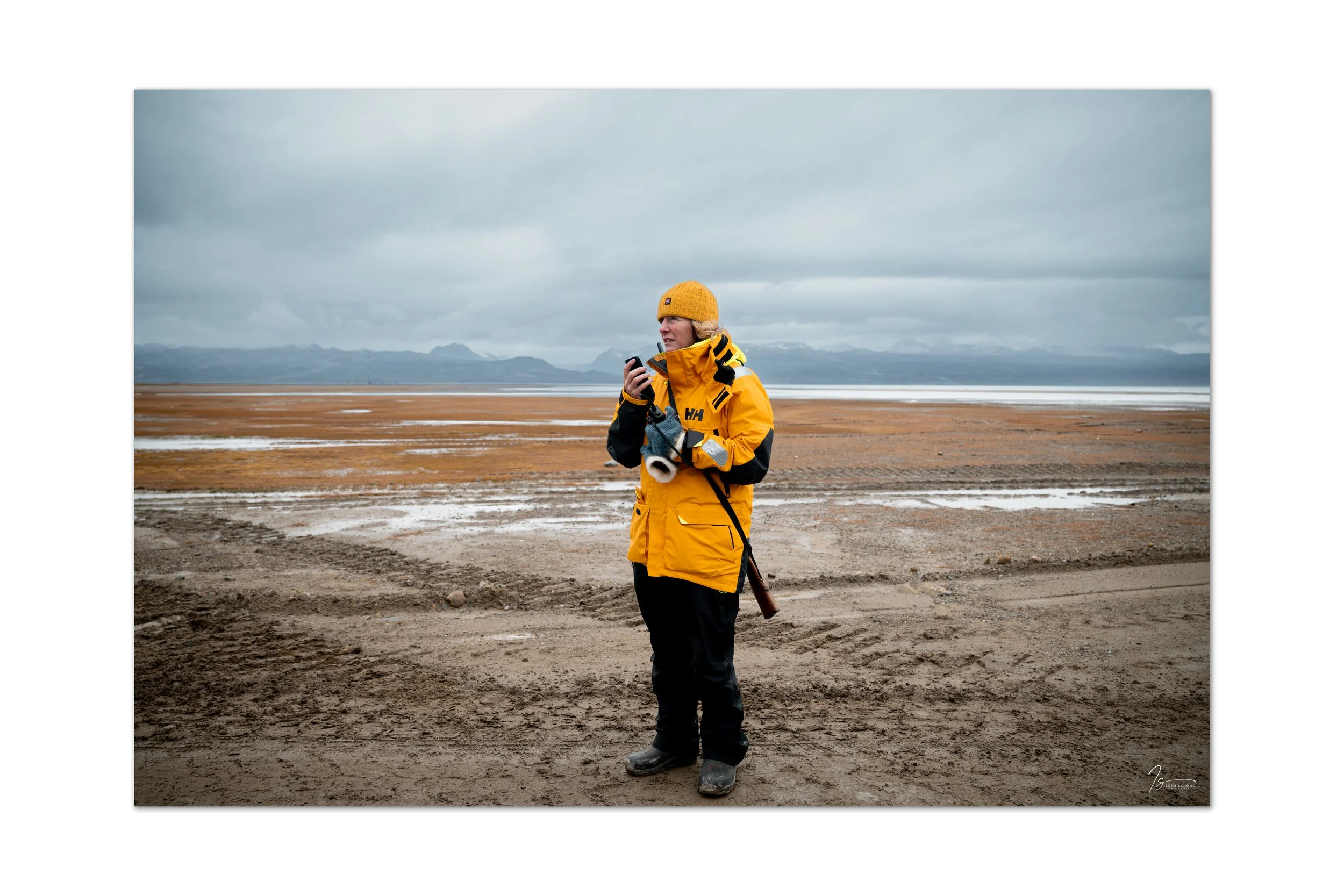
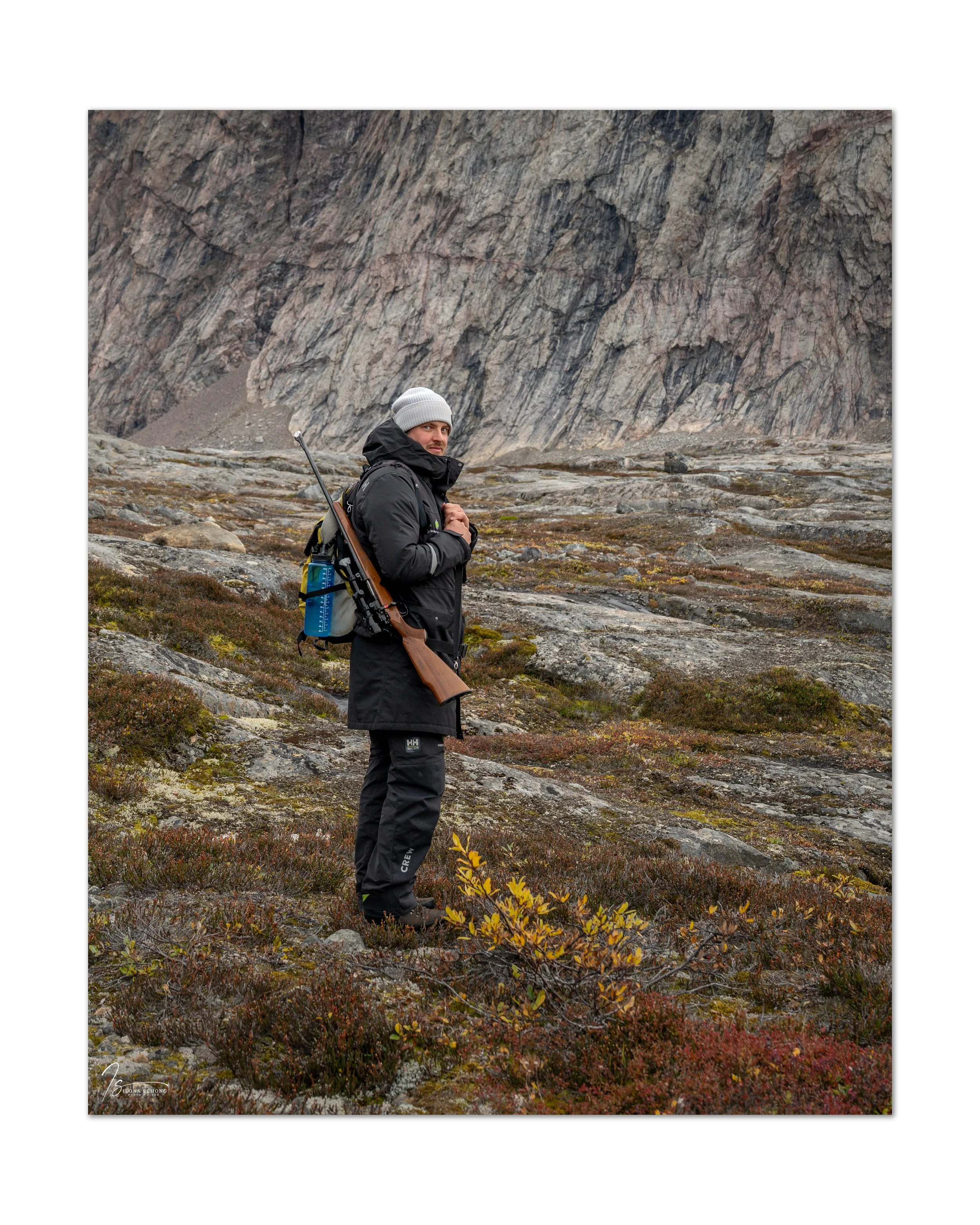
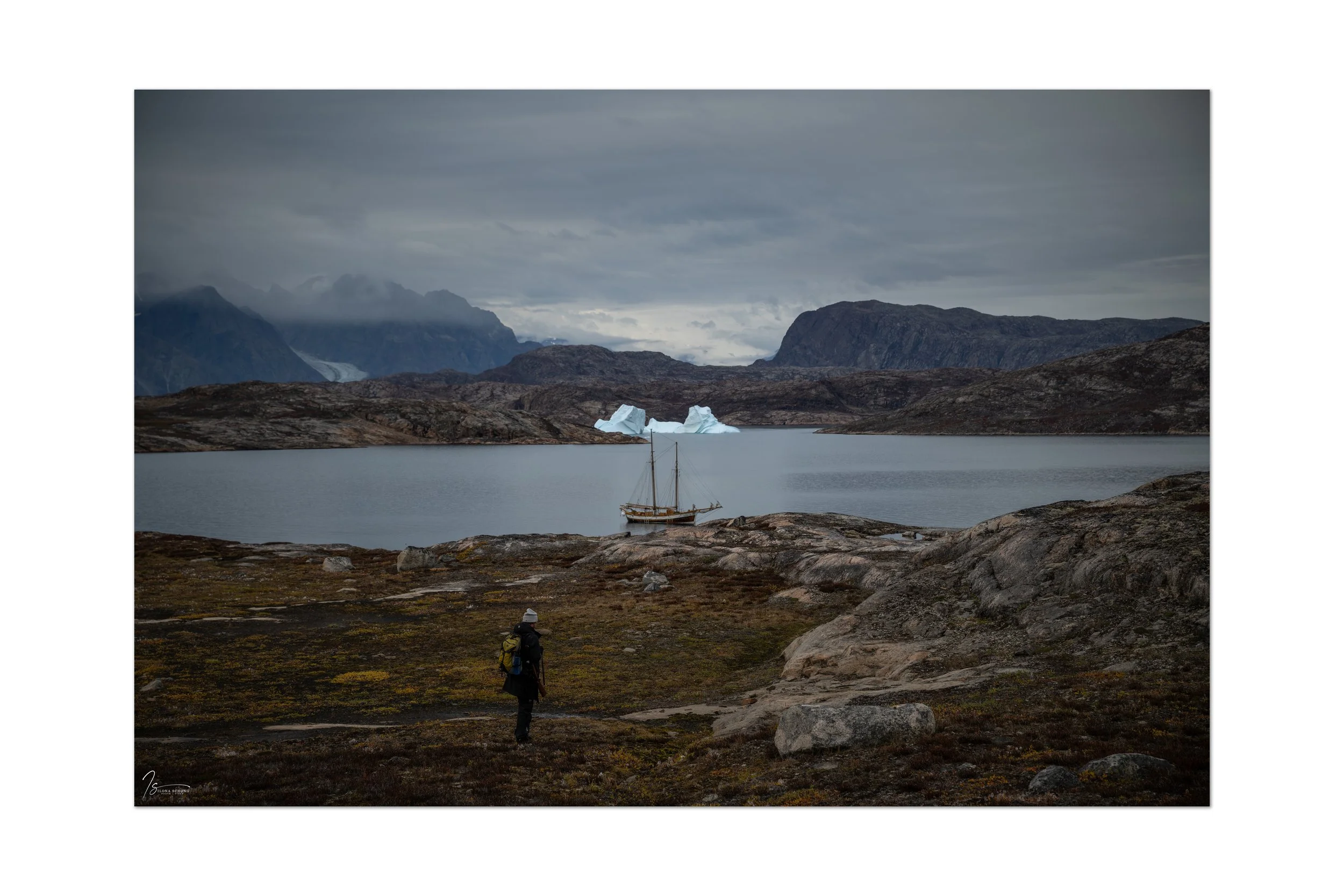
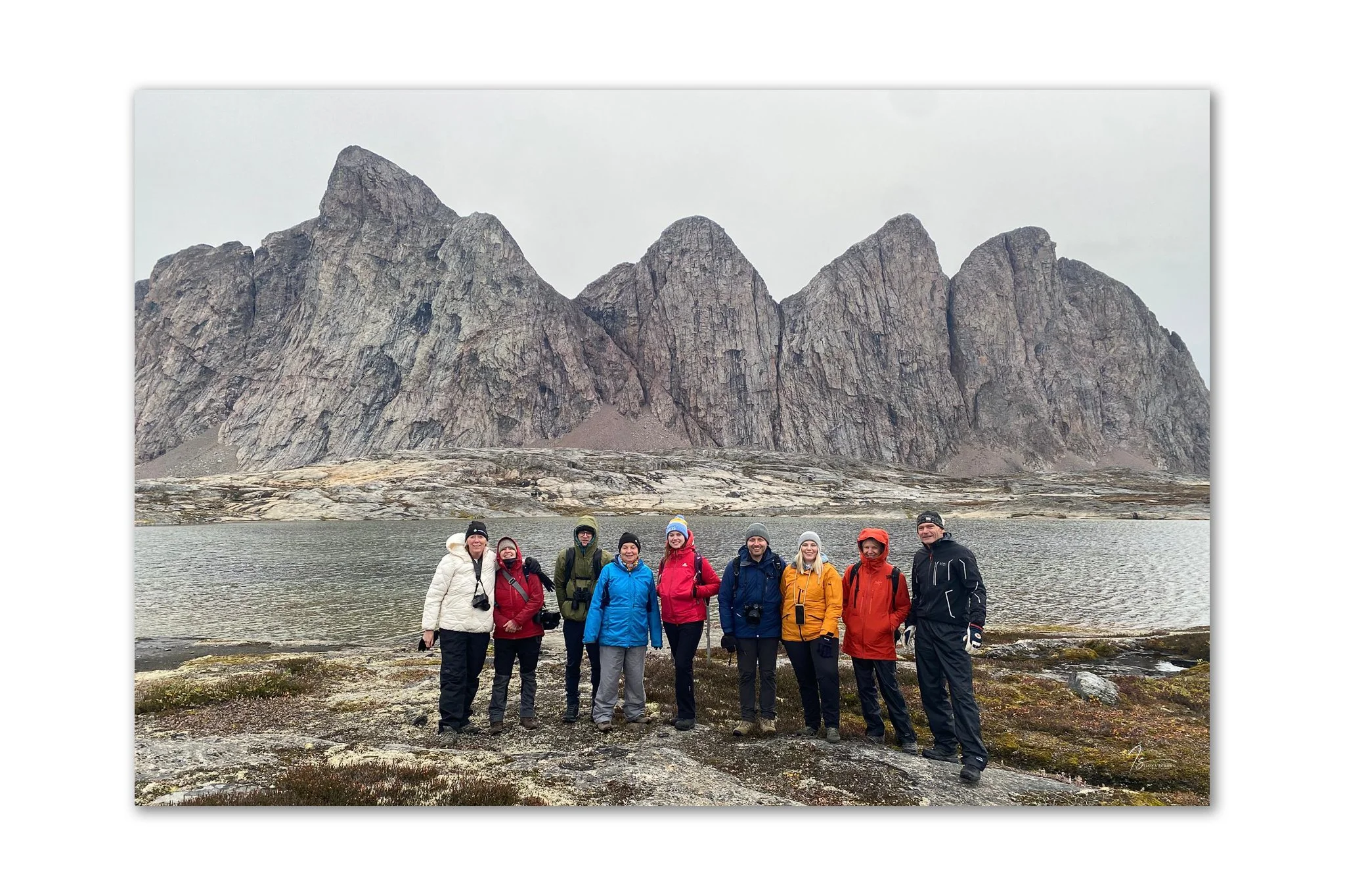
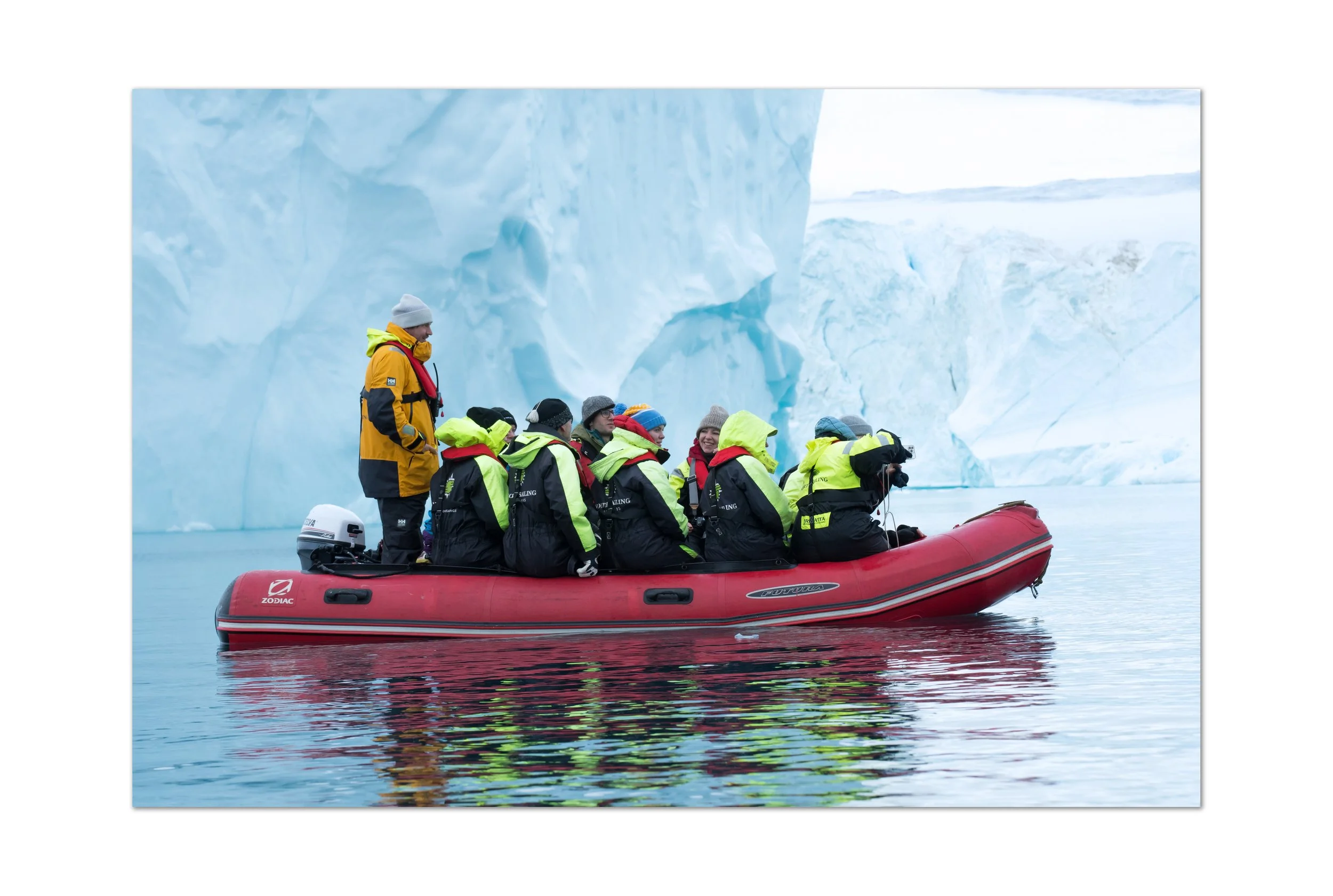
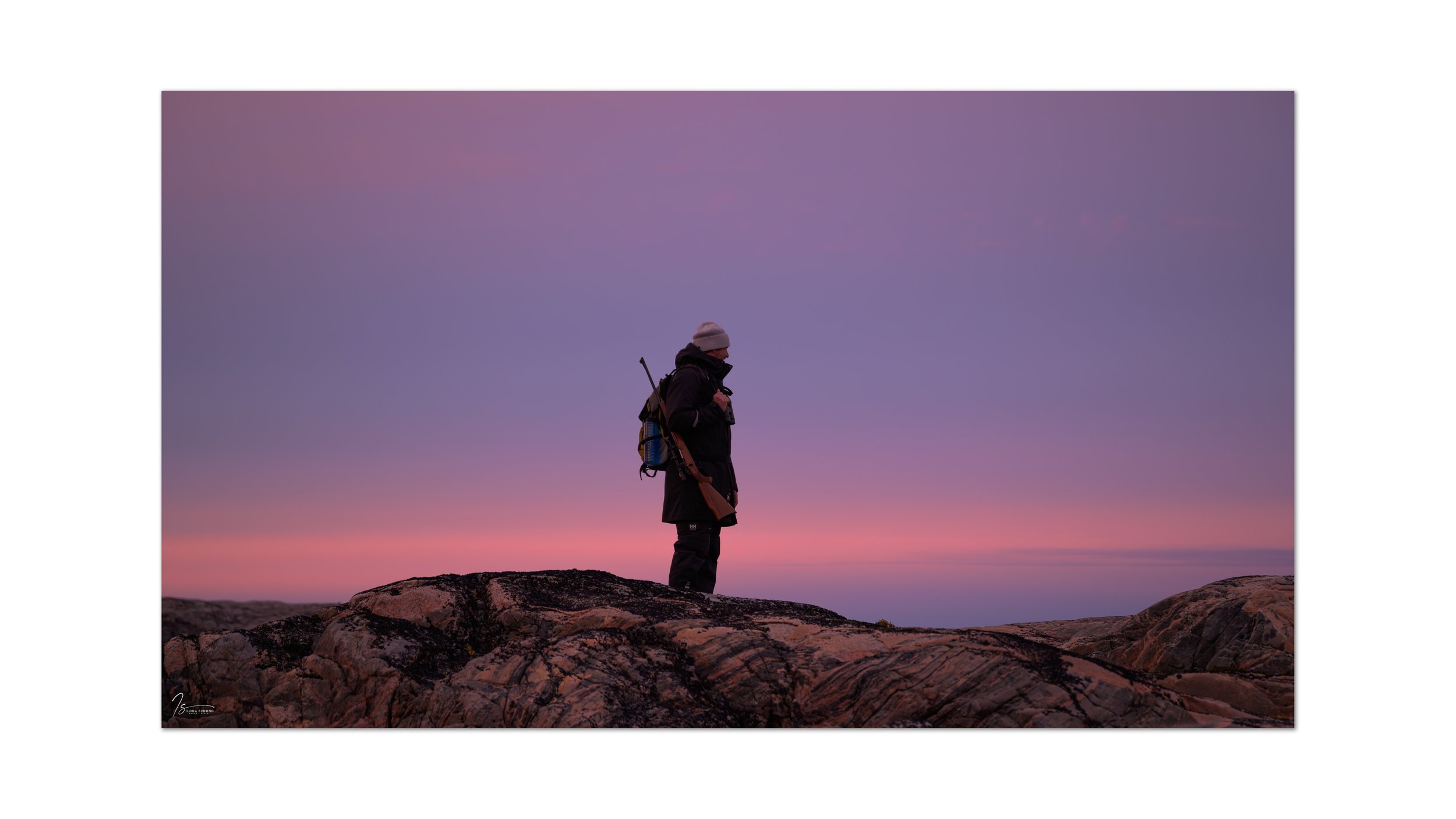
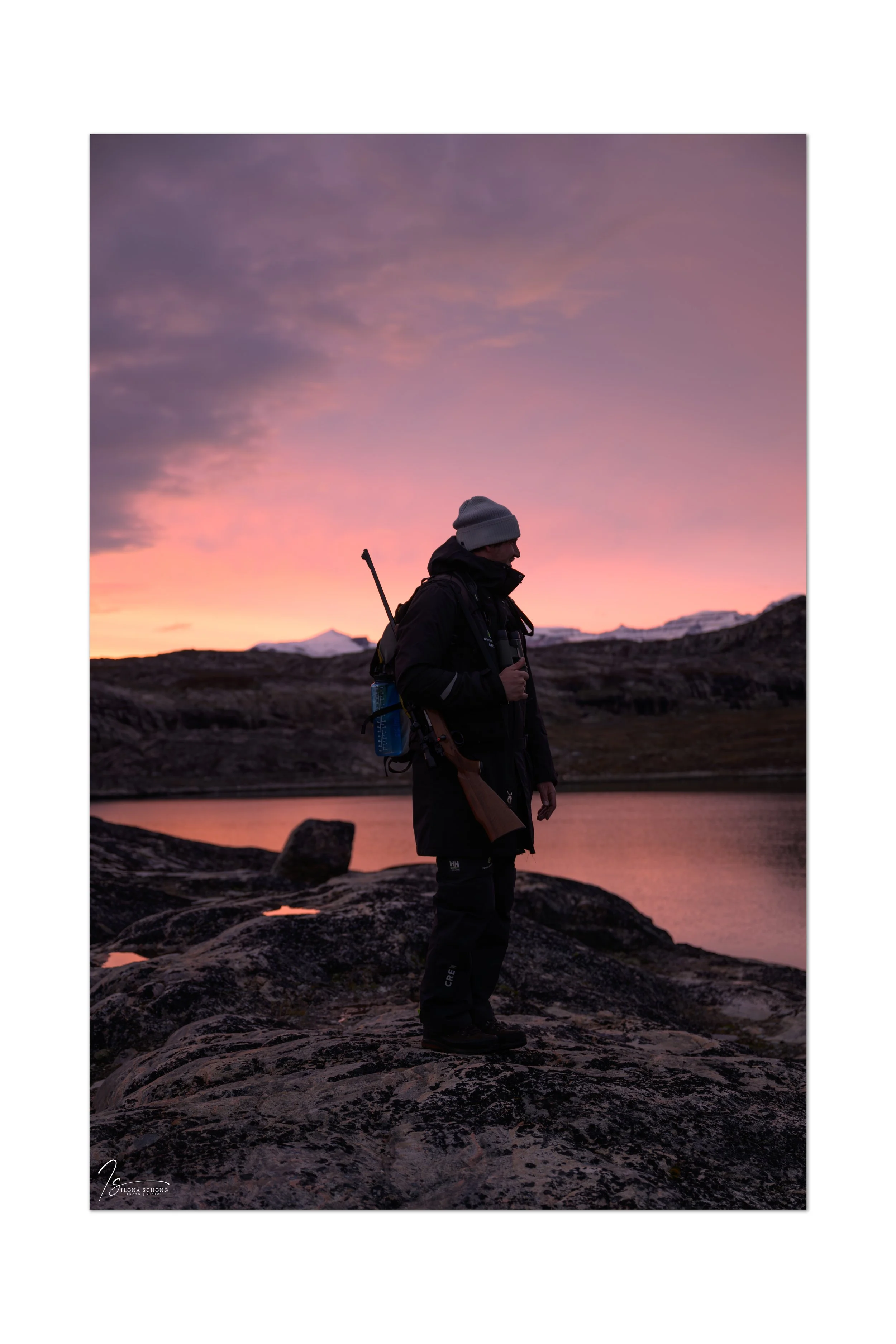
As you can see in the photo, the expedition leader carries a rifle with him at all times, because this entire area is polar bear territory. That means: don’t stray from the group, and when approaching the edges of hills, wait until the expedition leader has given the all-clear.
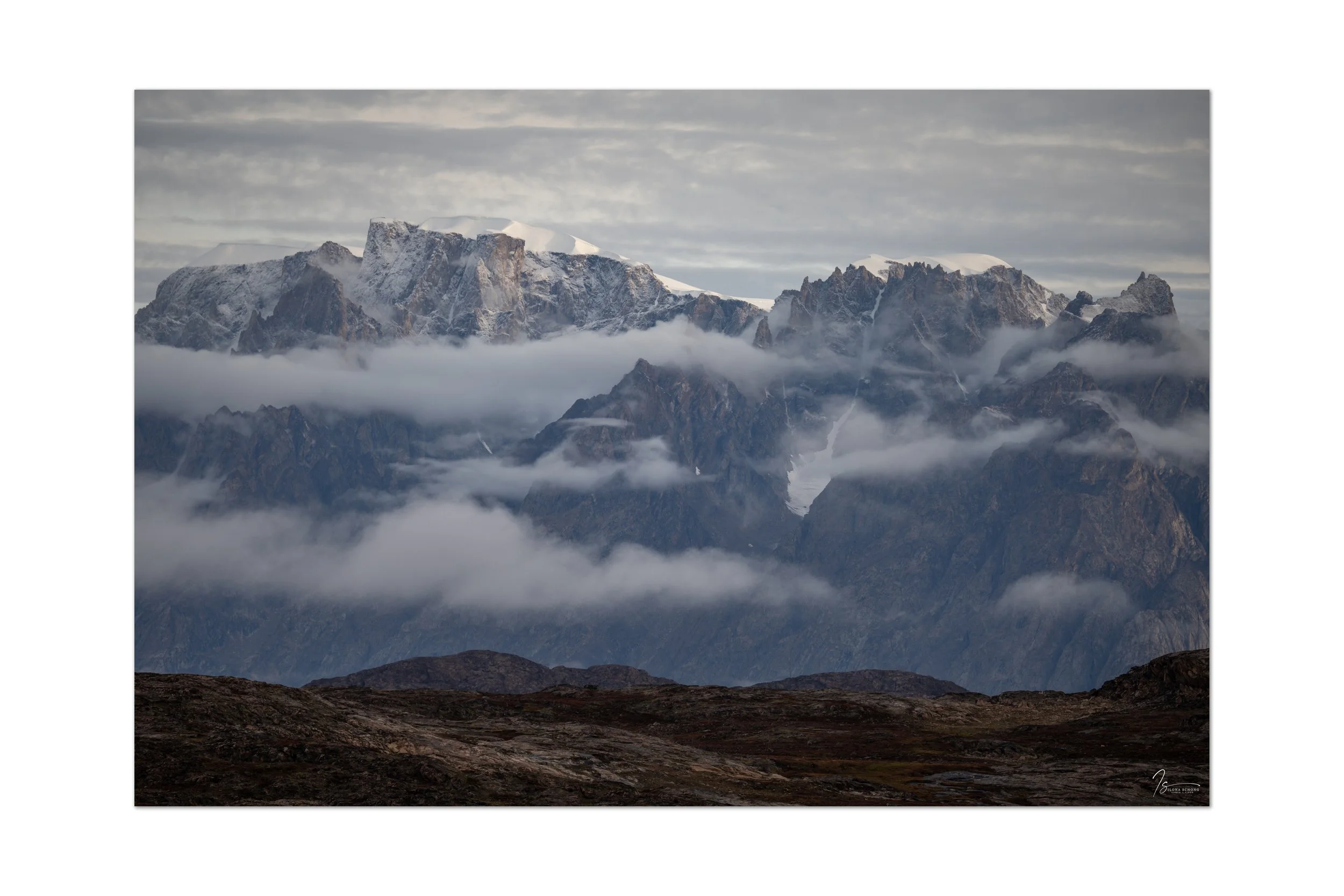
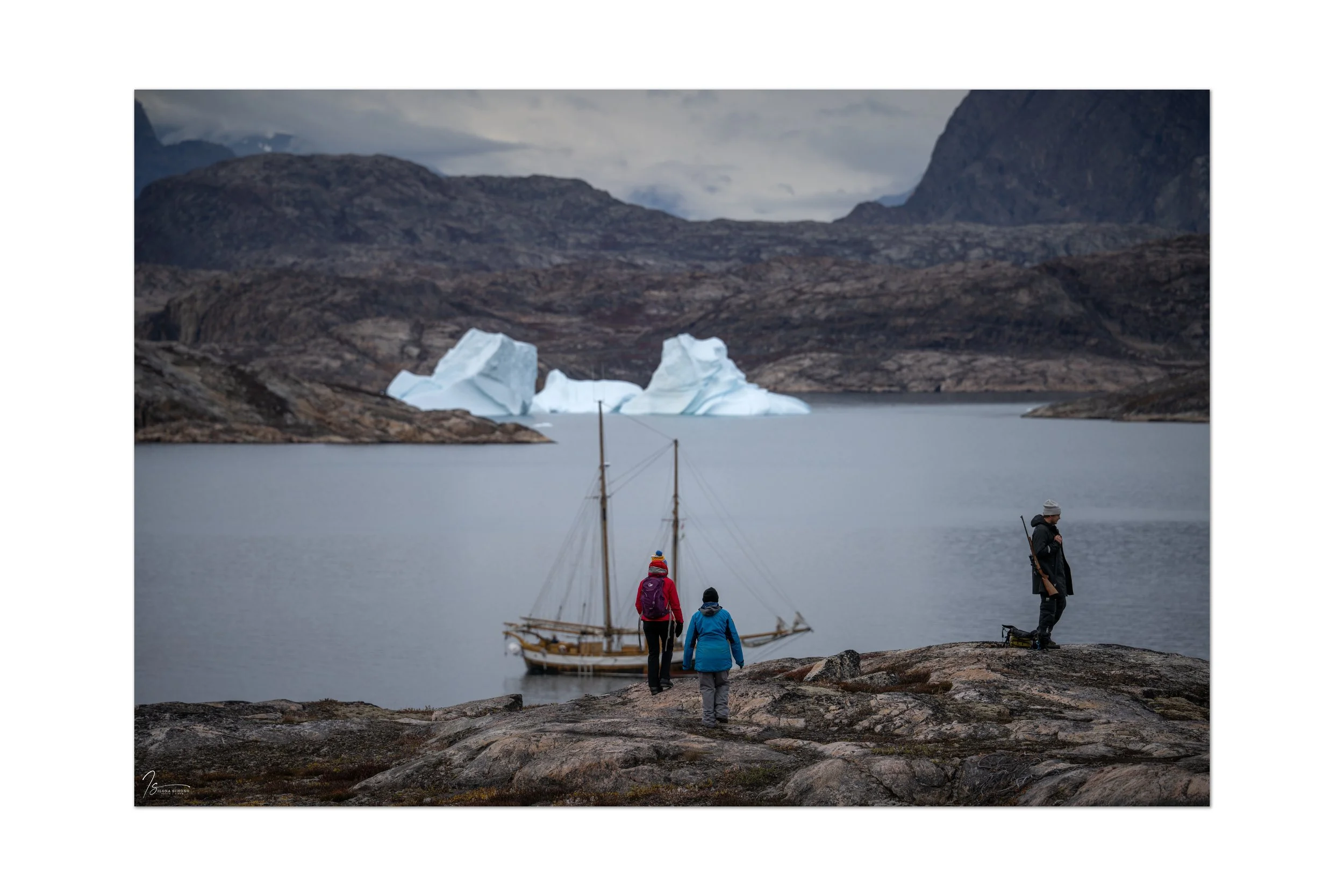
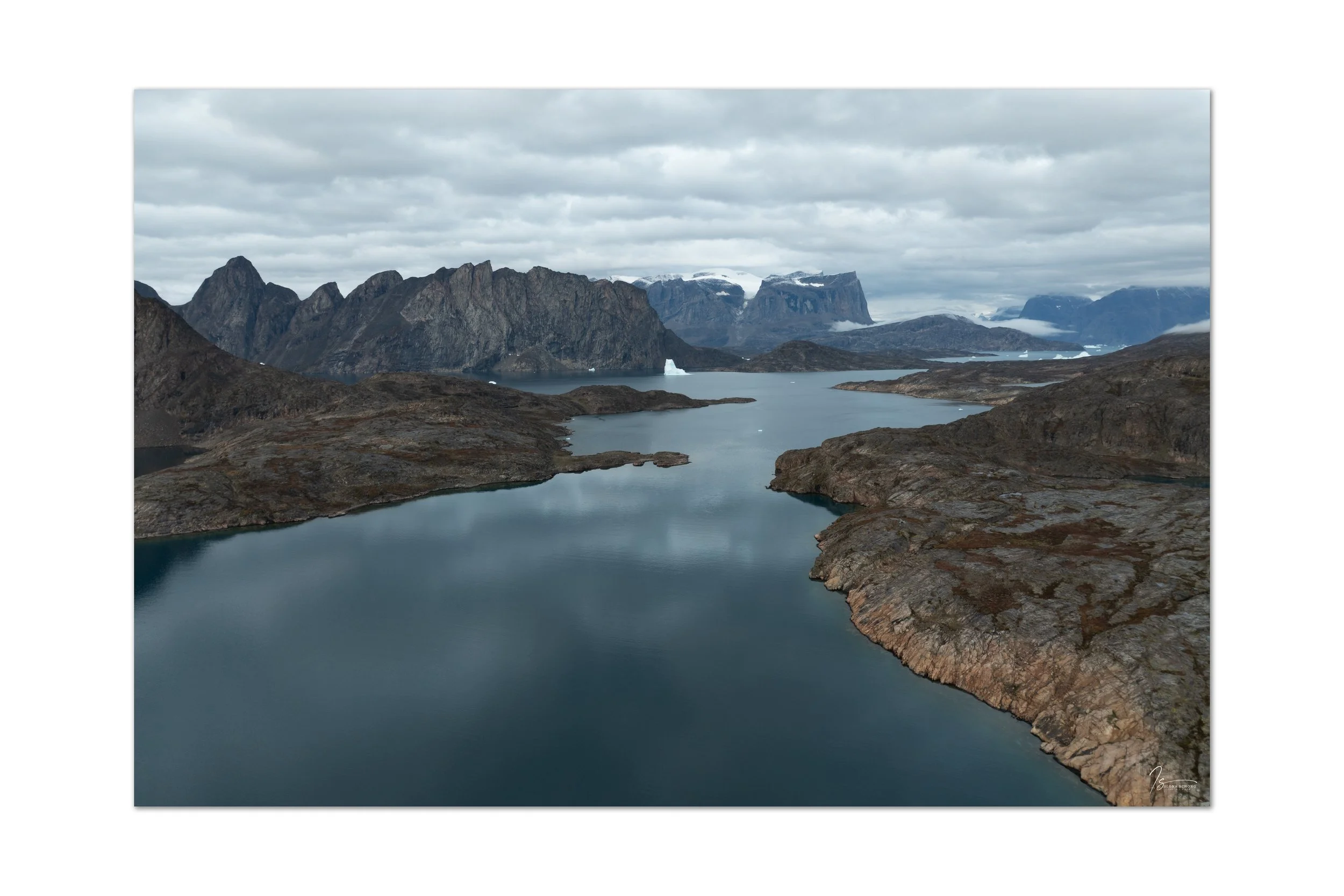
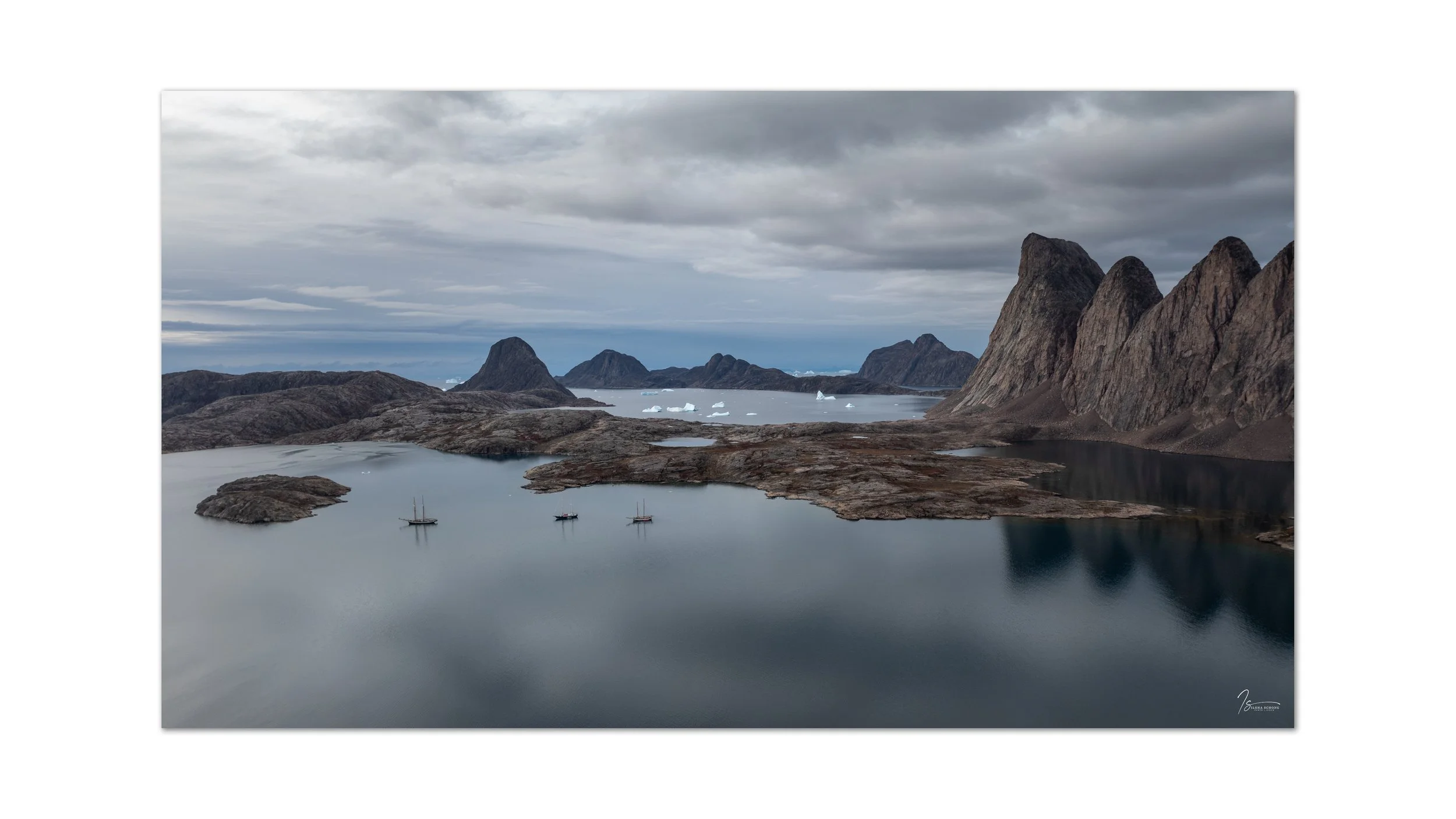
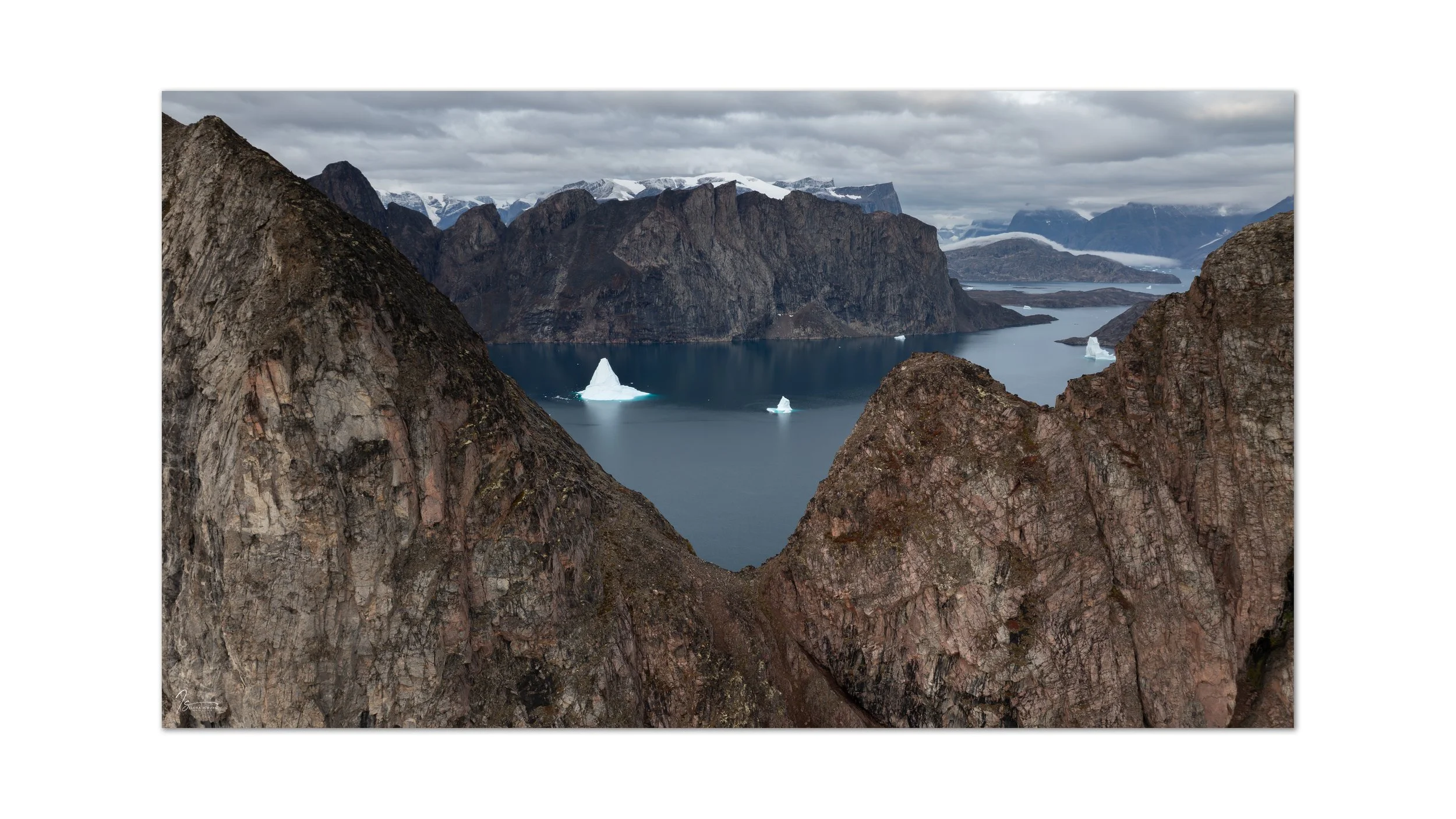
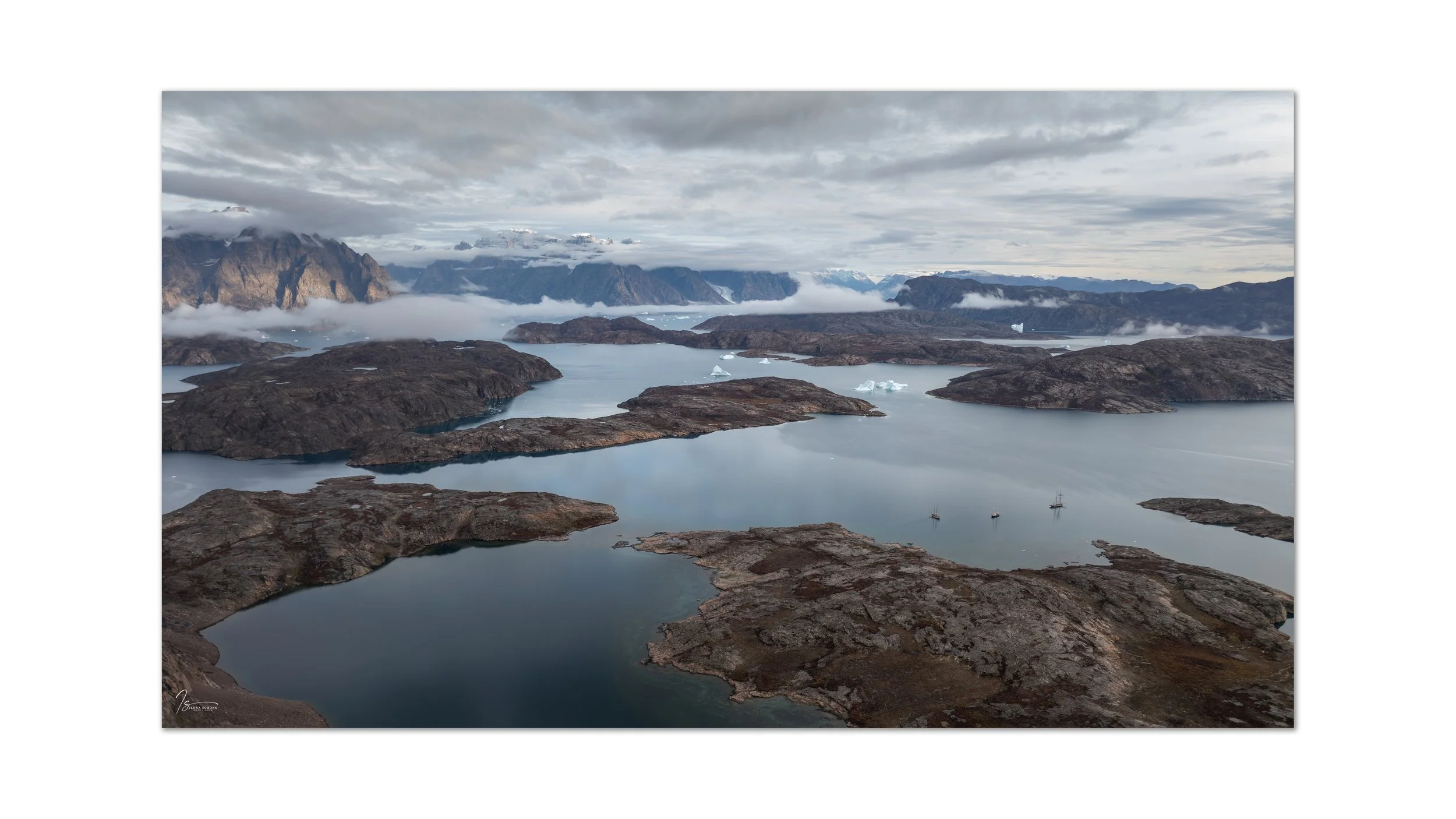
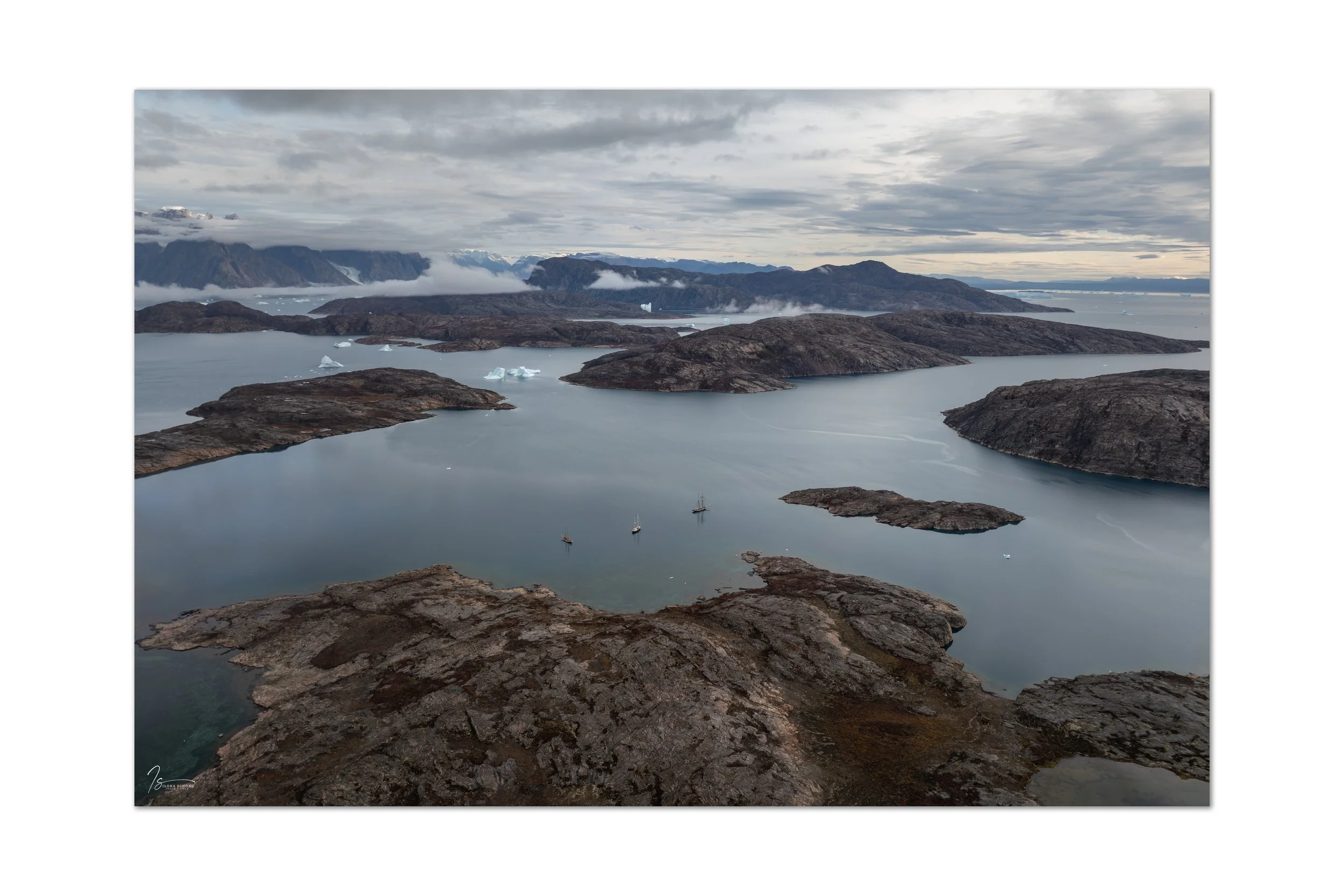
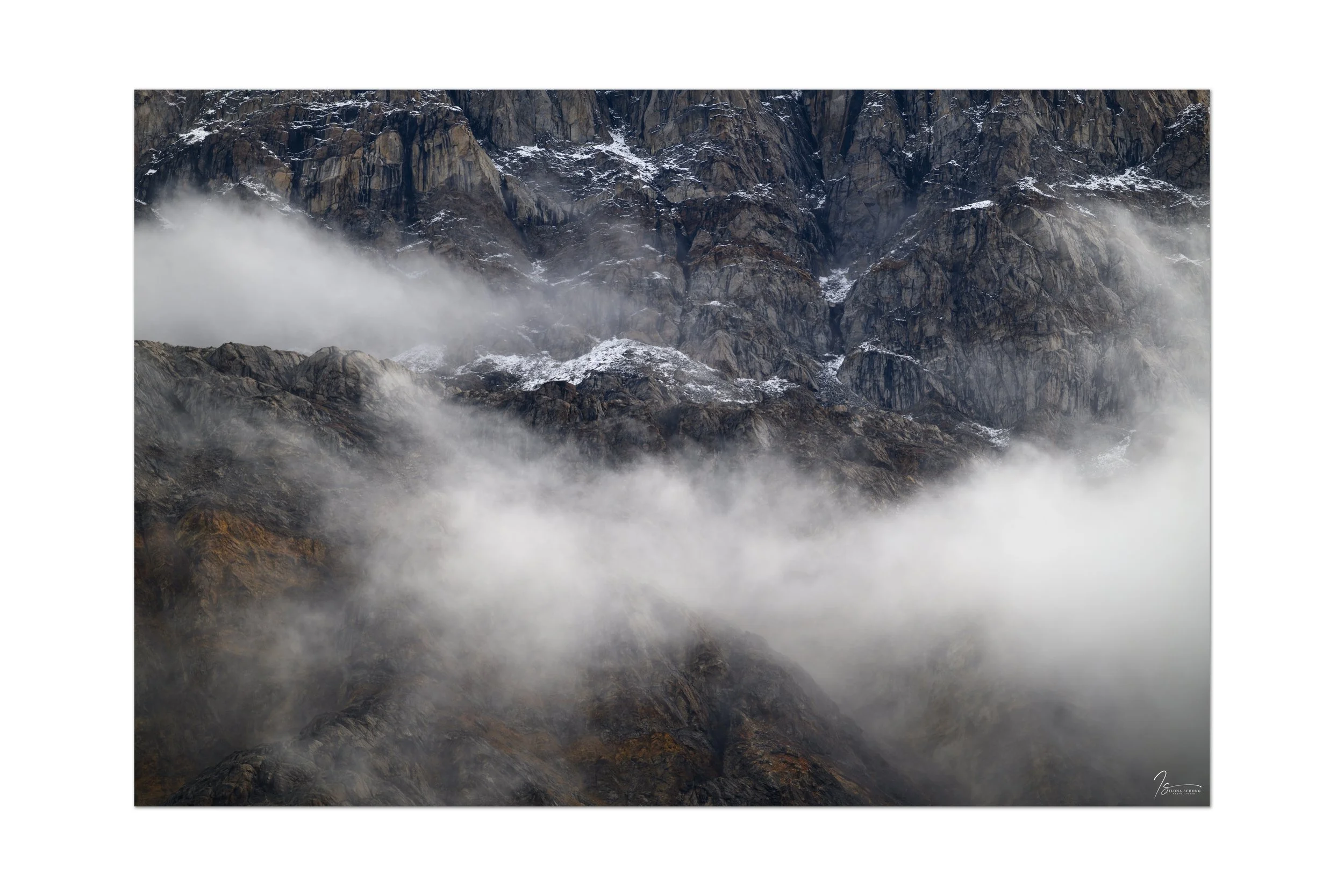
I was really looking forward to the third day. We were going to sail through the breathtakingly beautiful Øfjord, surrounded by the cliffs of Renland and Milne Land, which in some places rise as high as two kilometers. The weather was on our side, with low-hanging clouds creating beautiful patches of fog. This time, there turned out to be many more icebergs in the Øfjord than in other weeks, which offered some great opportunities.
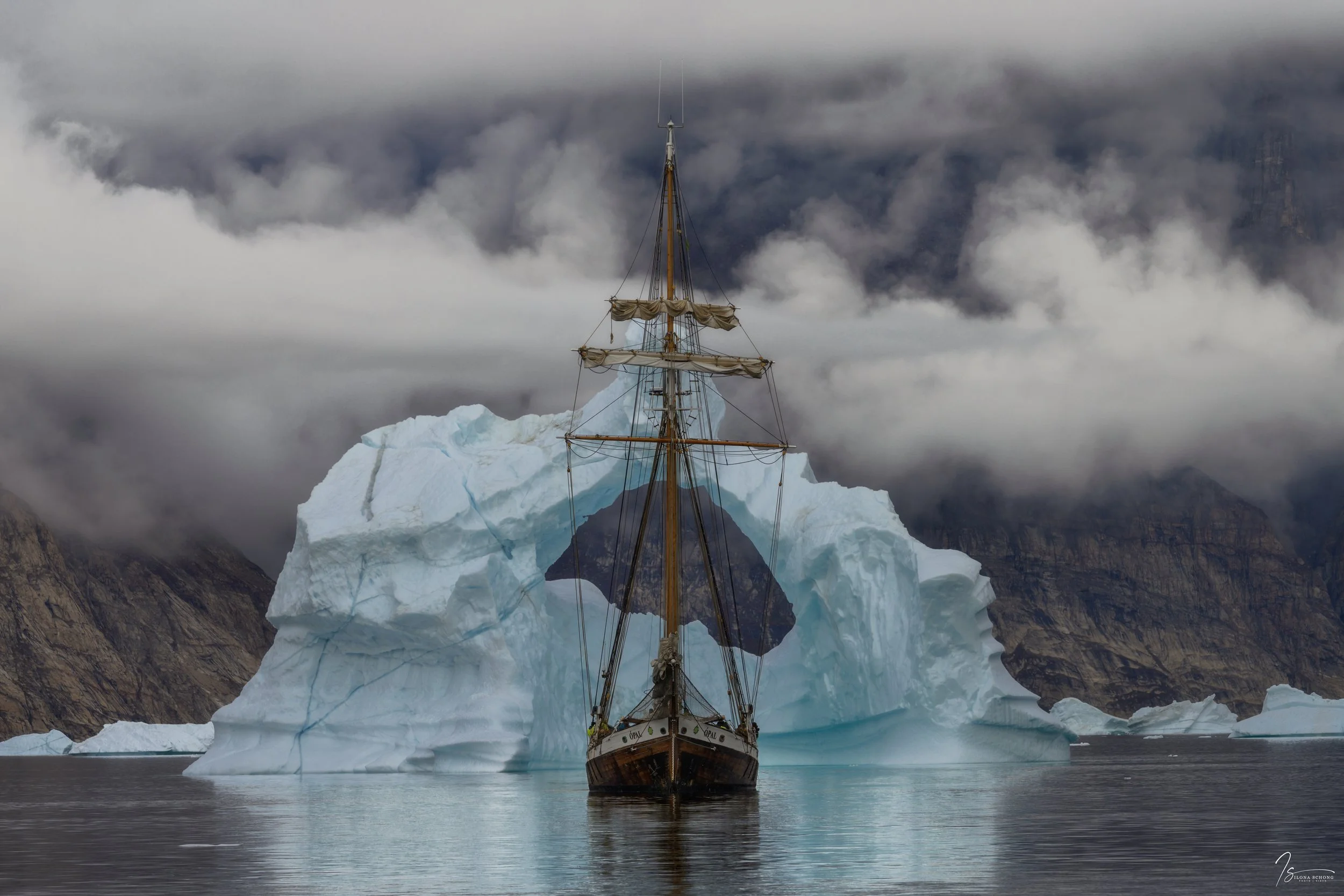
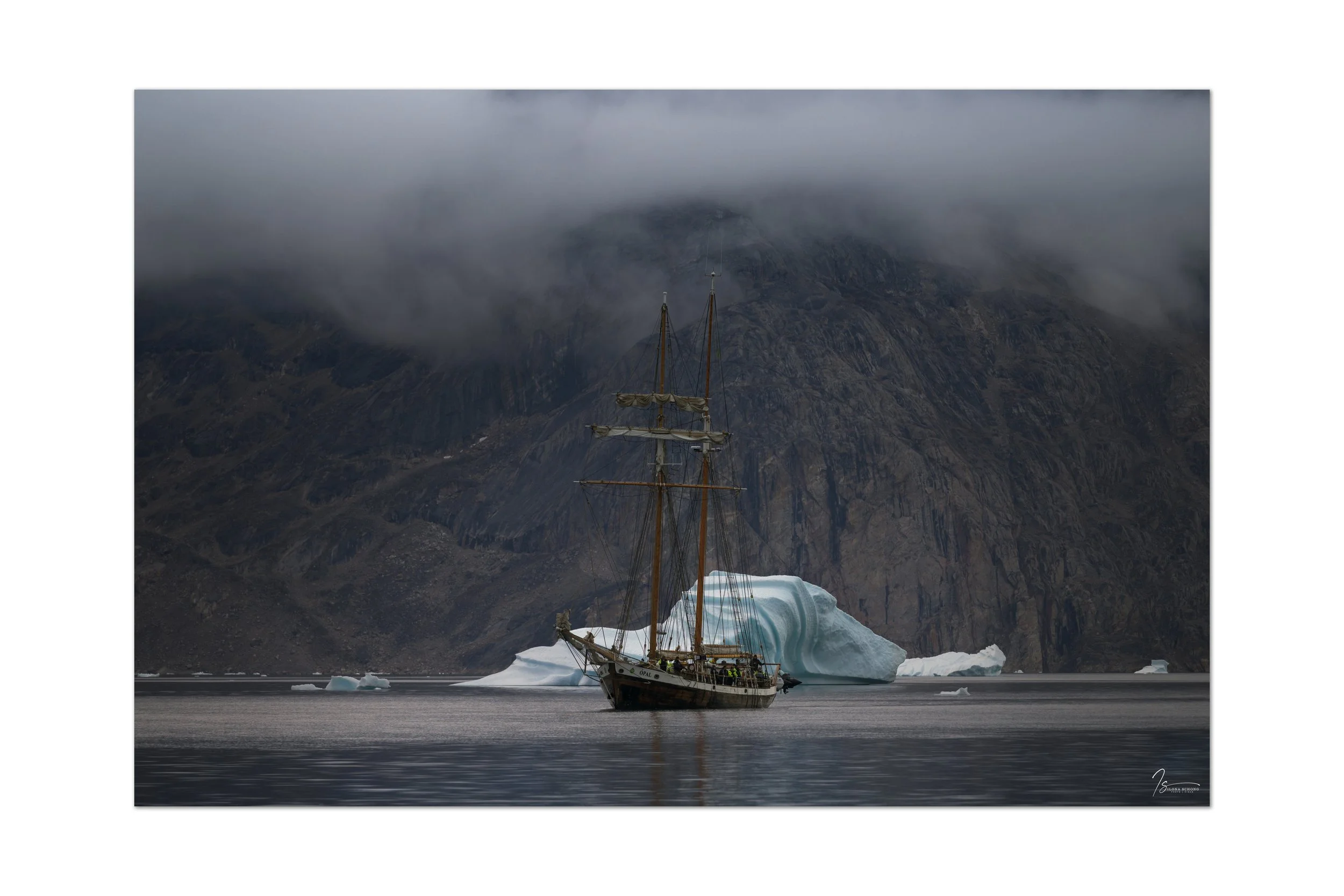
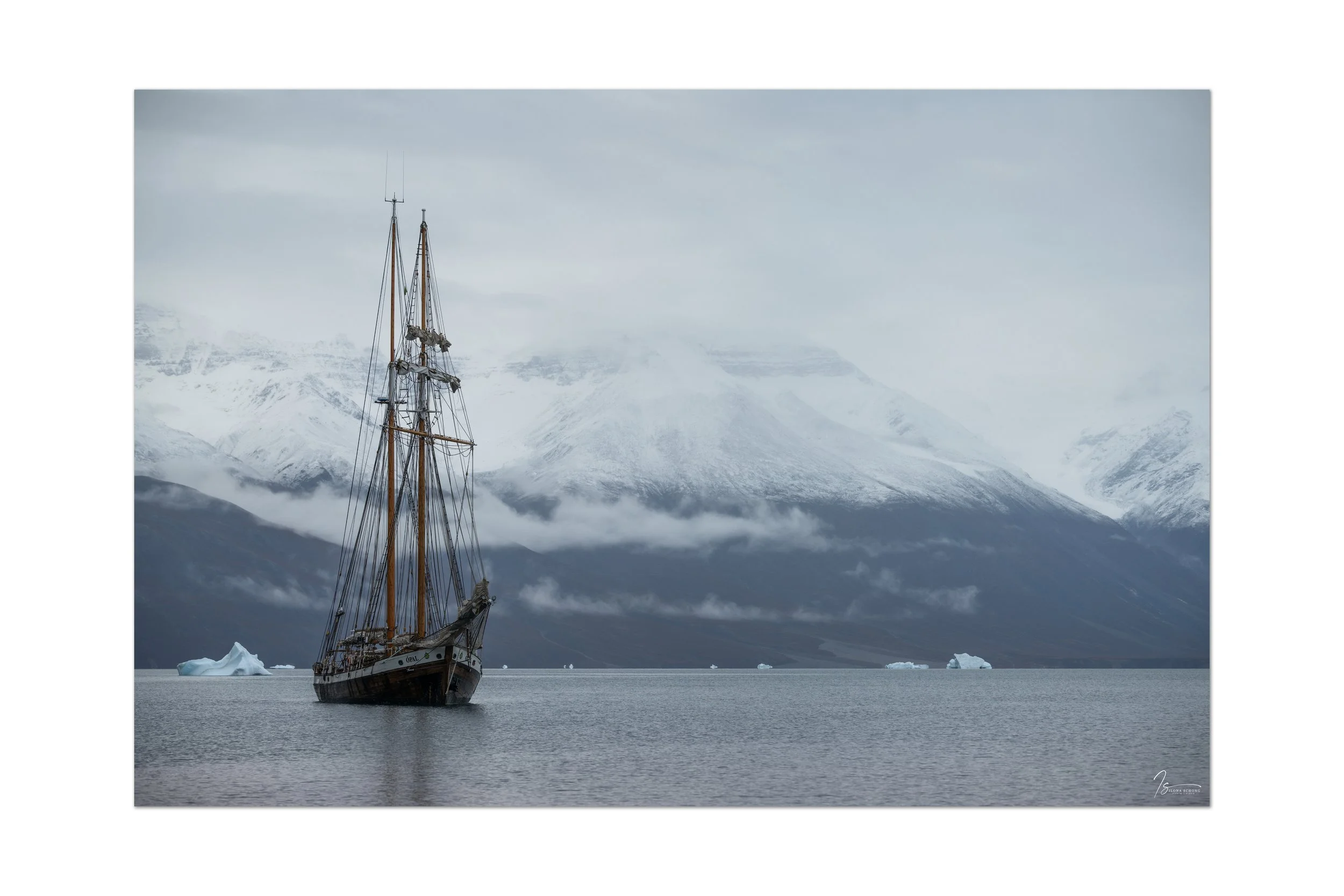
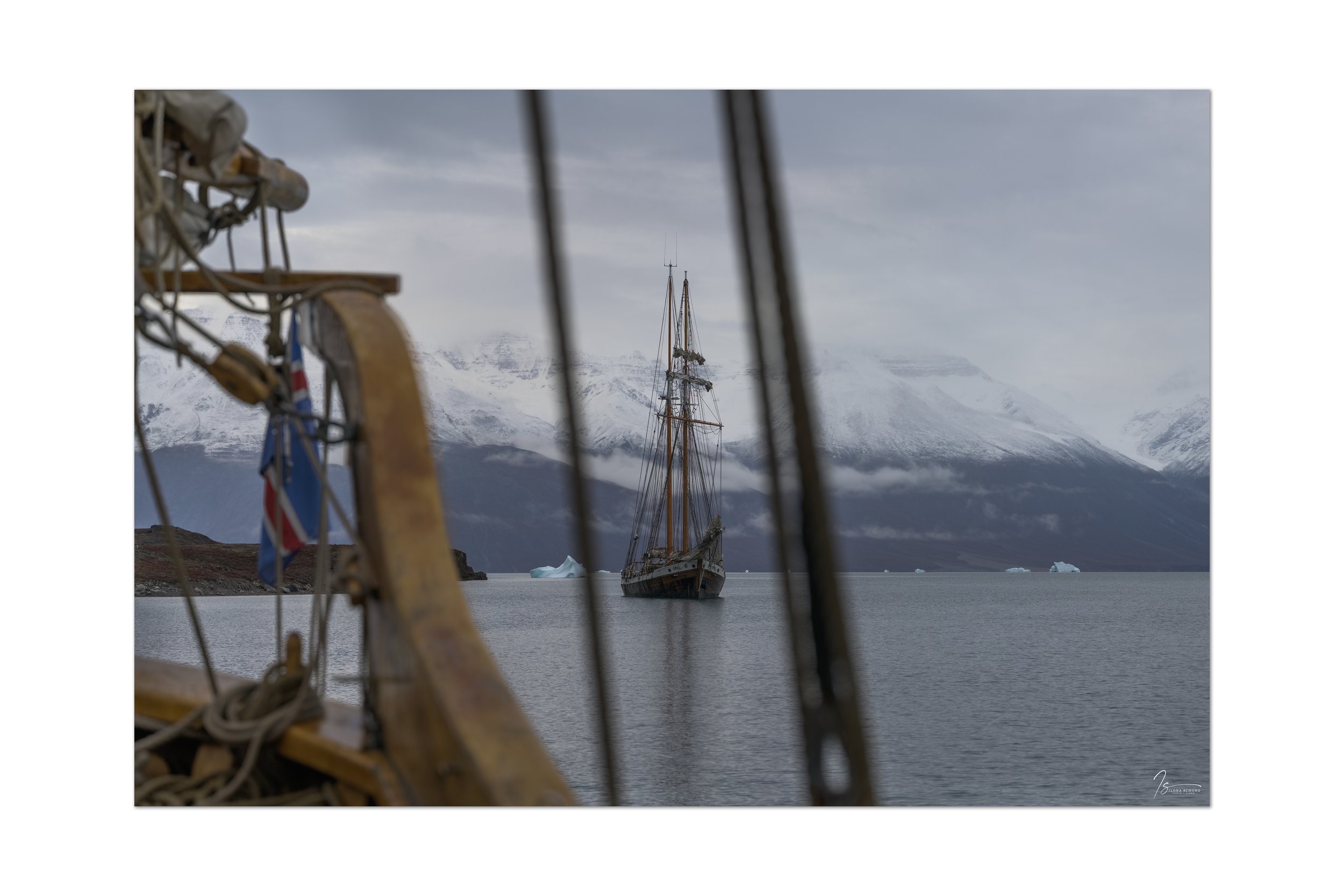
For me personally, this was the best part of the trip, especially since we traveled much of the route alongside the schooner Ópal, which made for a great photo opportunity. We stopped at a few beautiful icebergs and glaciers.
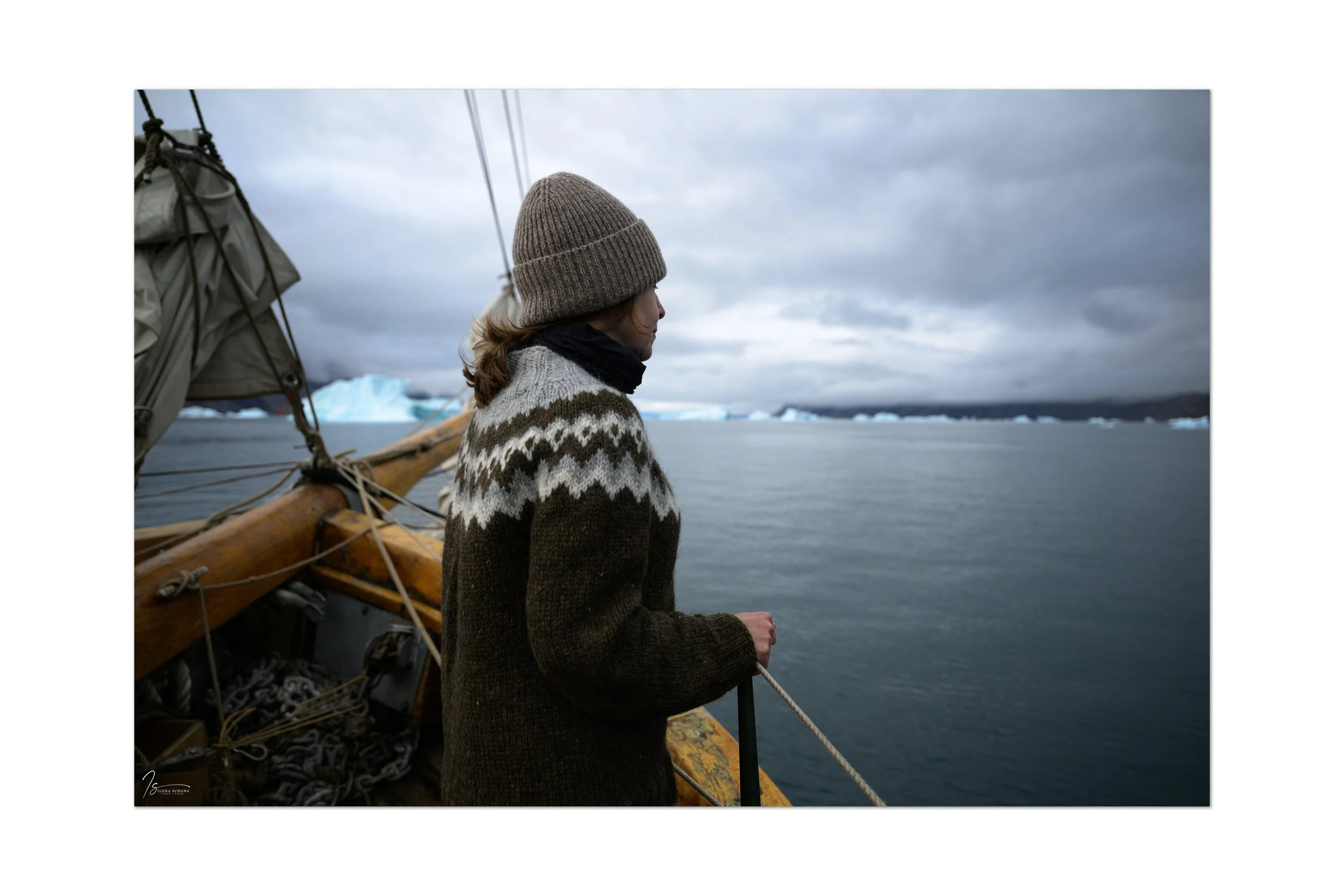
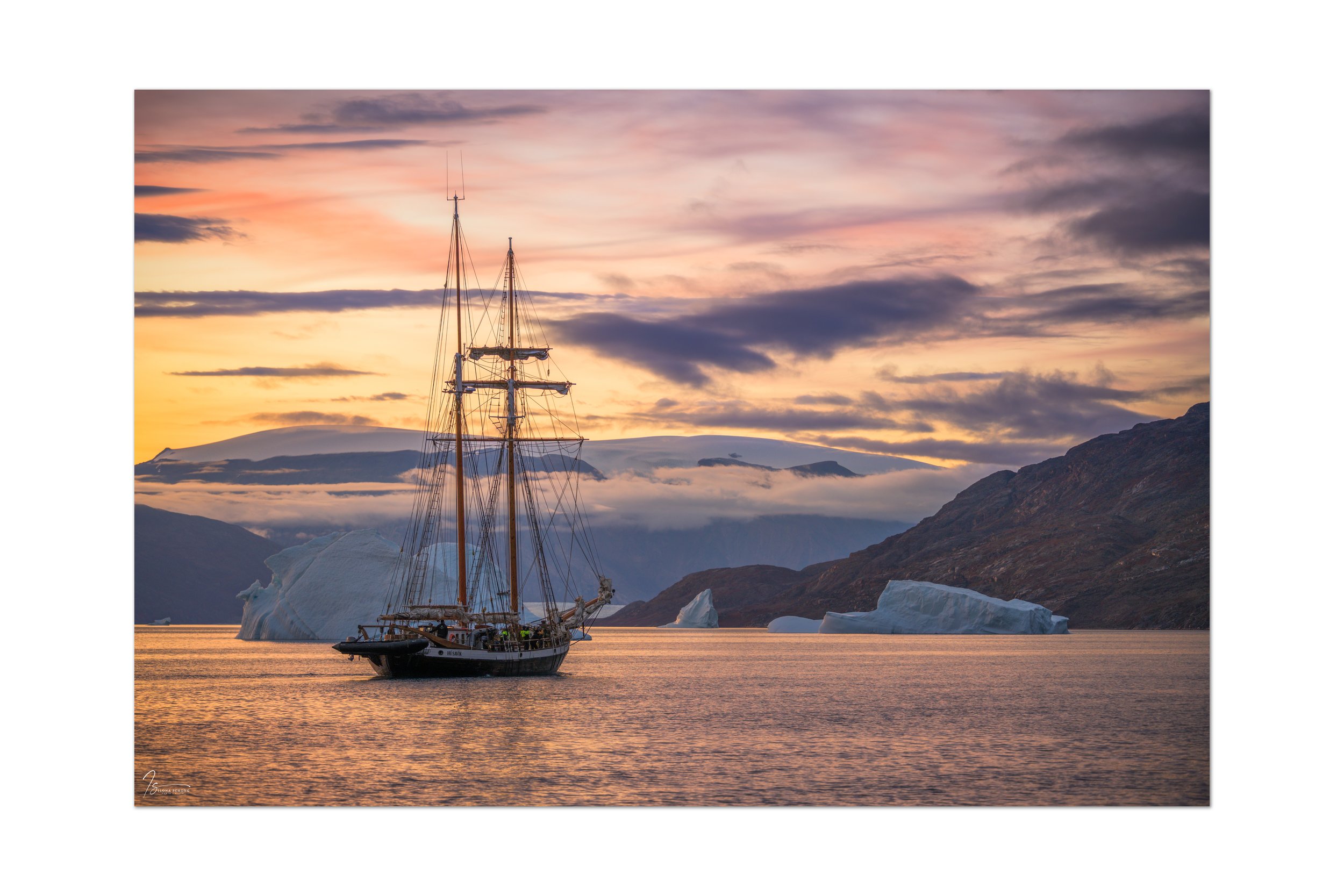
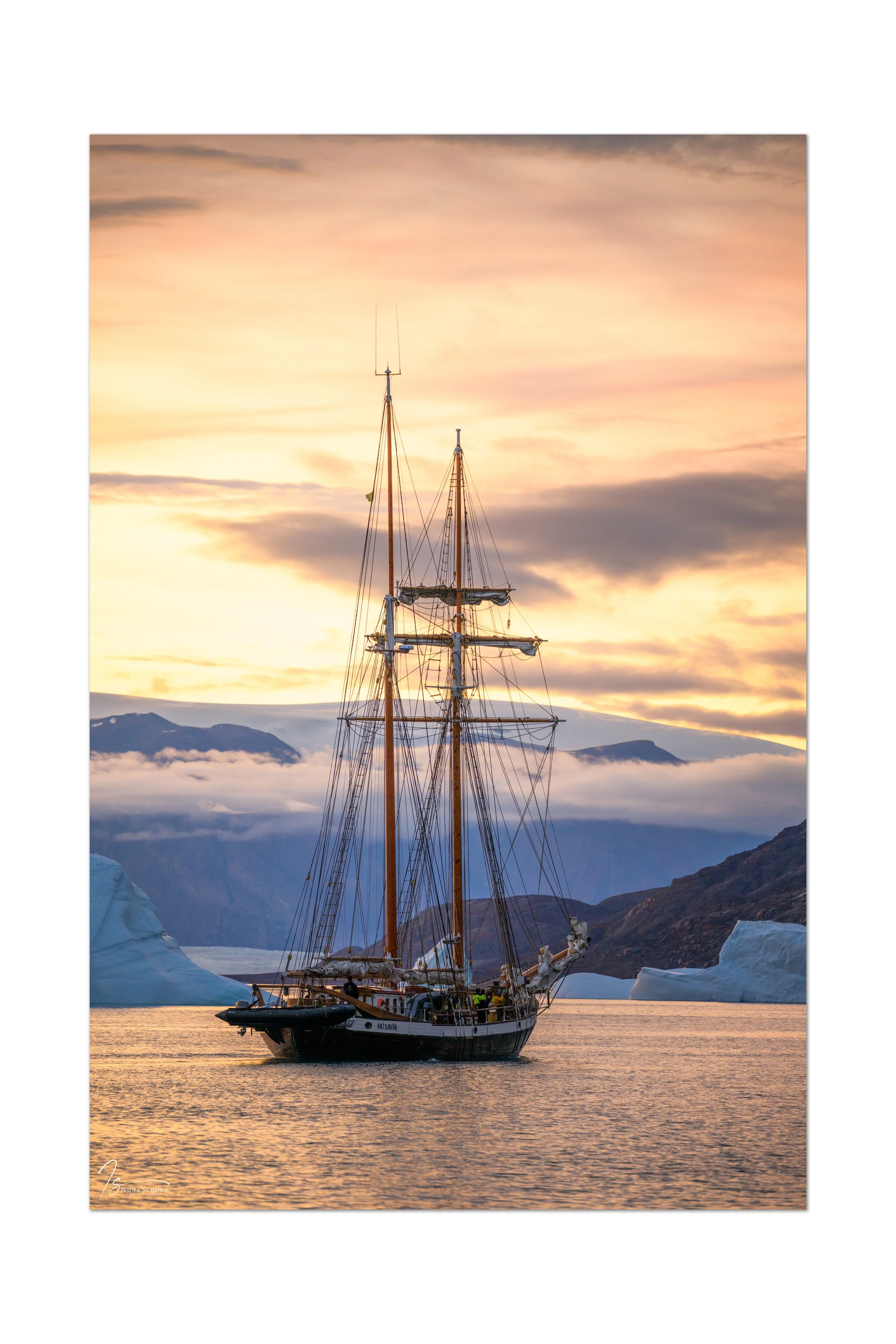
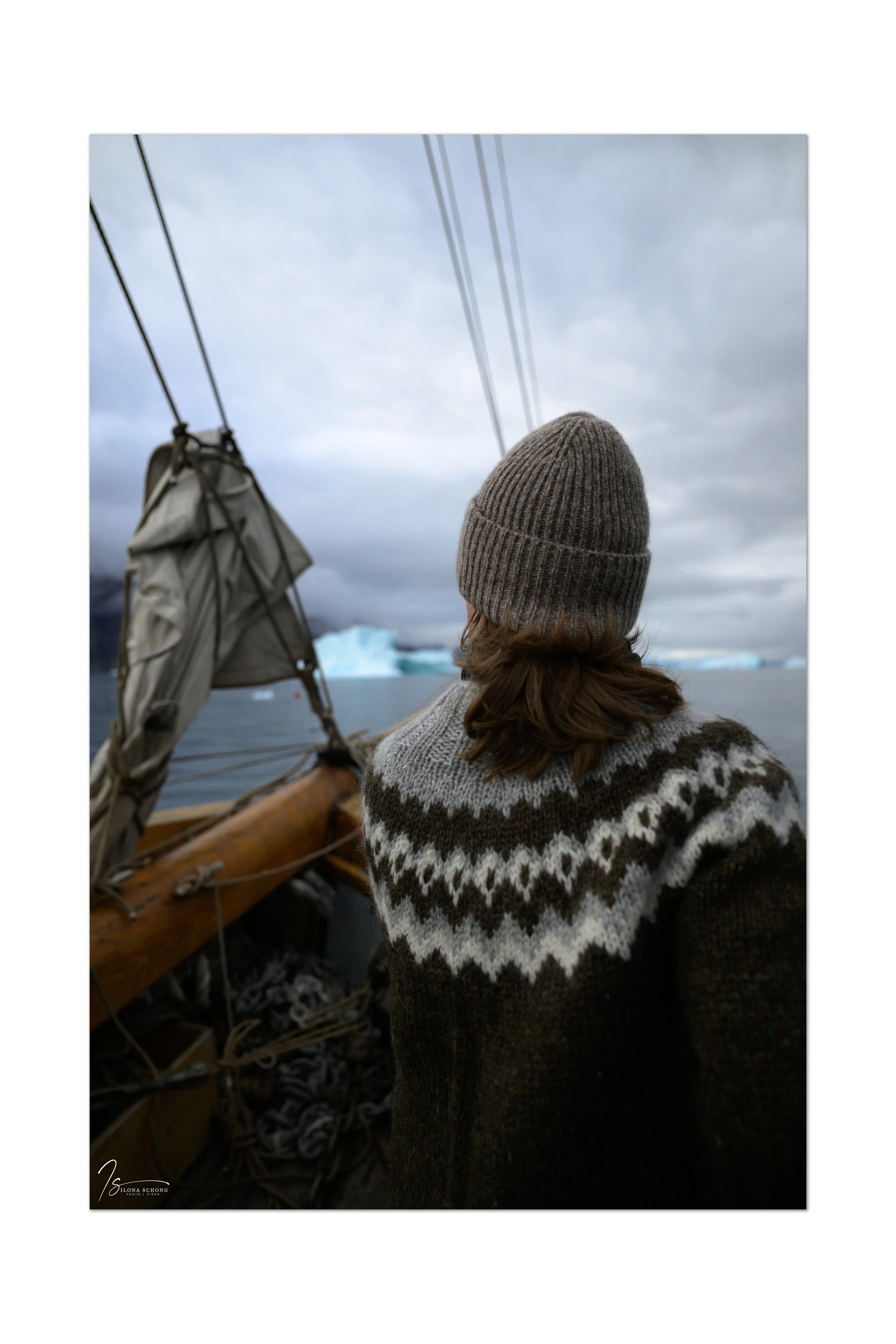
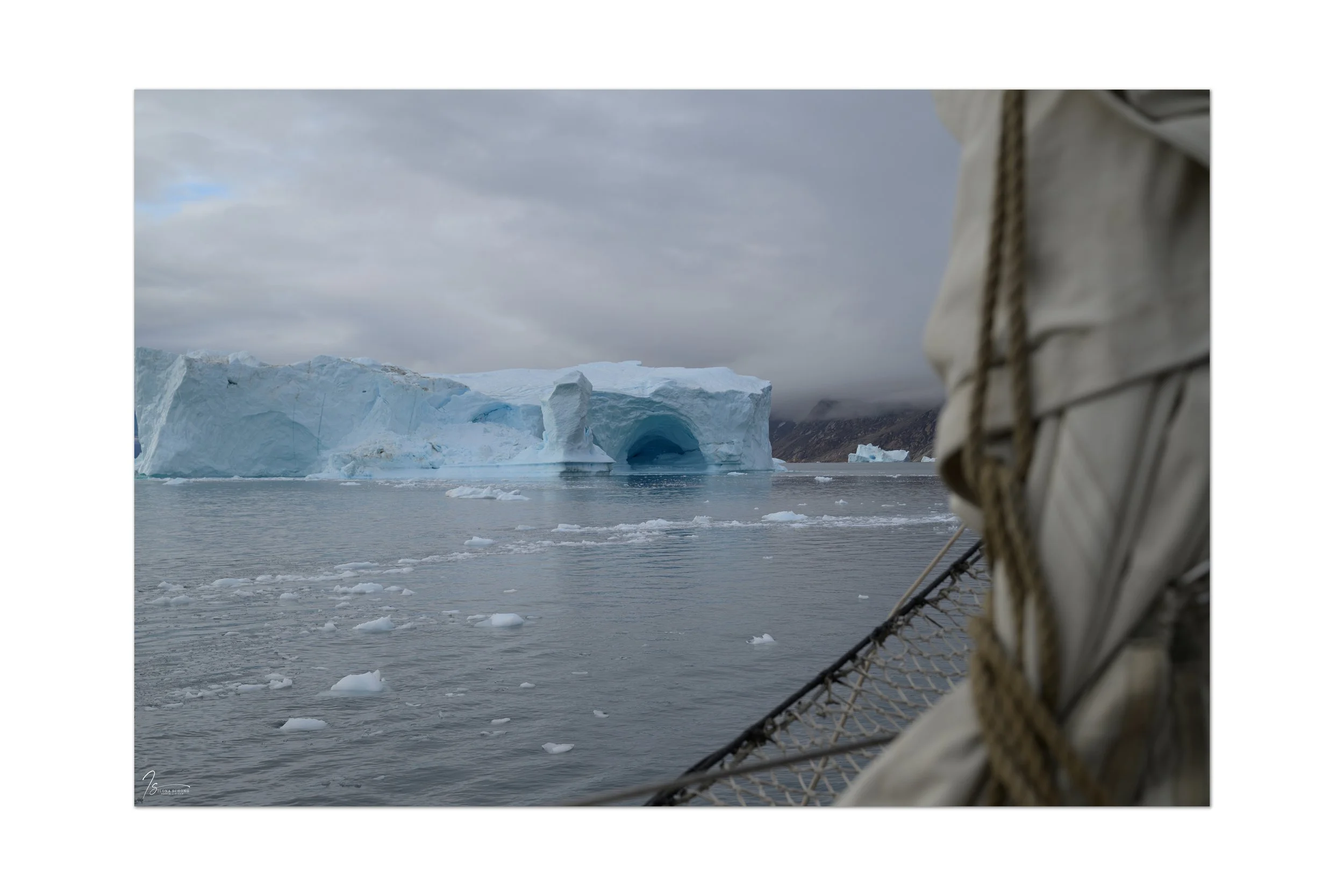
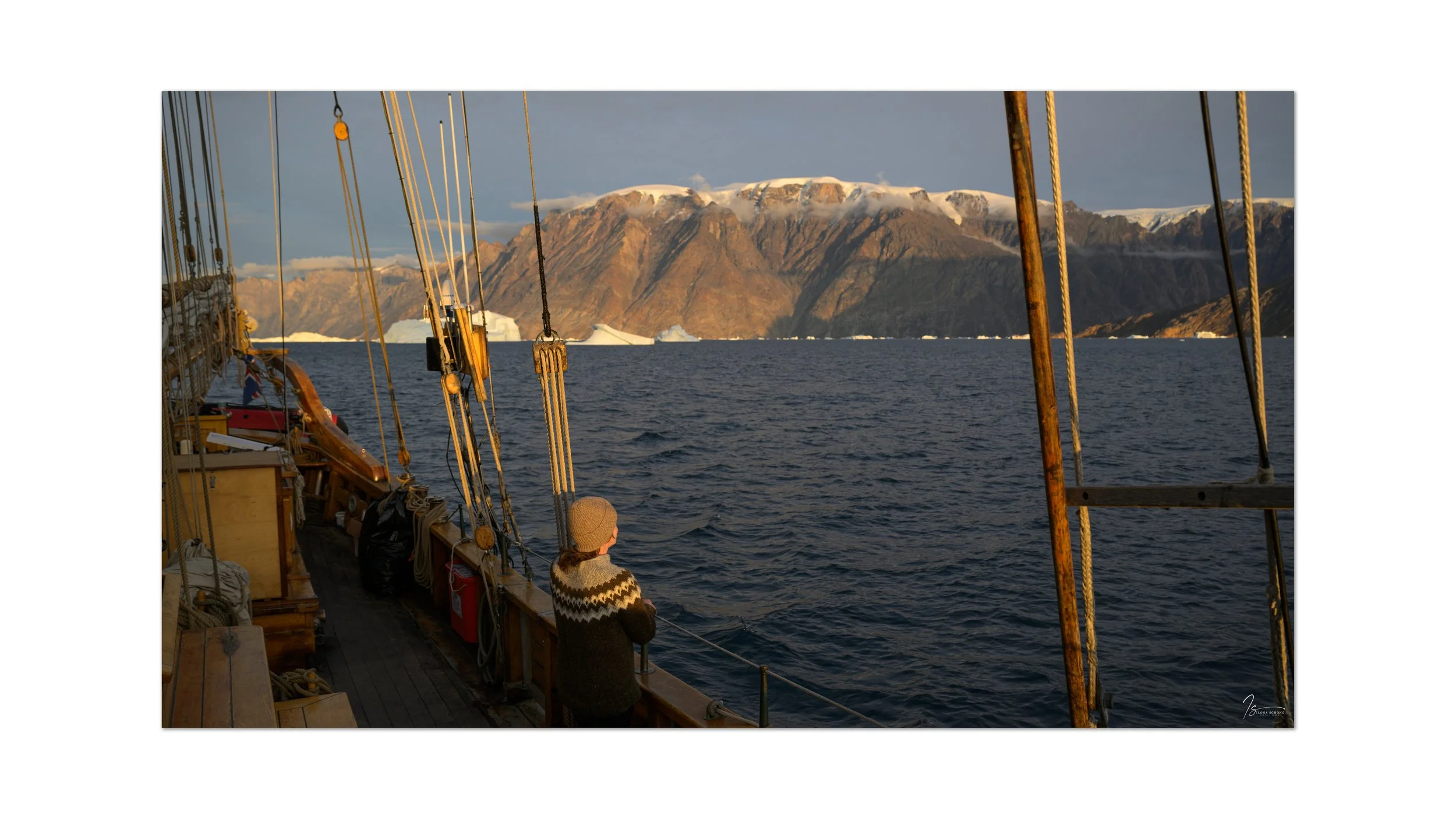
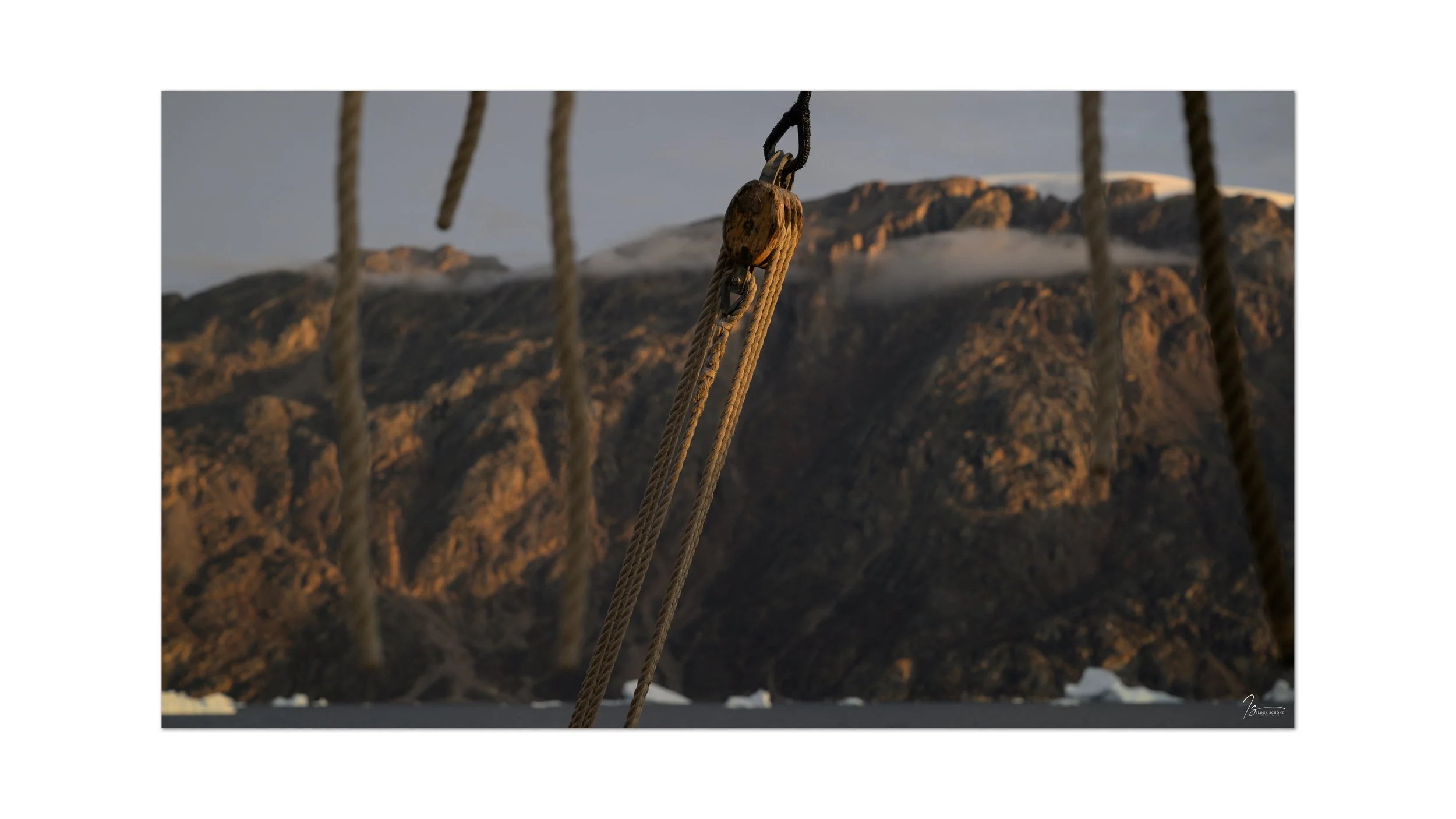
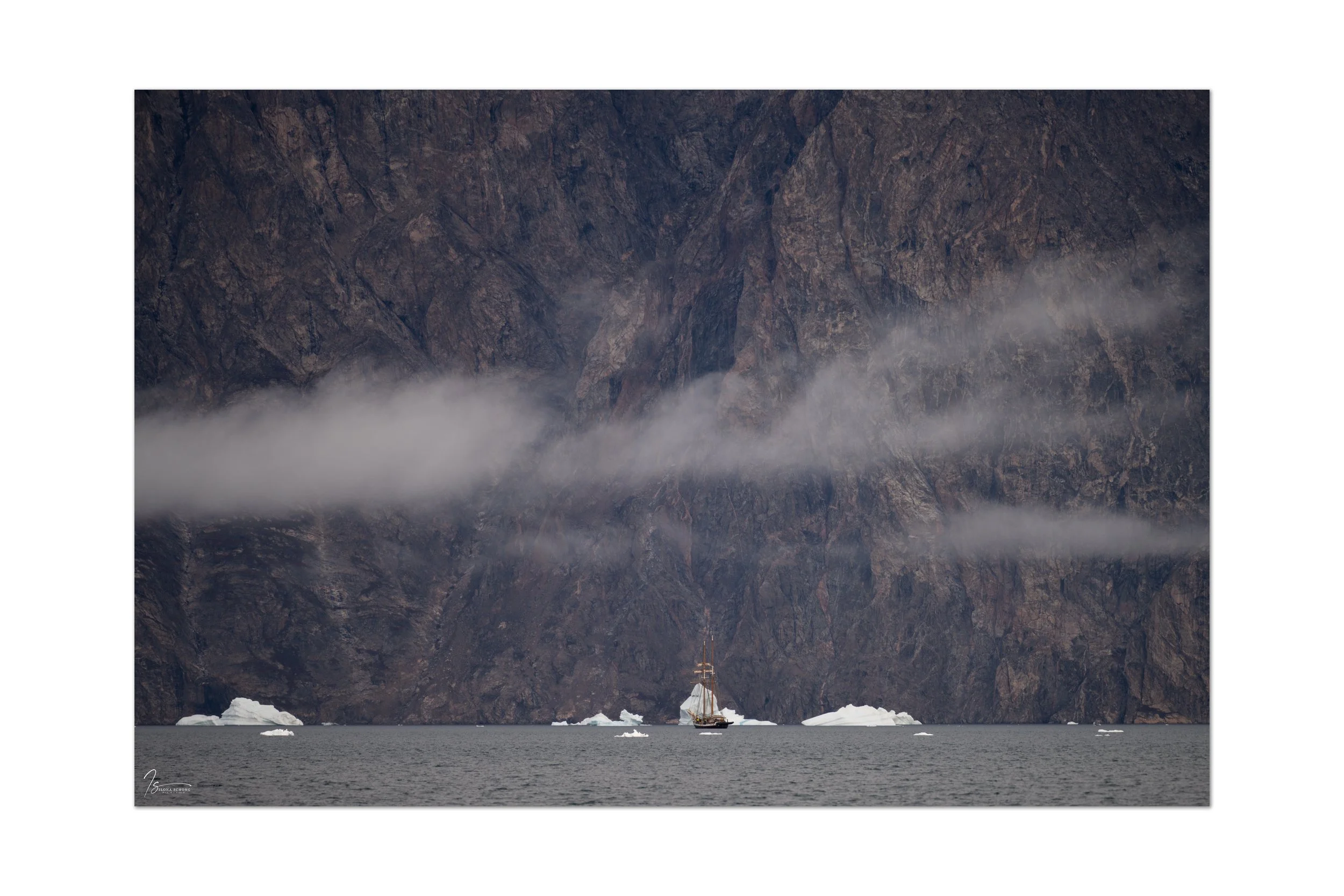
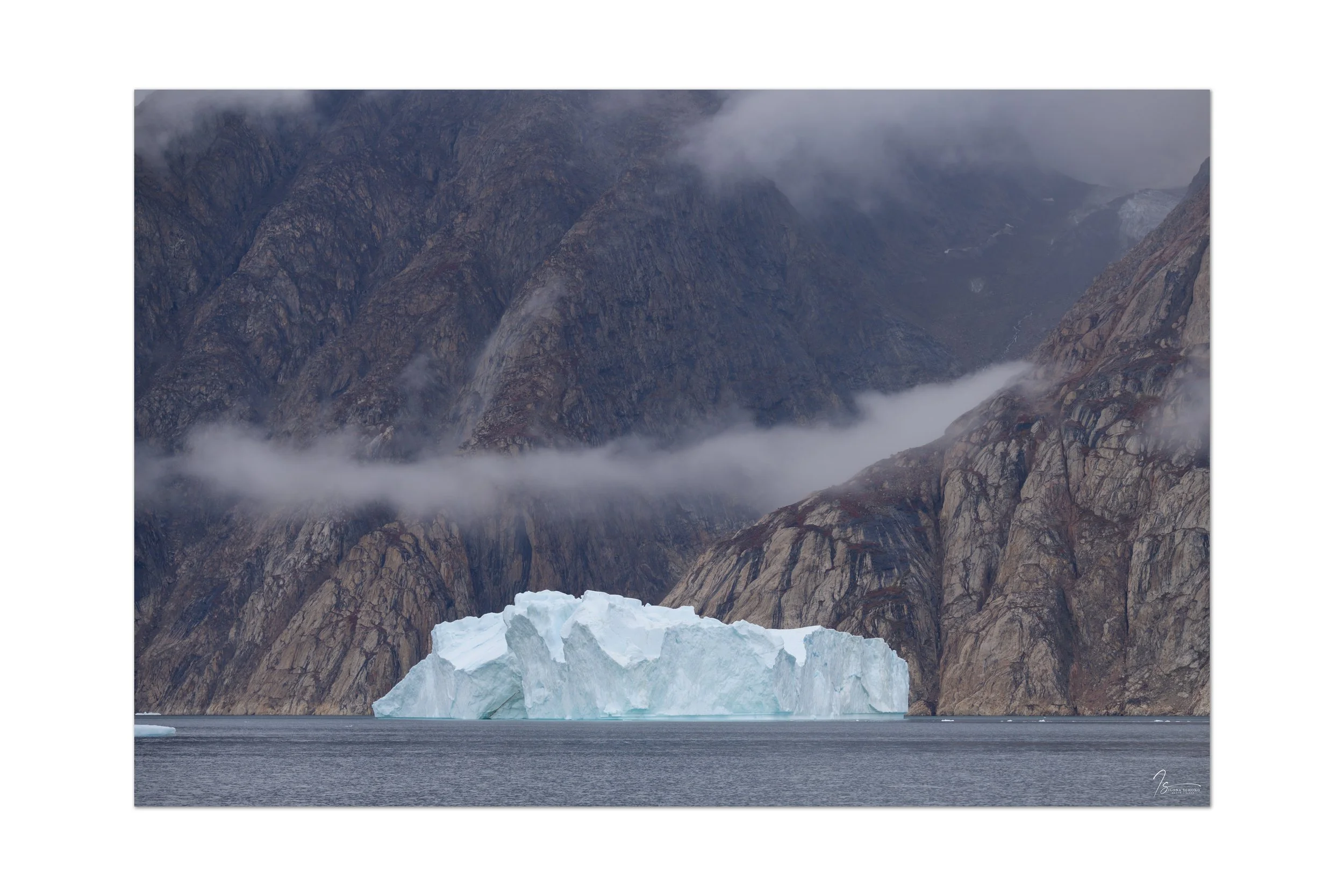
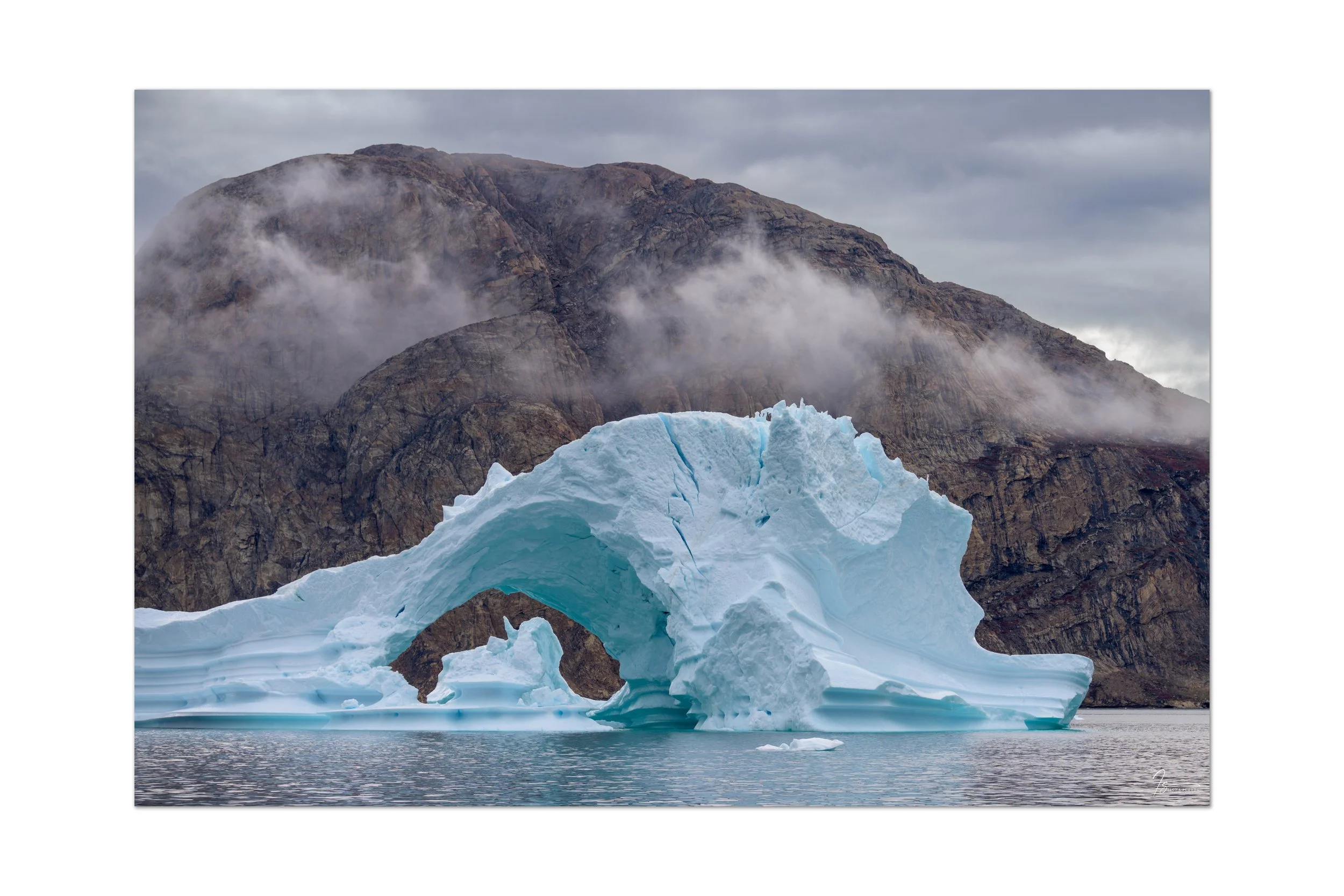
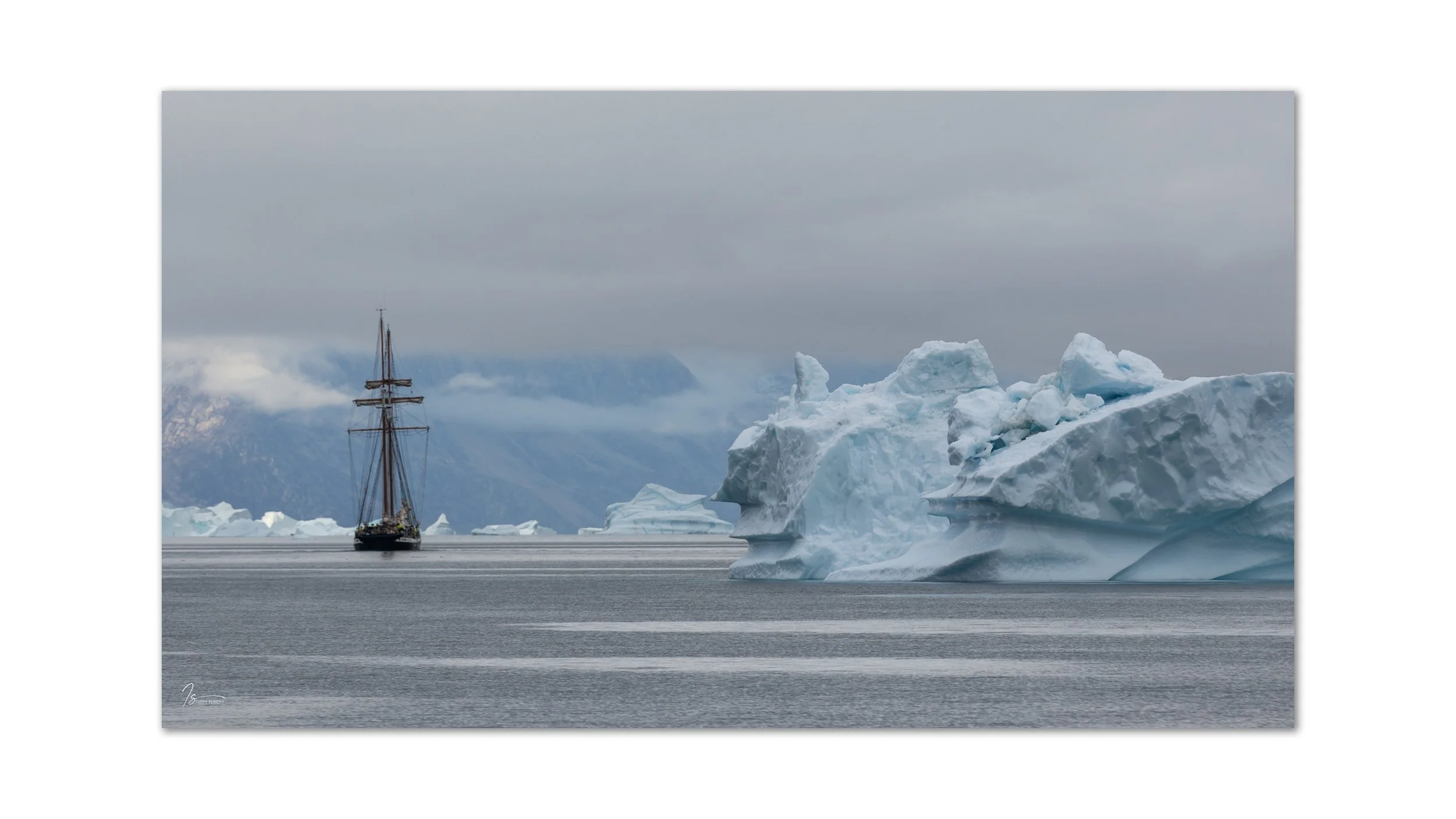
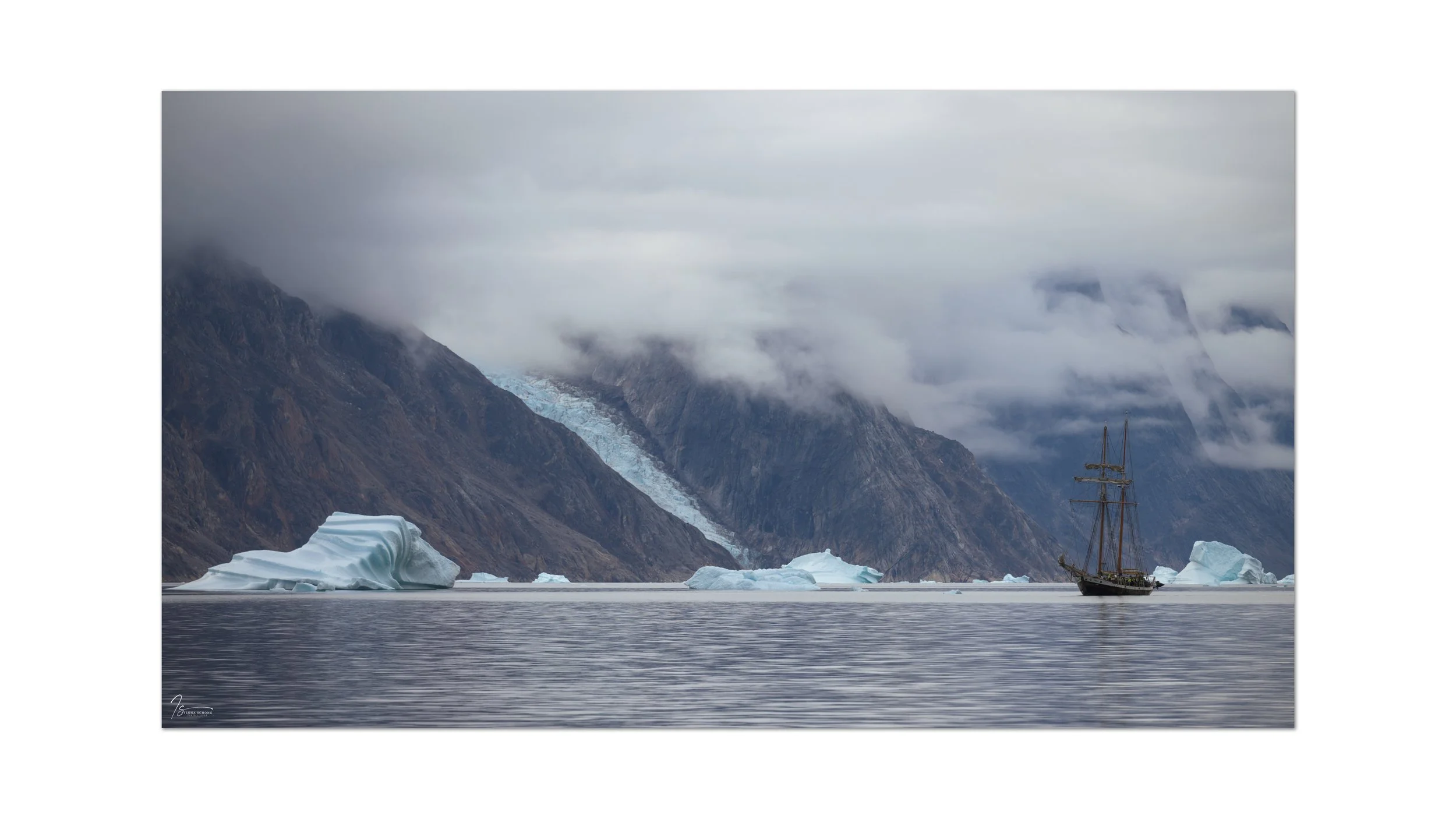
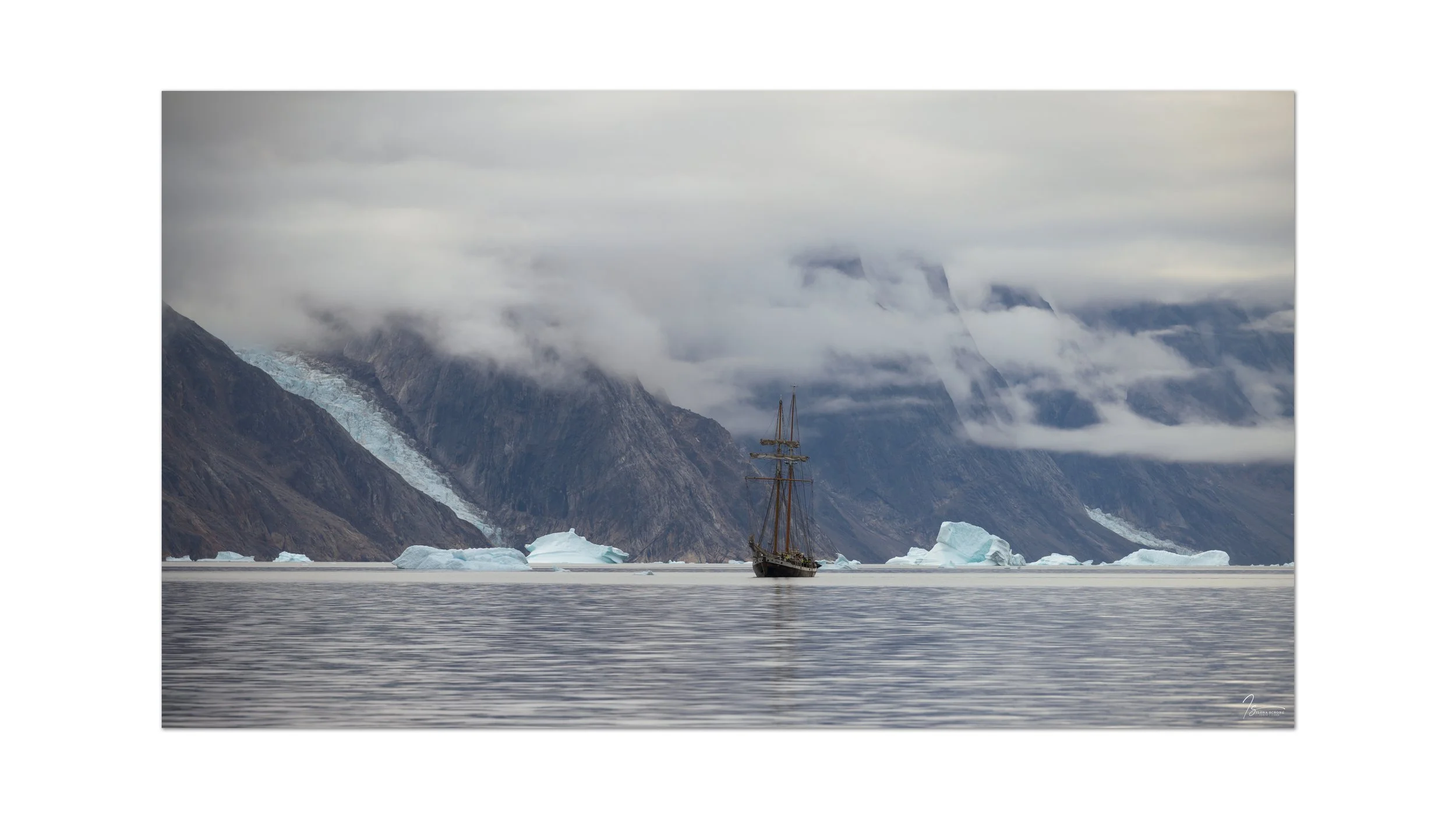
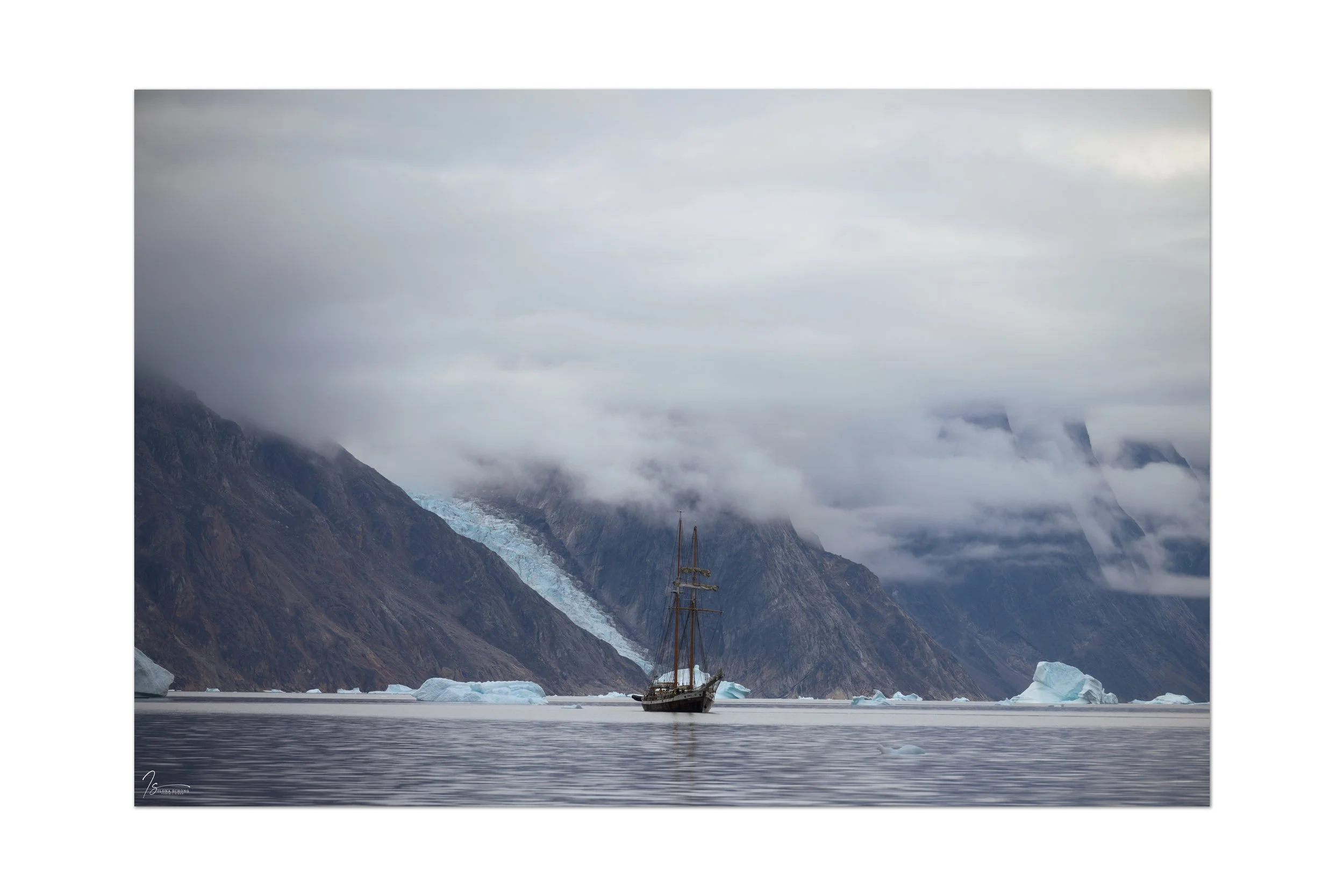
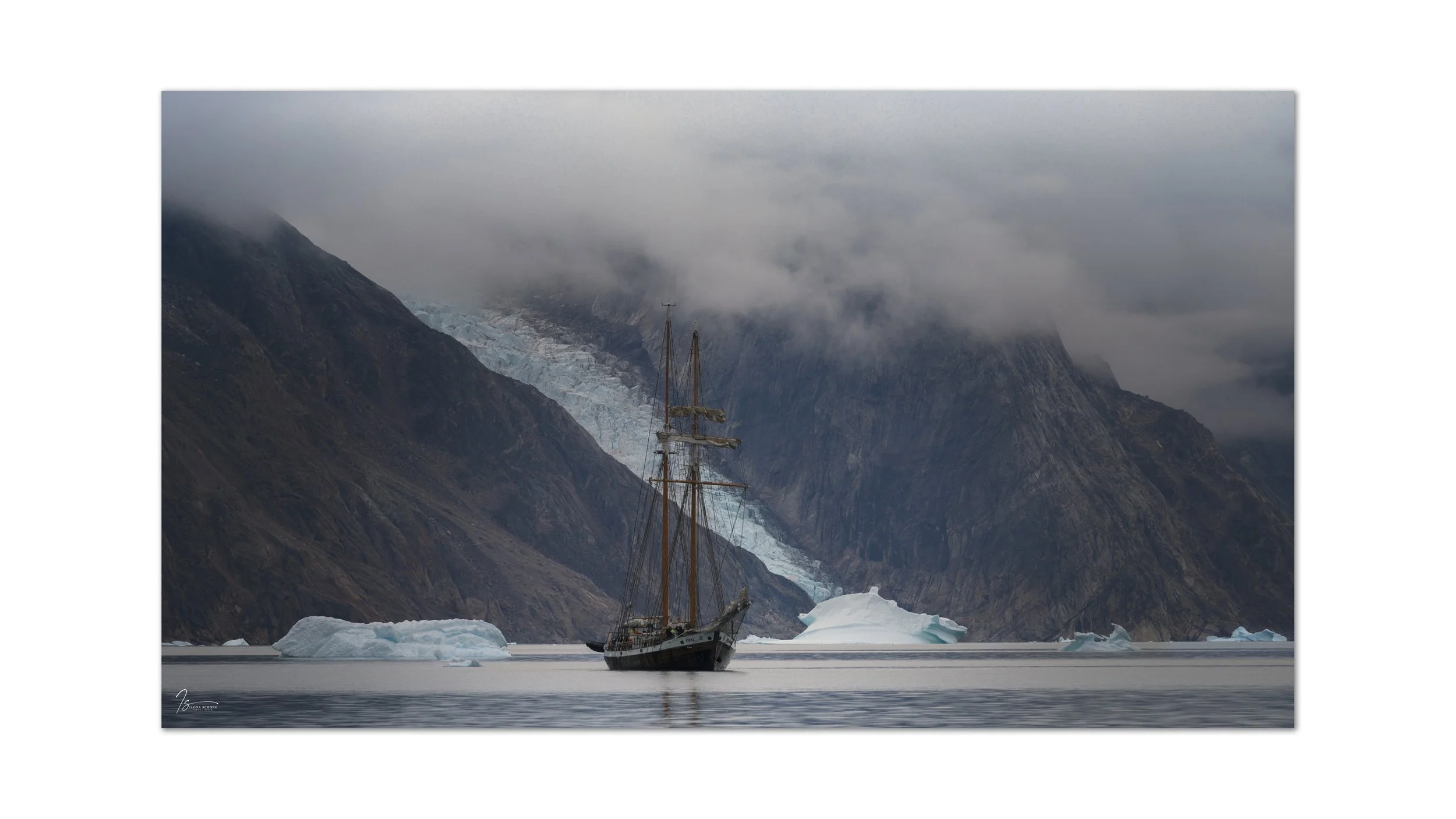
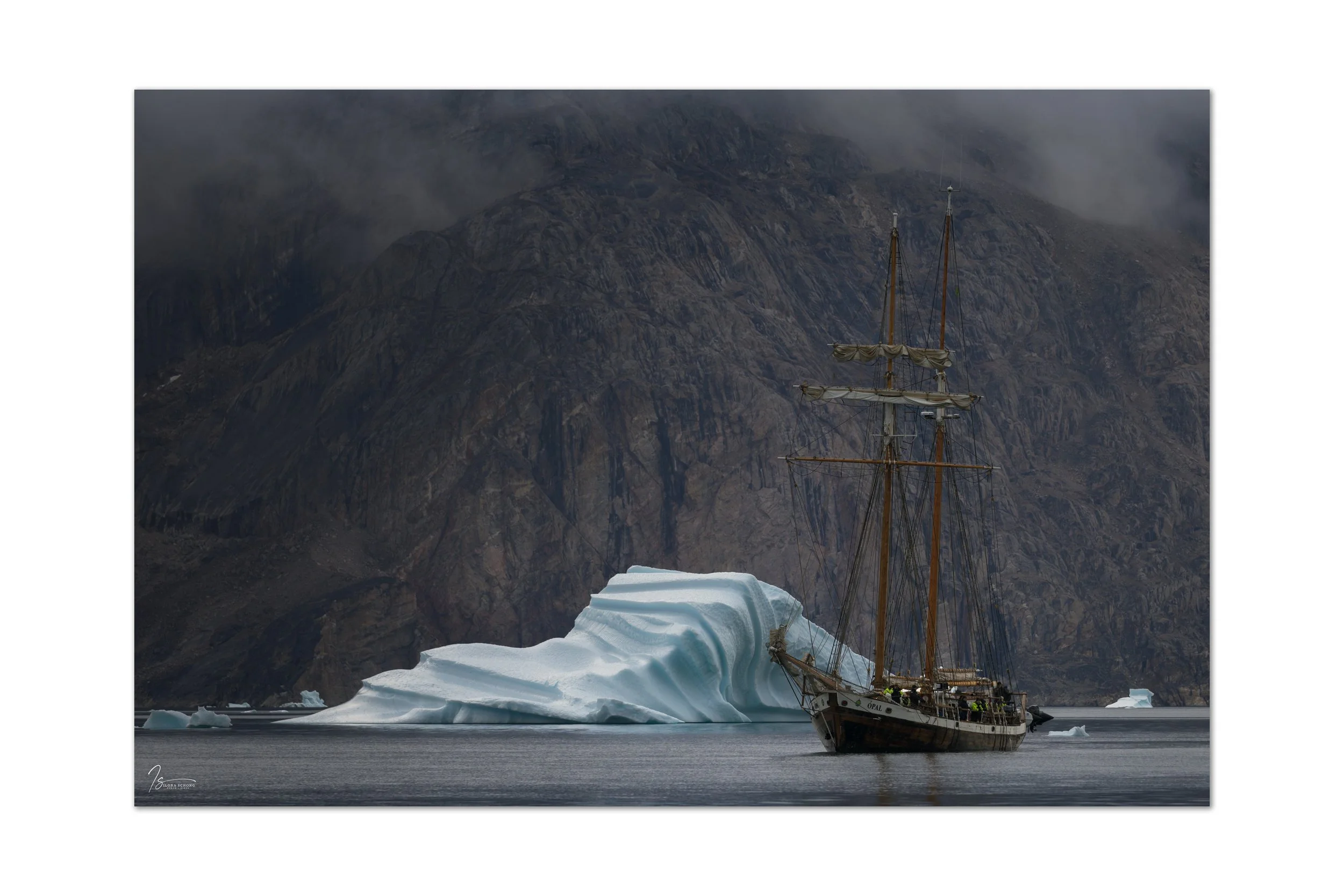
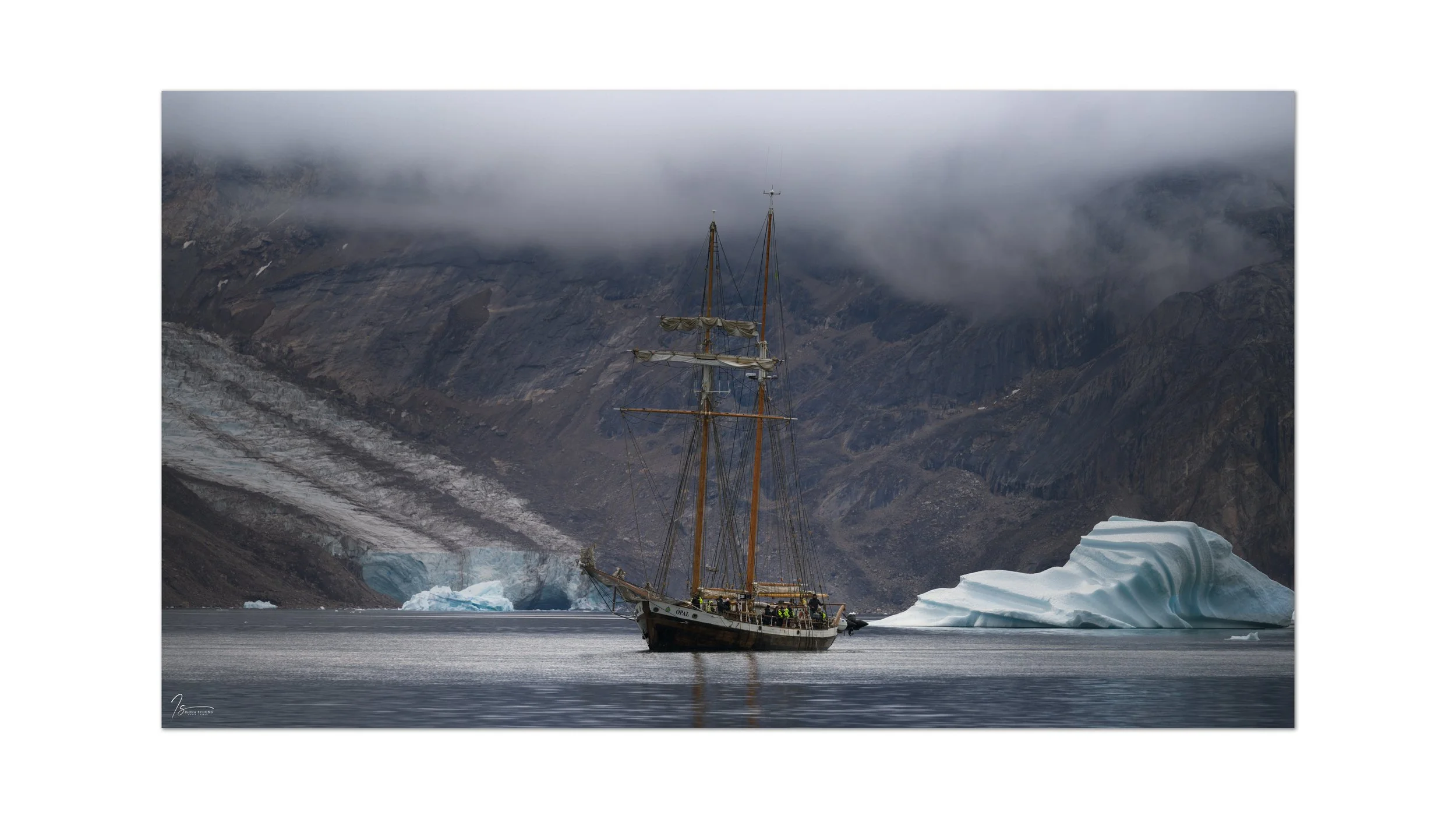
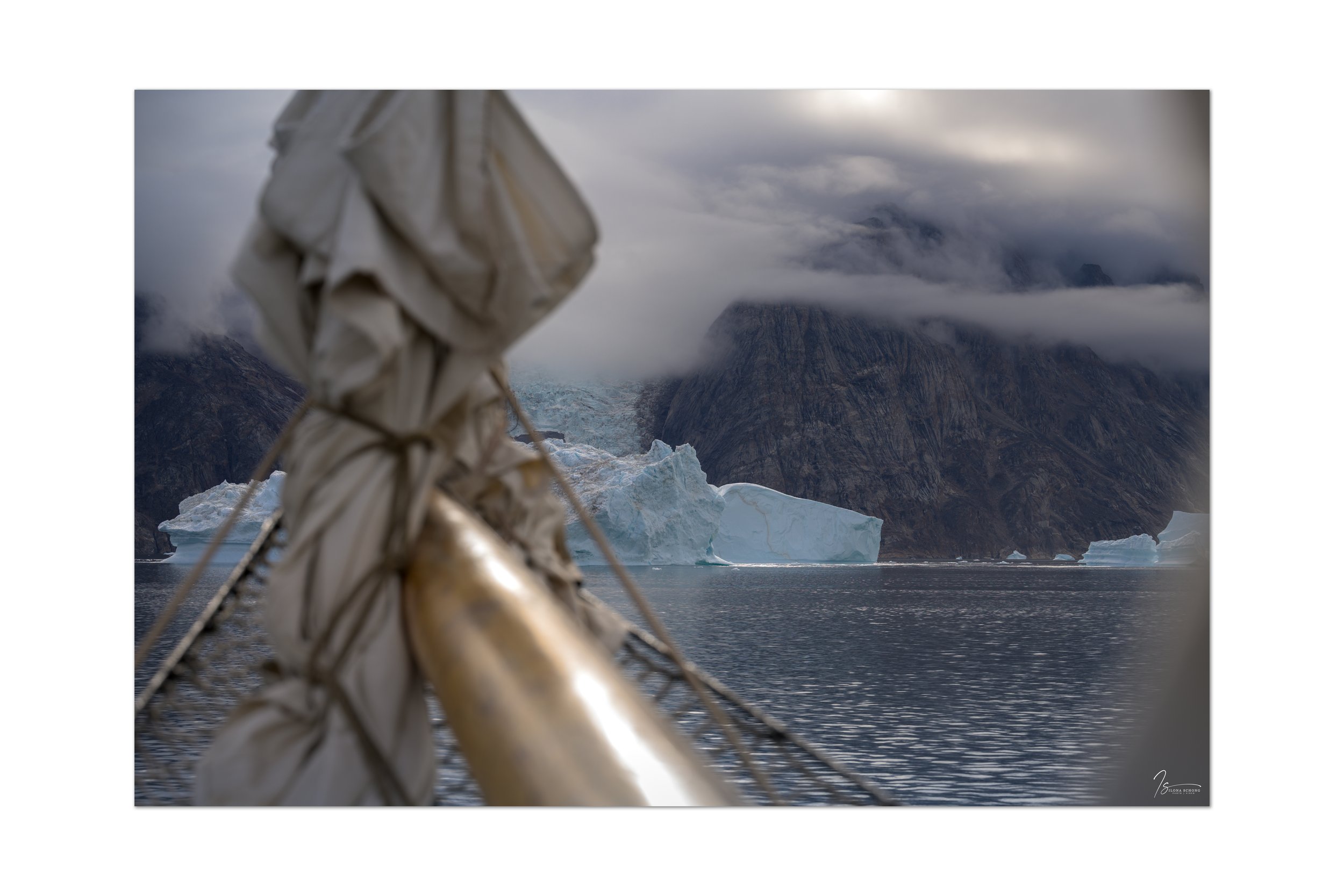
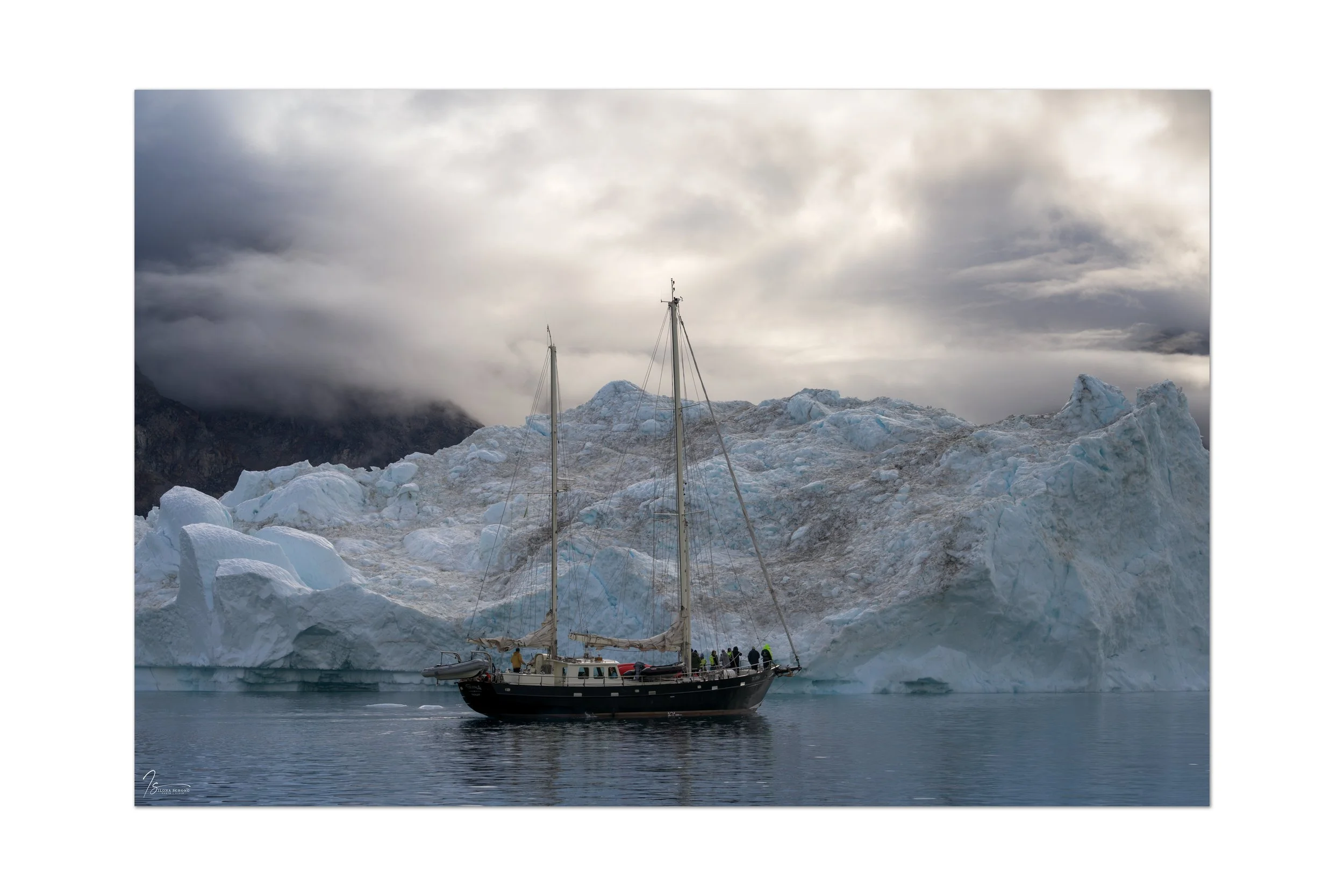
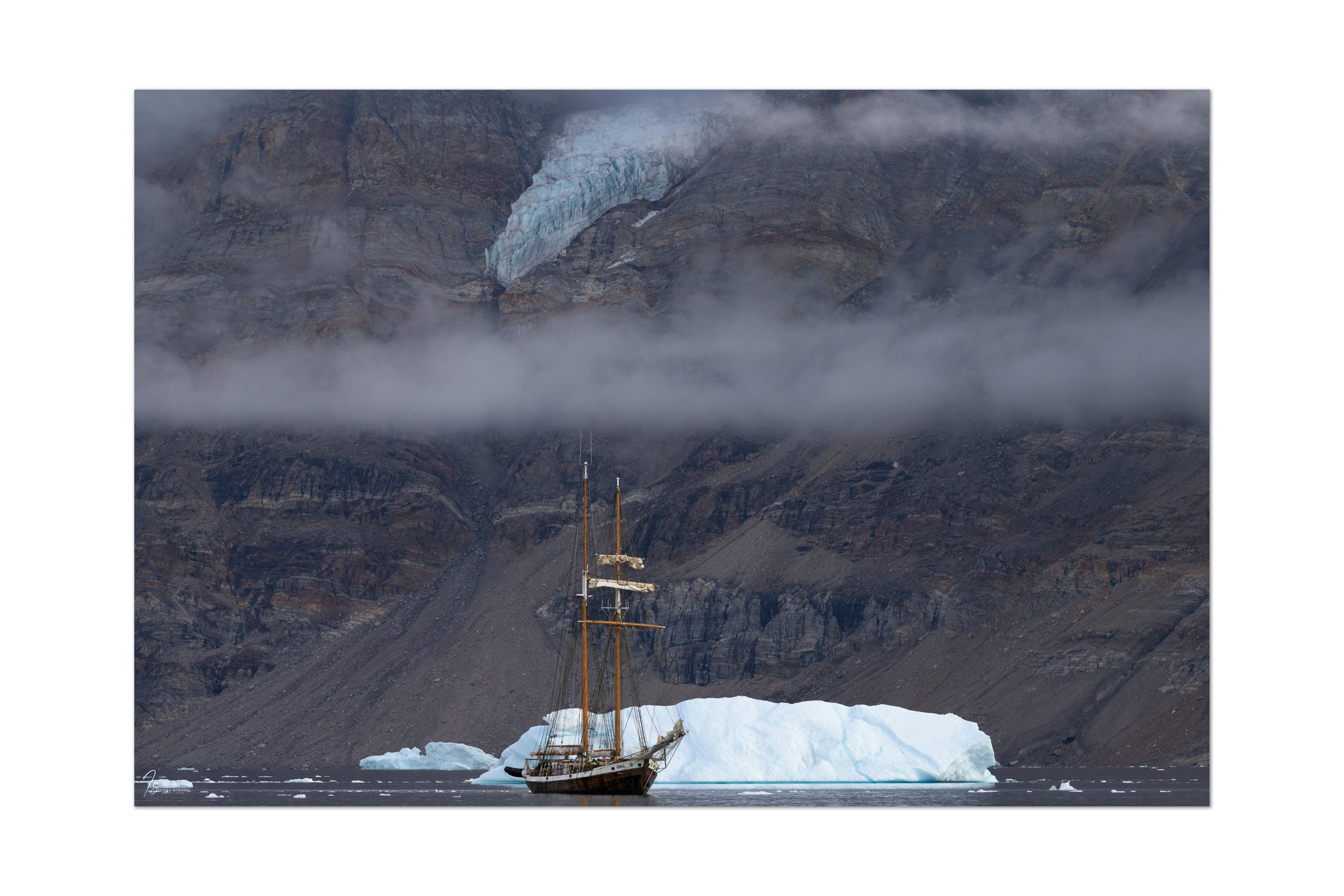
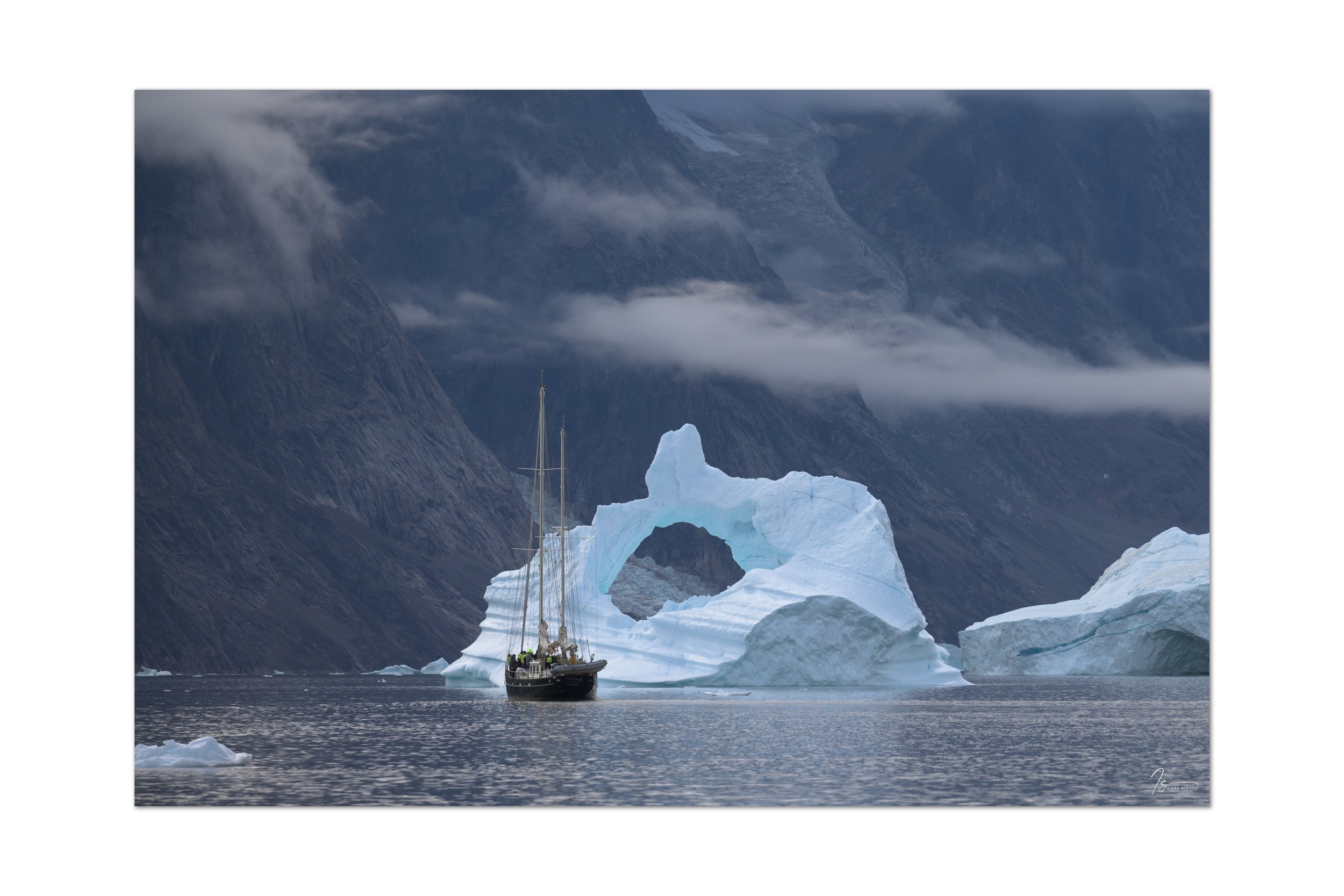
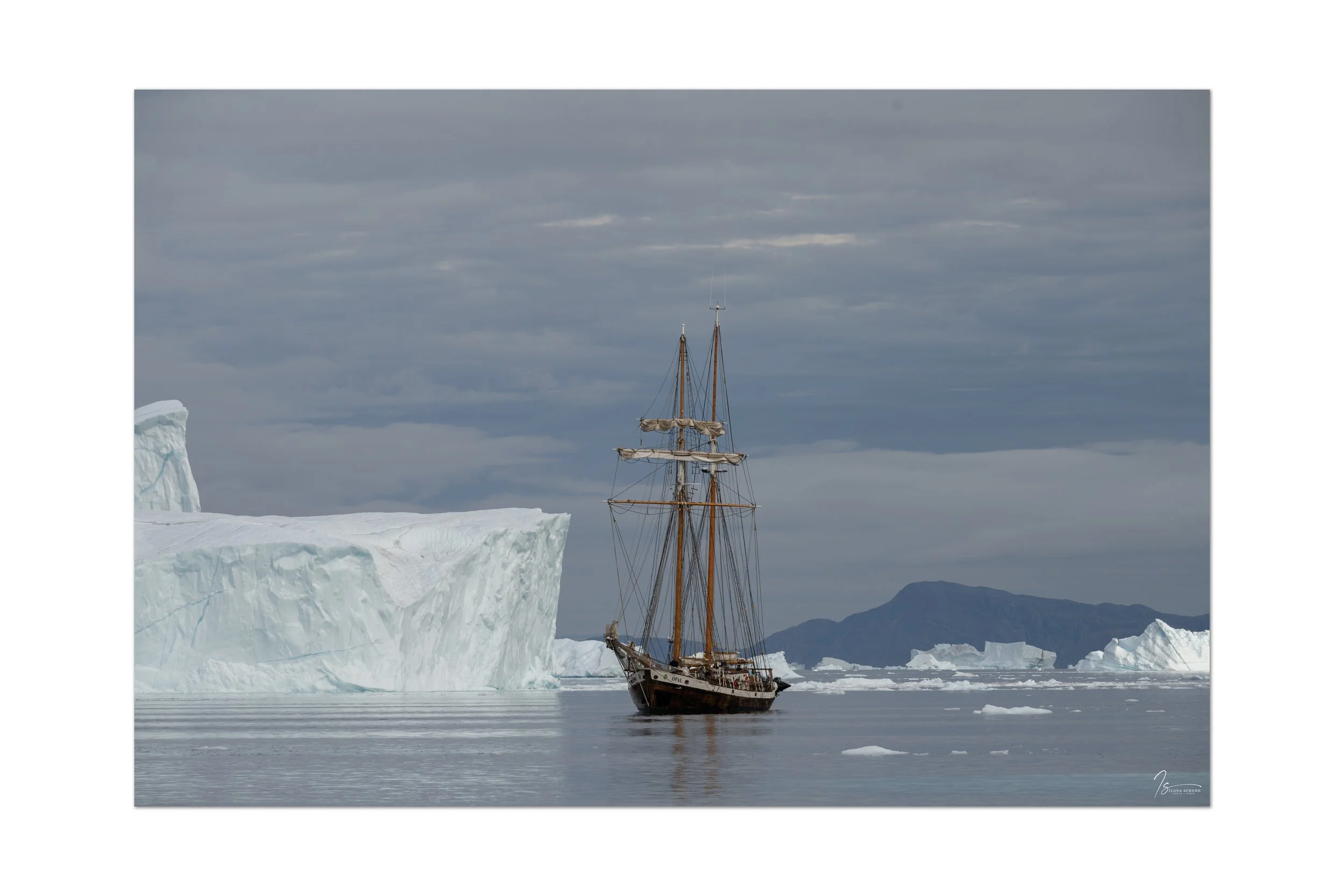
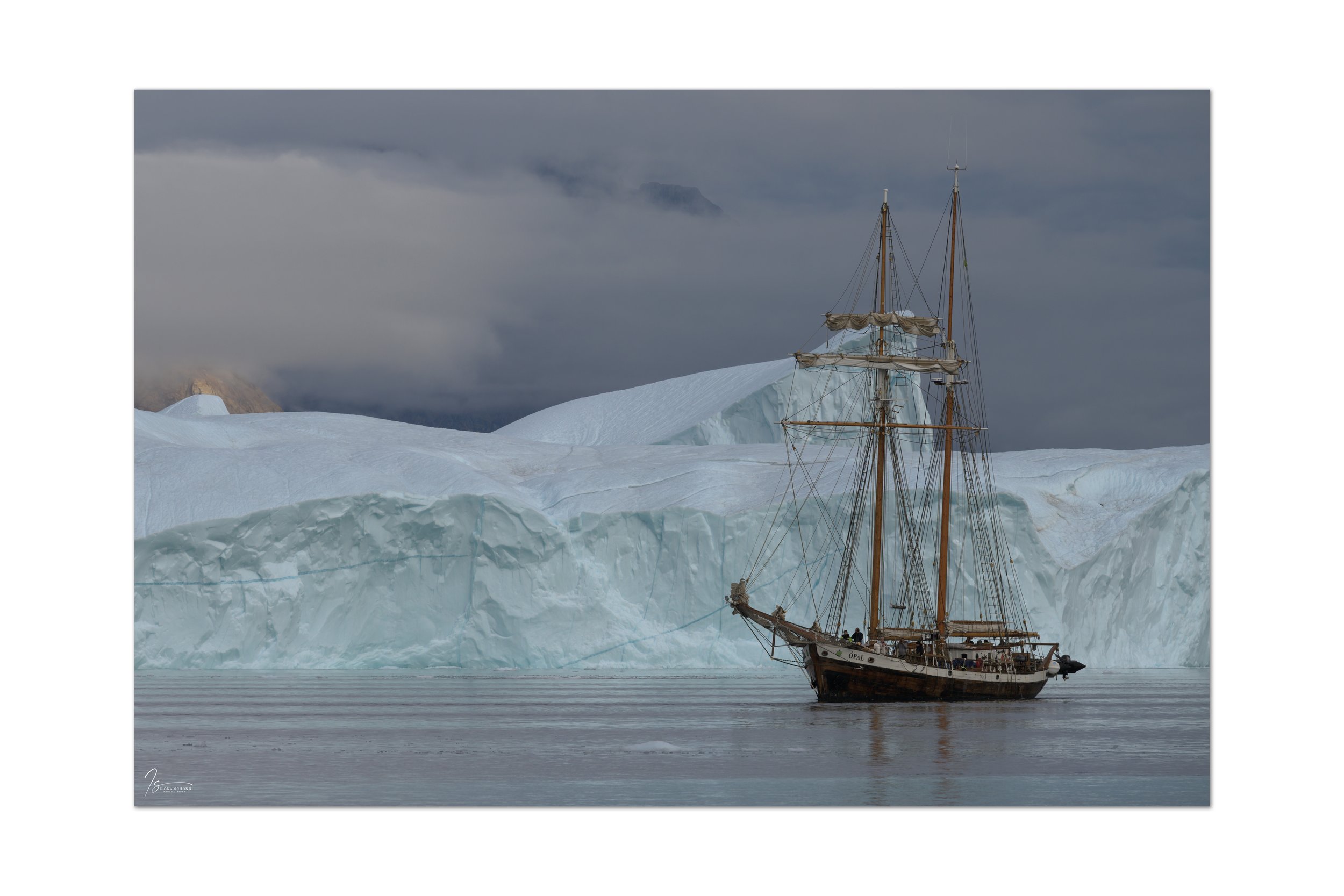
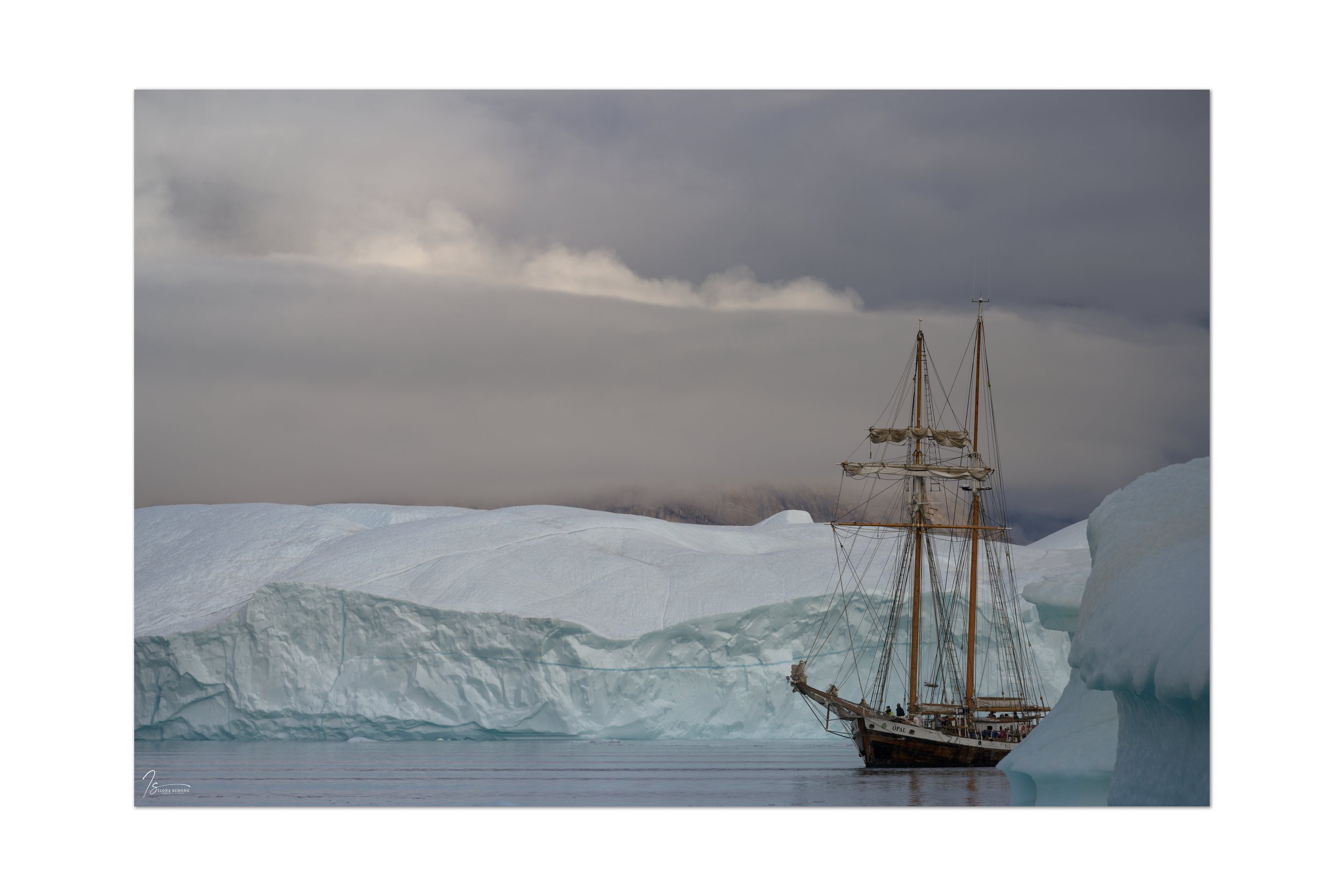
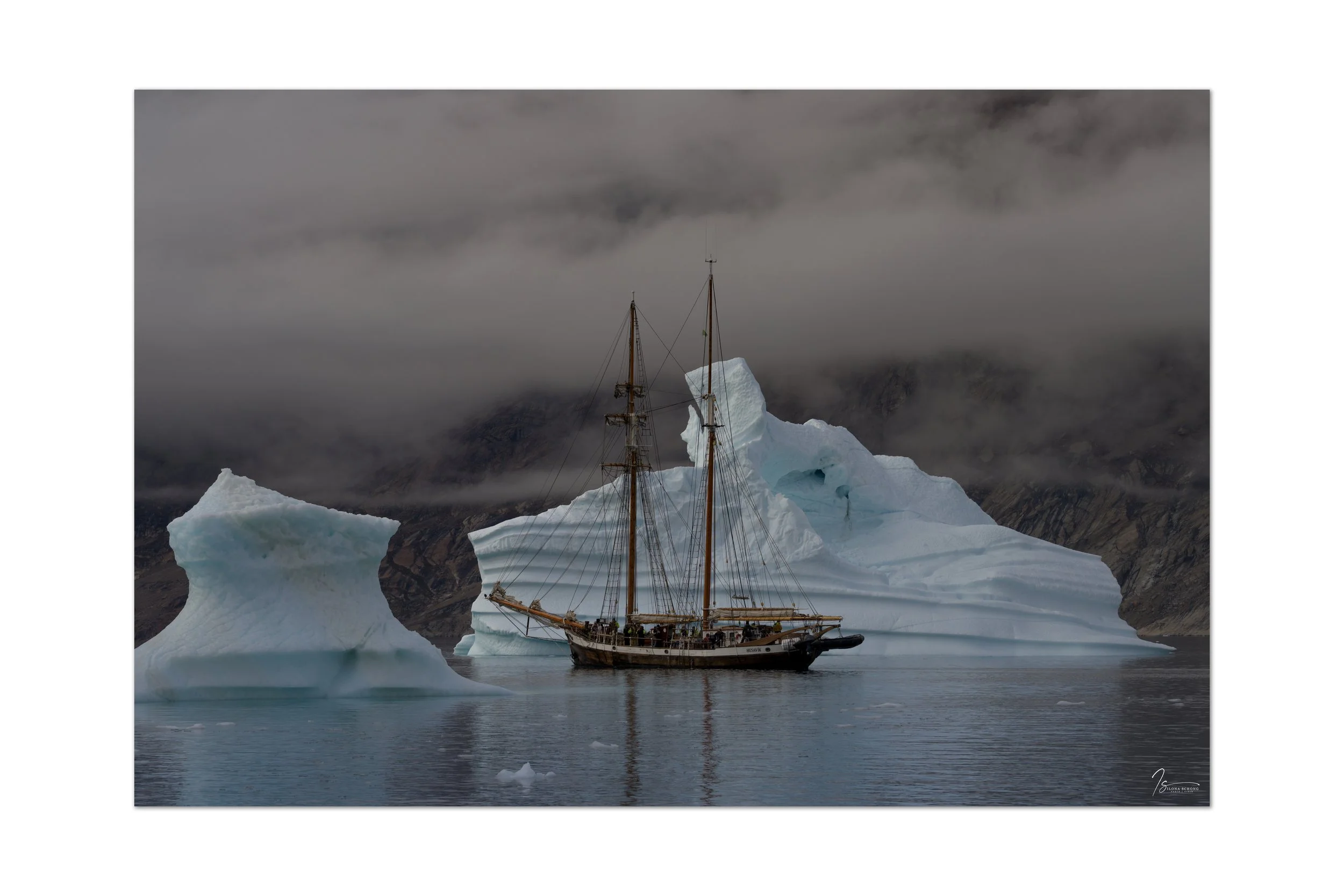
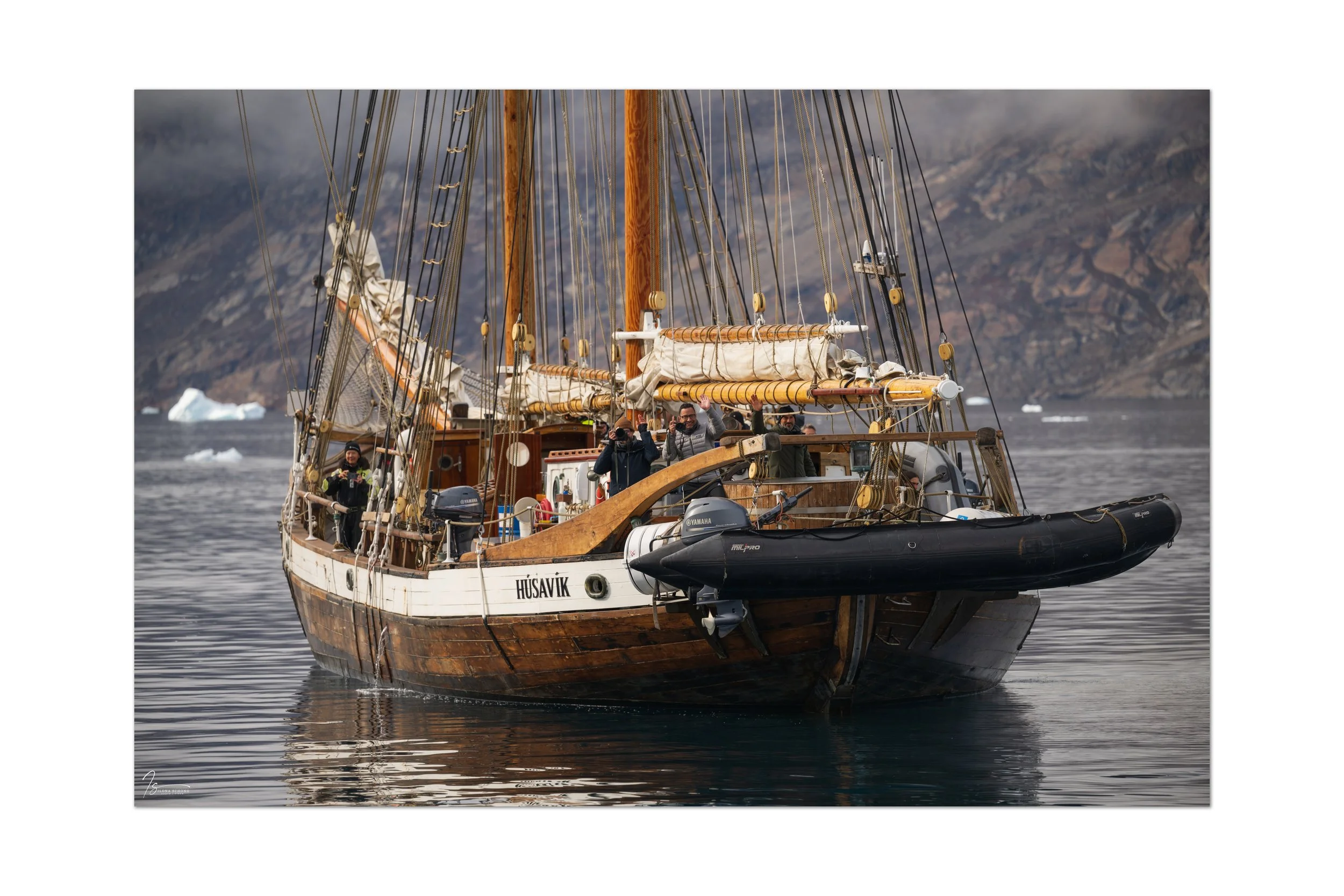
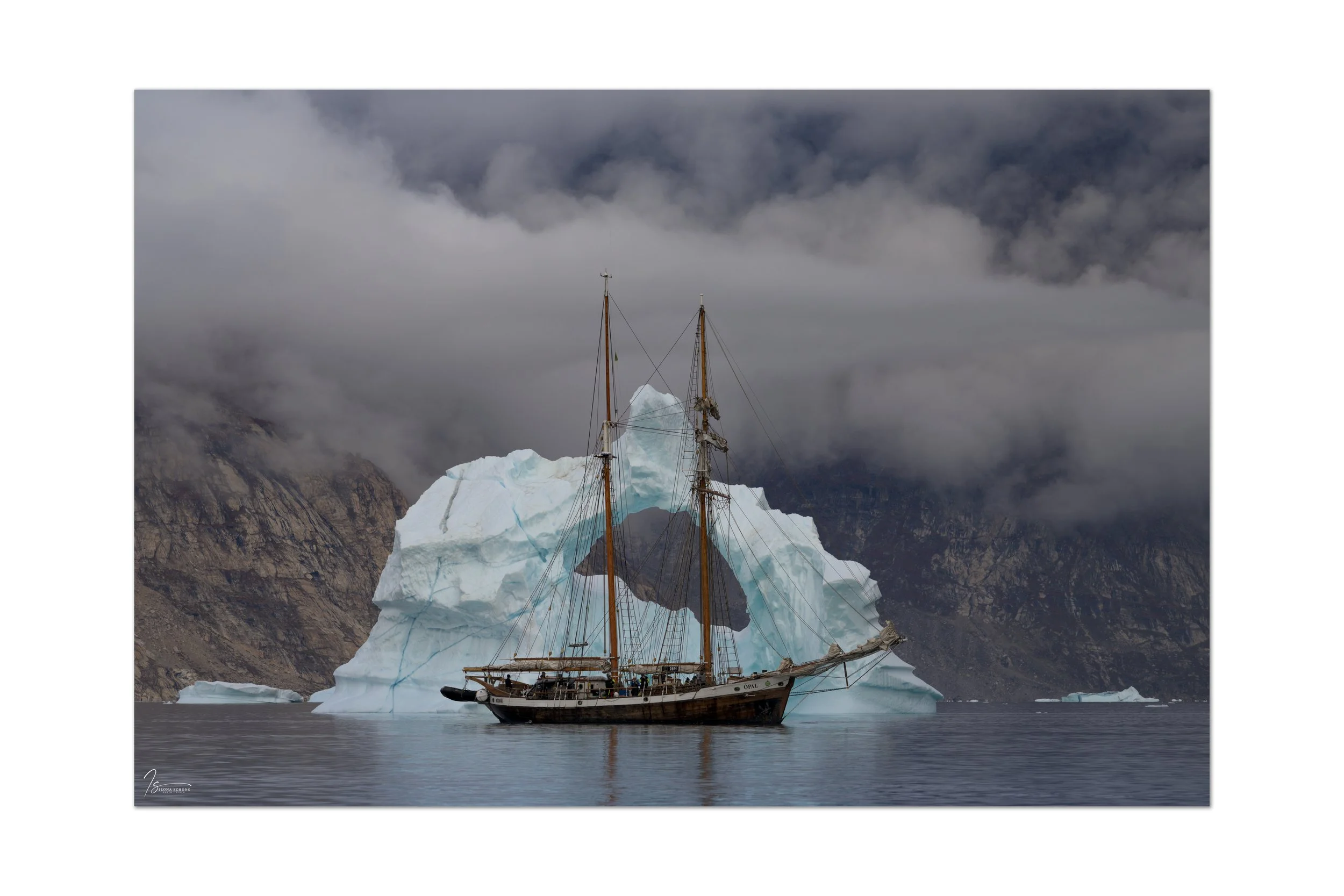
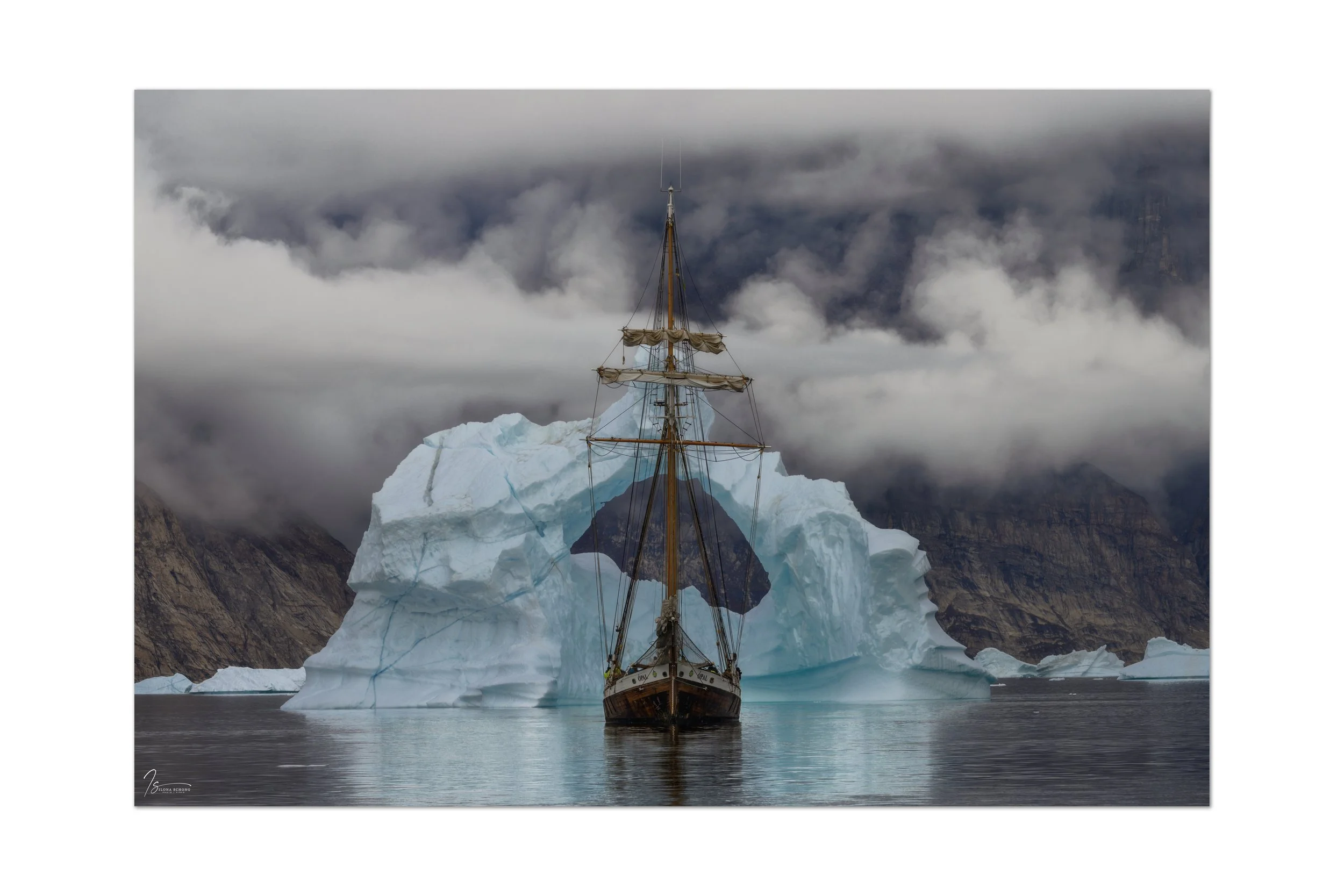
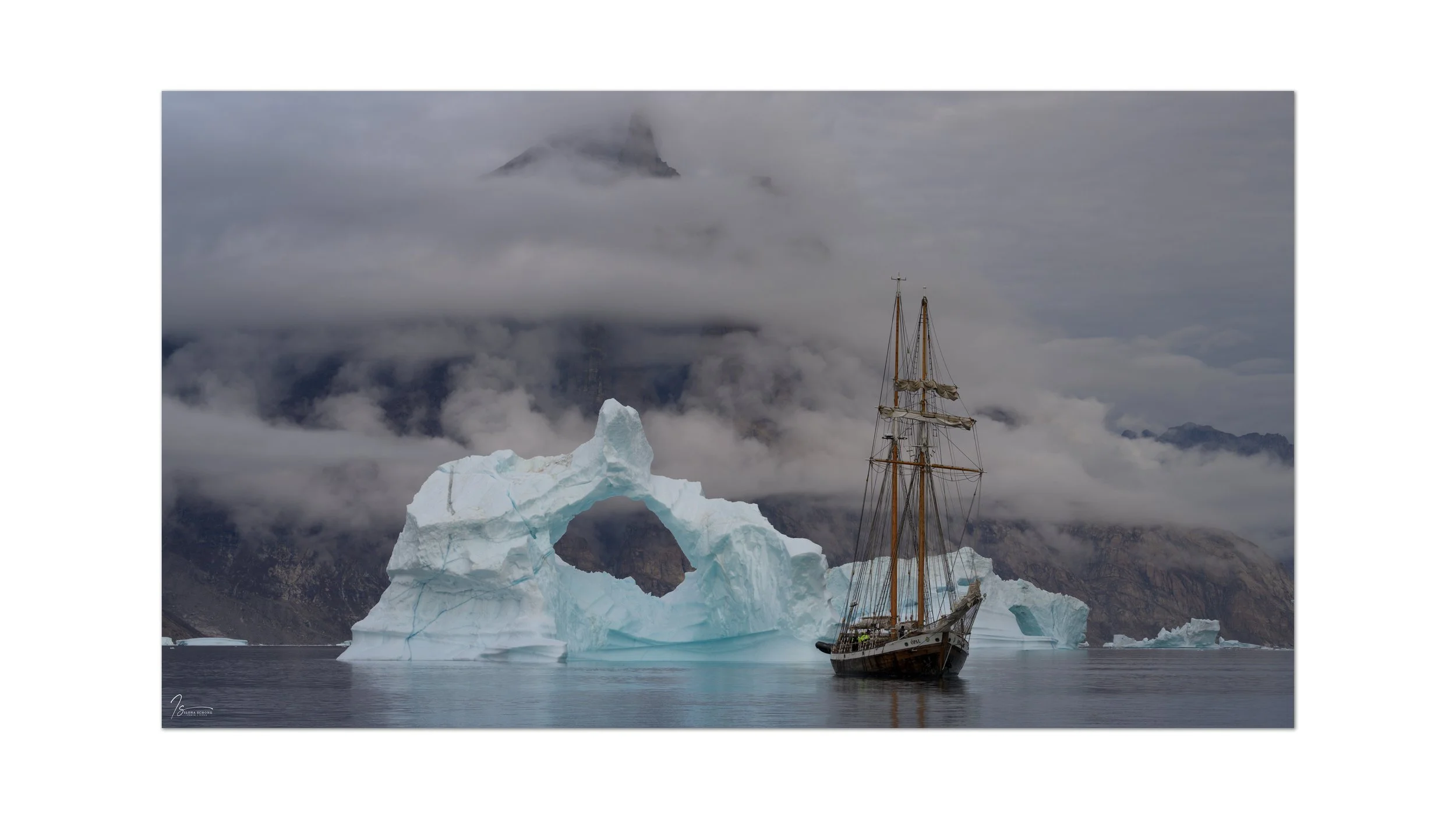
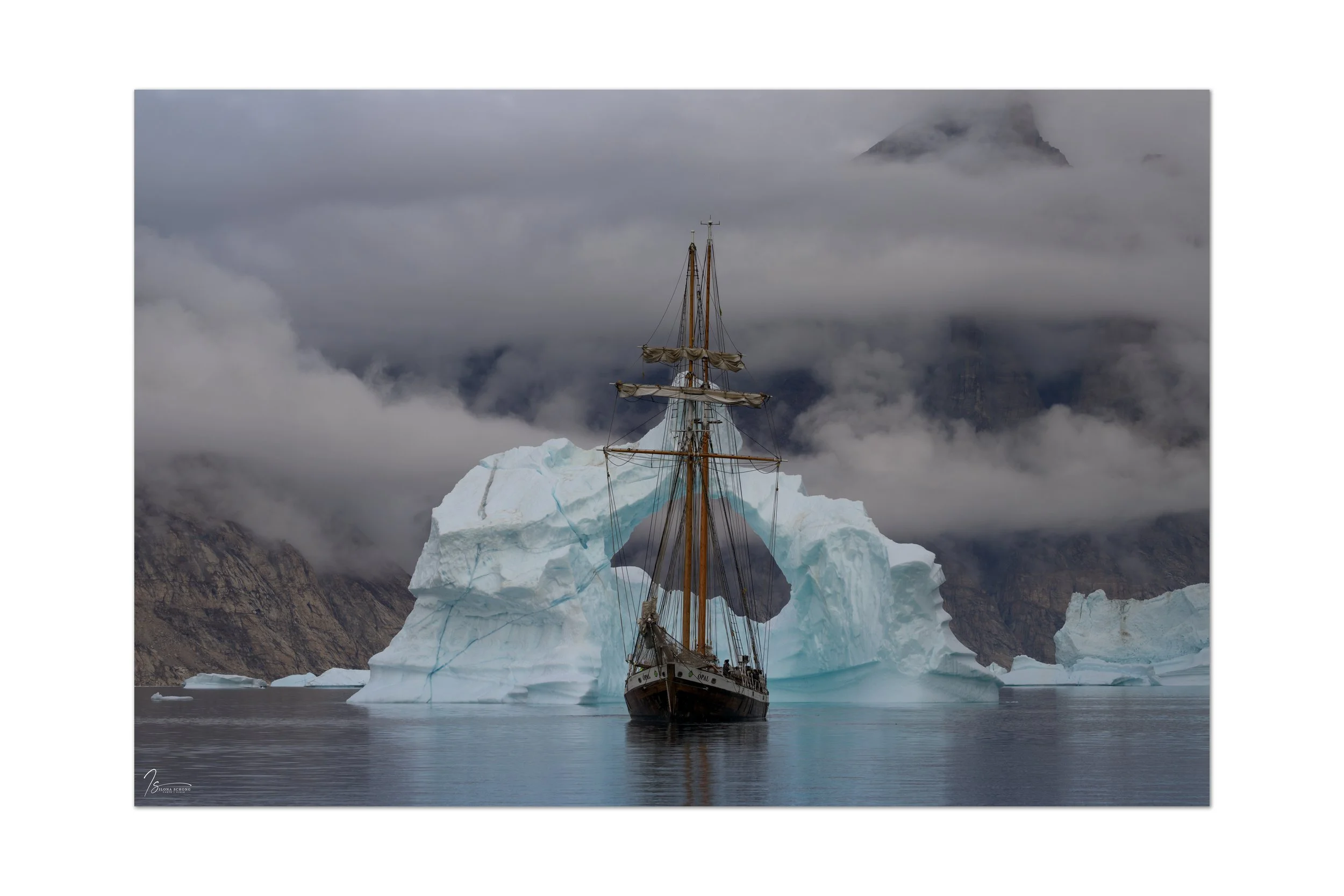
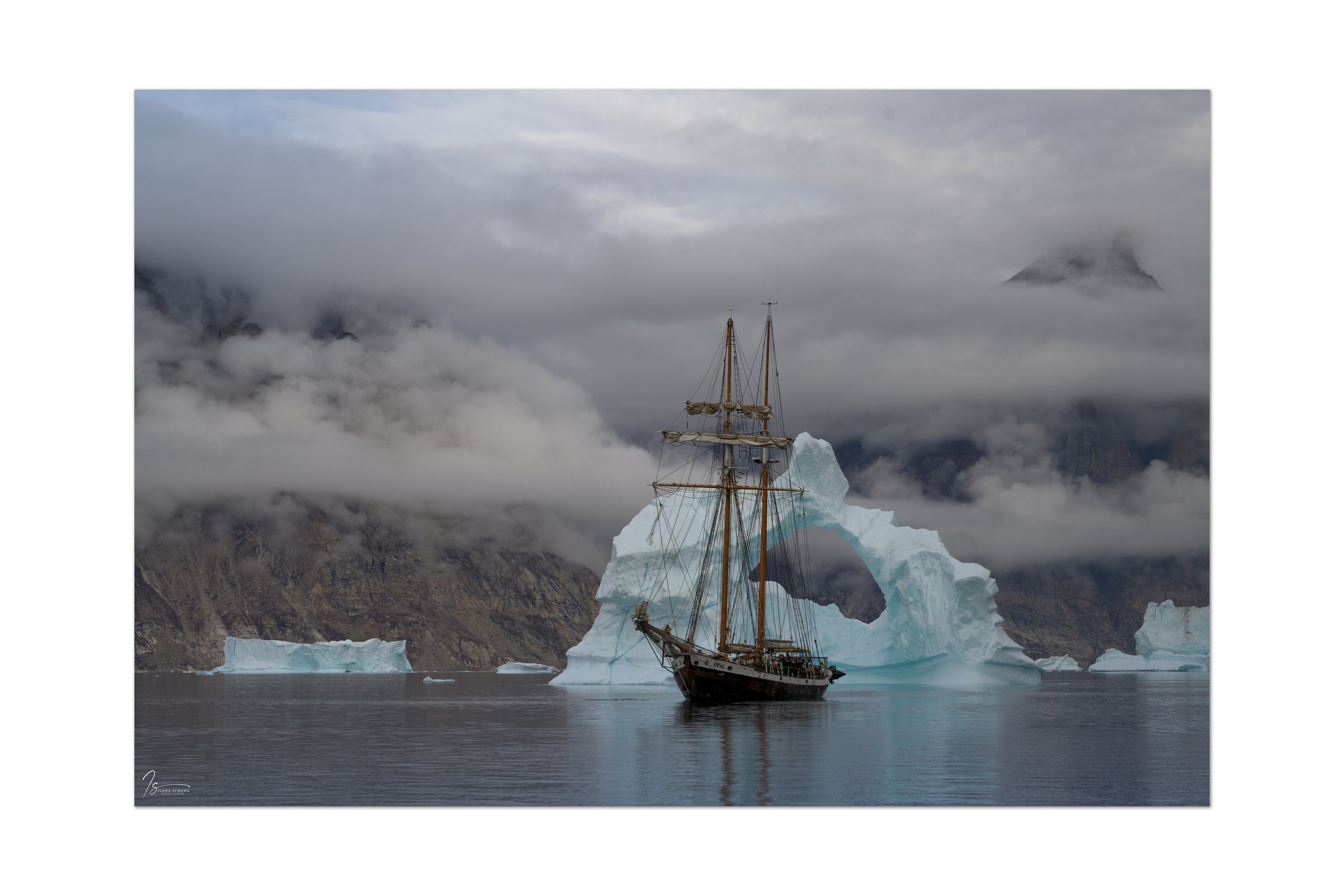
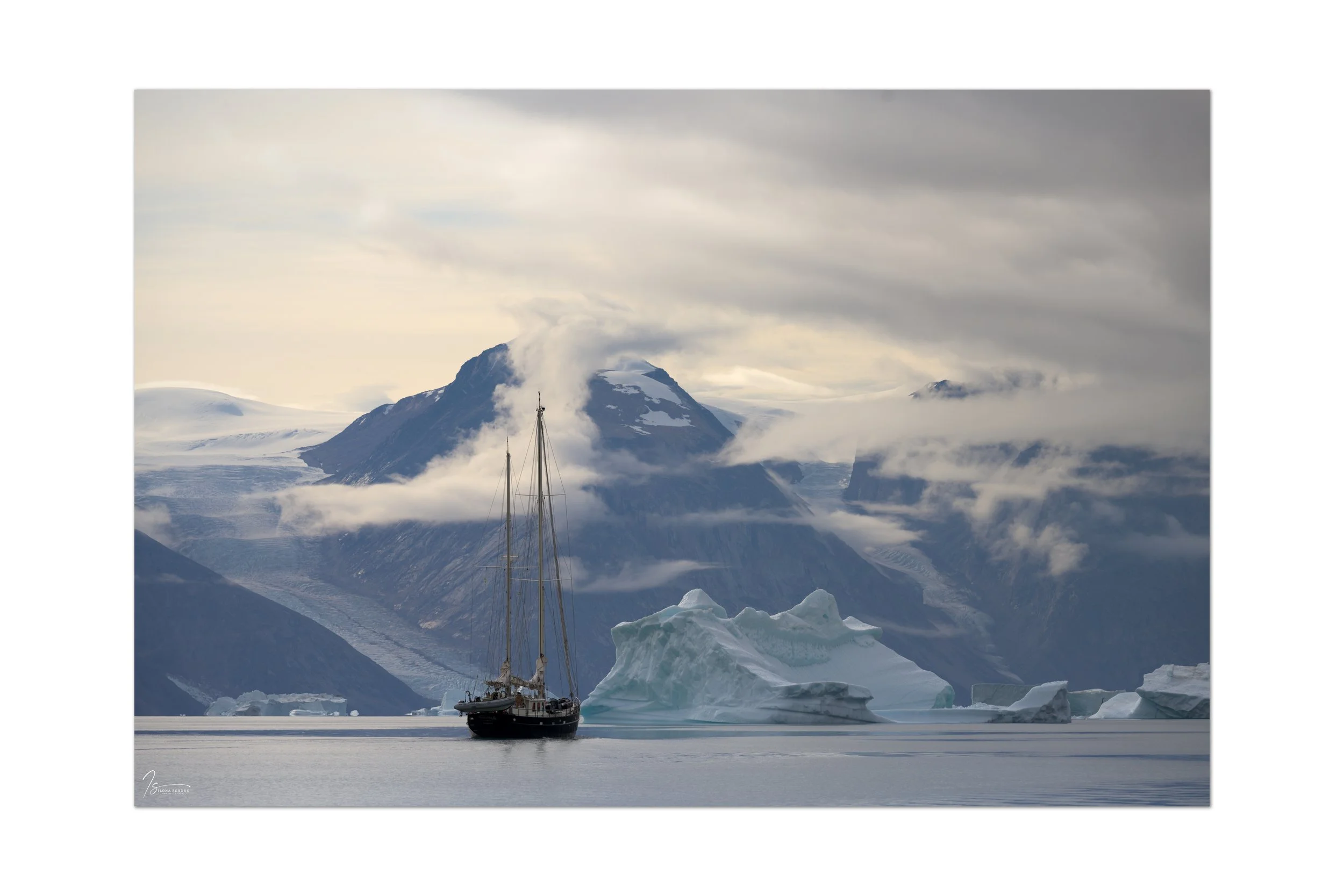
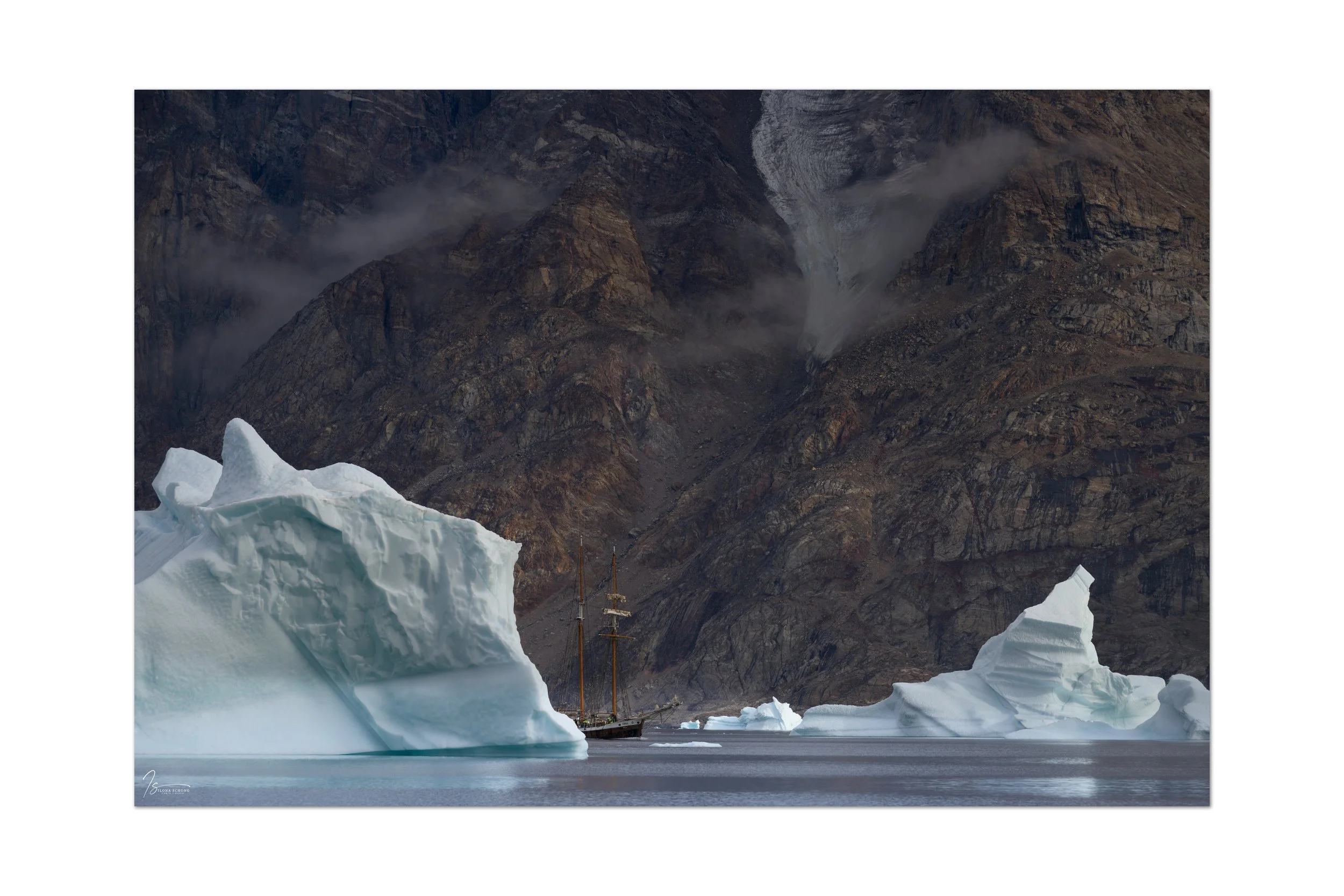
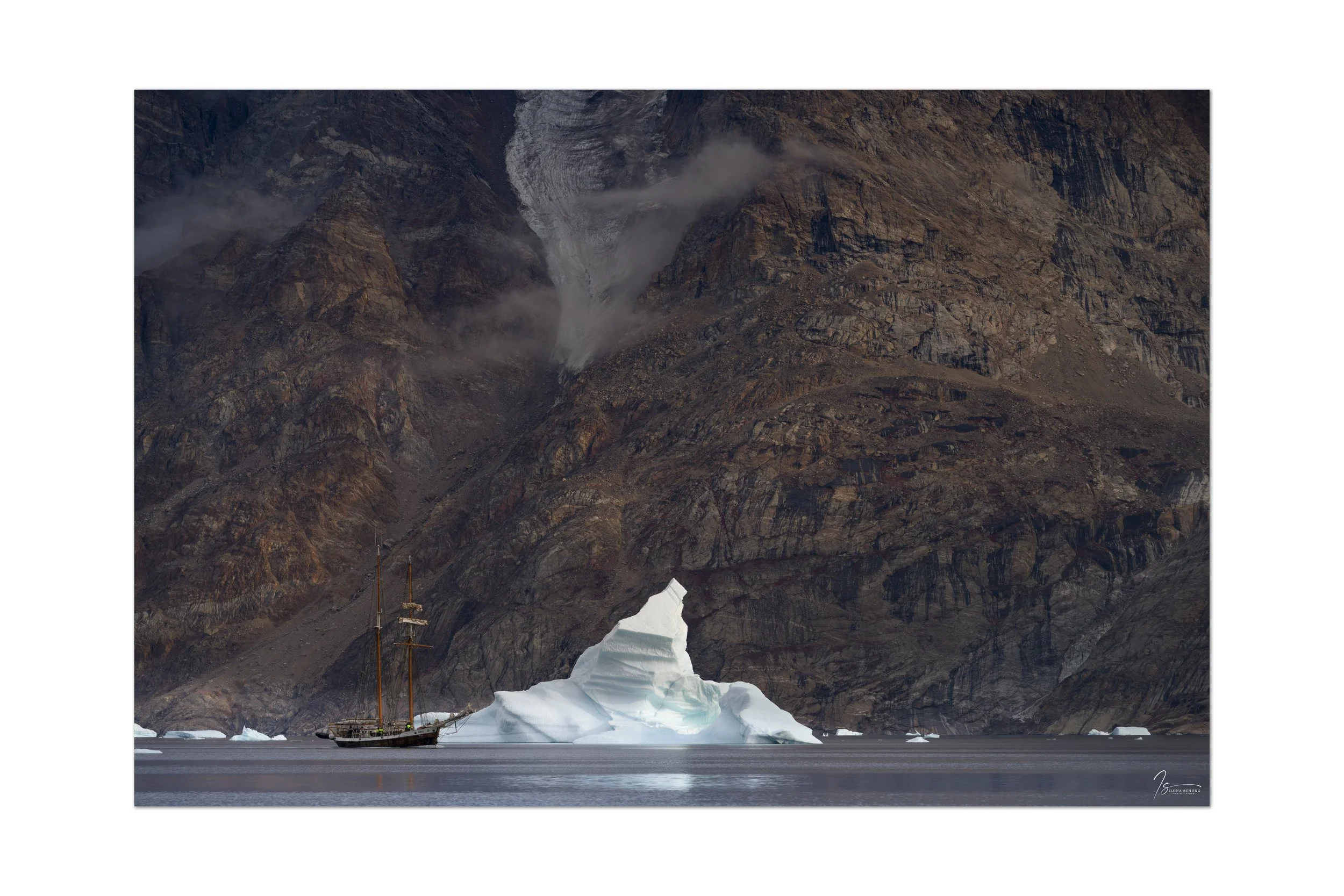
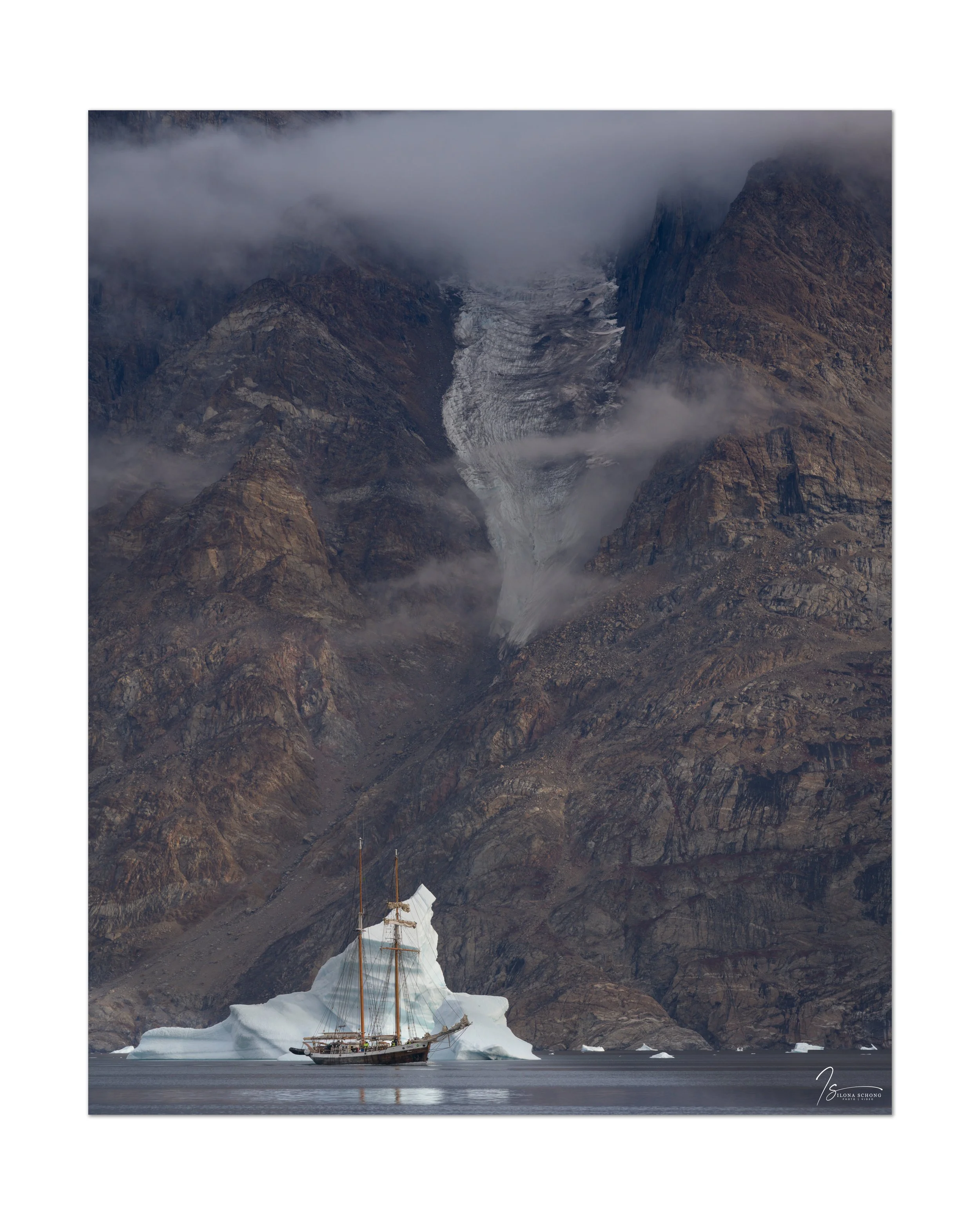
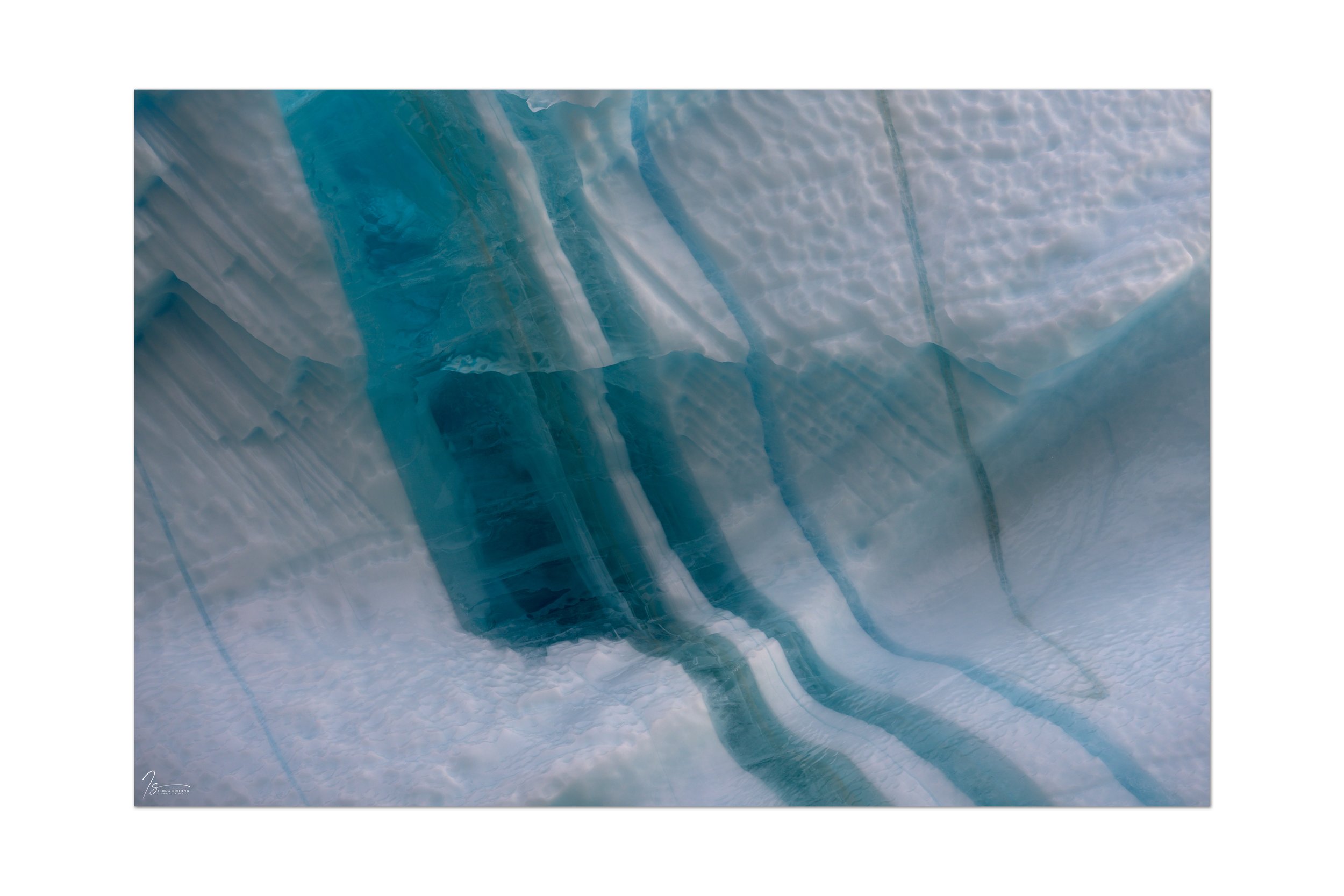
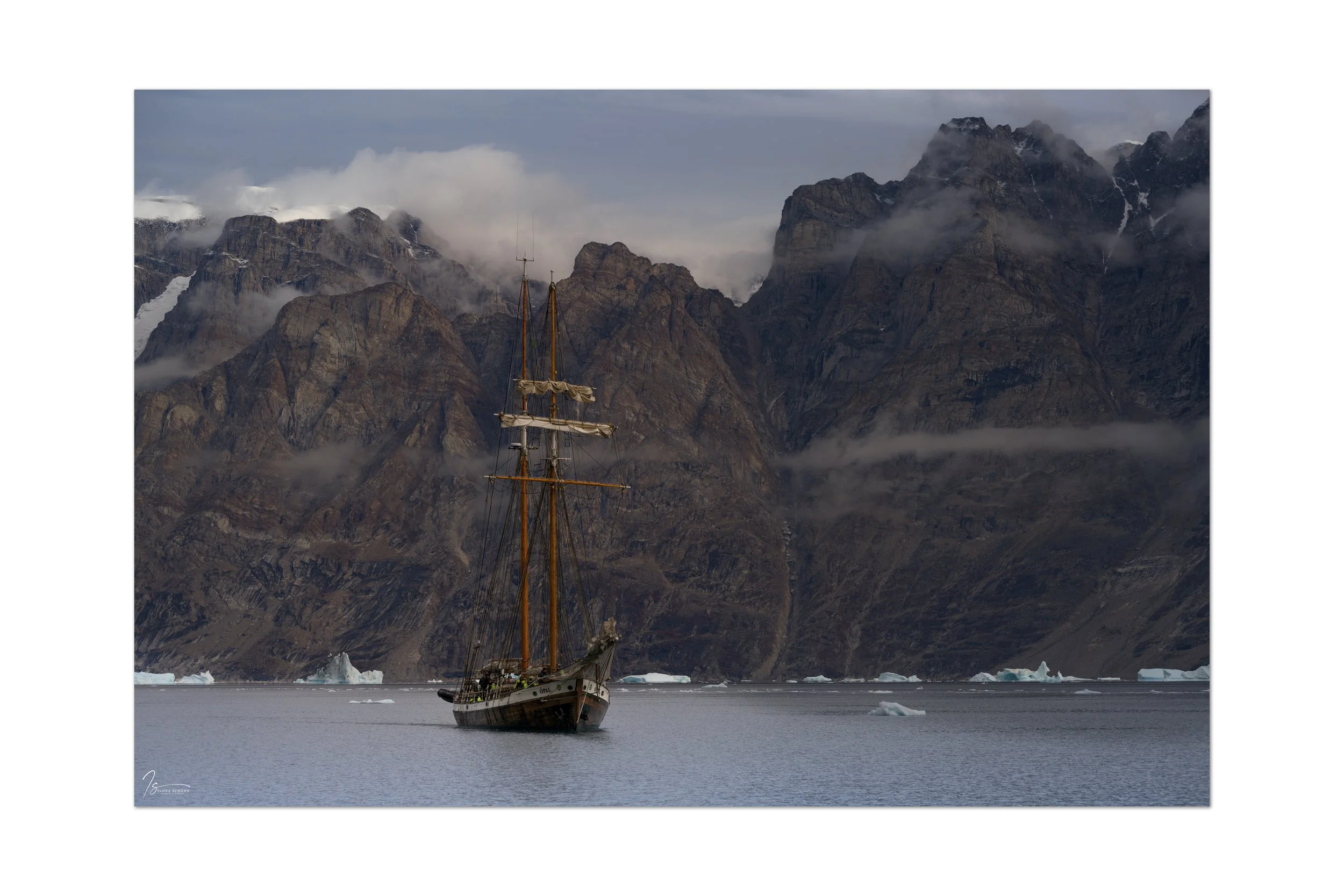
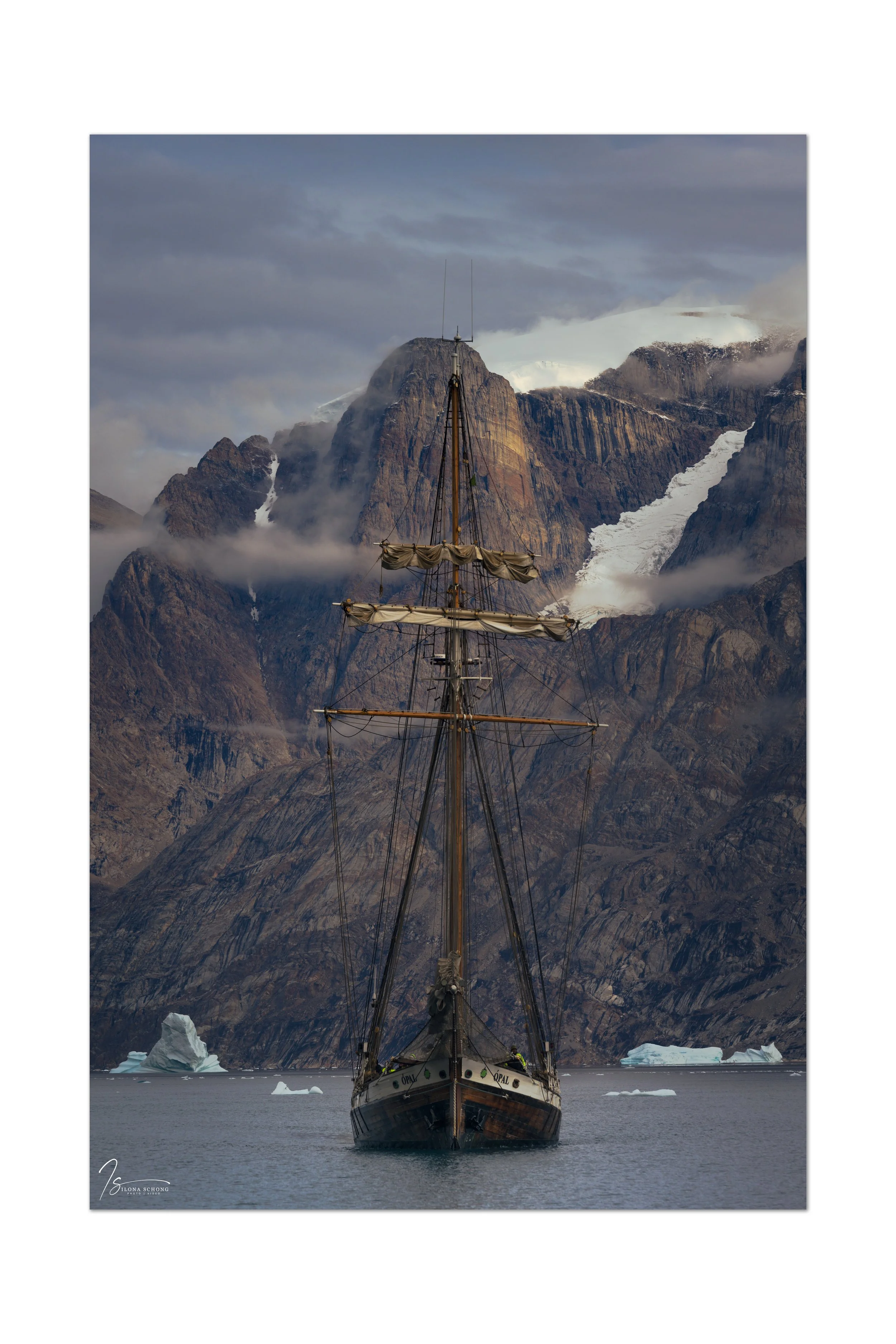
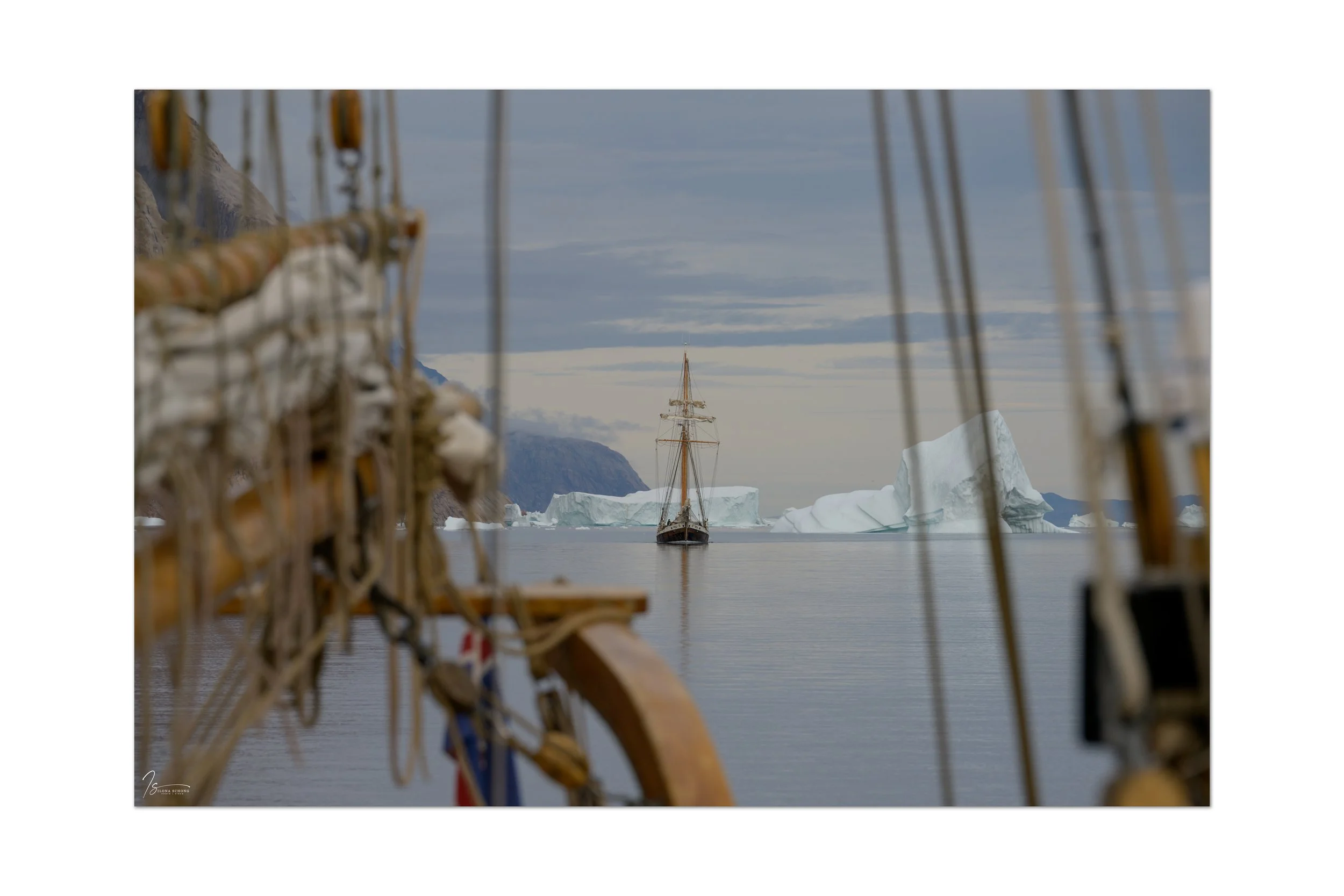
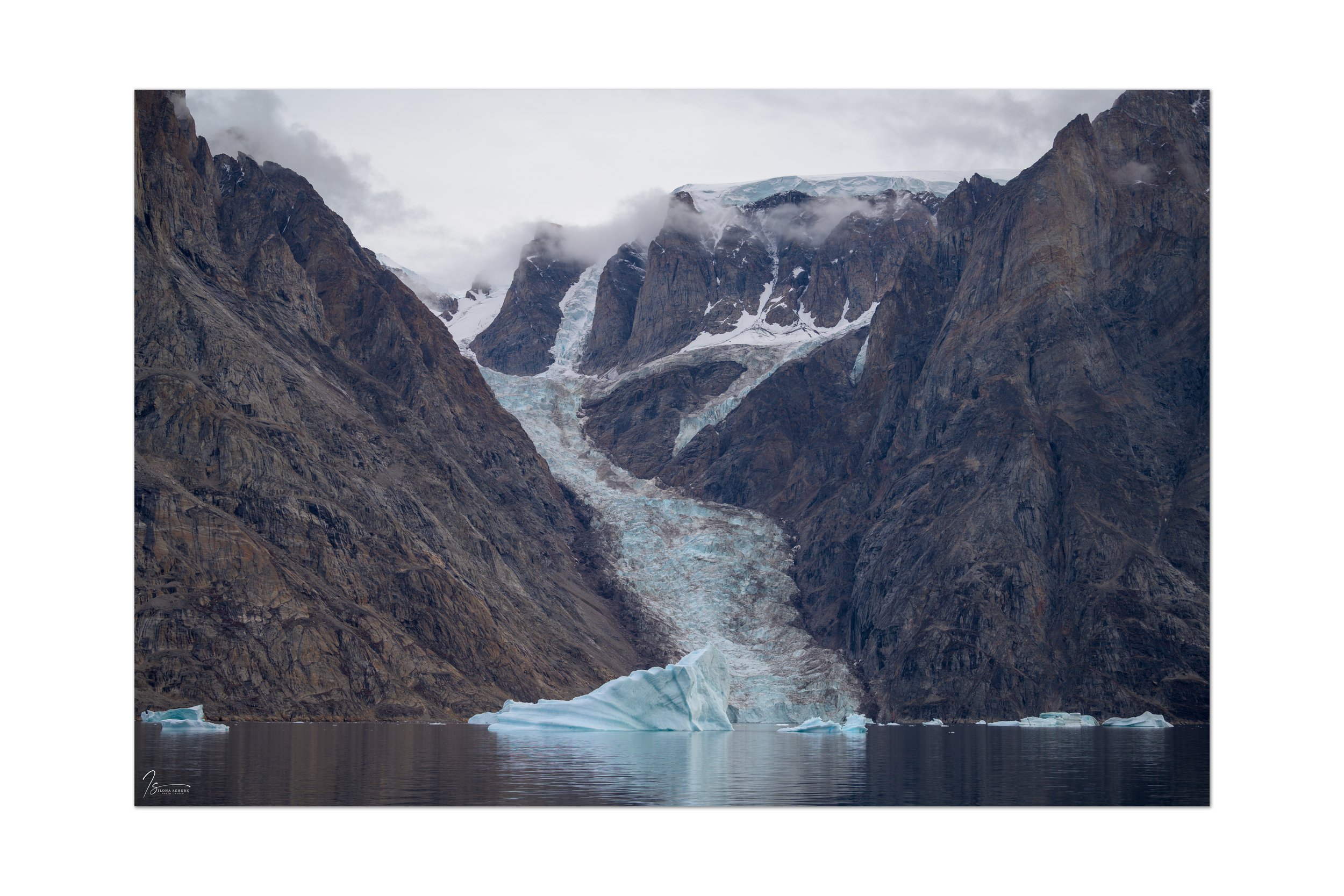
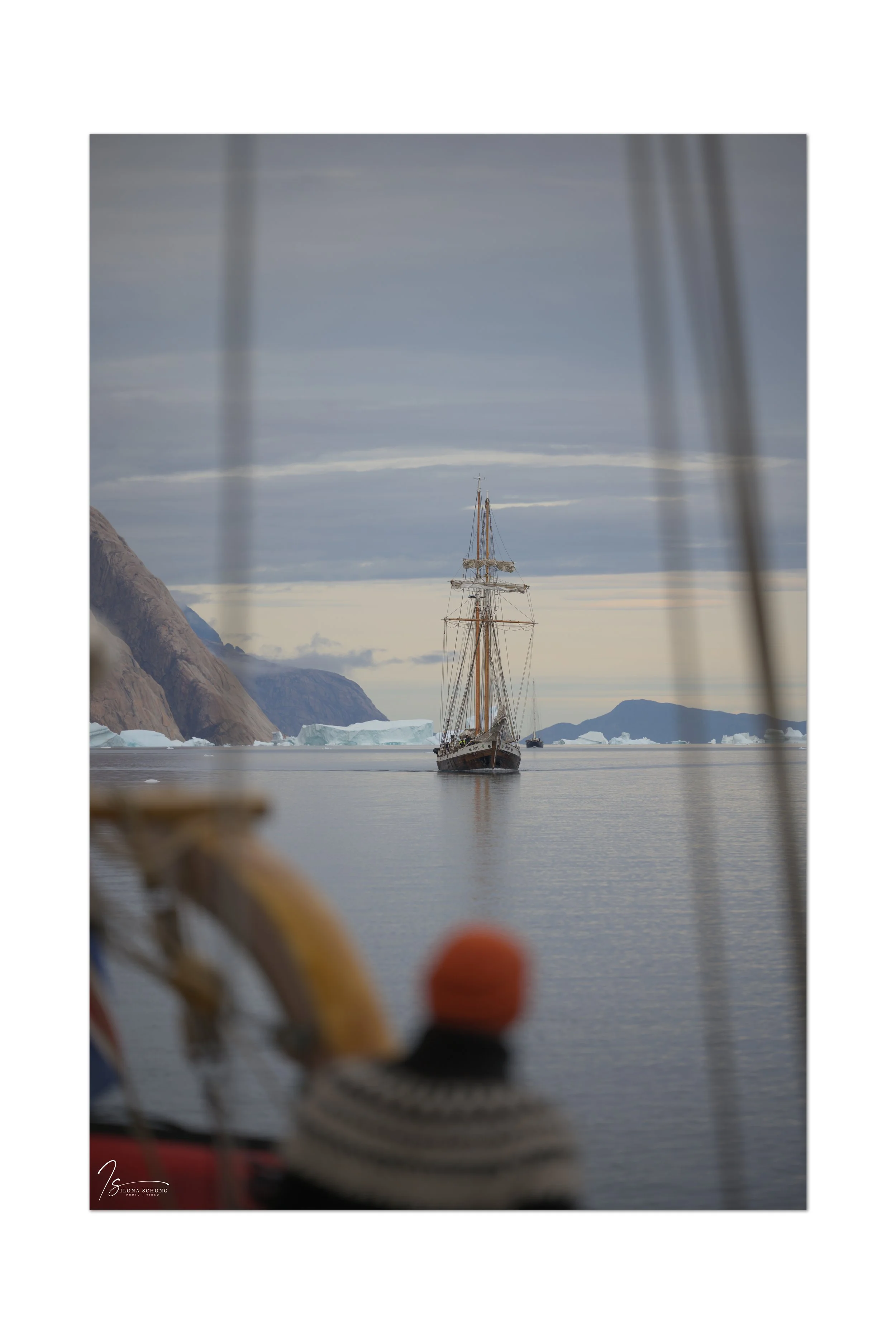
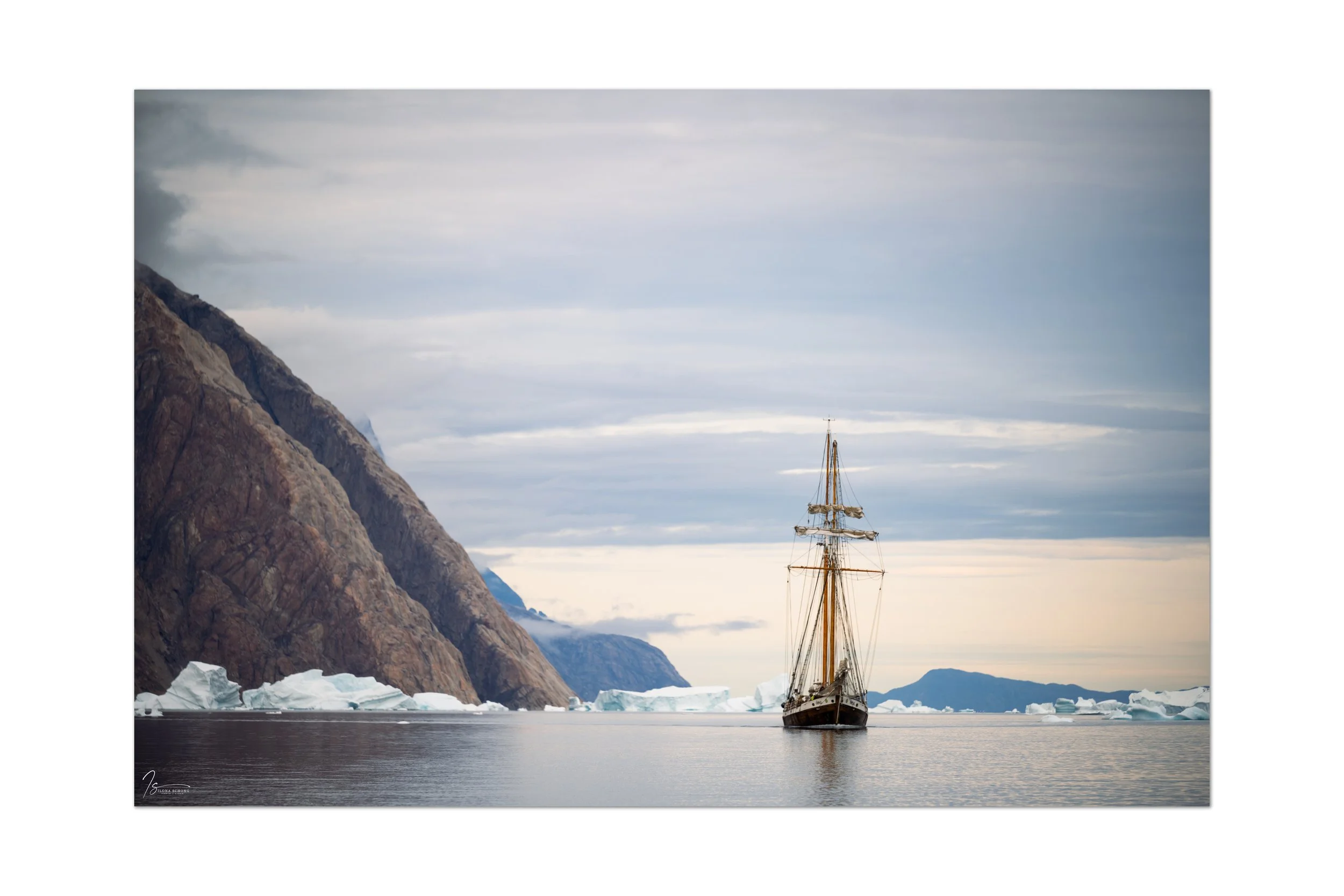
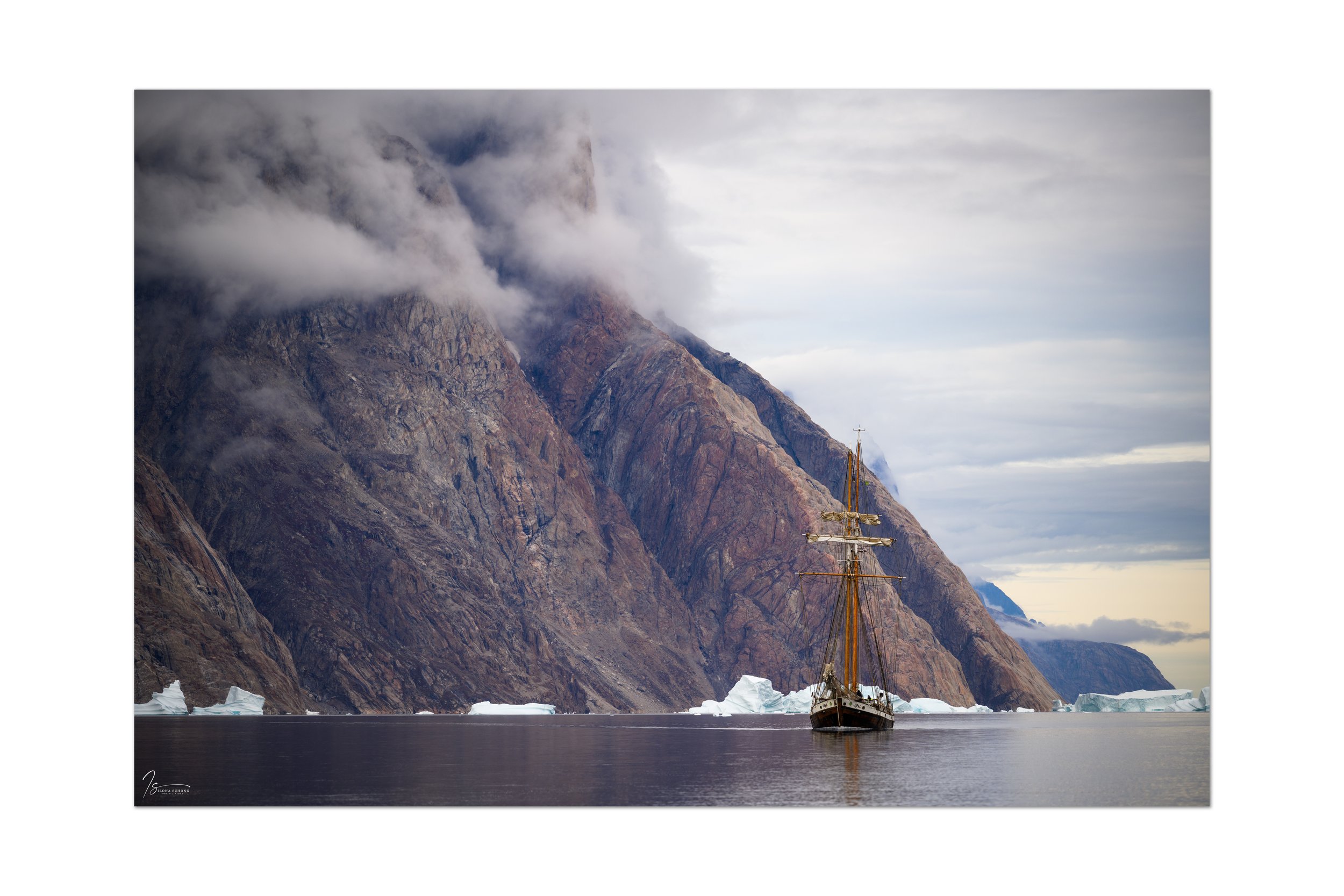
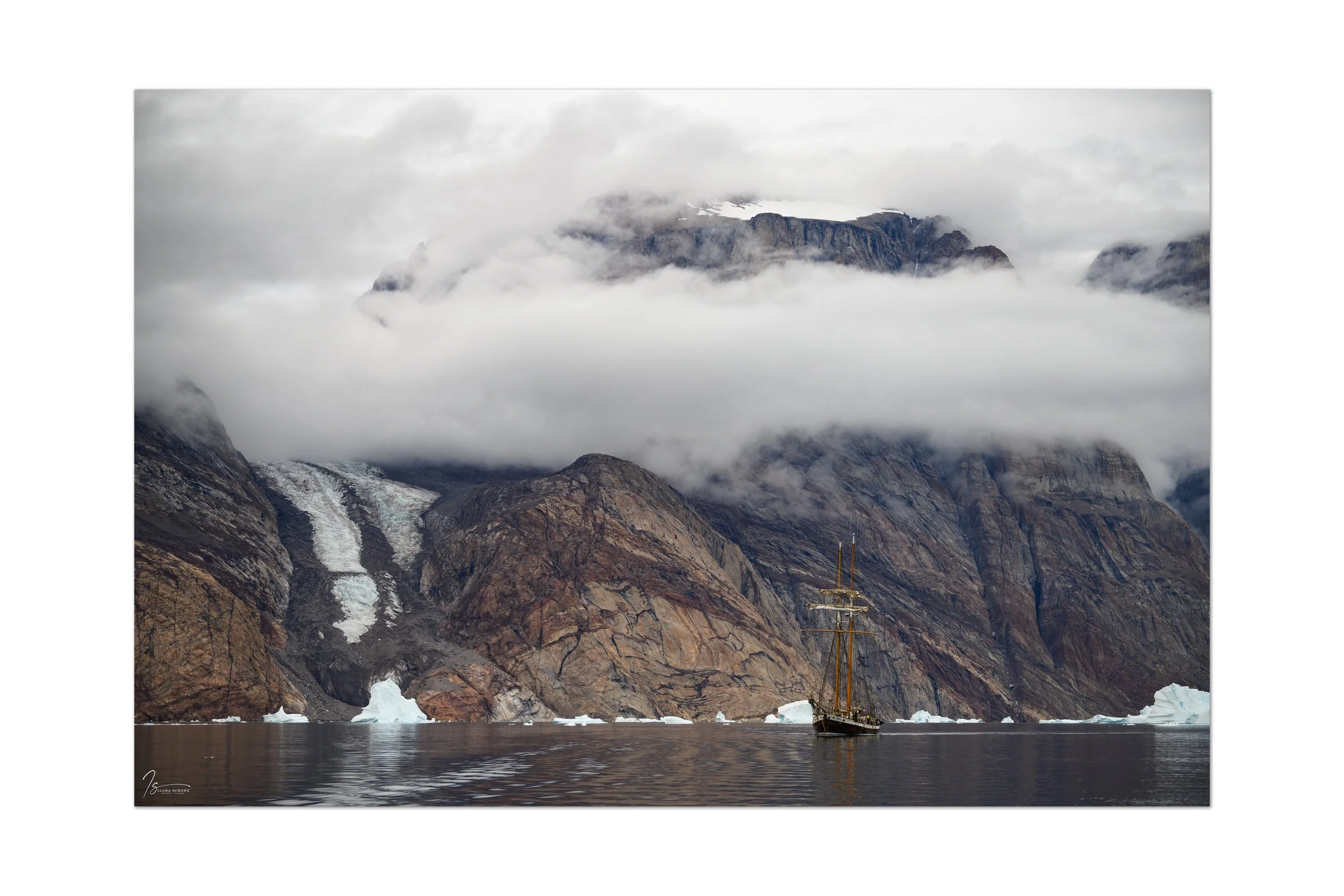
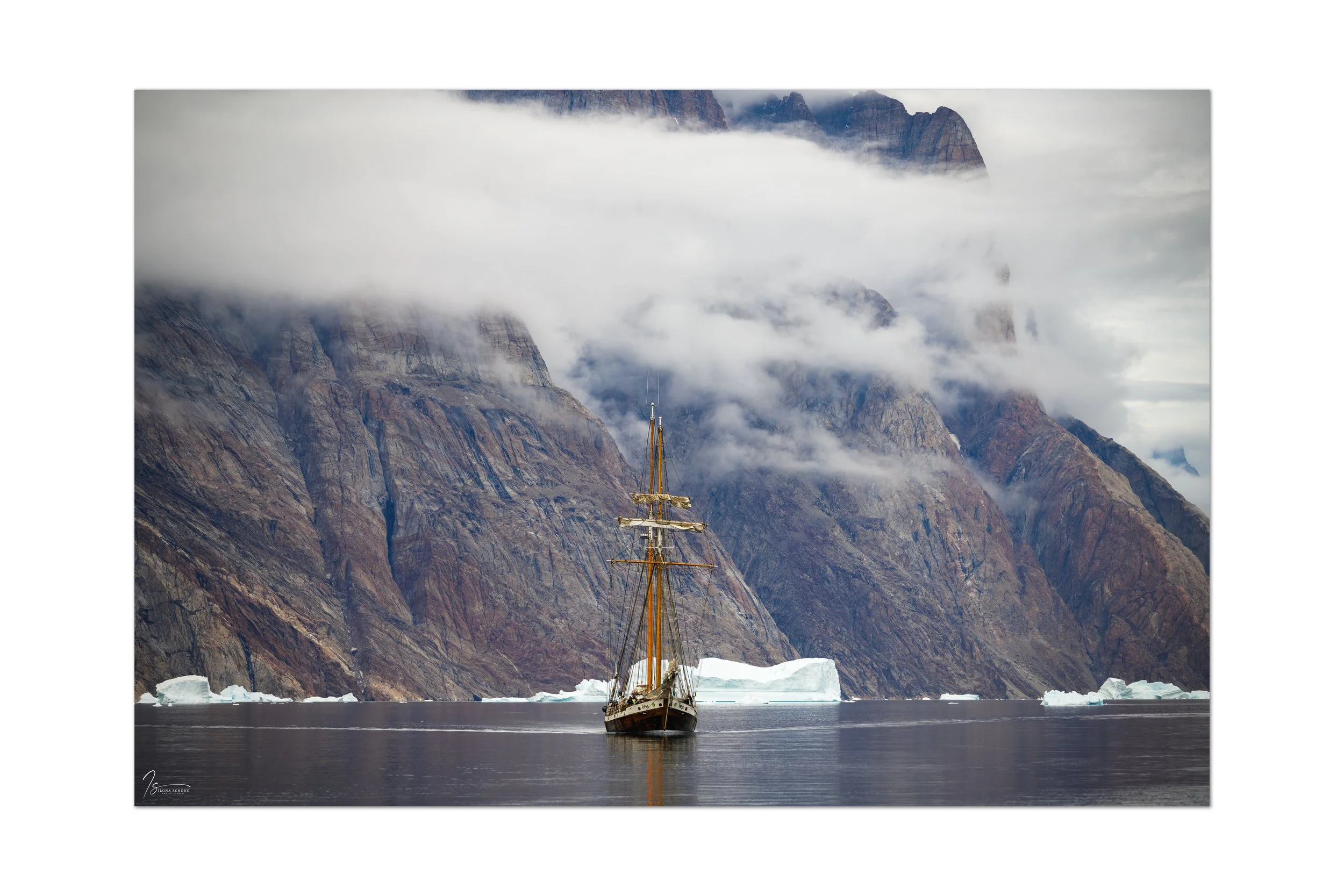
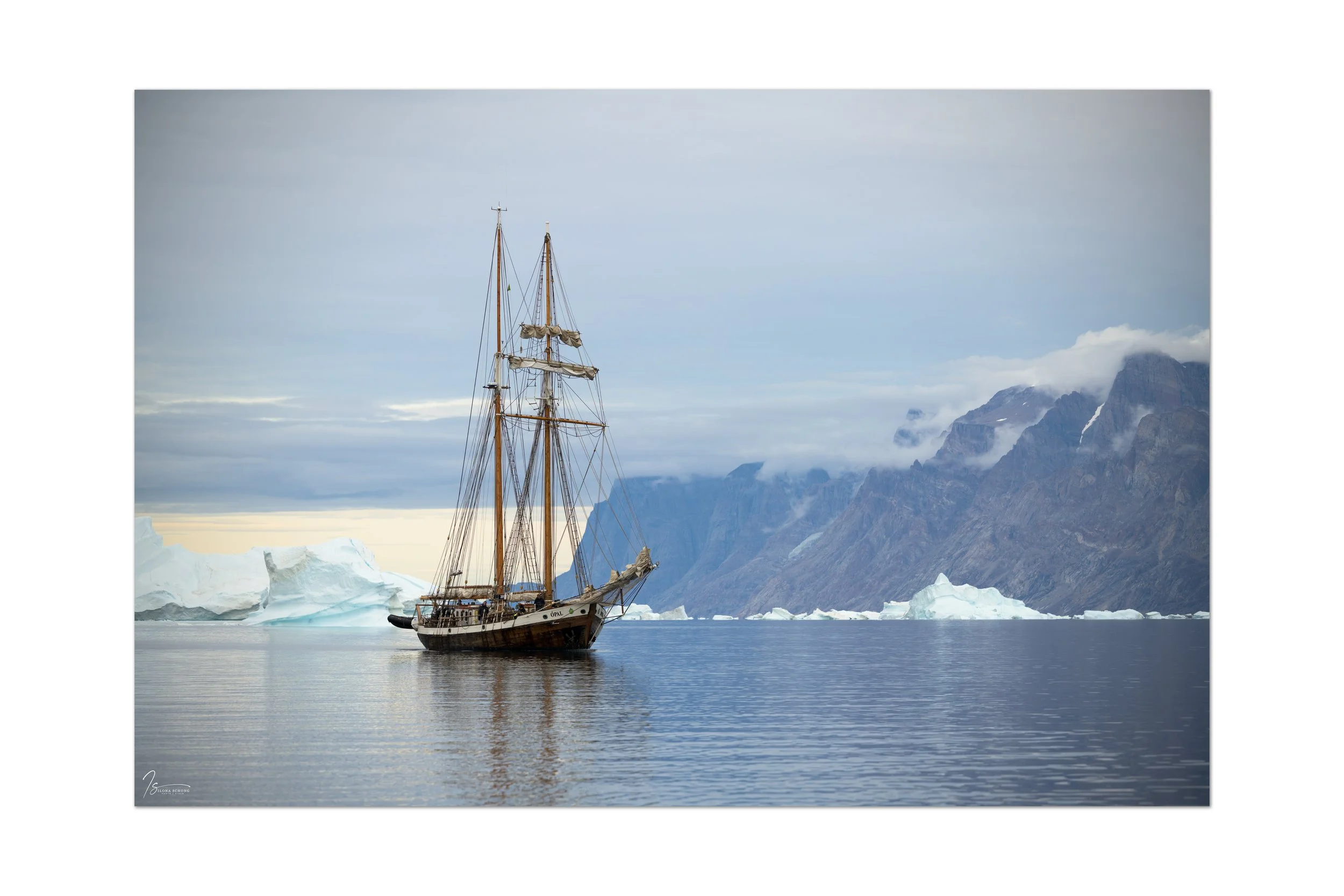
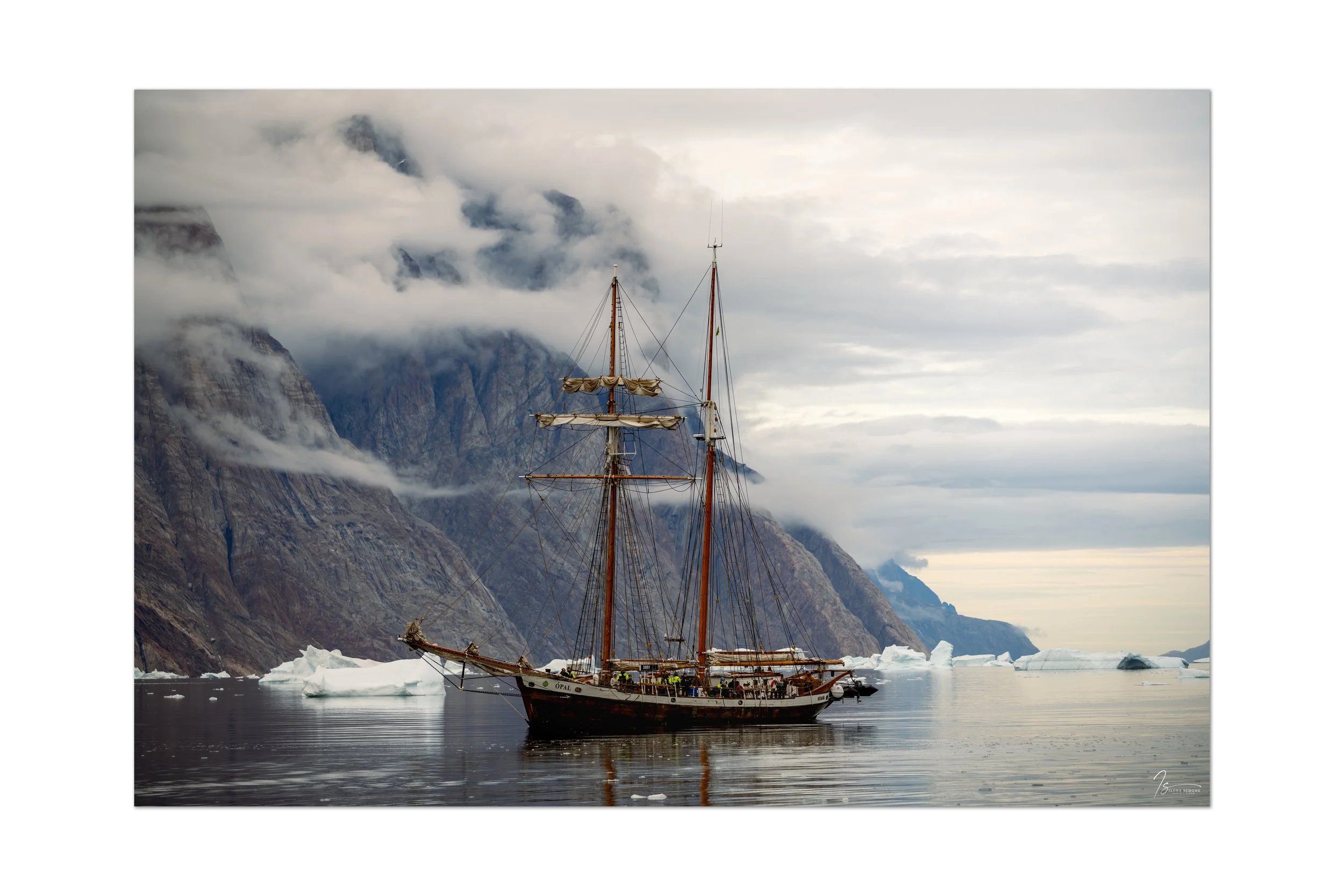
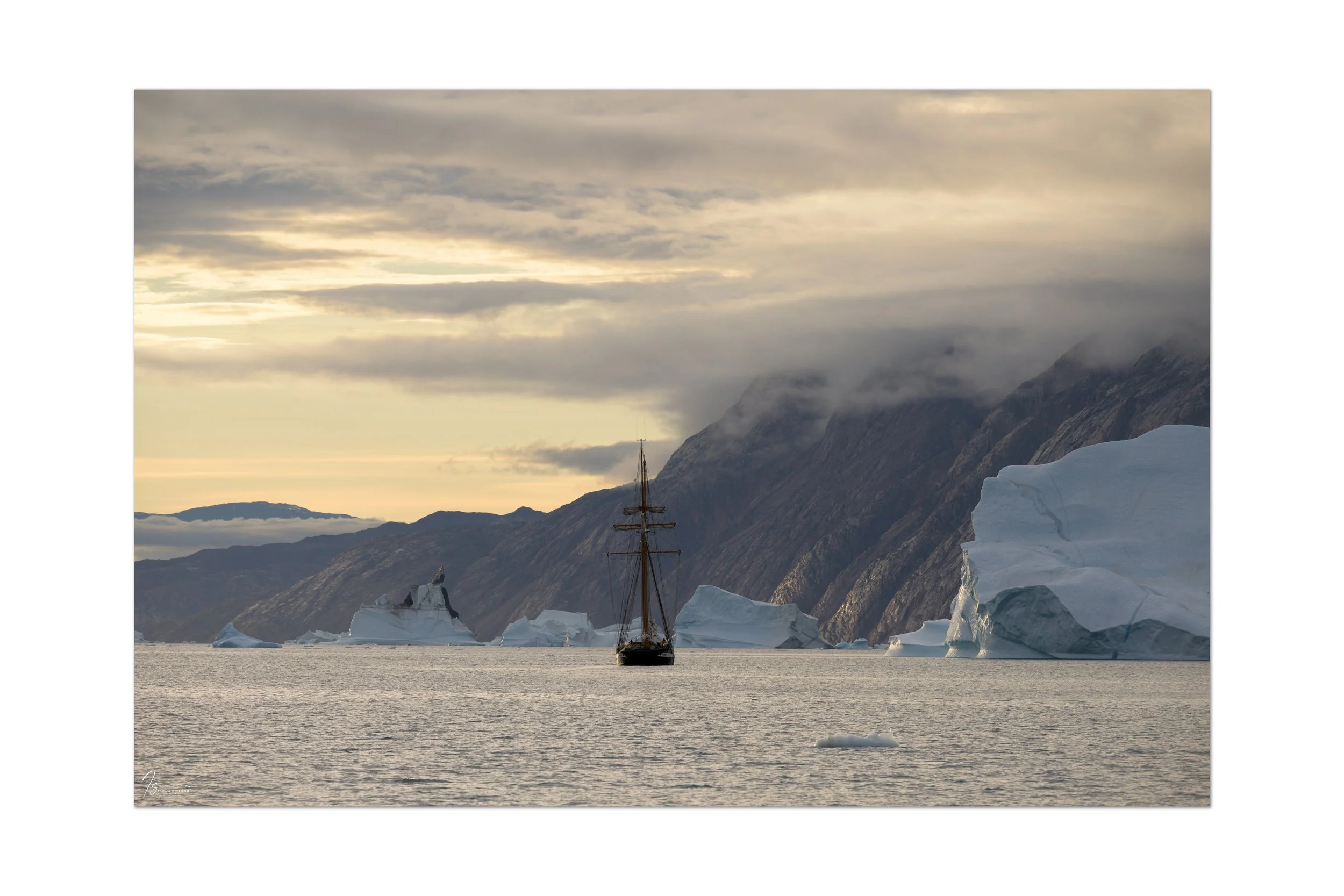
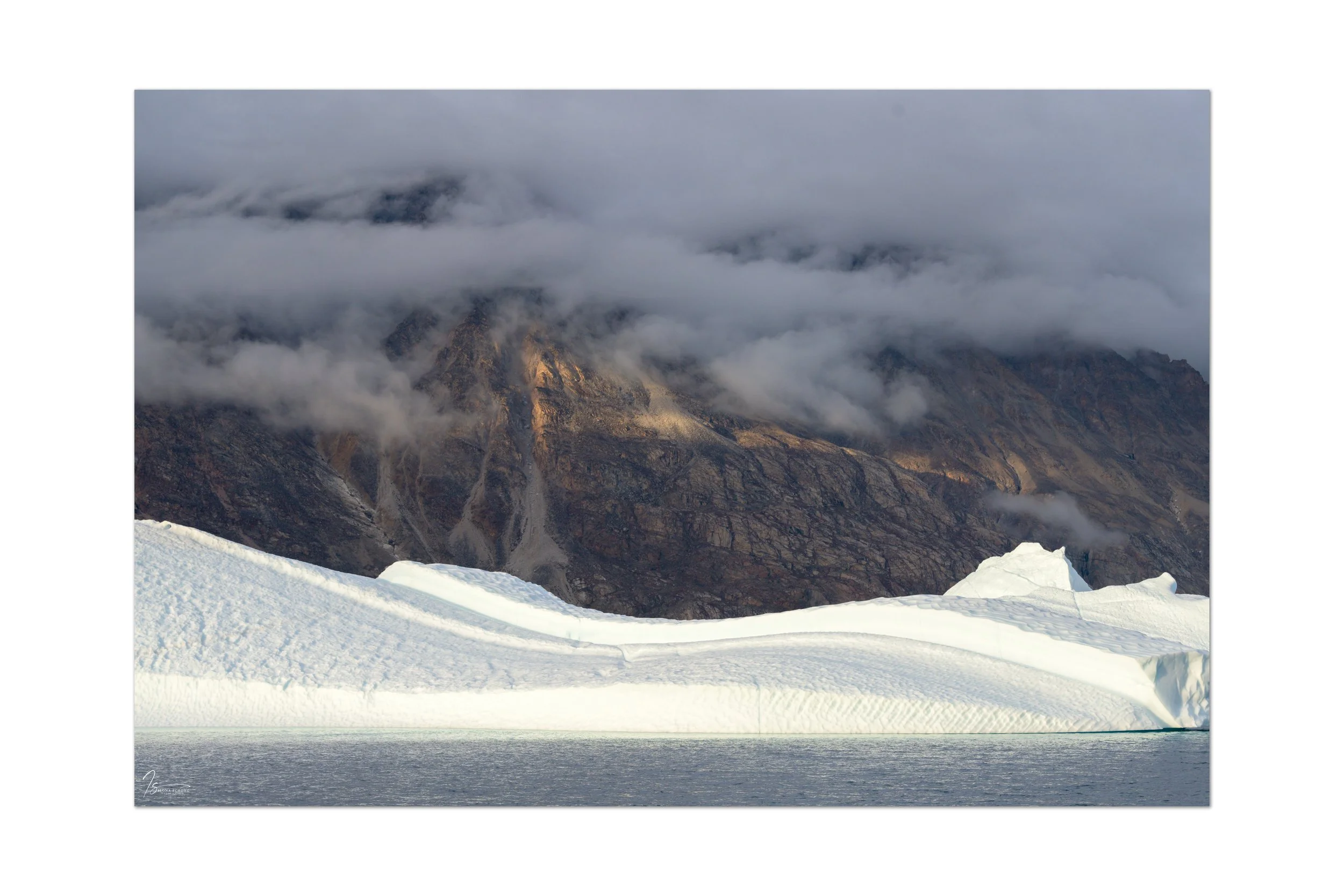
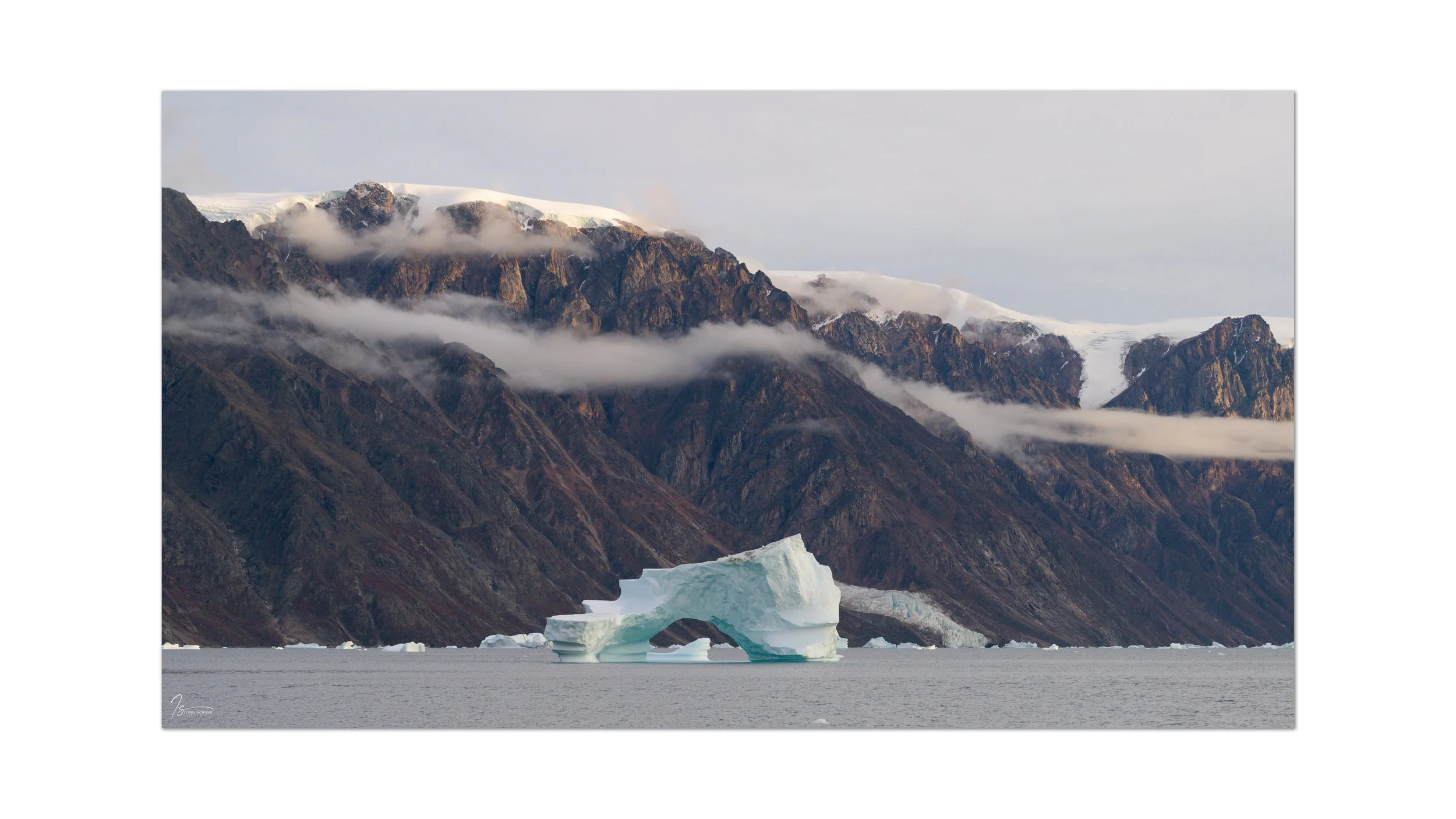
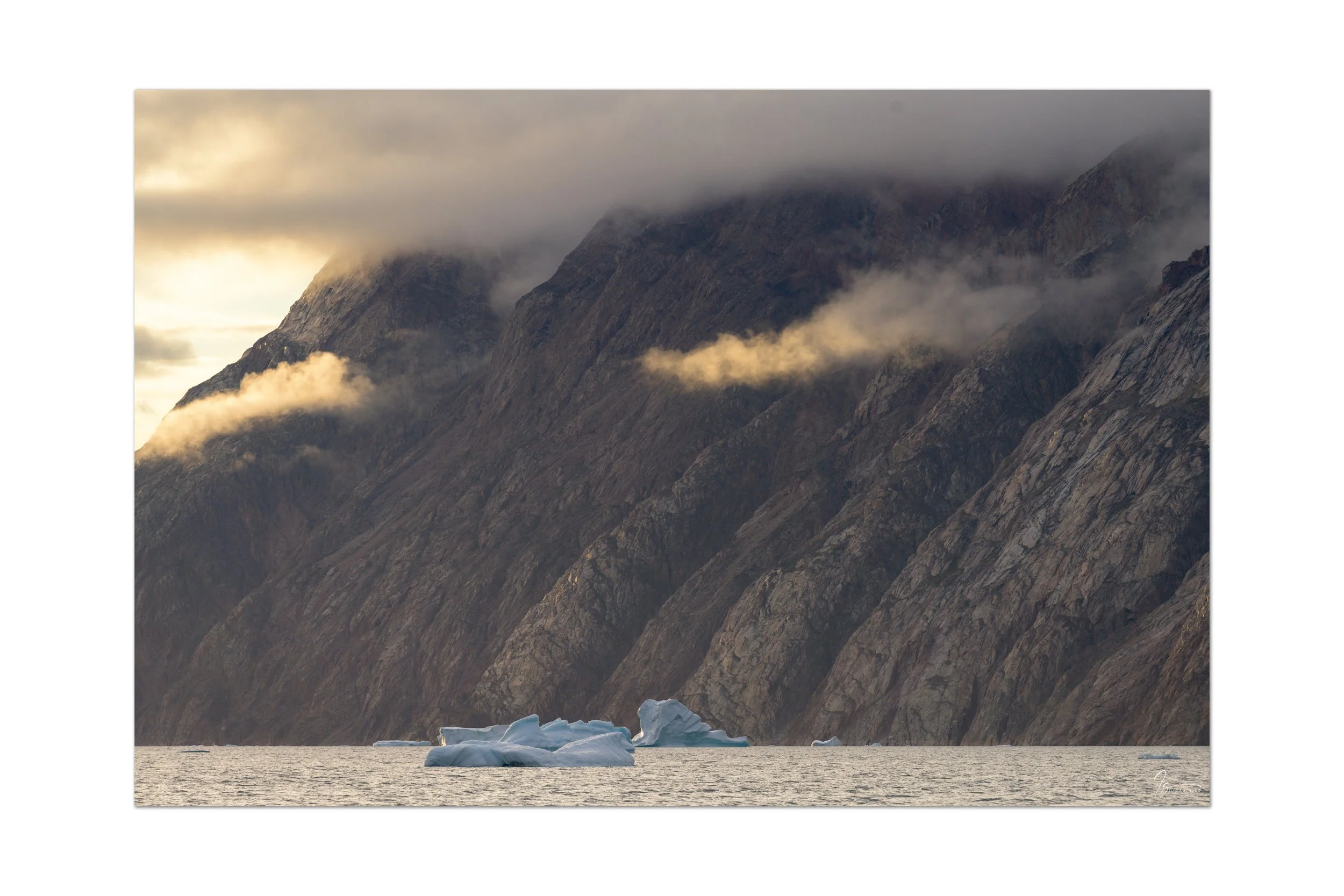
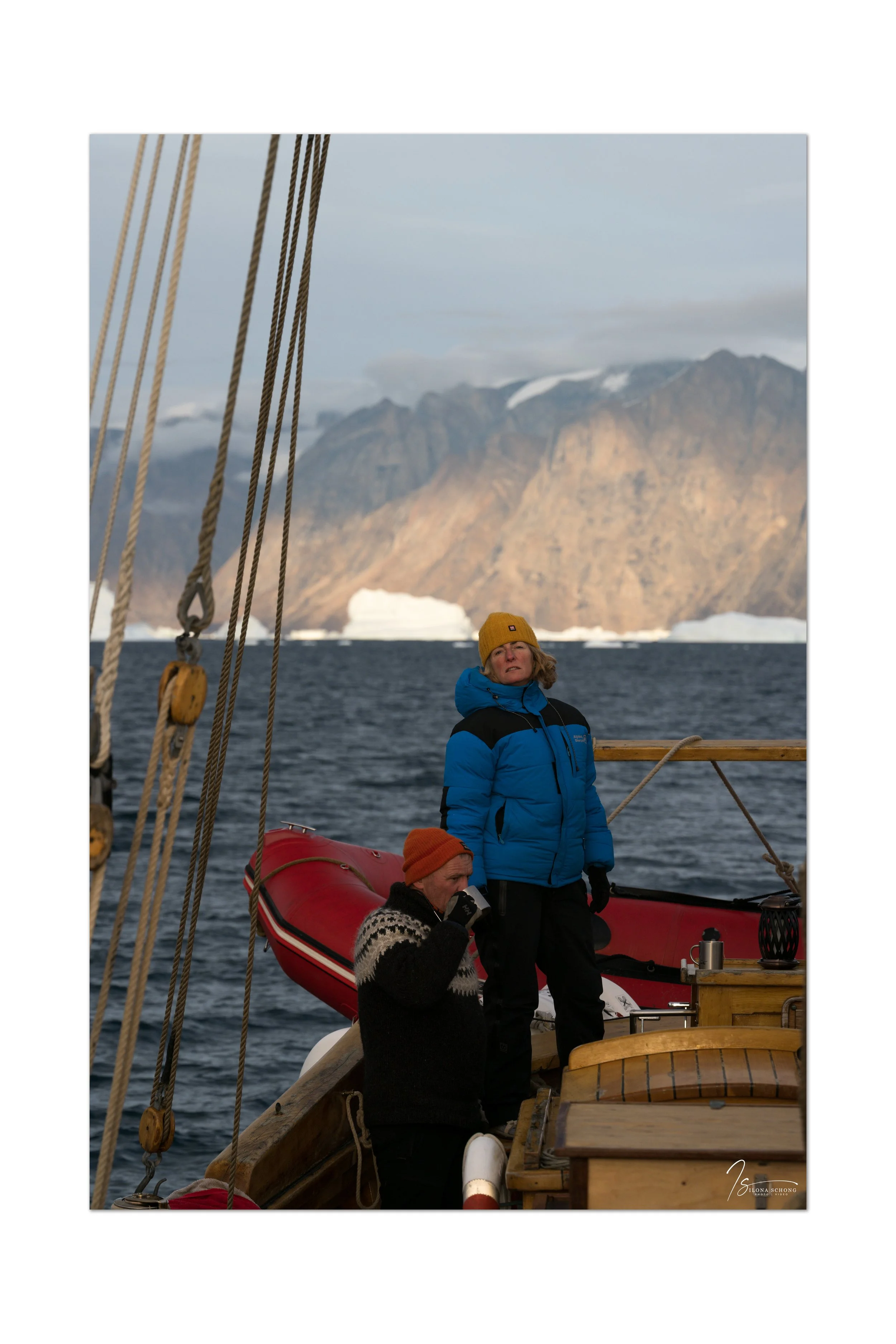
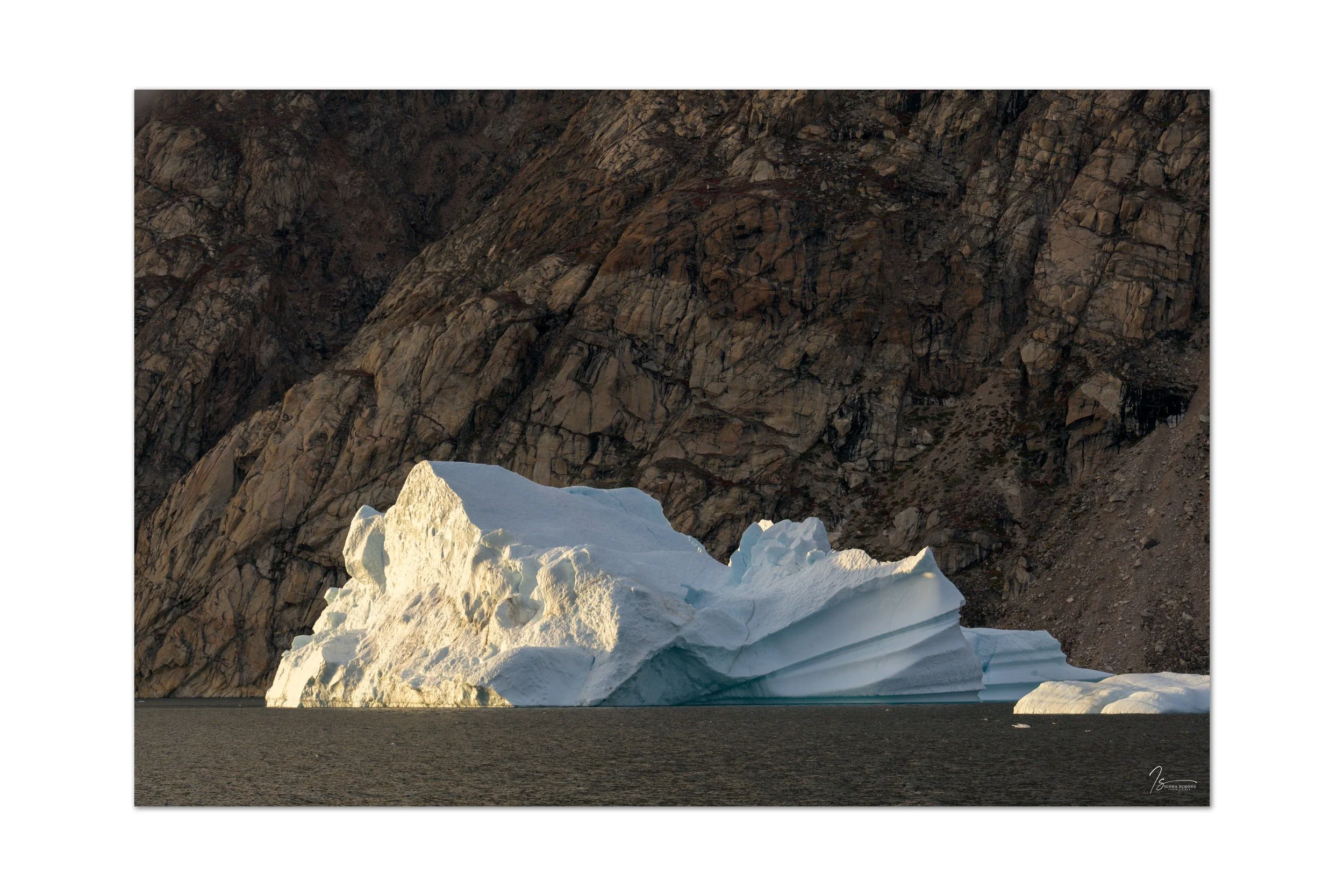
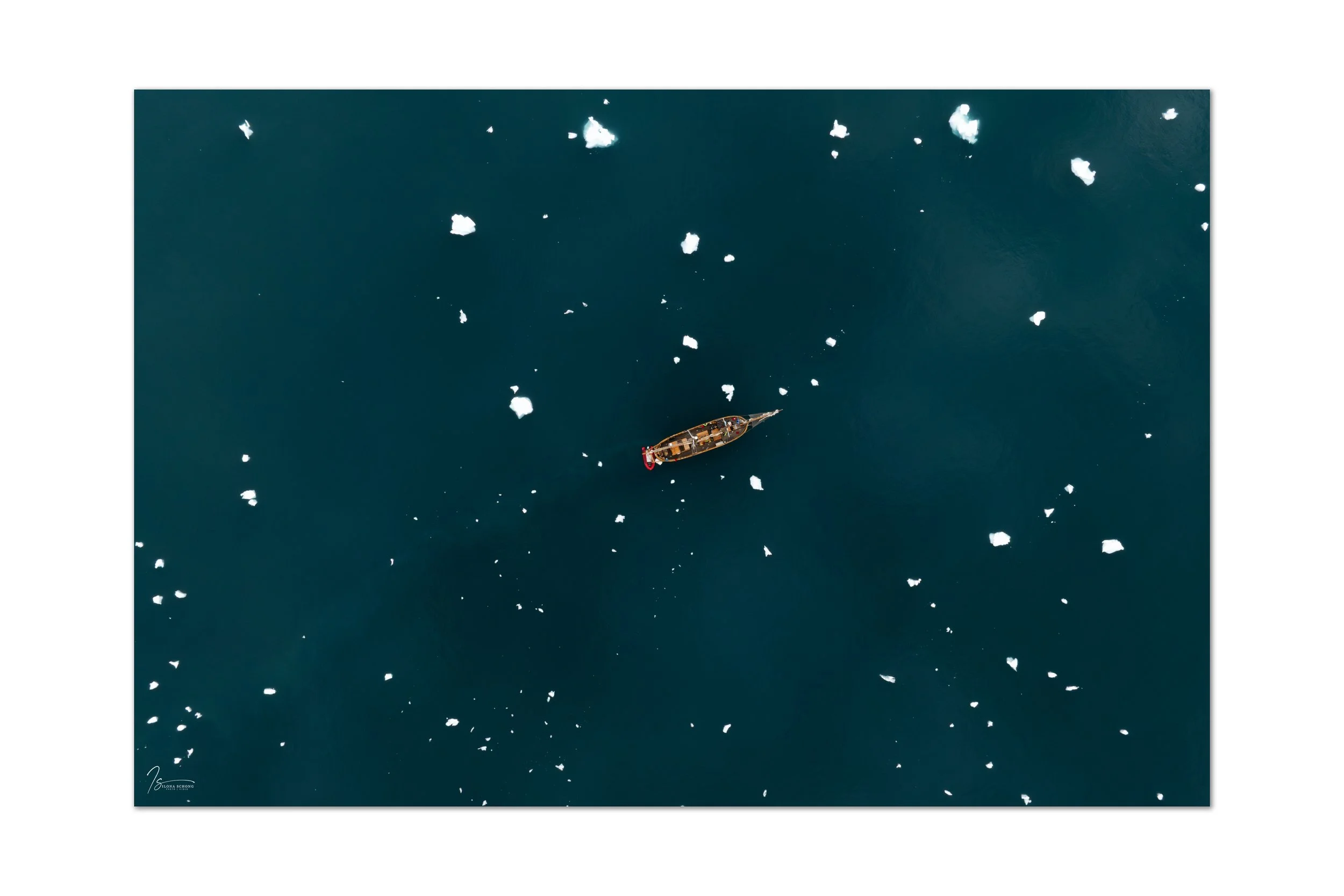
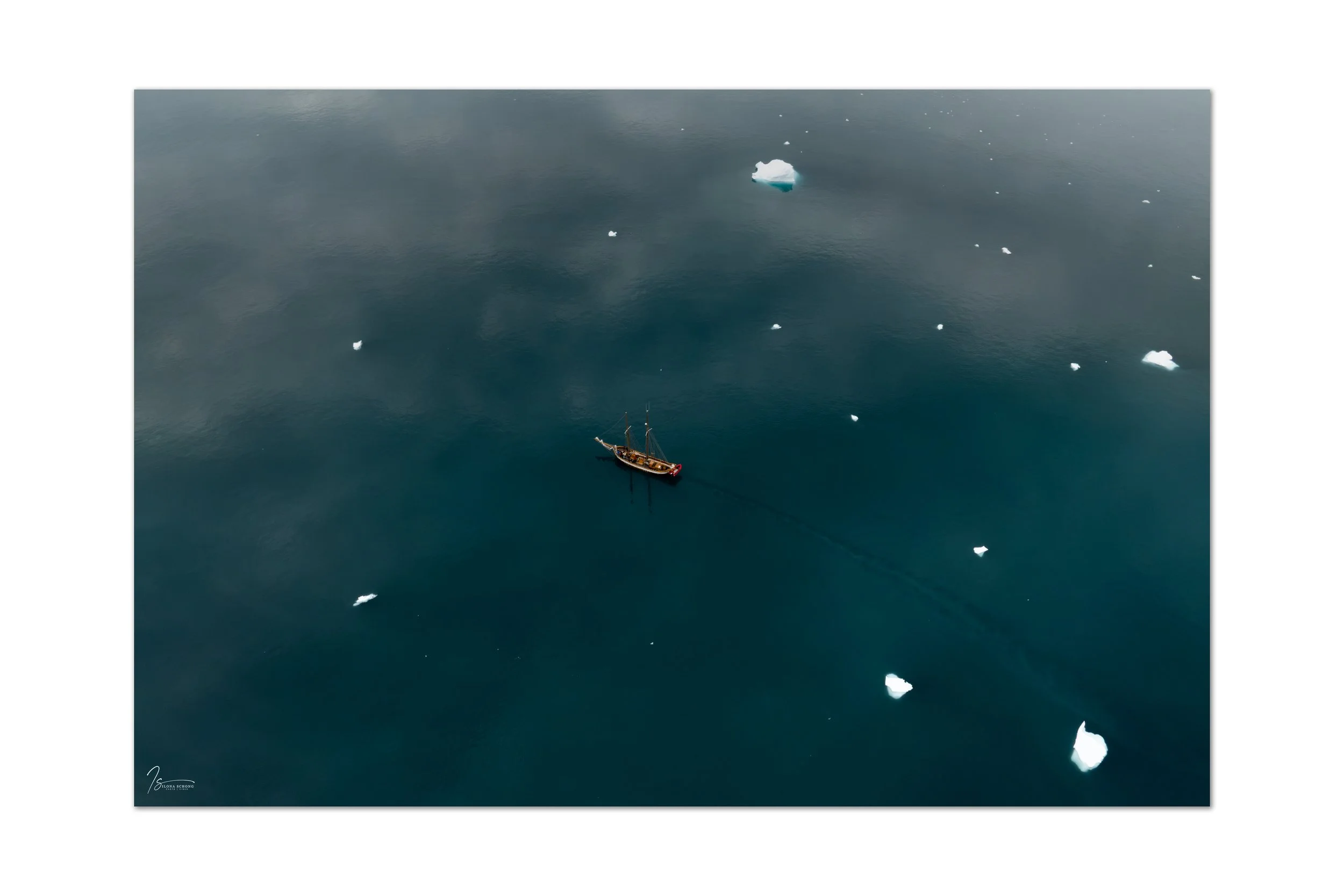
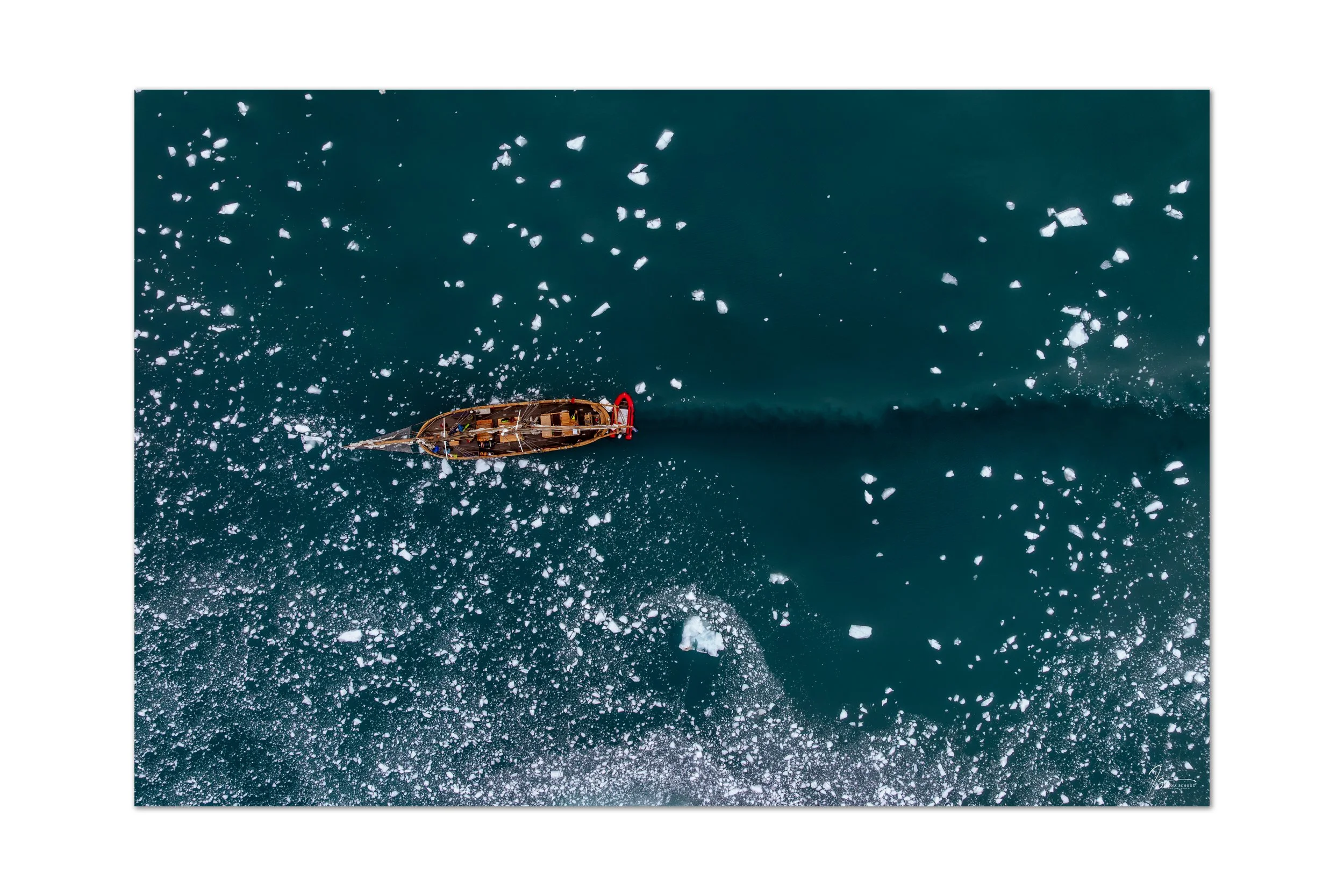
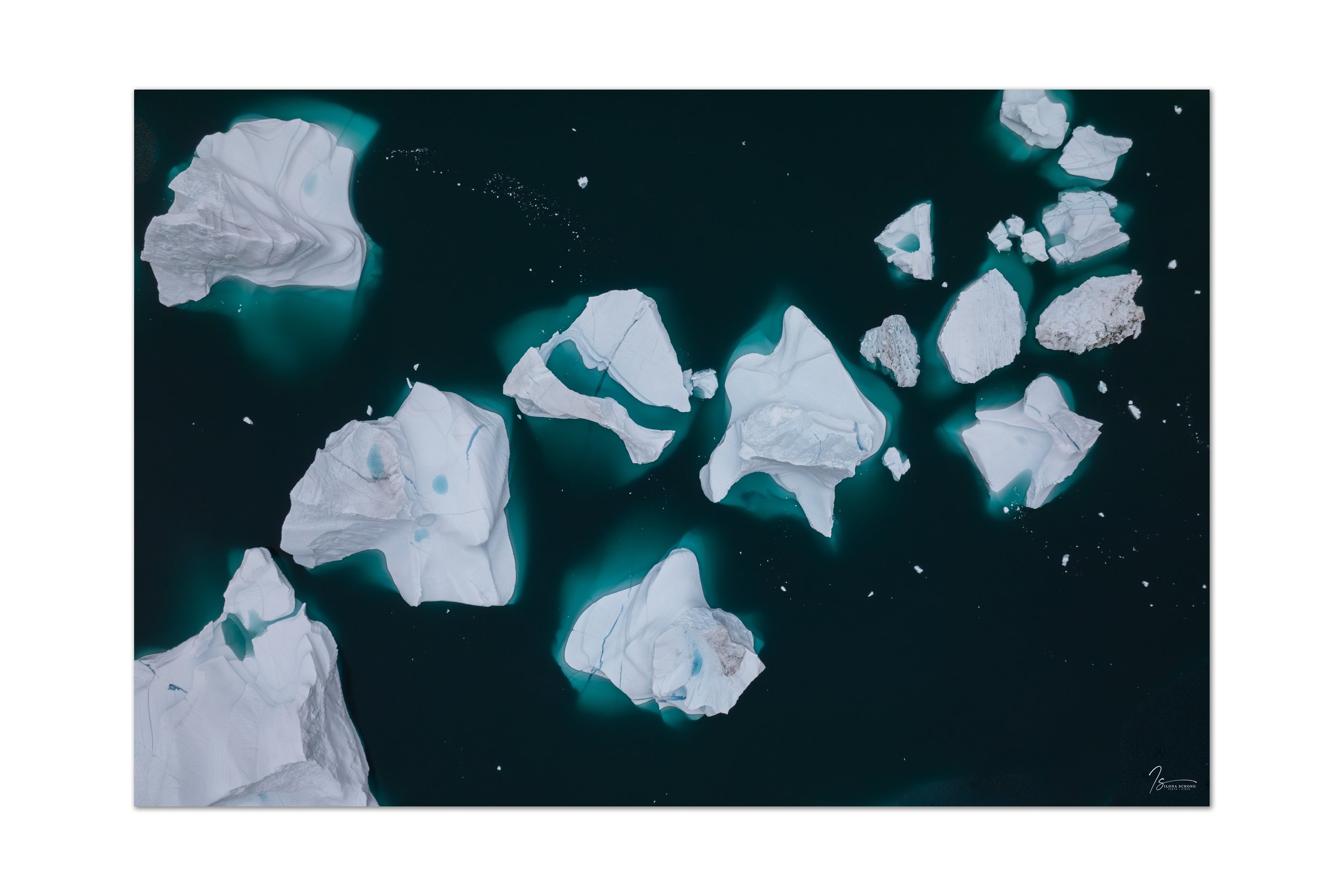
The Øfjord also offered an excellent opportunity to send the drone into the air.
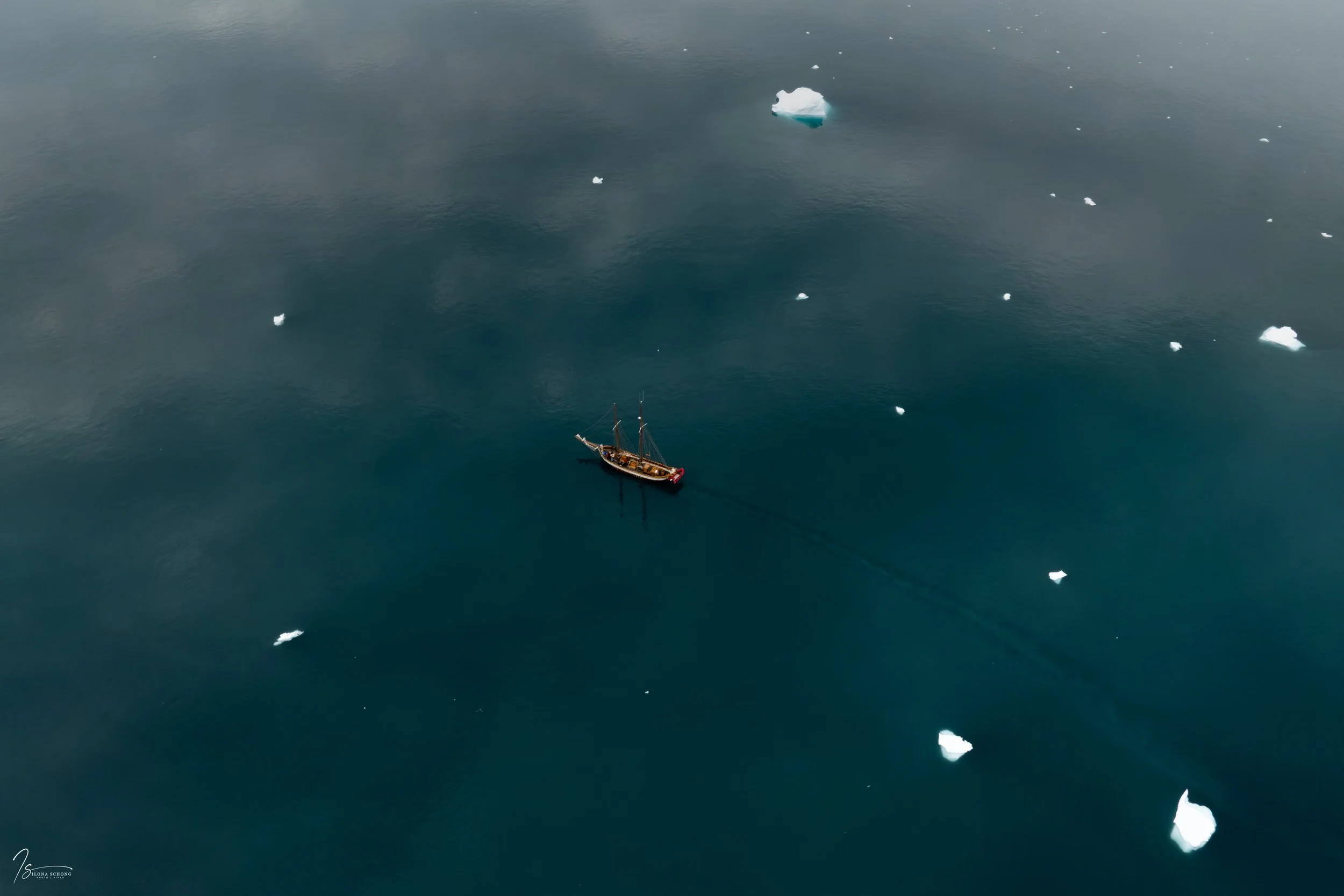
A drone still offers an amazing perspective, although I find it very stressful when I'm on a moving boat.
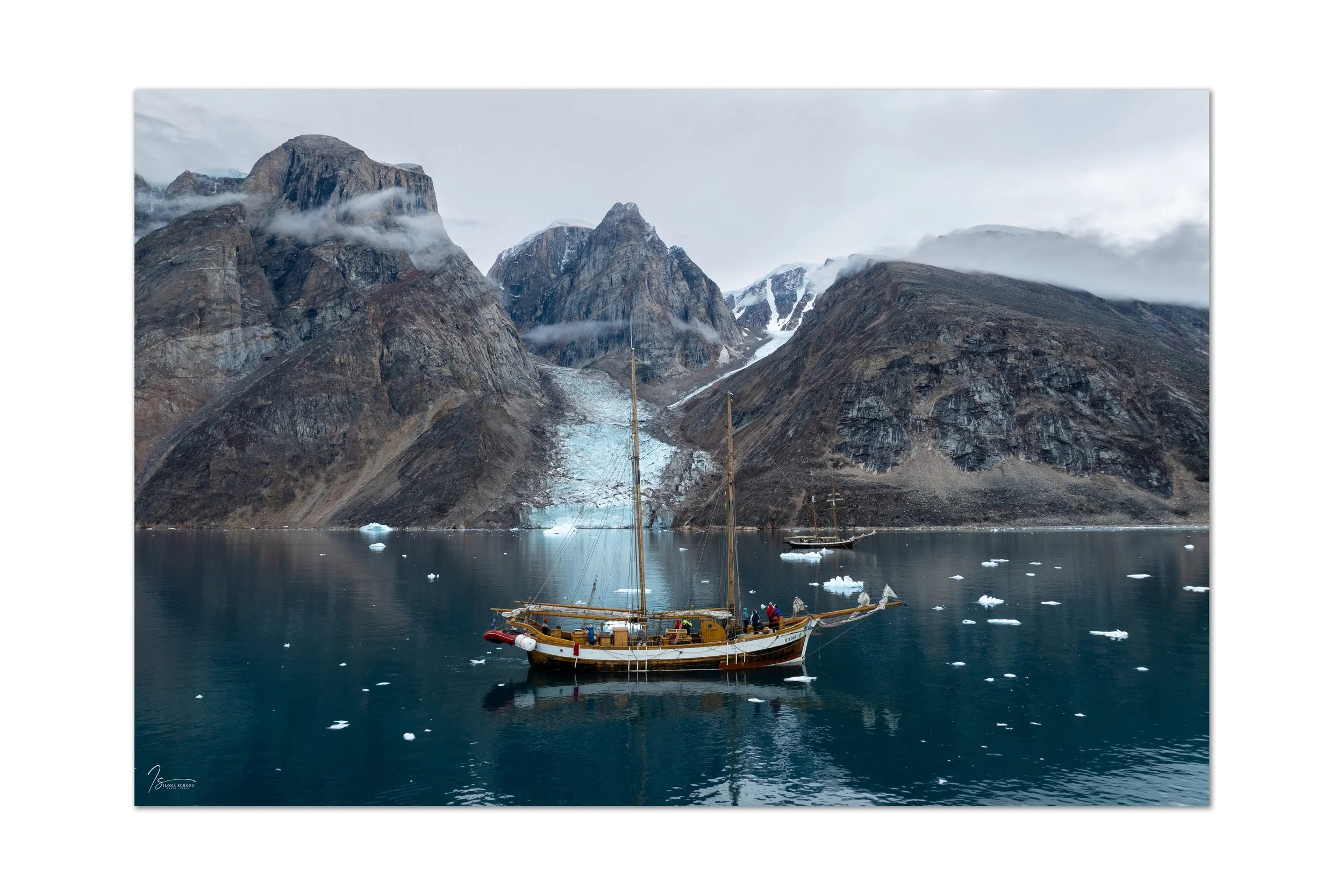
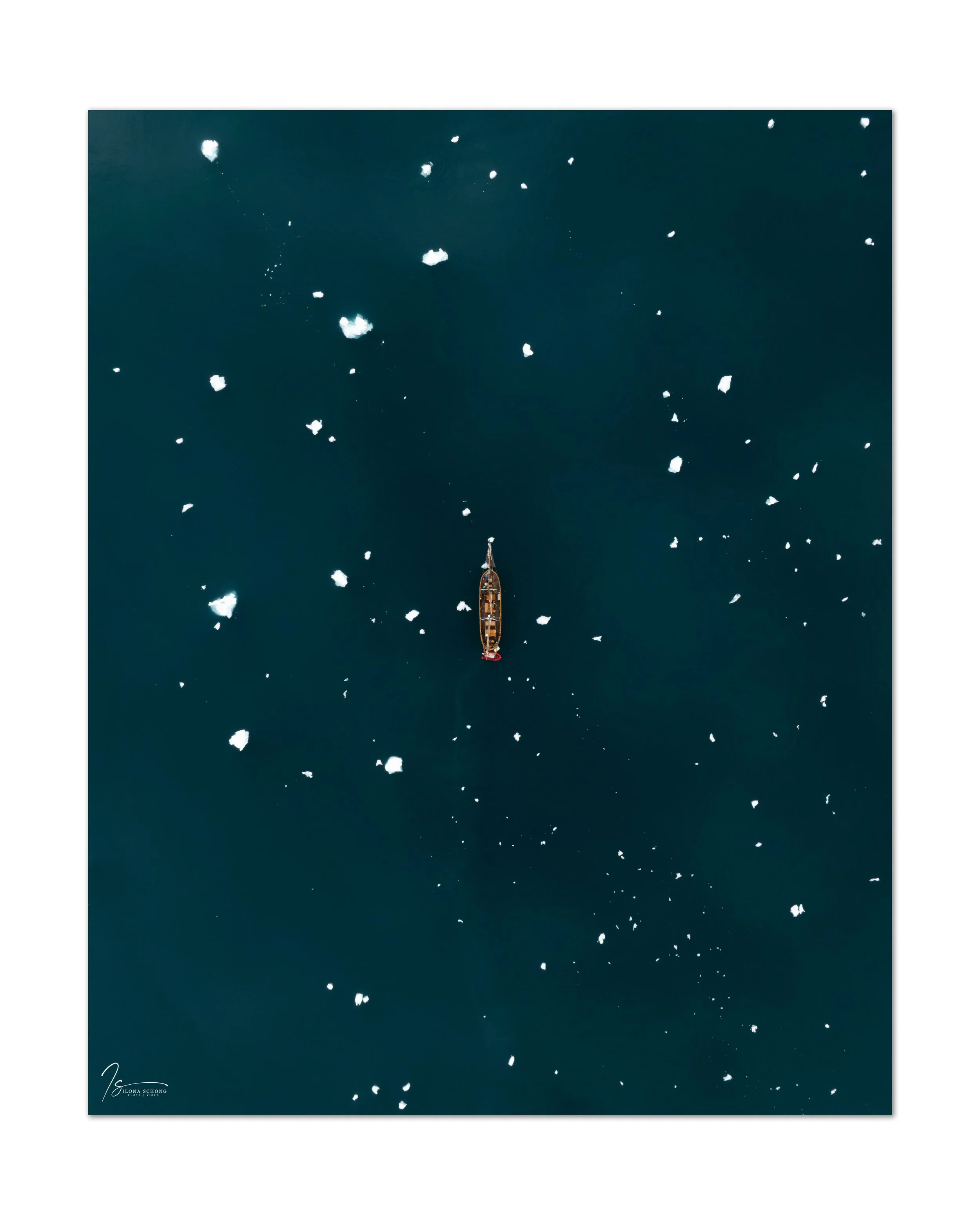
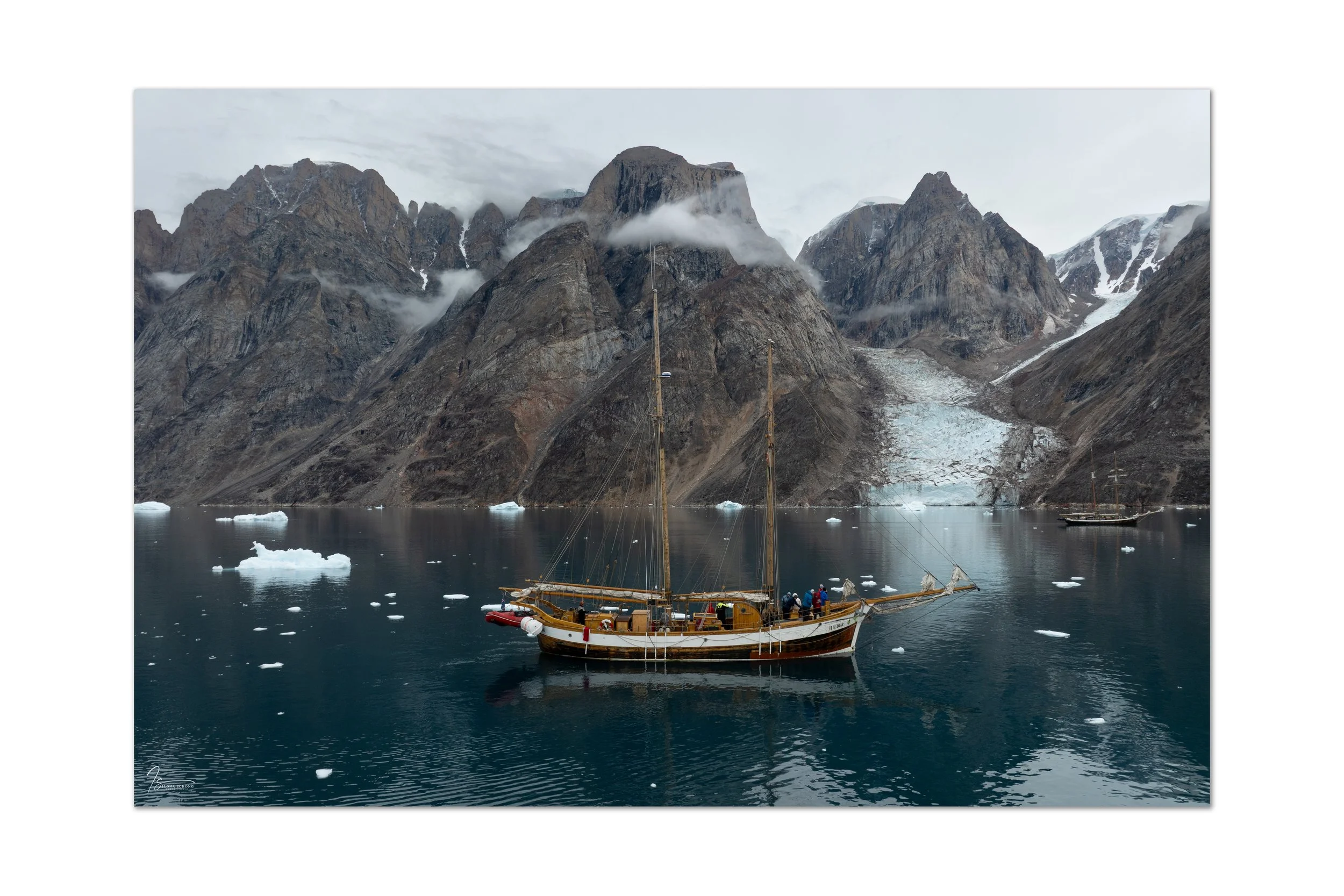
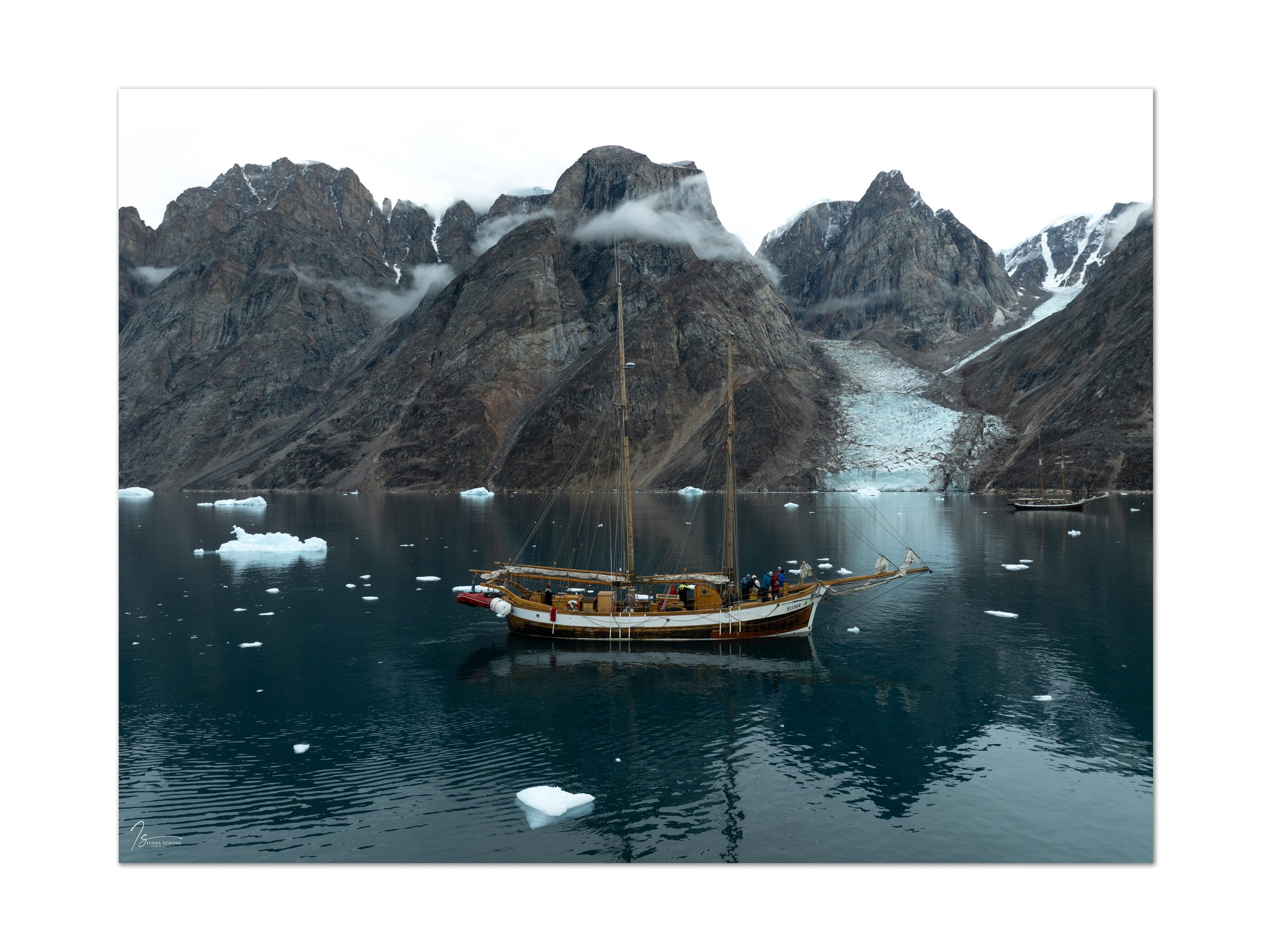
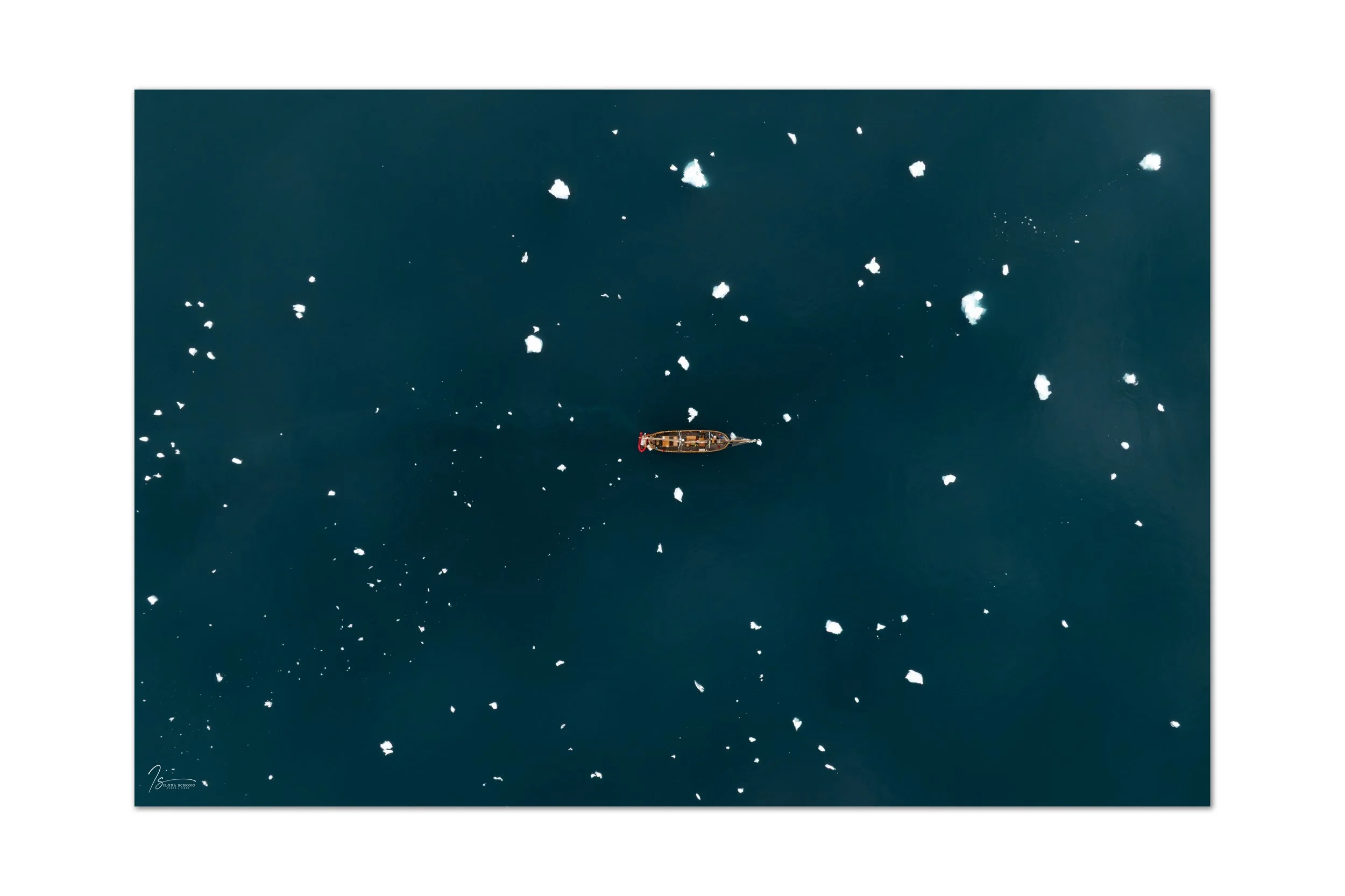
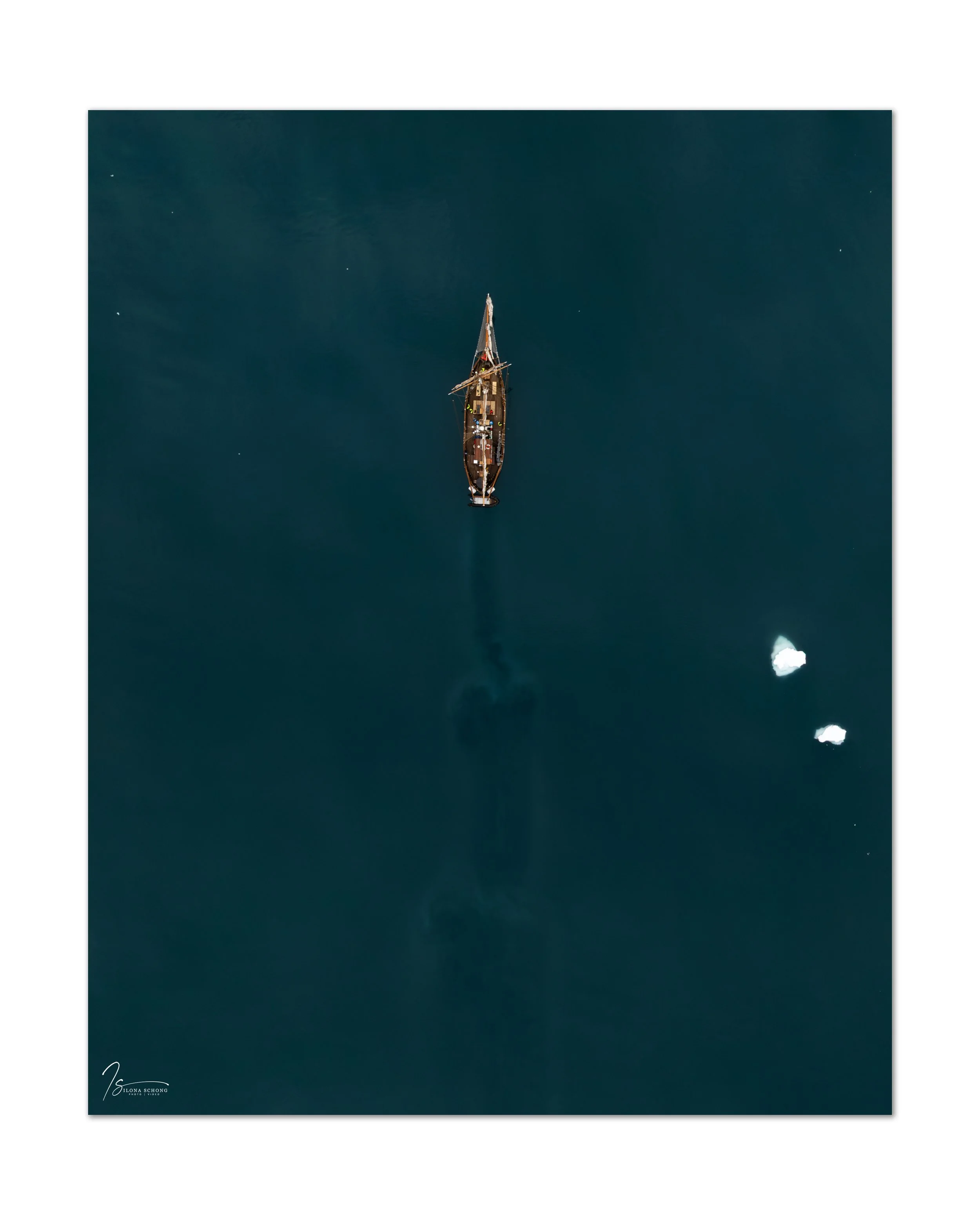
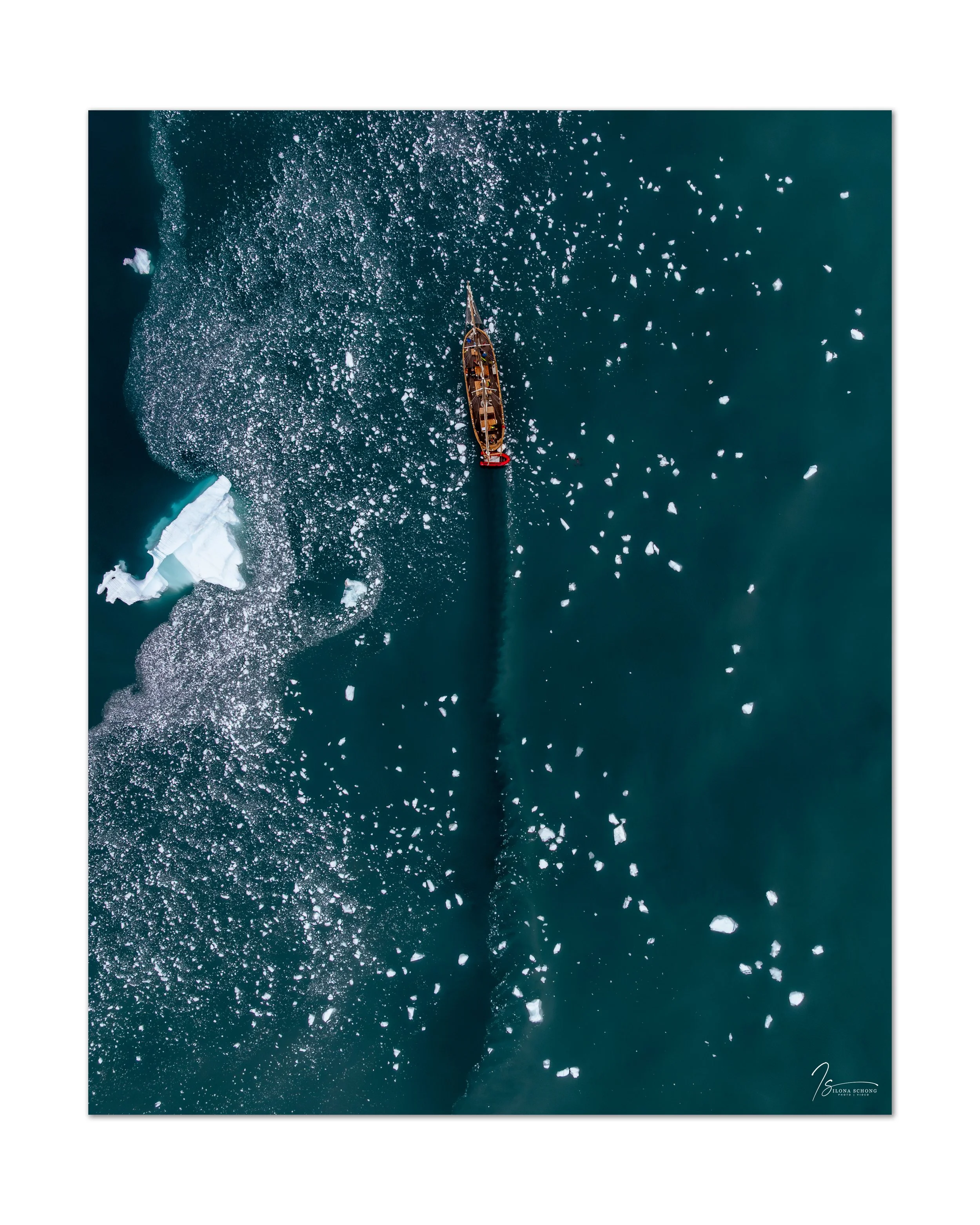
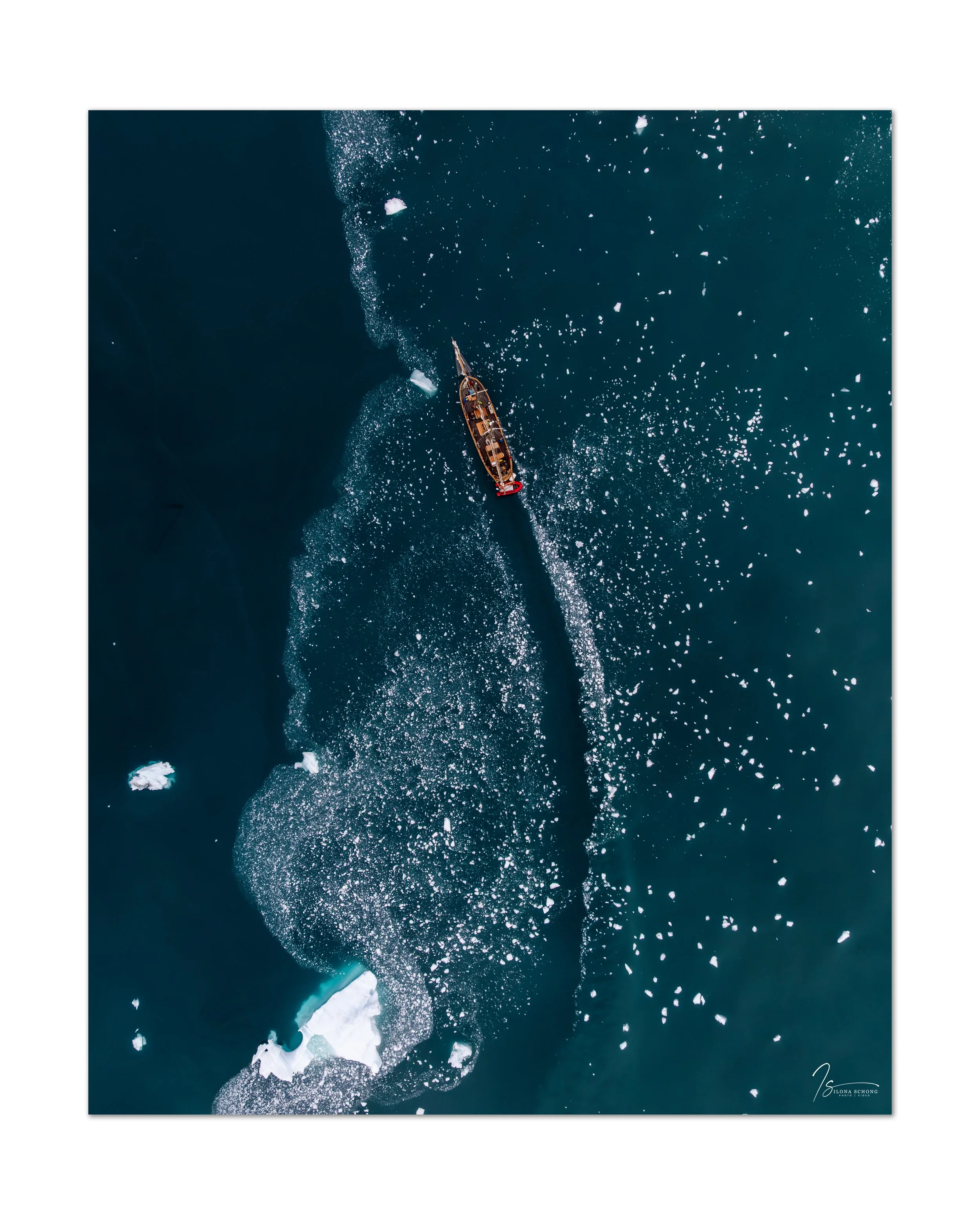
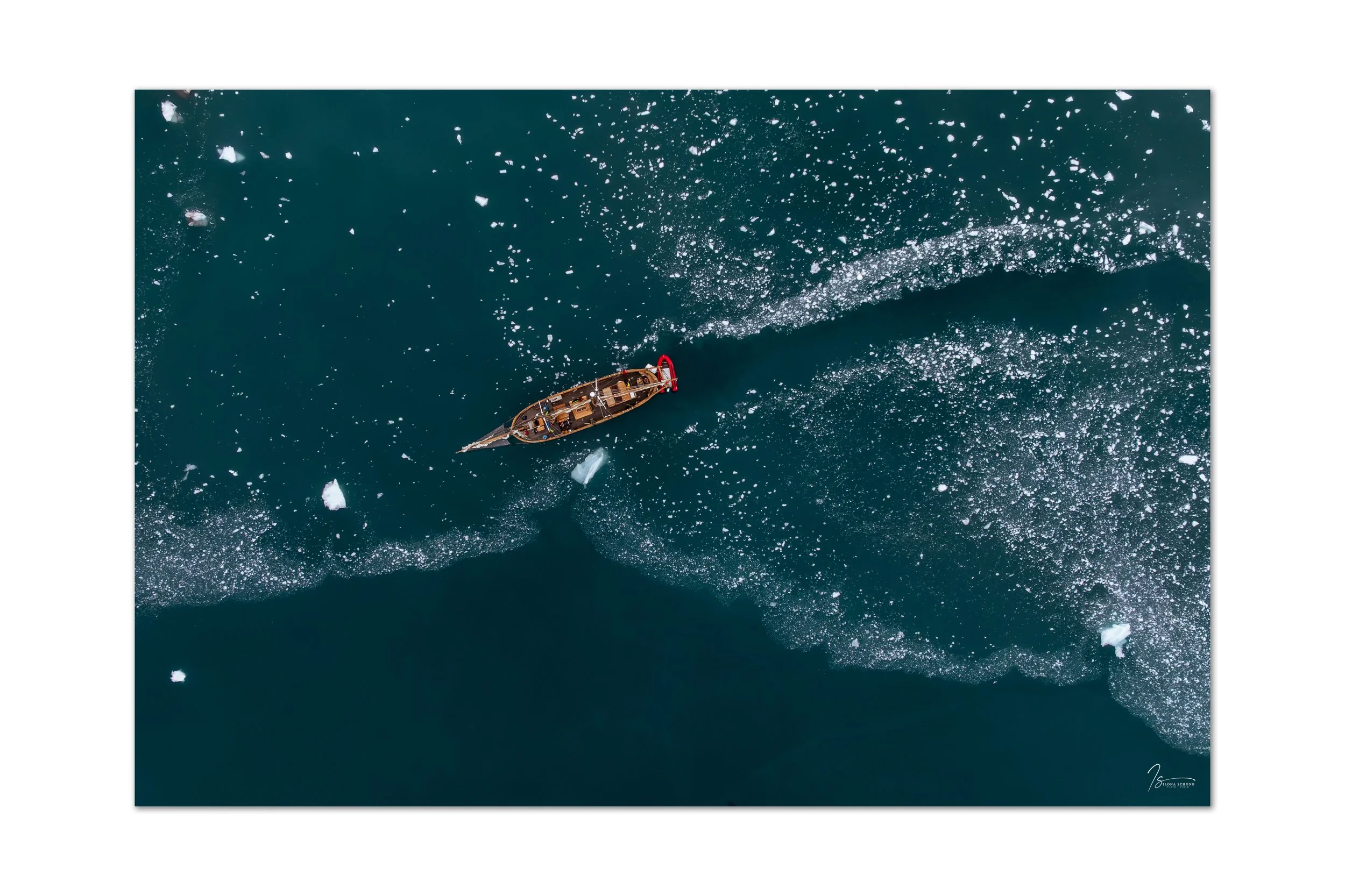
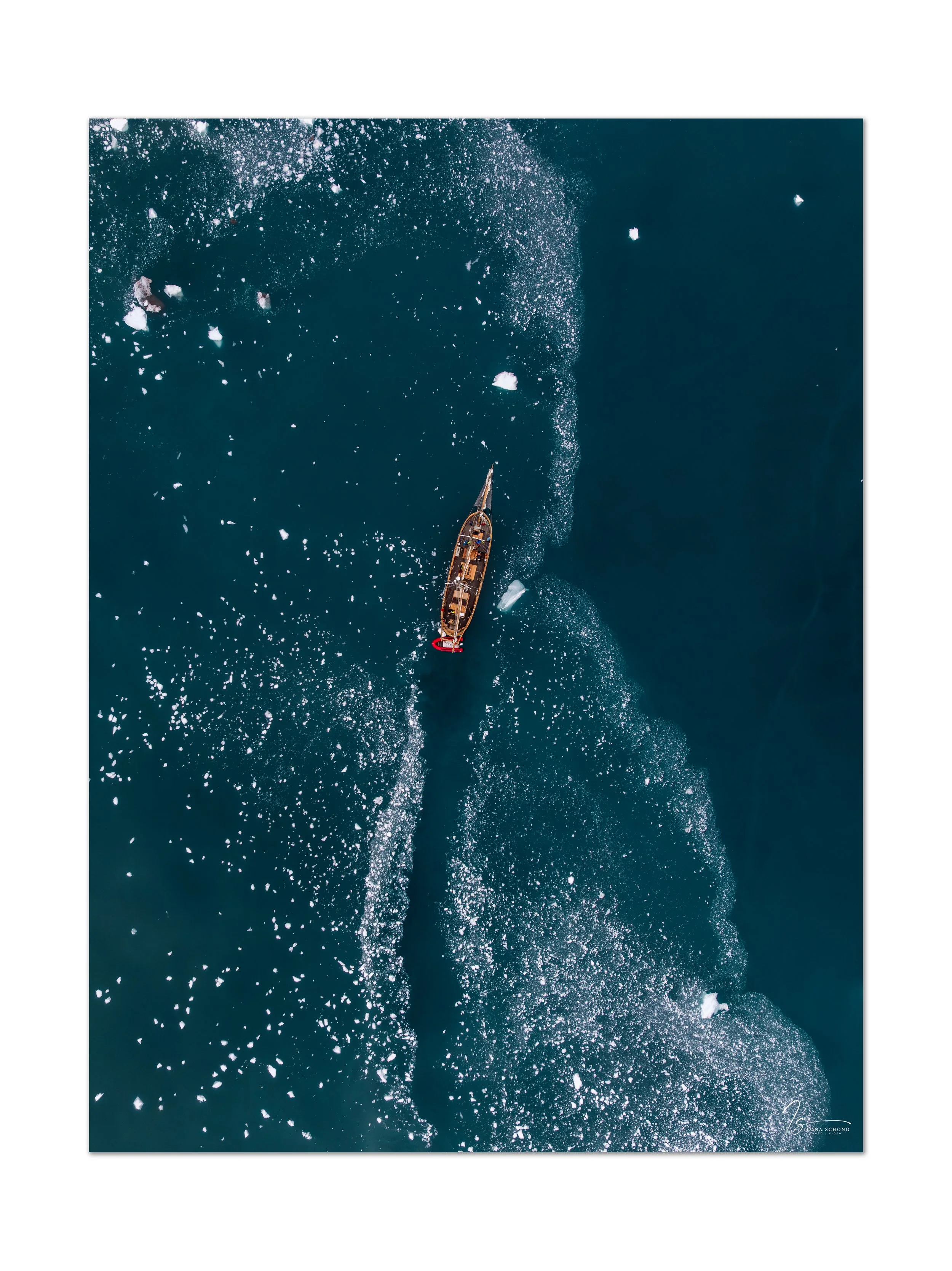
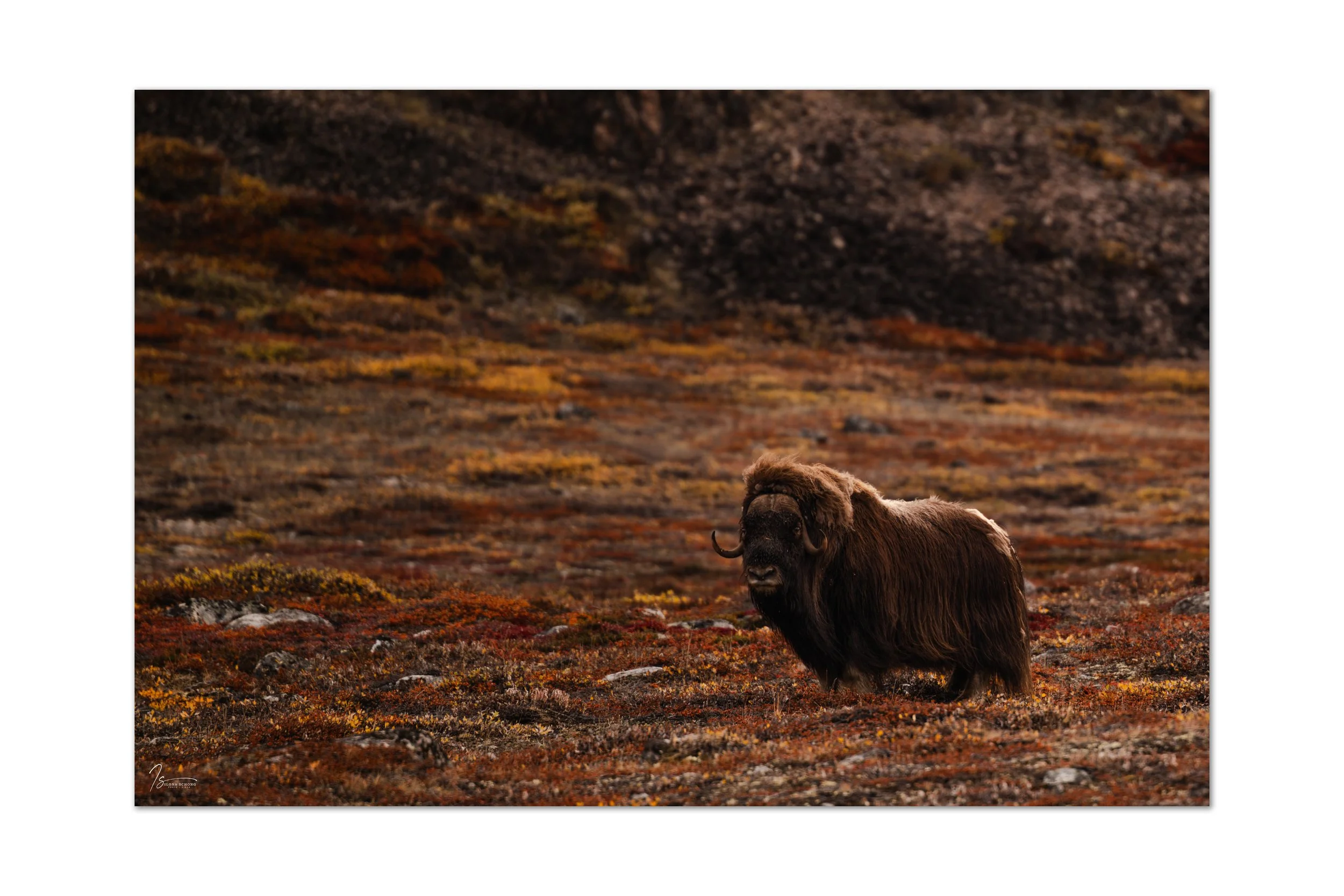
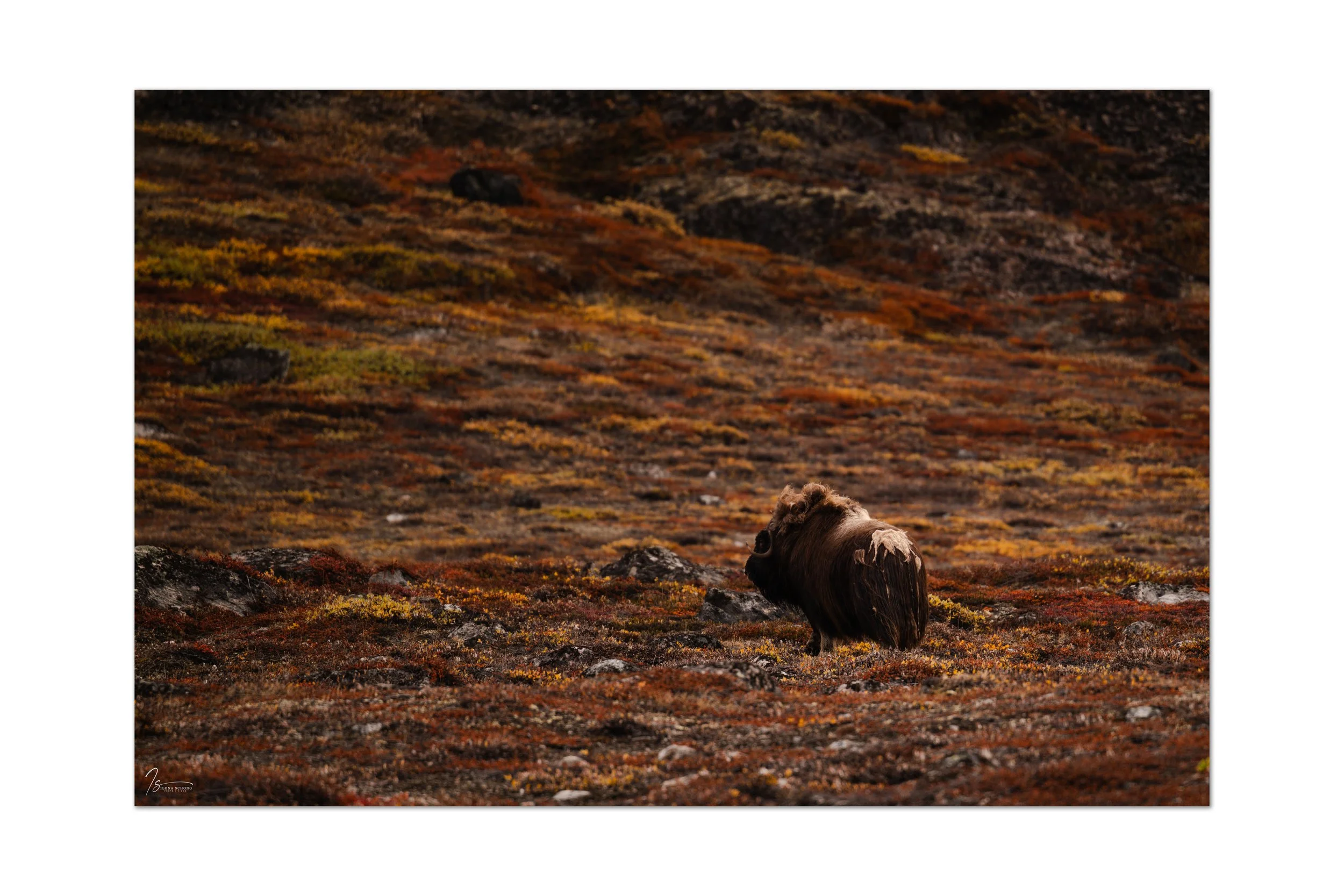
Our anchorage was Harefjord, where, as a special exception, all three boats were moored side by side, allowing us to visit each other back and forth. There, we also saw our first muskoxen, amidst vegetation that had already taken on beautiful fall colors.
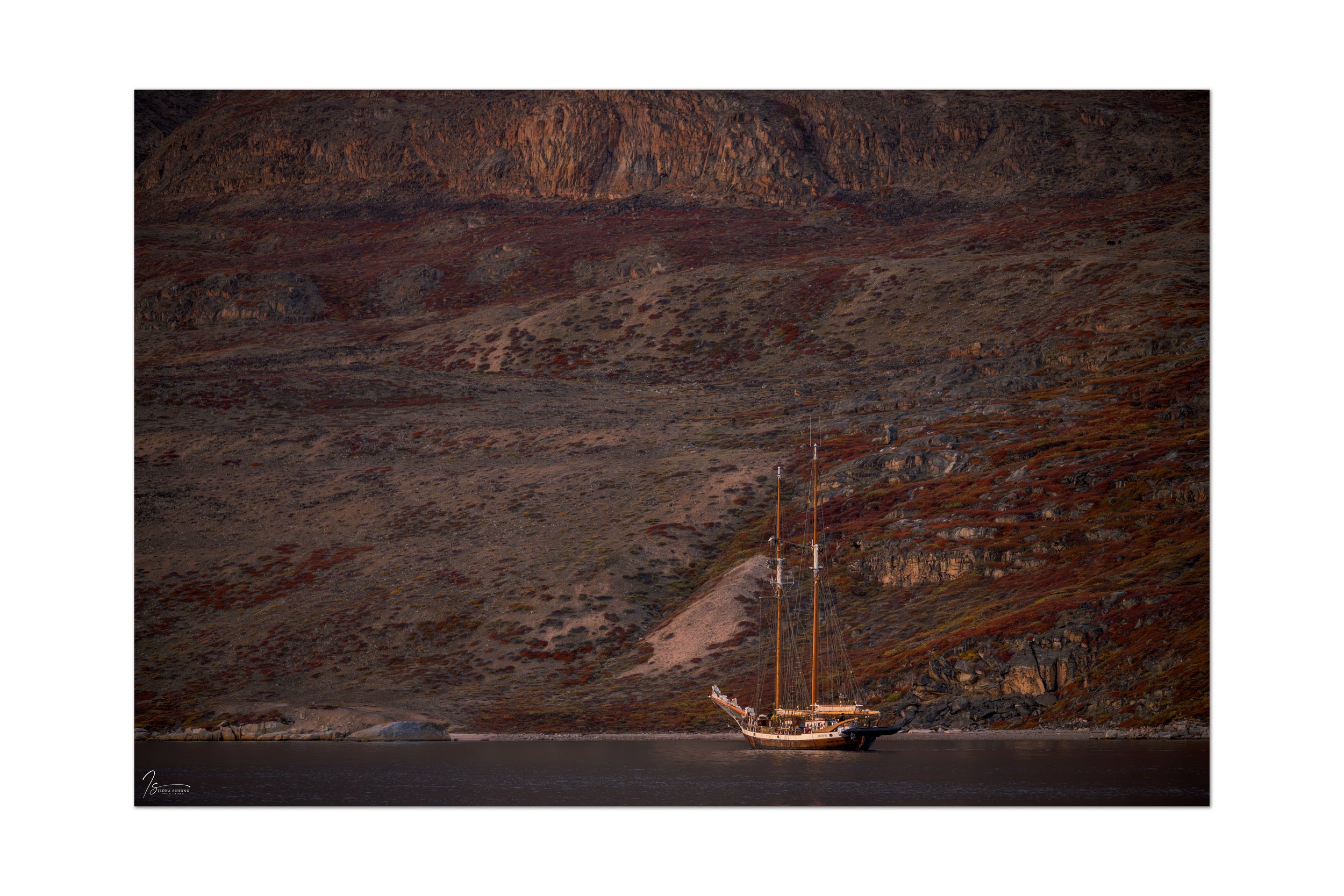
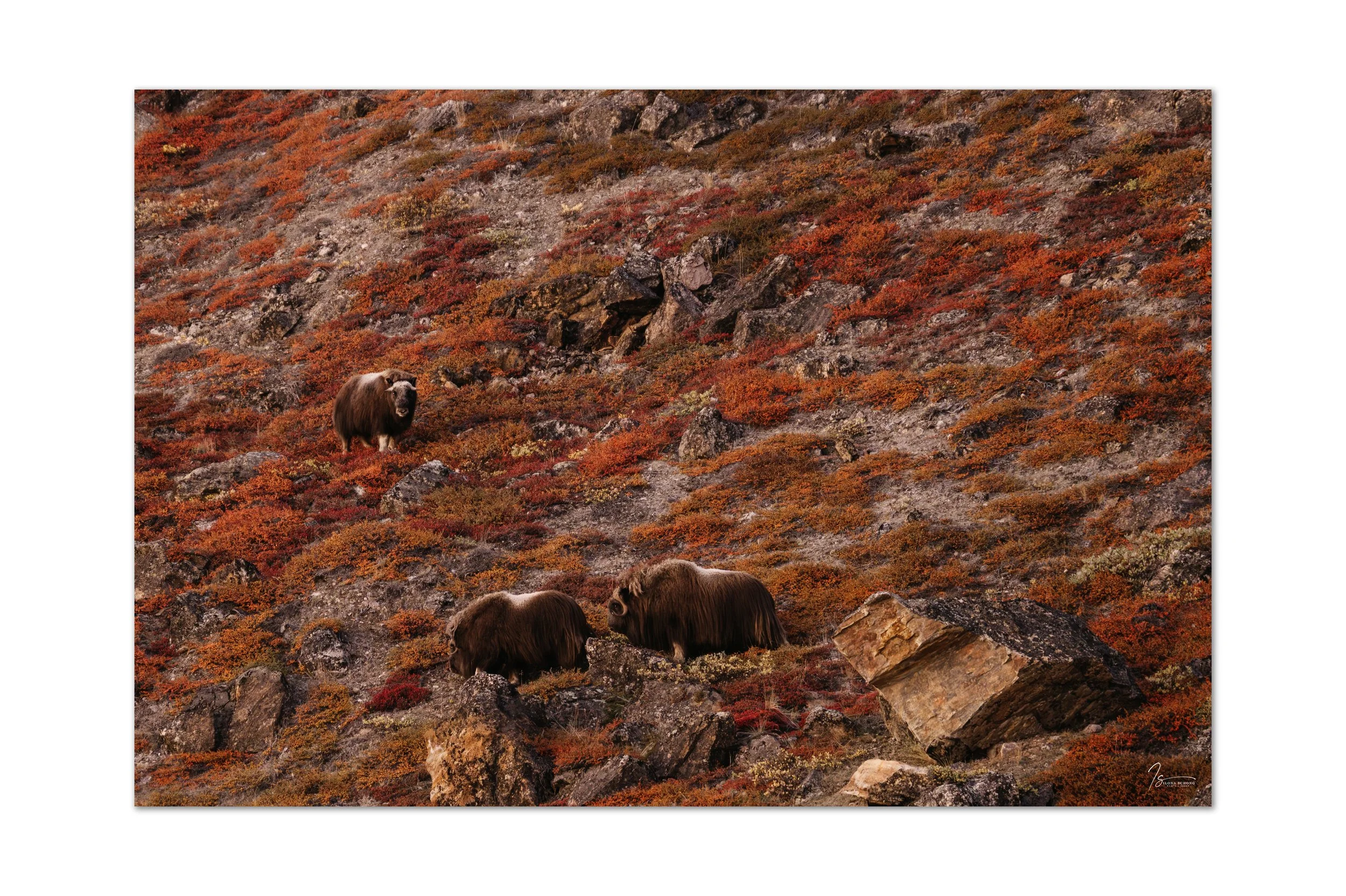
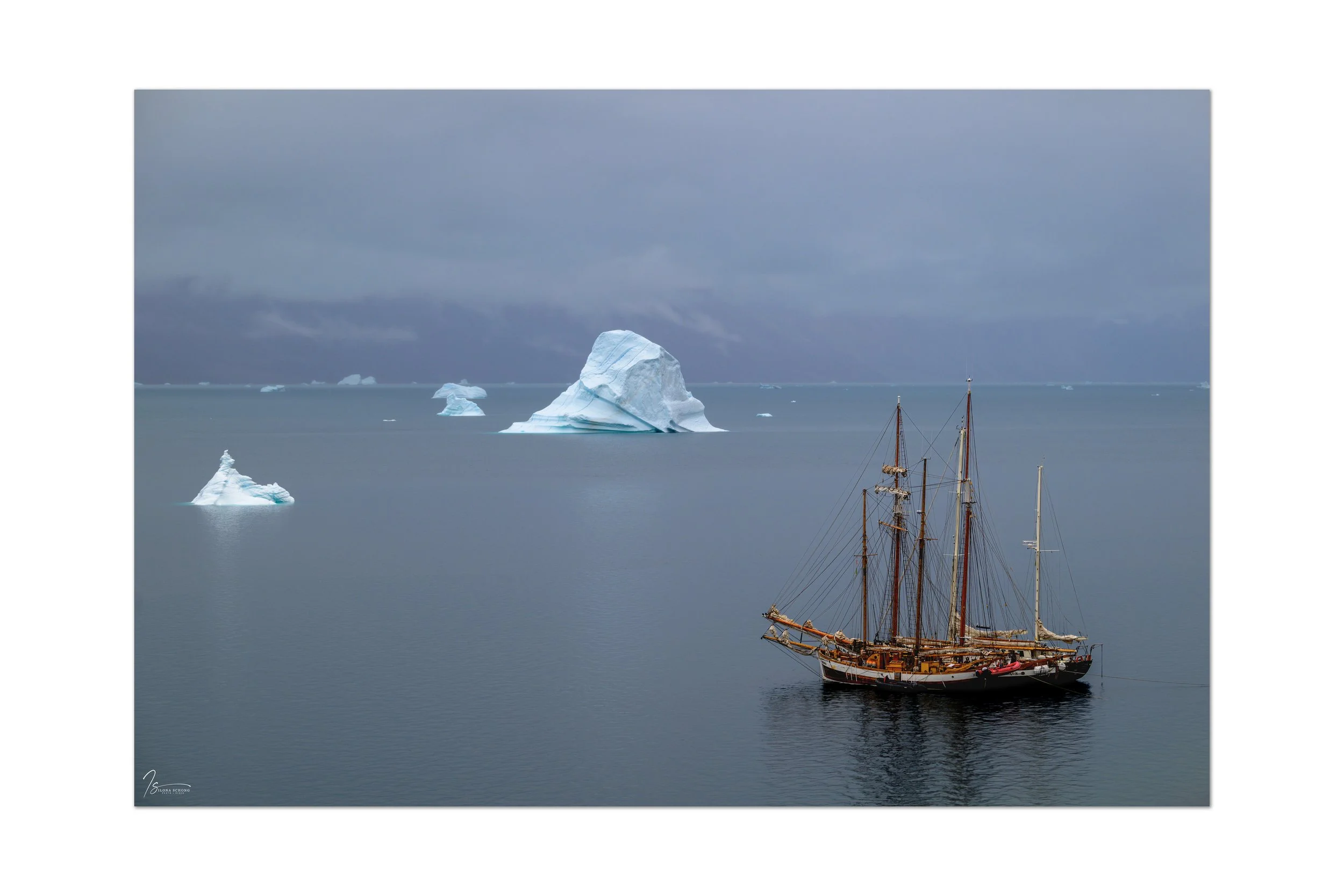
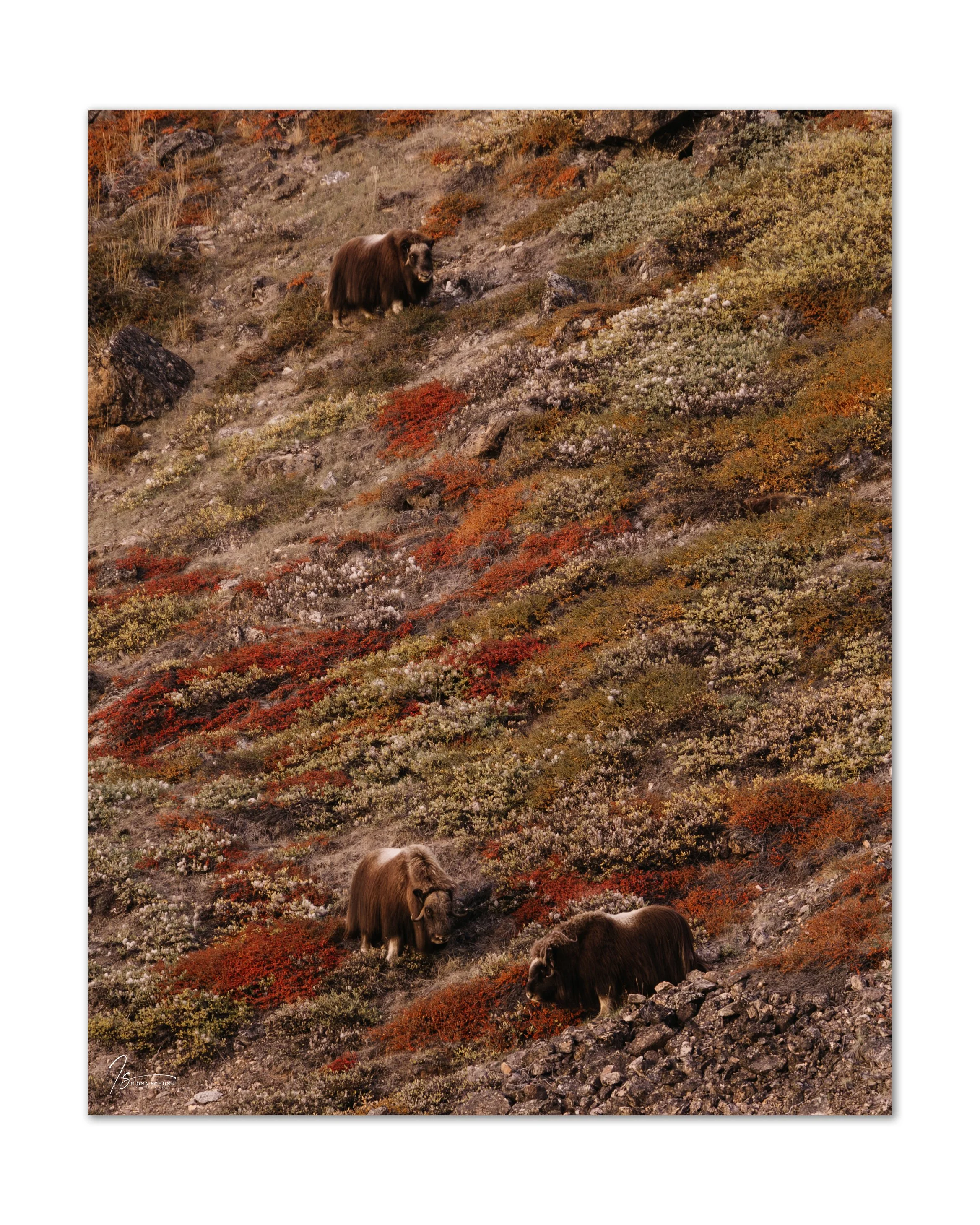
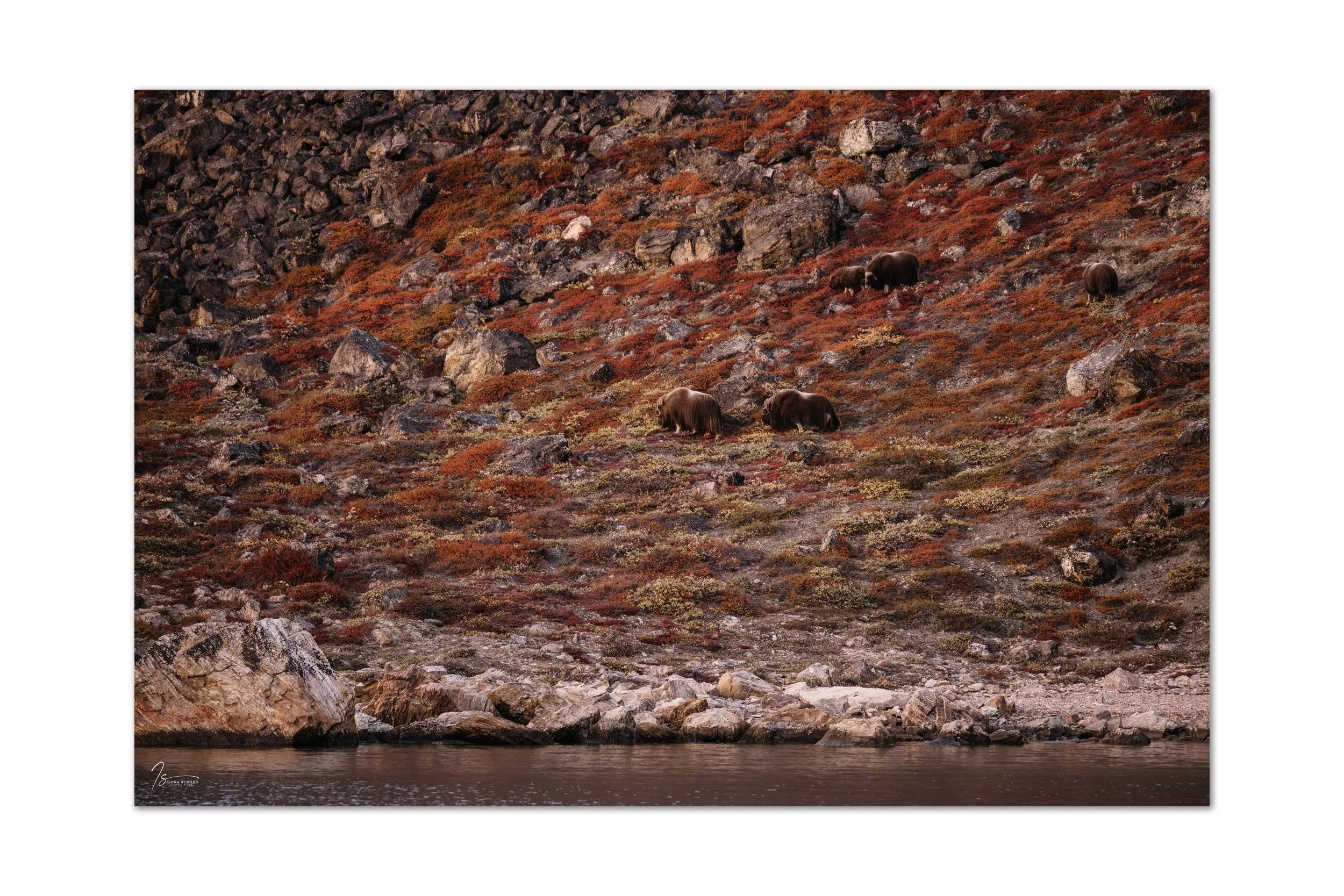
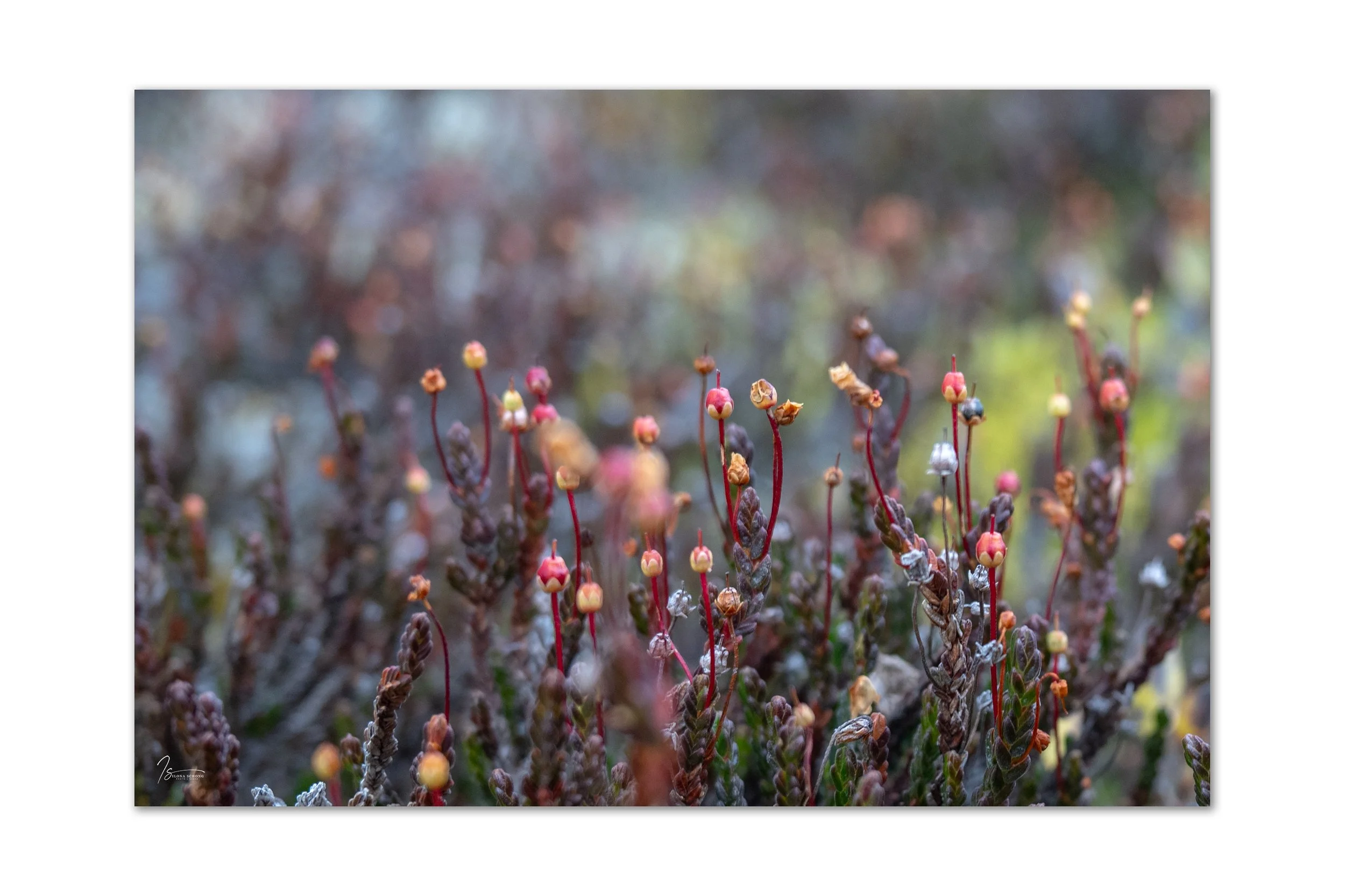
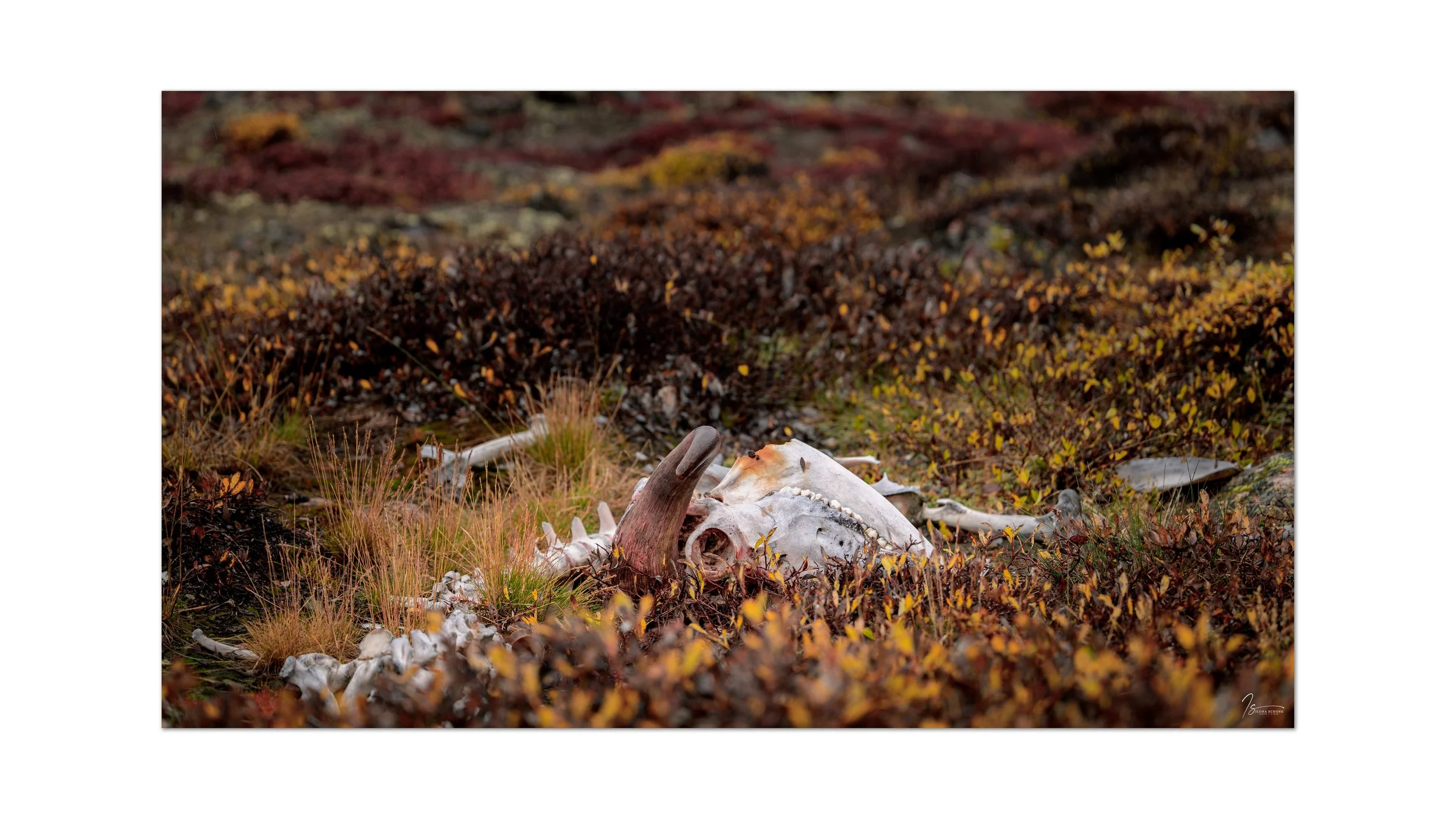
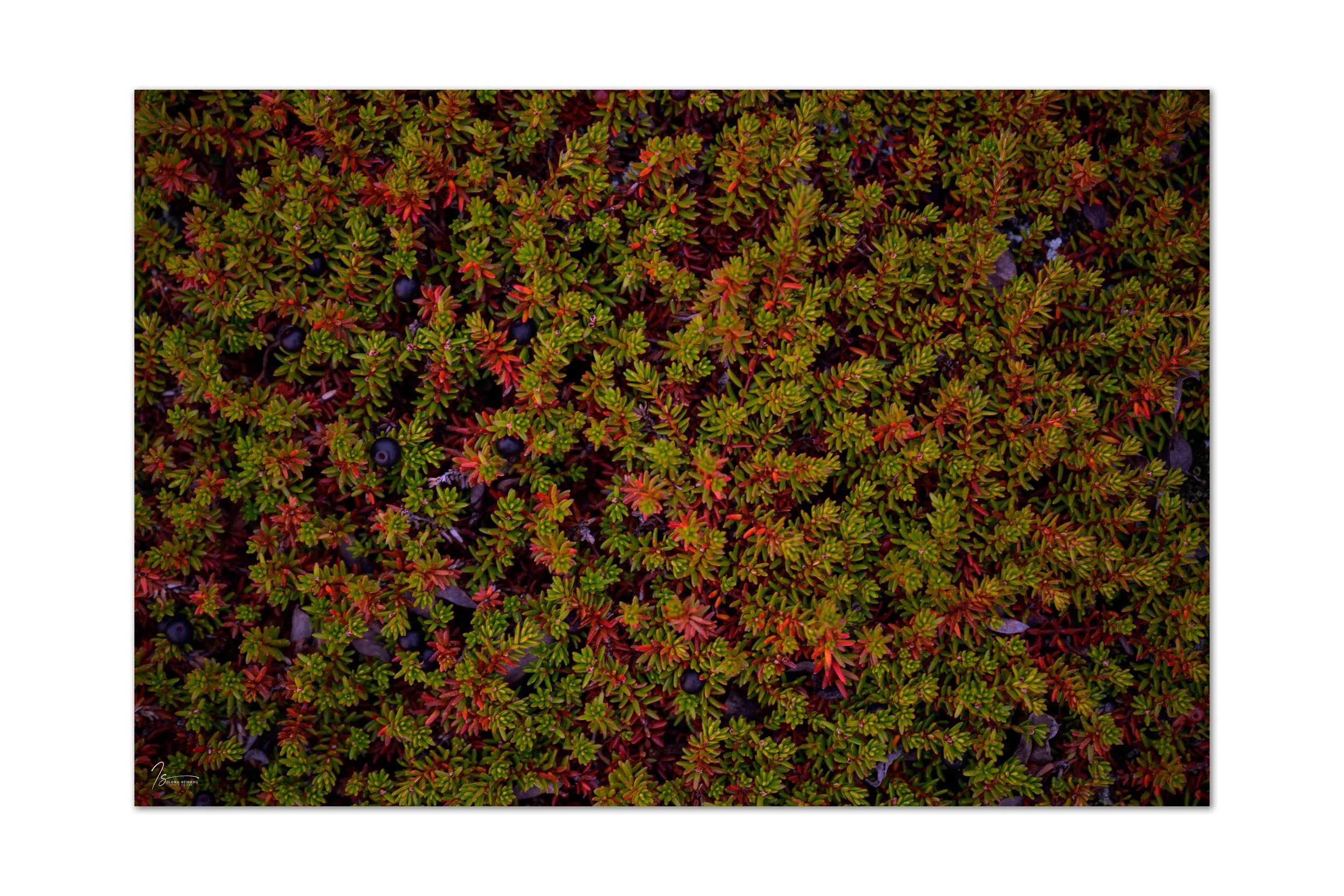
The next morning, we first went ashore in the Zodiac for a refreshing morning walk. The fall colors were beautiful; some of the vegetation was bright red. We also came across the carcass of a muskox.
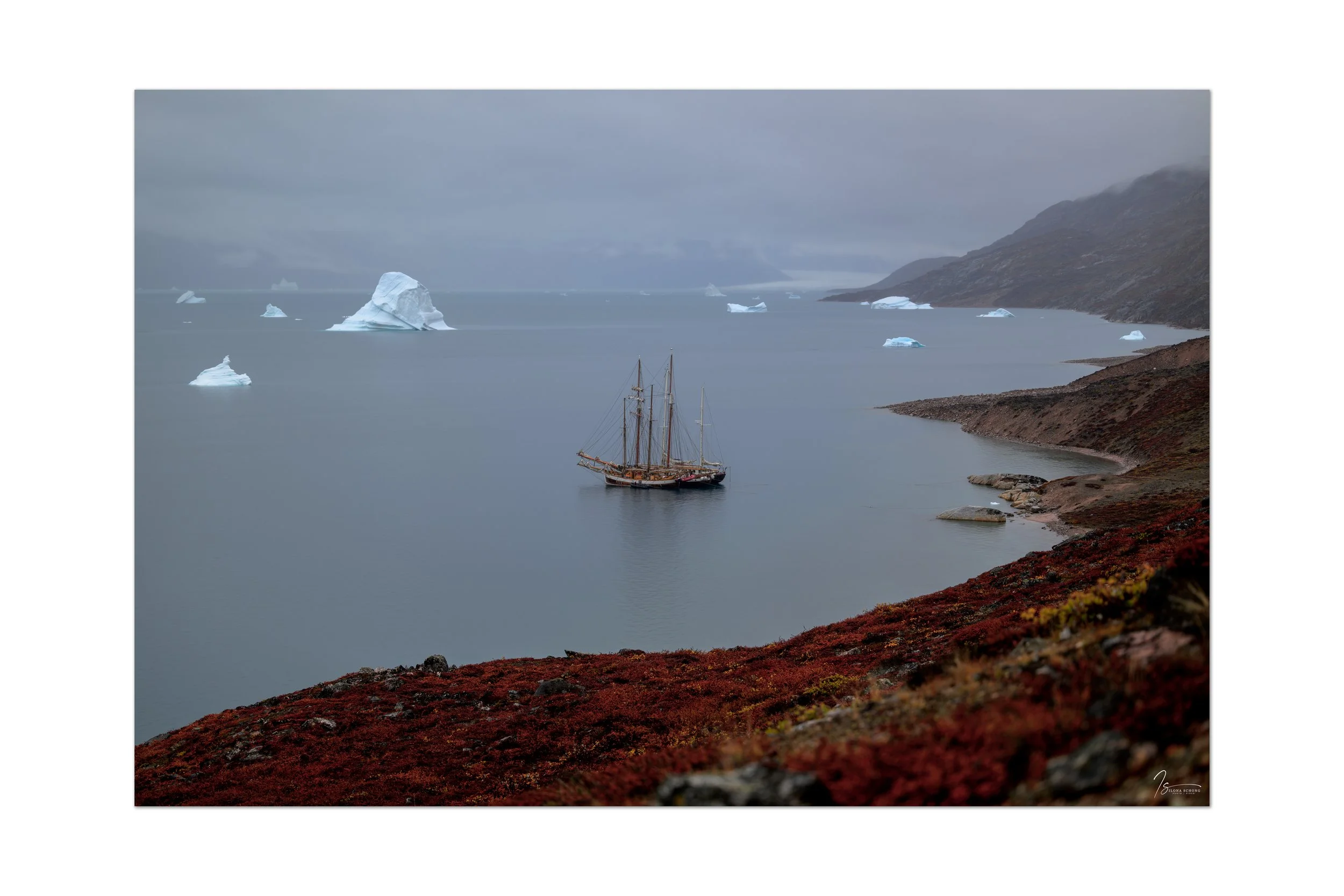
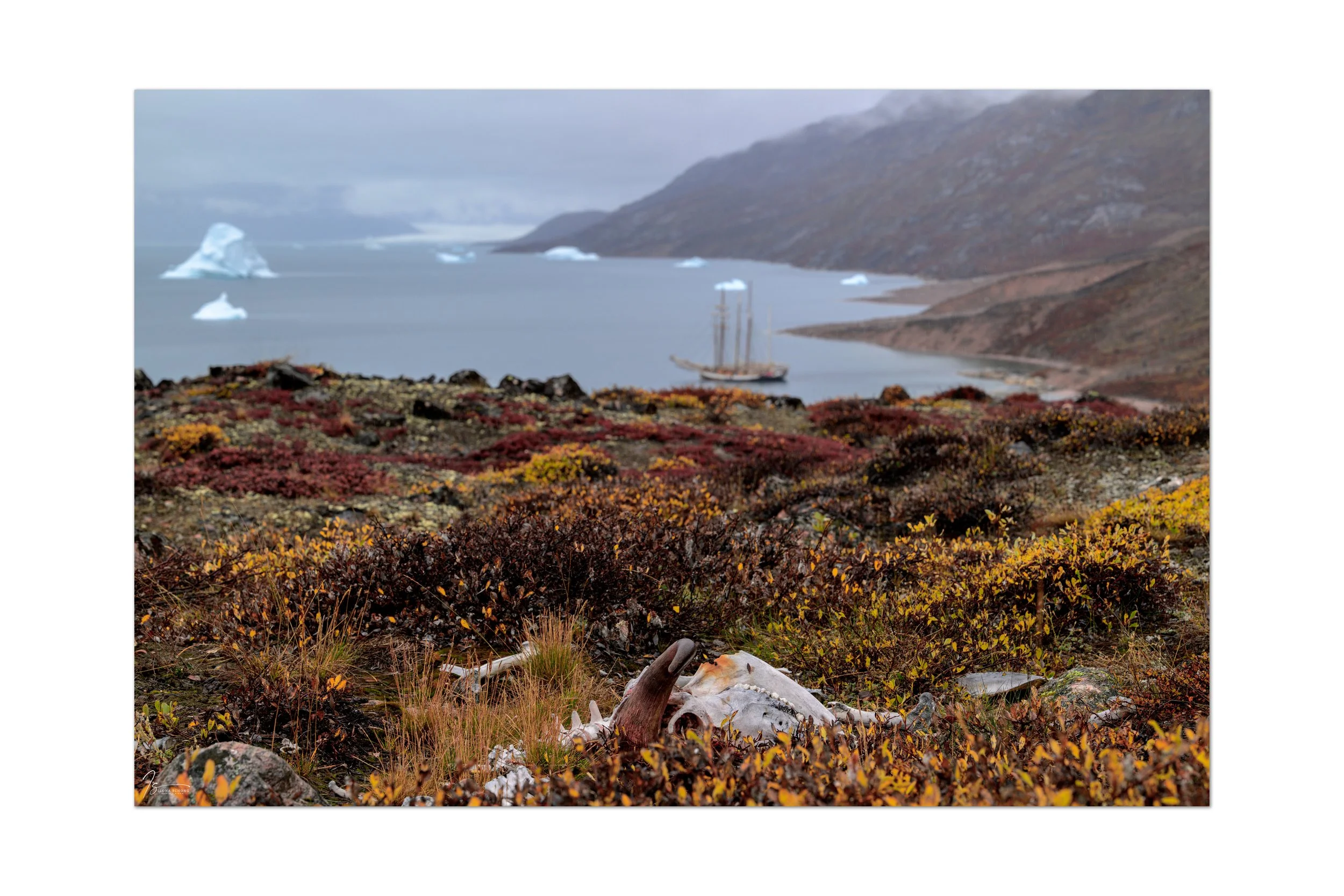
After that, water was first taken on at a nearby waterfall. Although the Hildur has a water desalination system on board that can convert seawater into fresh (drinkable) water, the other ships, the Ópal and the Tilvera, fill their tanks with water from the glaciers. However, the Hildur also has an extra water tank on deck, which was filled right away. The water here is so clean and clear that it is drinkable without purification. Afterward, the voyage continued through the Rødefjord toward Røde Island.
All of East Greenland has an interesting geological history dating back 3 billion years. The collision of the Eurasian and North American tectonic plates shaped eastern Greenland, with its high mountain ranges. At that time, the entire region was located not far from the equator. The climate here was warm and not dry, and iron oxide—known as hematite—formed, which has a reddish-brown color. This is evident in Rødefjord and on Røde Island, which owe their names to these red sediments.
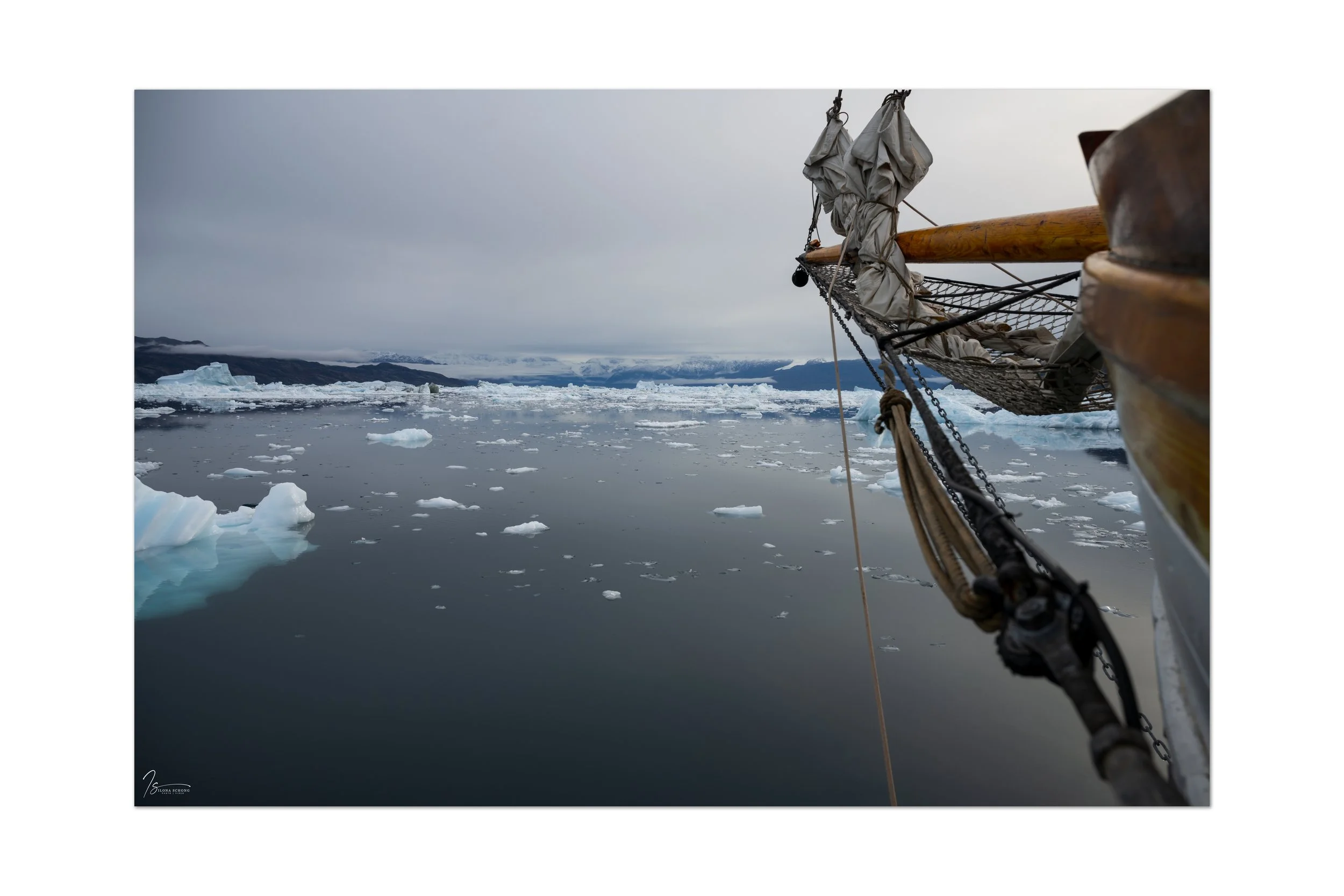
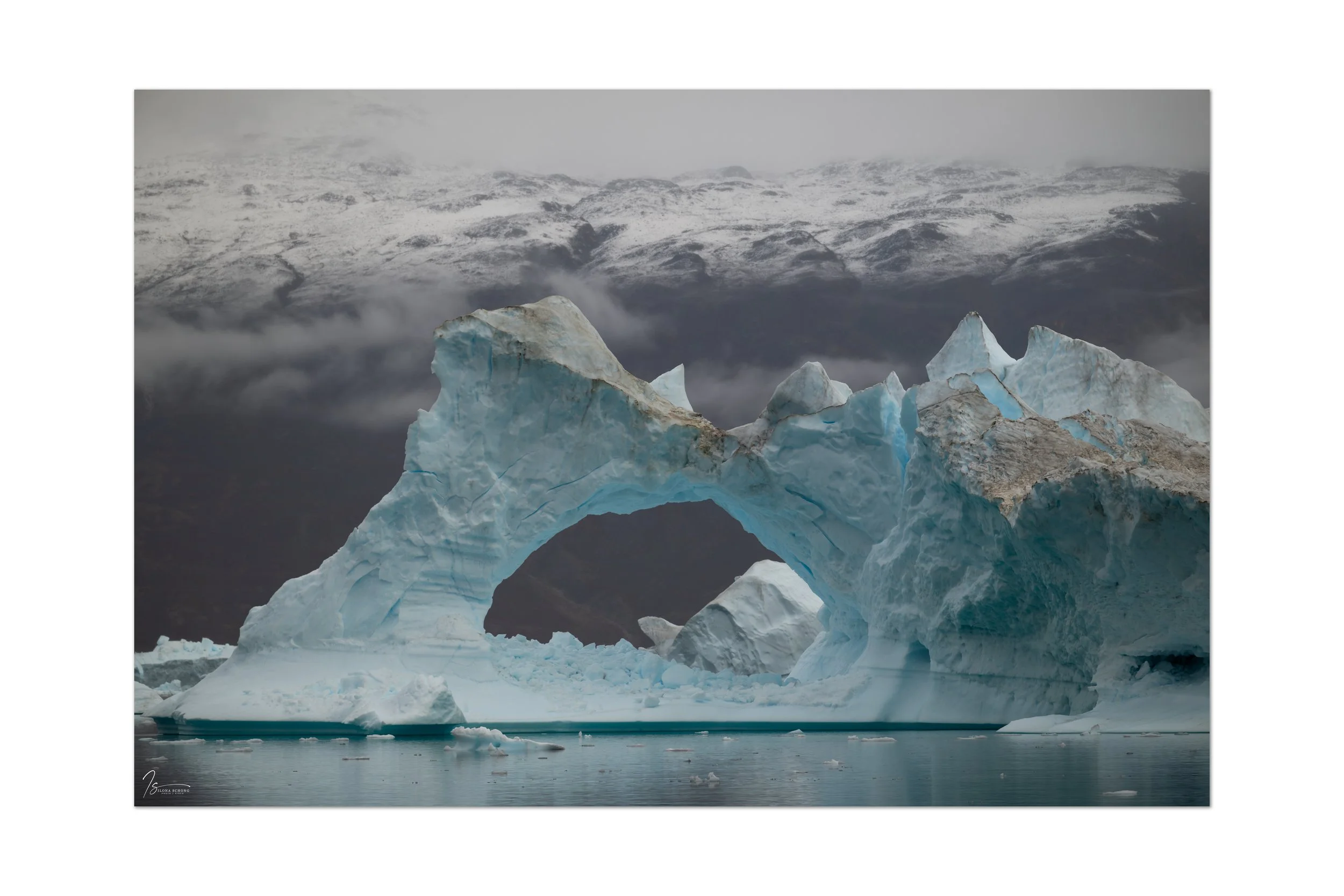
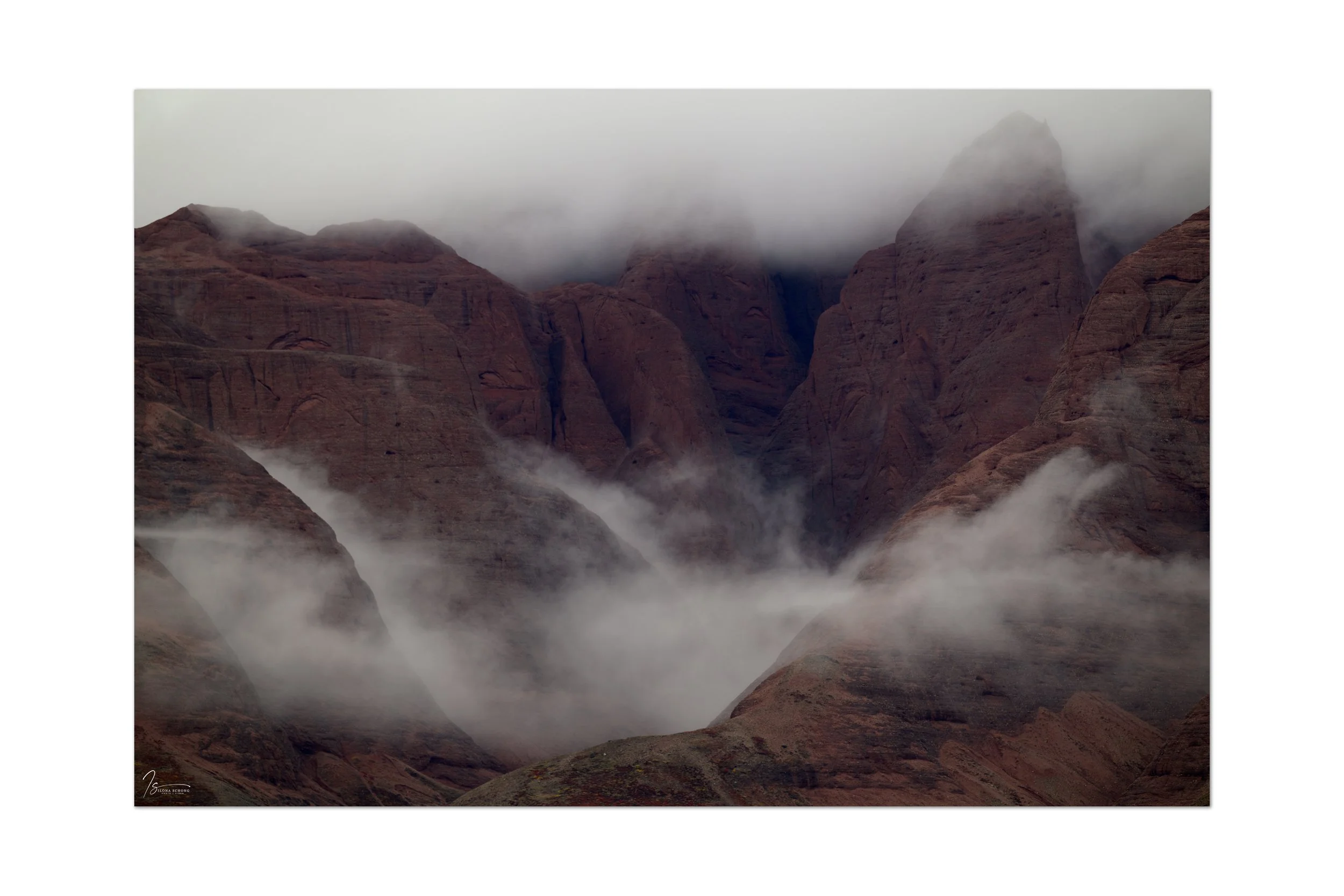
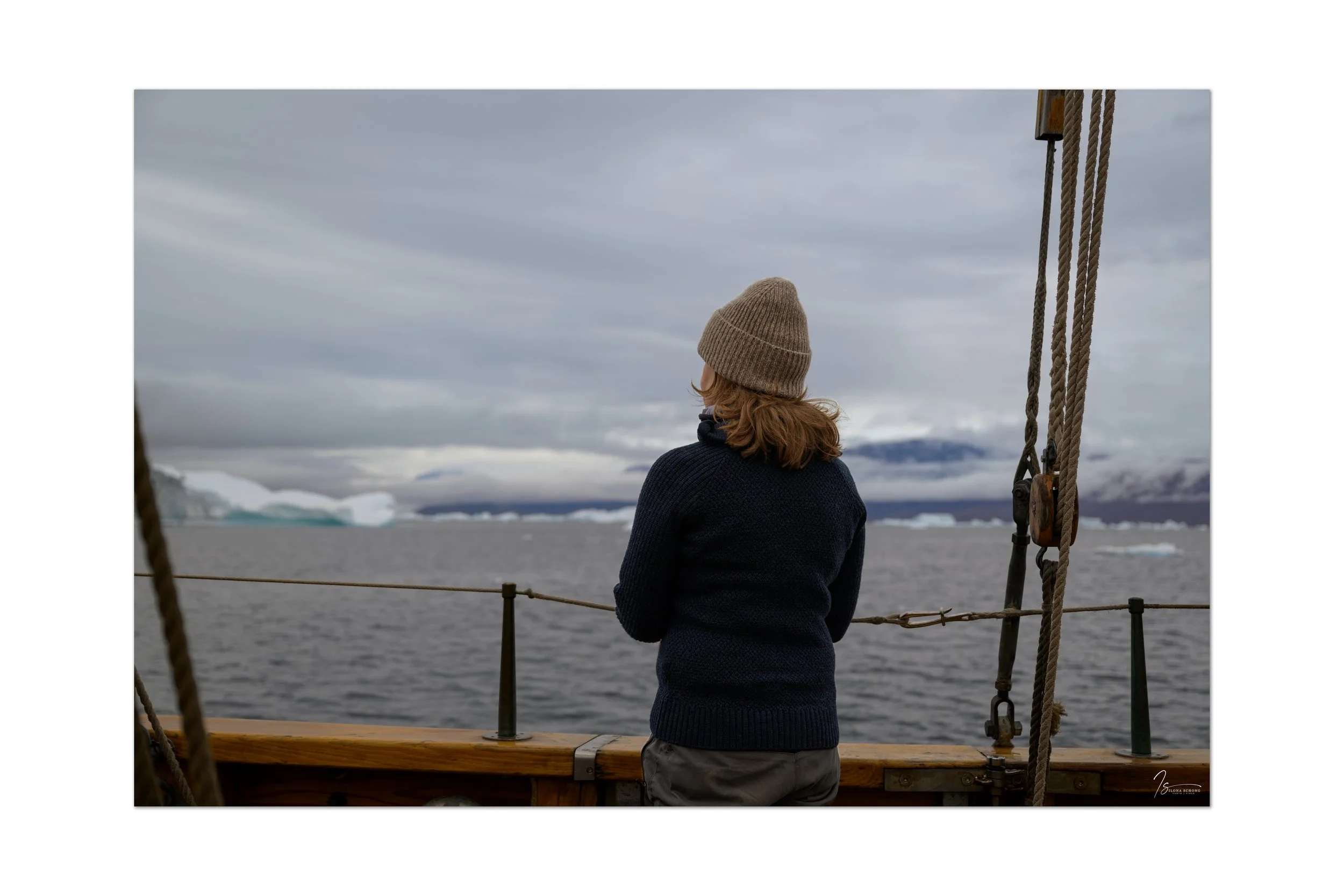
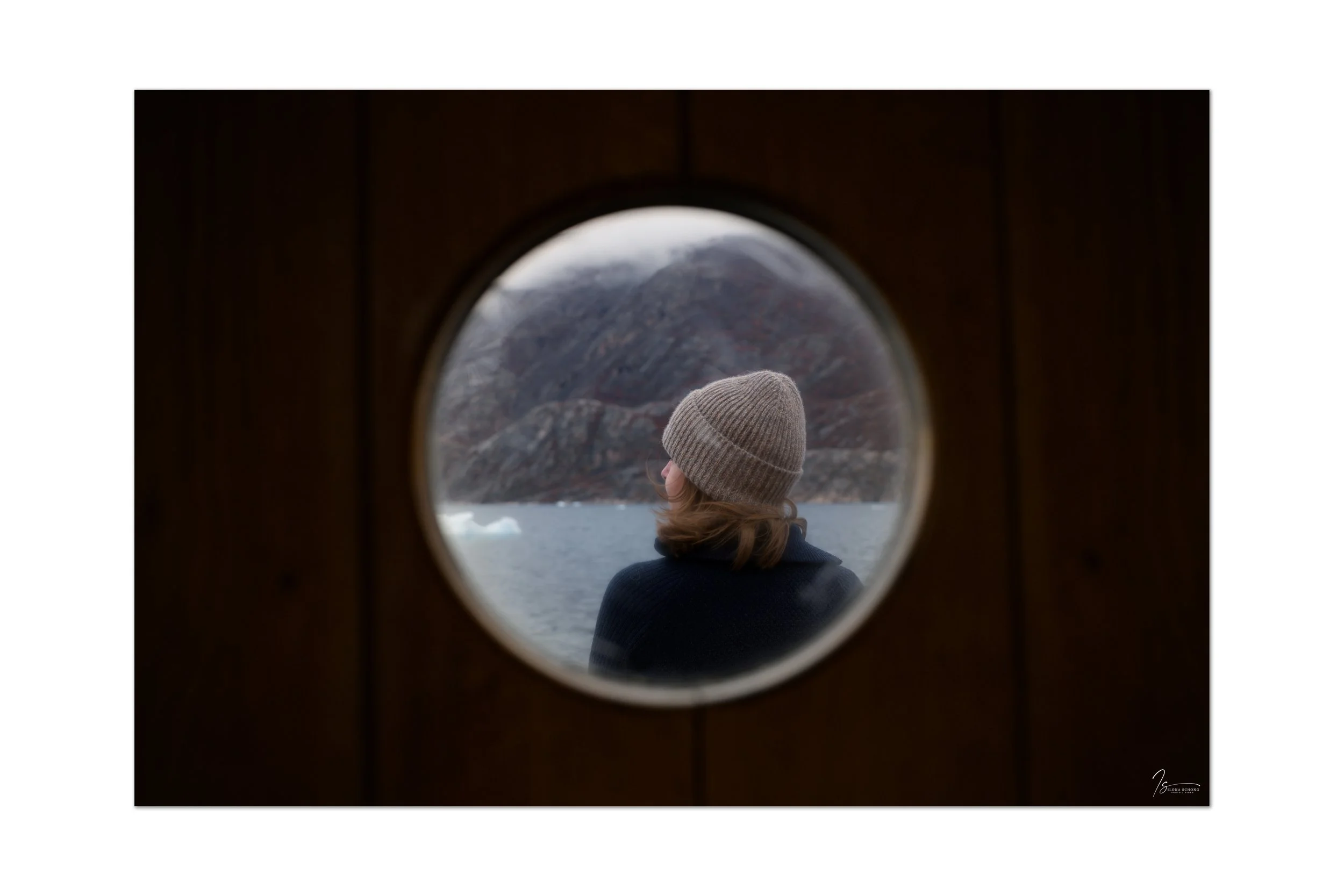
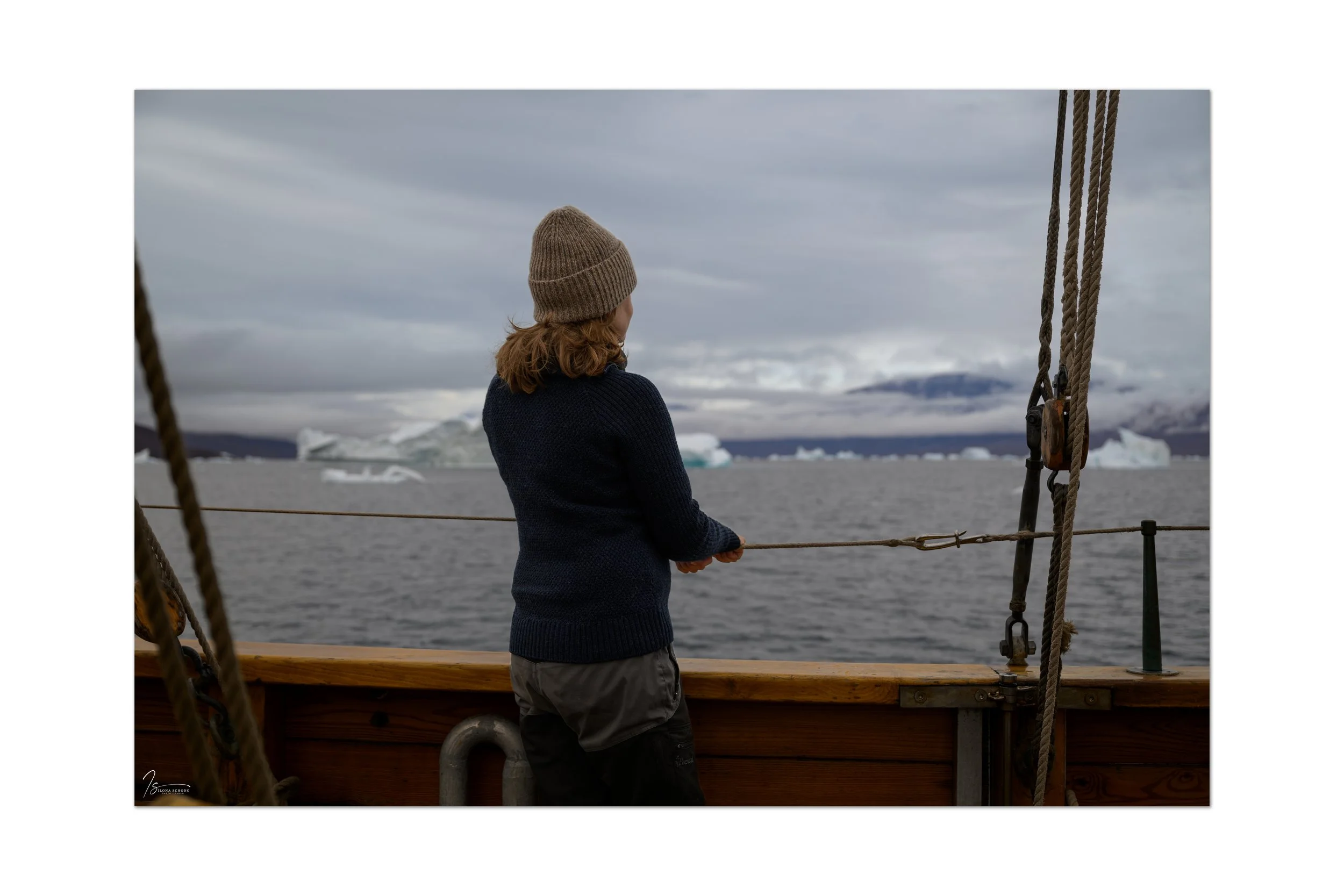
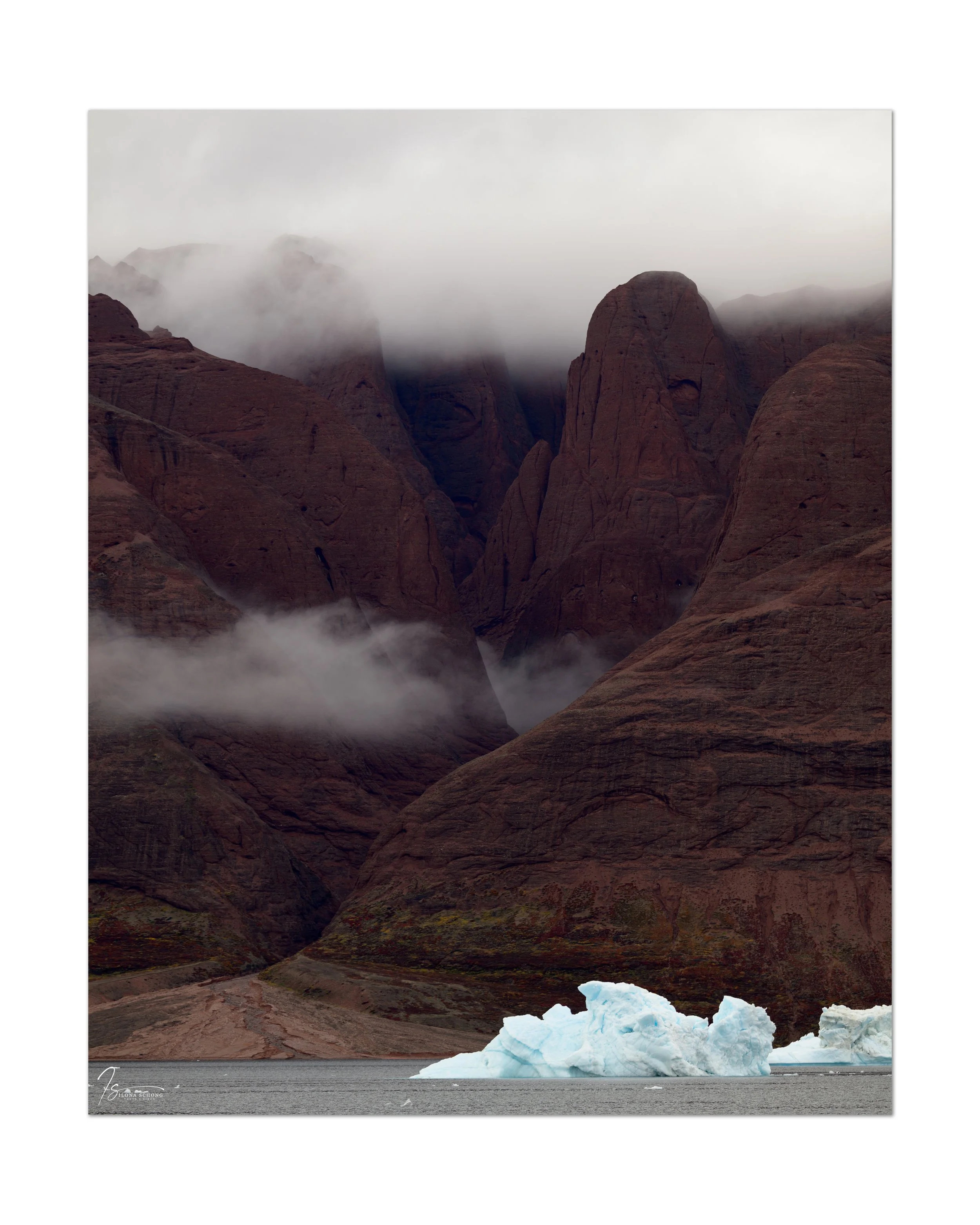
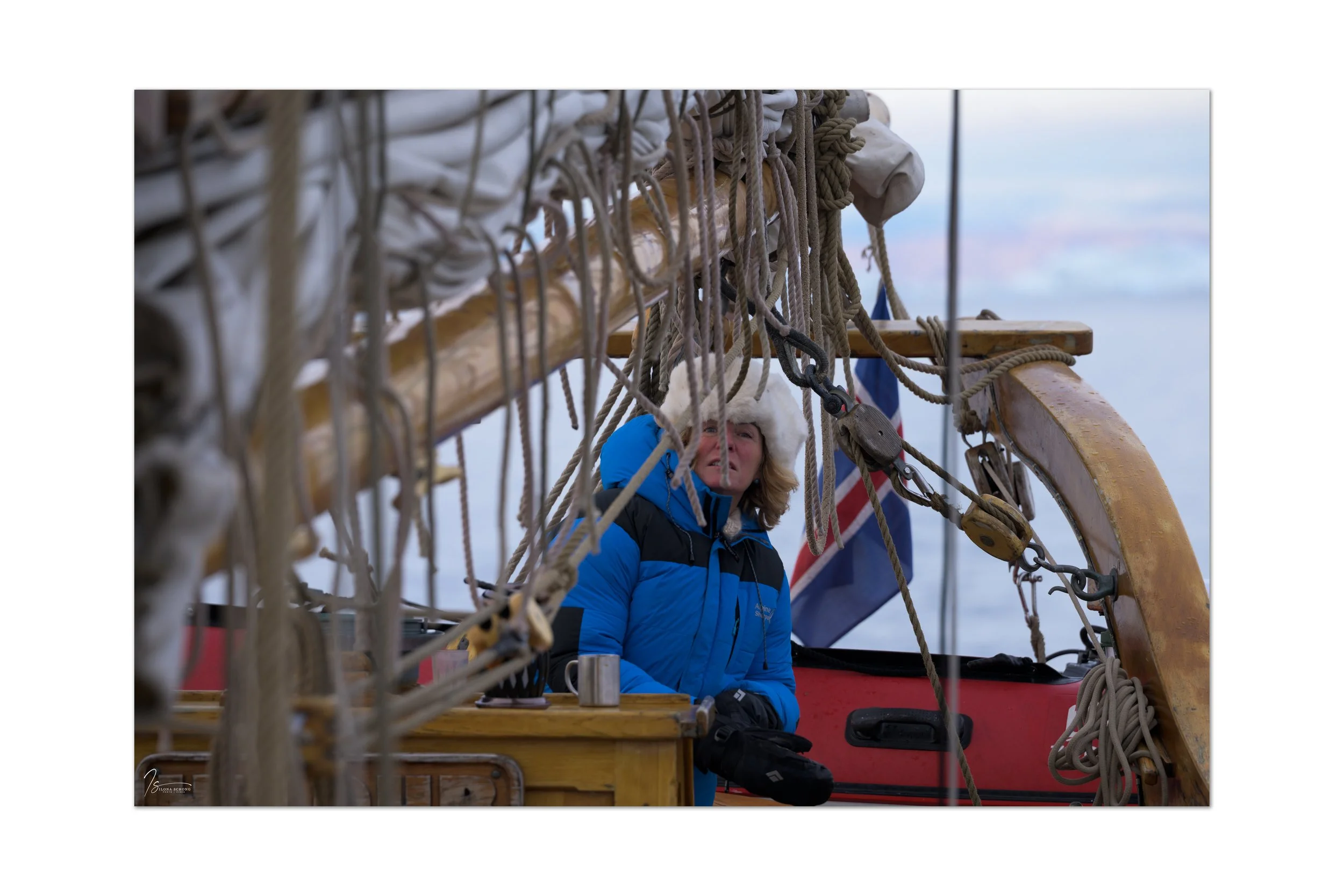
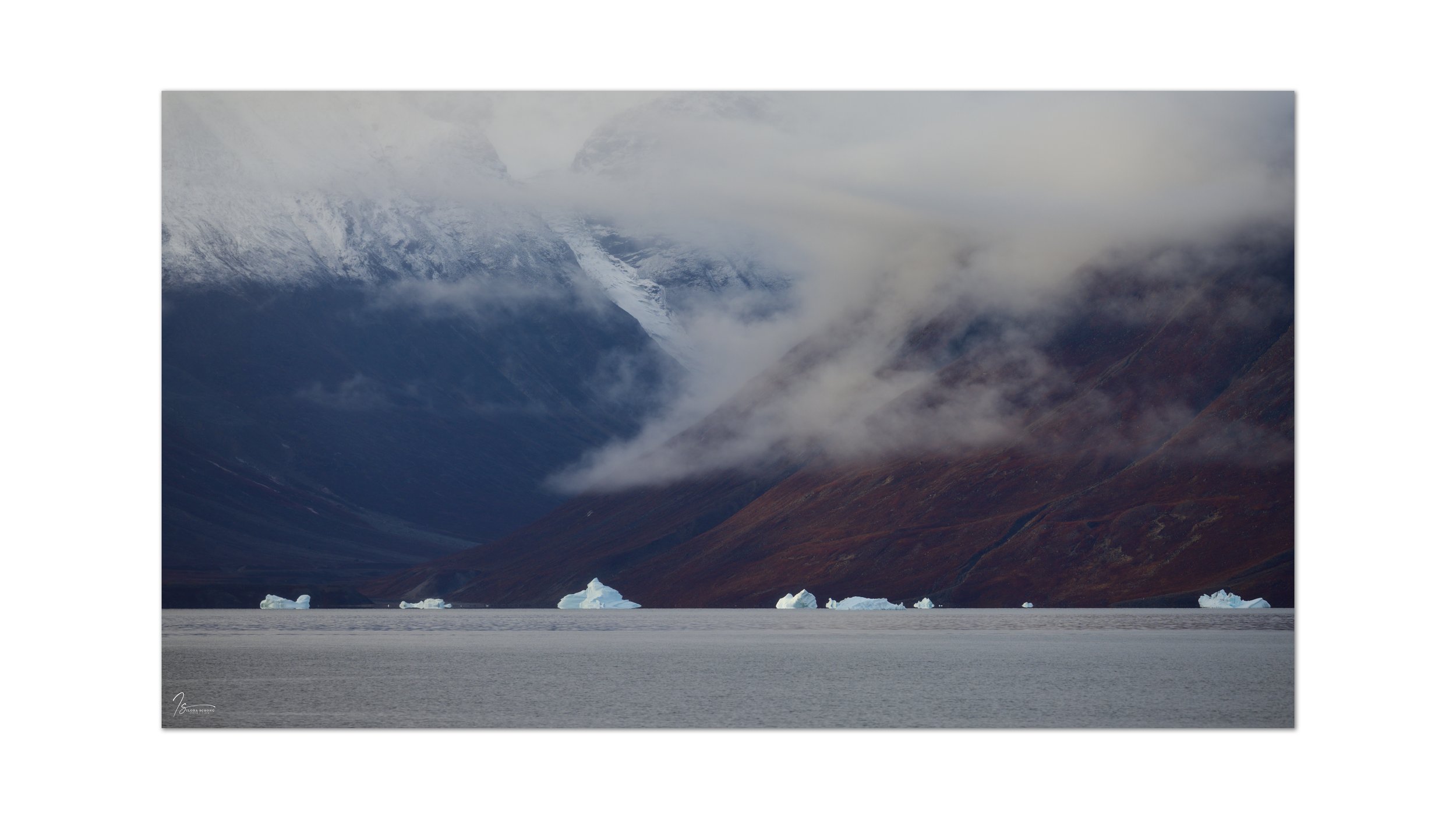
The mouth of the Rødefjord is filled with icebergs that originate in the Vestfjord. The icebergs run aground near Røde Island, forming an iceberg graveyard there. Upon arriving at Røde Island, just before dark, we had time to hike all the way to the top, where we could see all the icebergs.
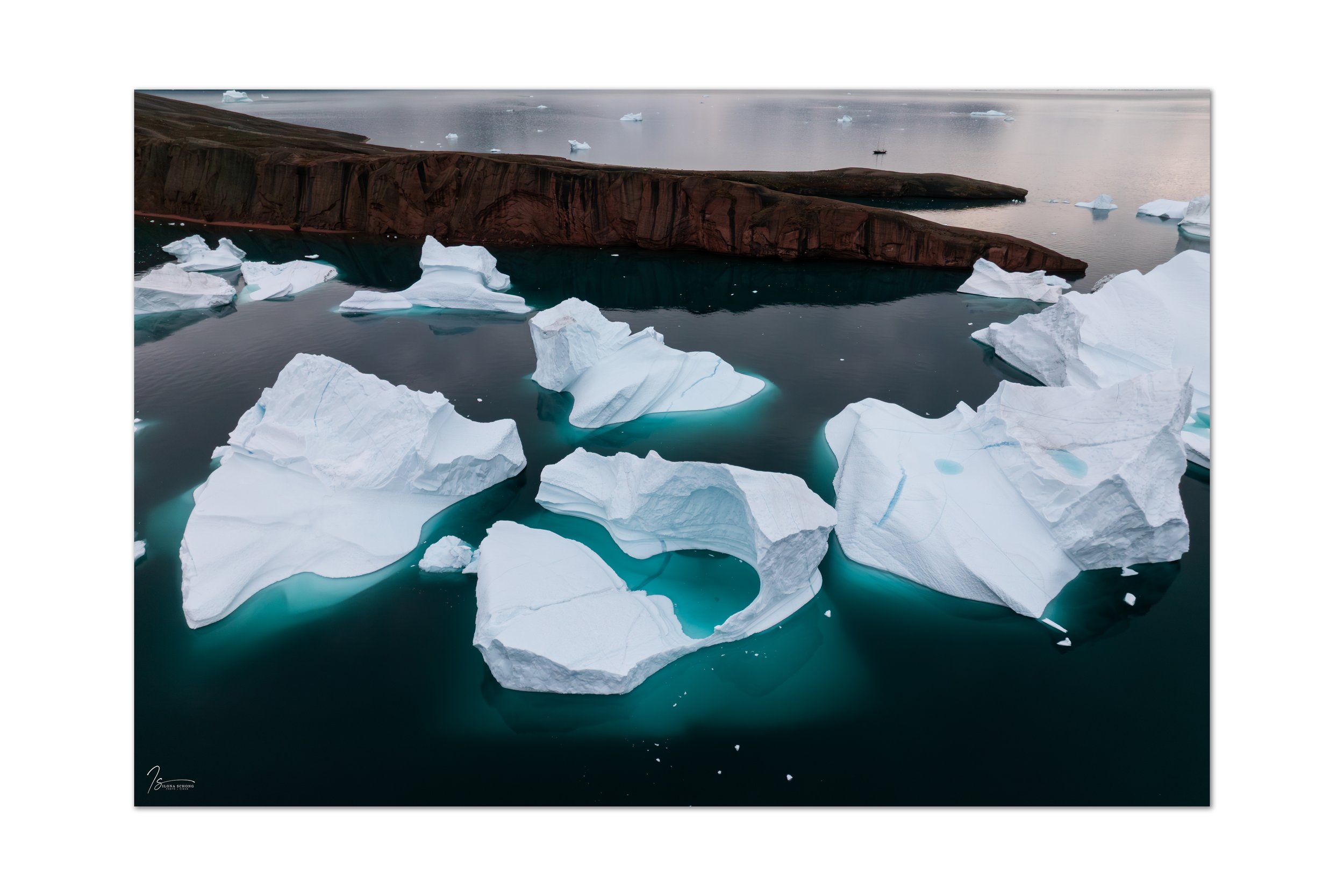
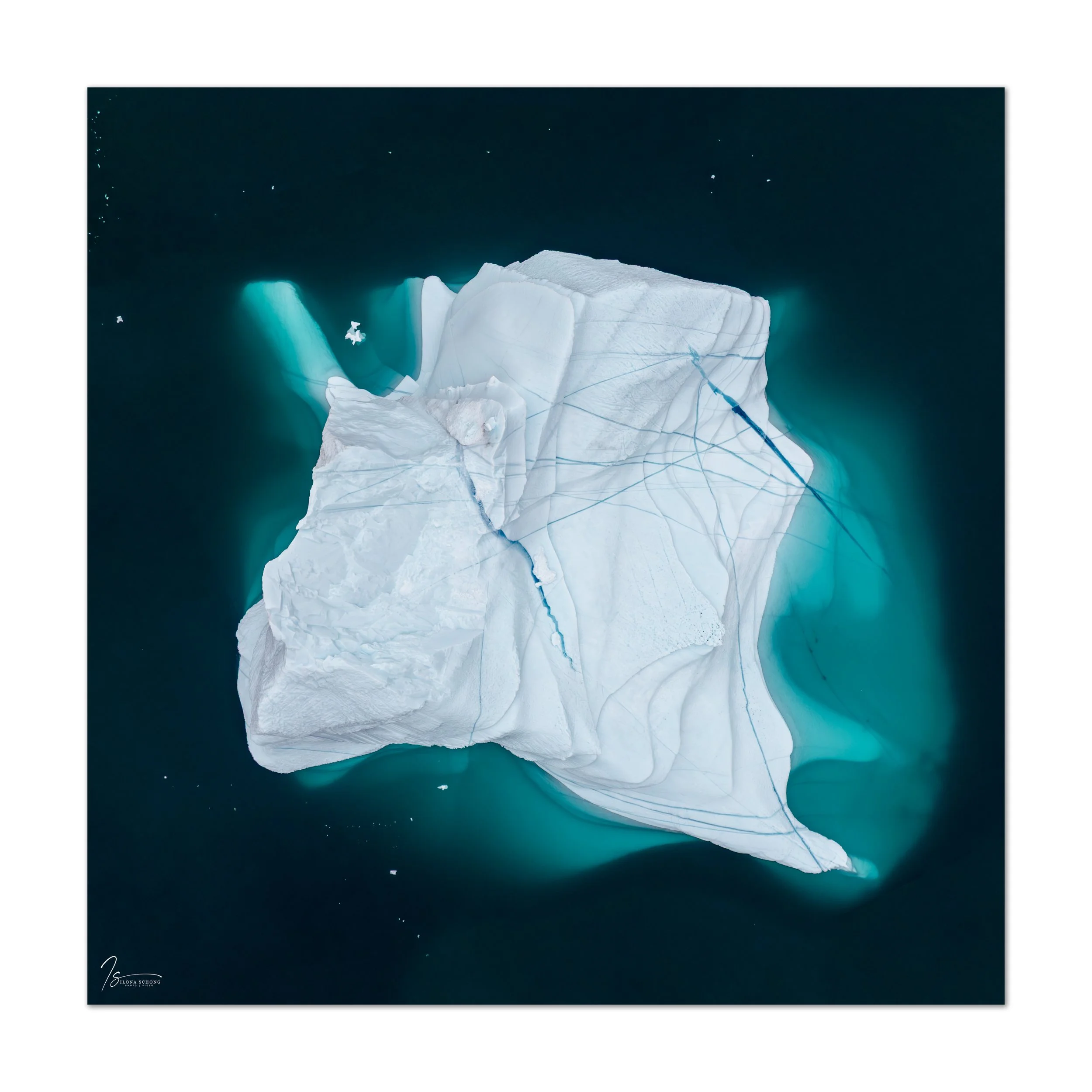
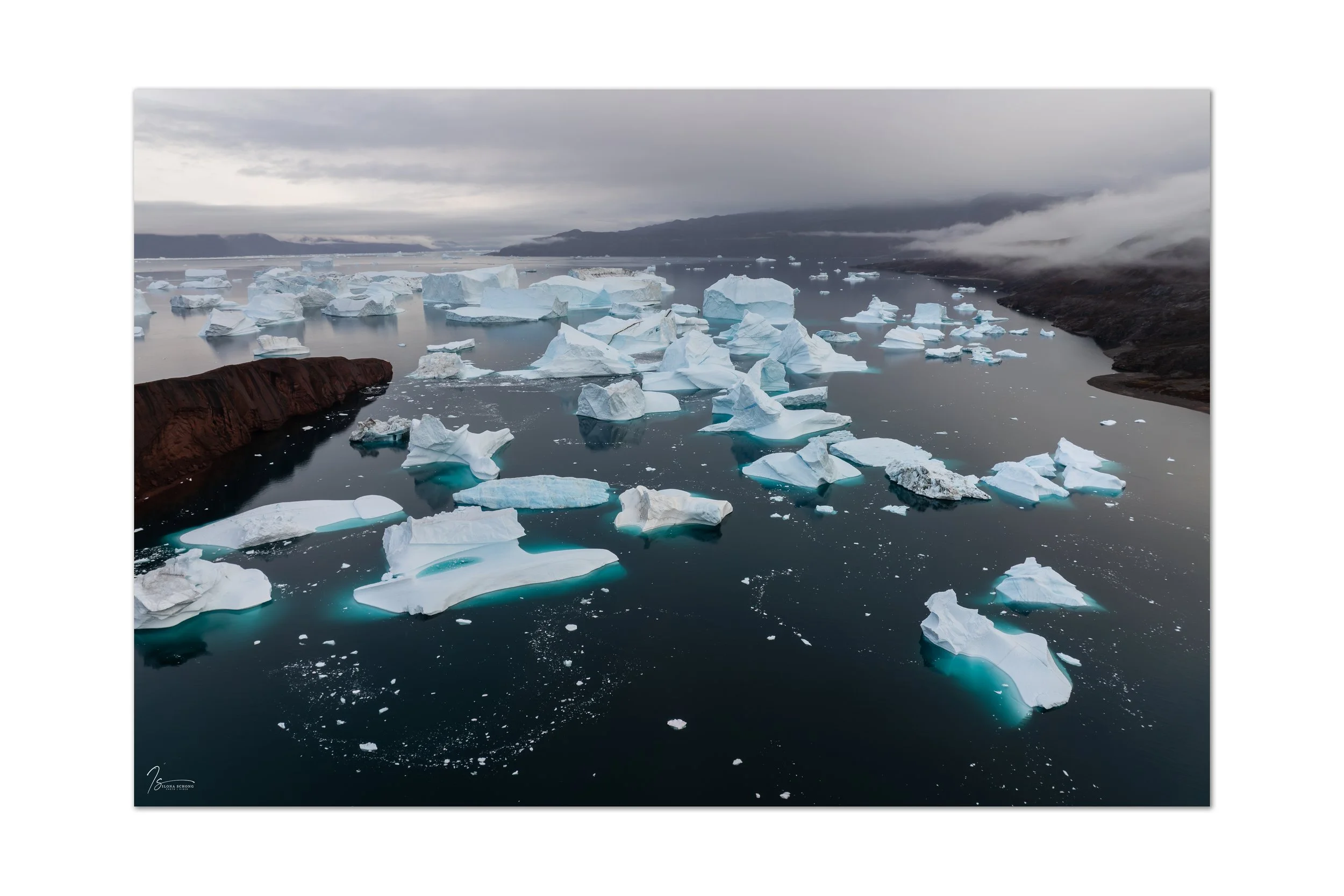
The next morning, we went on a Zodiac tour. It wasn’t without danger, because every now and then, with a deafening roar, a towering iceberg would collapse or tip over—which was a terrifying sight and also caused high waves. As we made our way back toward the anchored Hildur in the Zodiac, a muskox was grazing against the mountainside. With the Zodiac’s engine off, we paddled gently toward it and were able to get some good photos of him (or her?), until he spotted us and quickly took off.
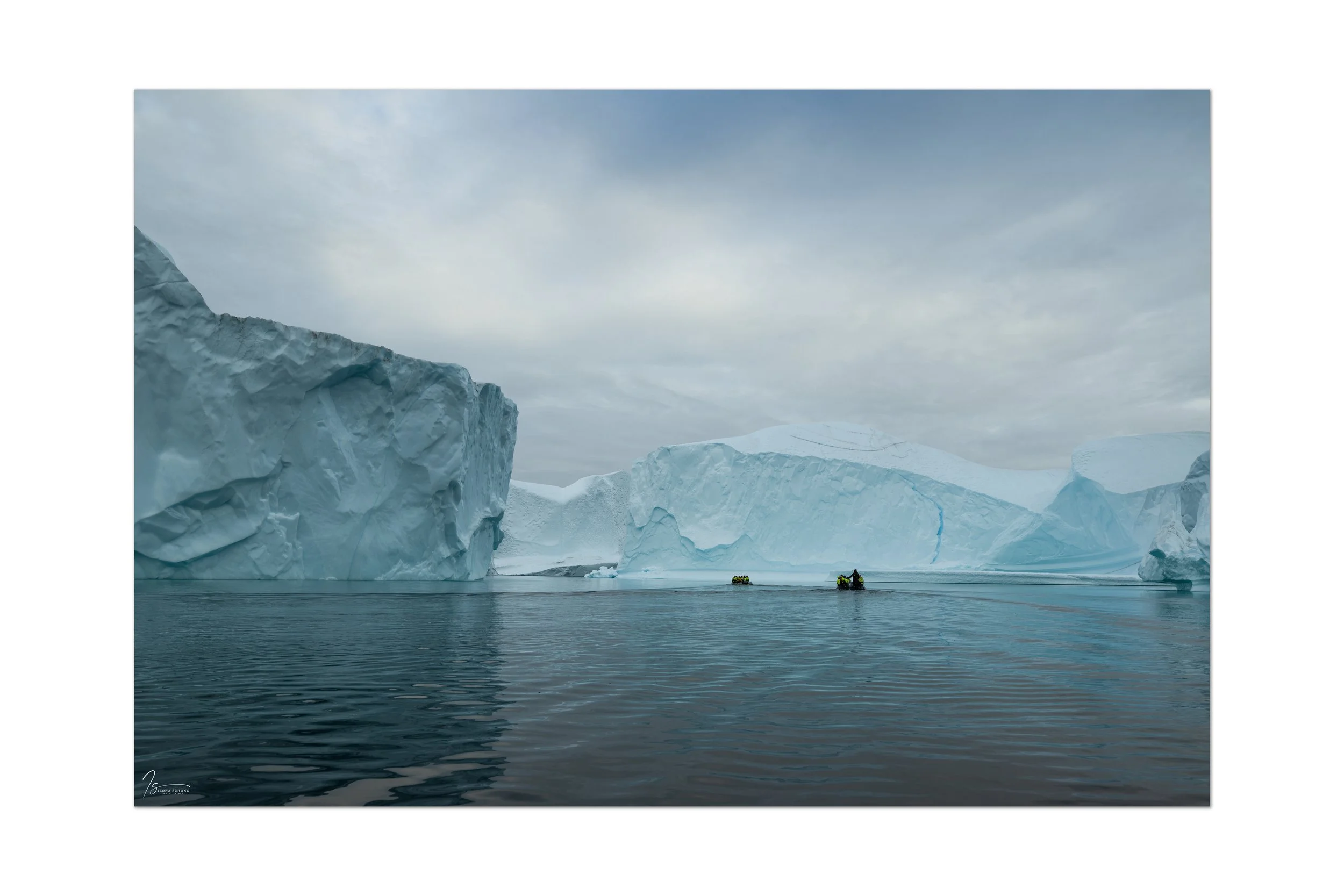
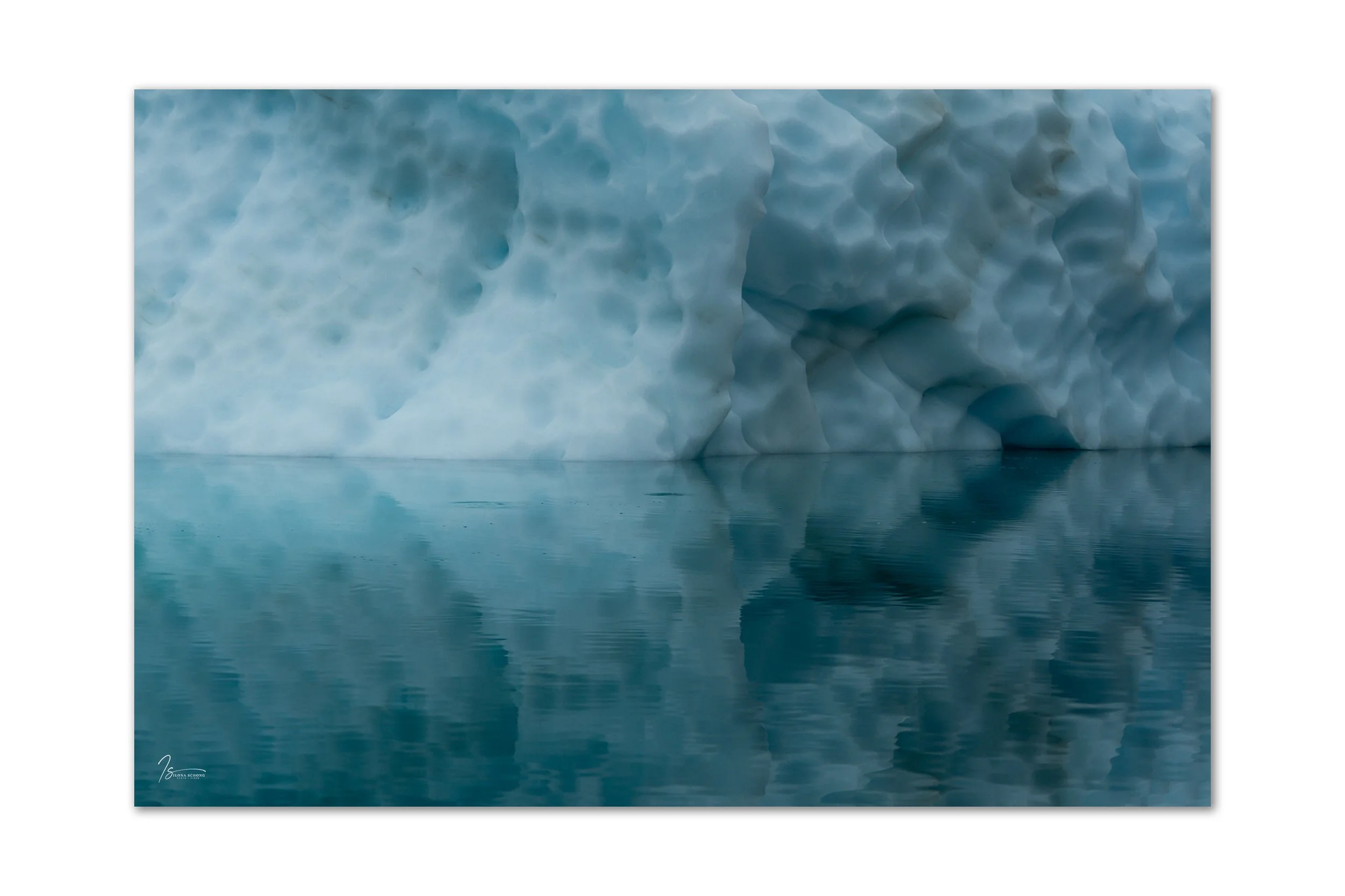
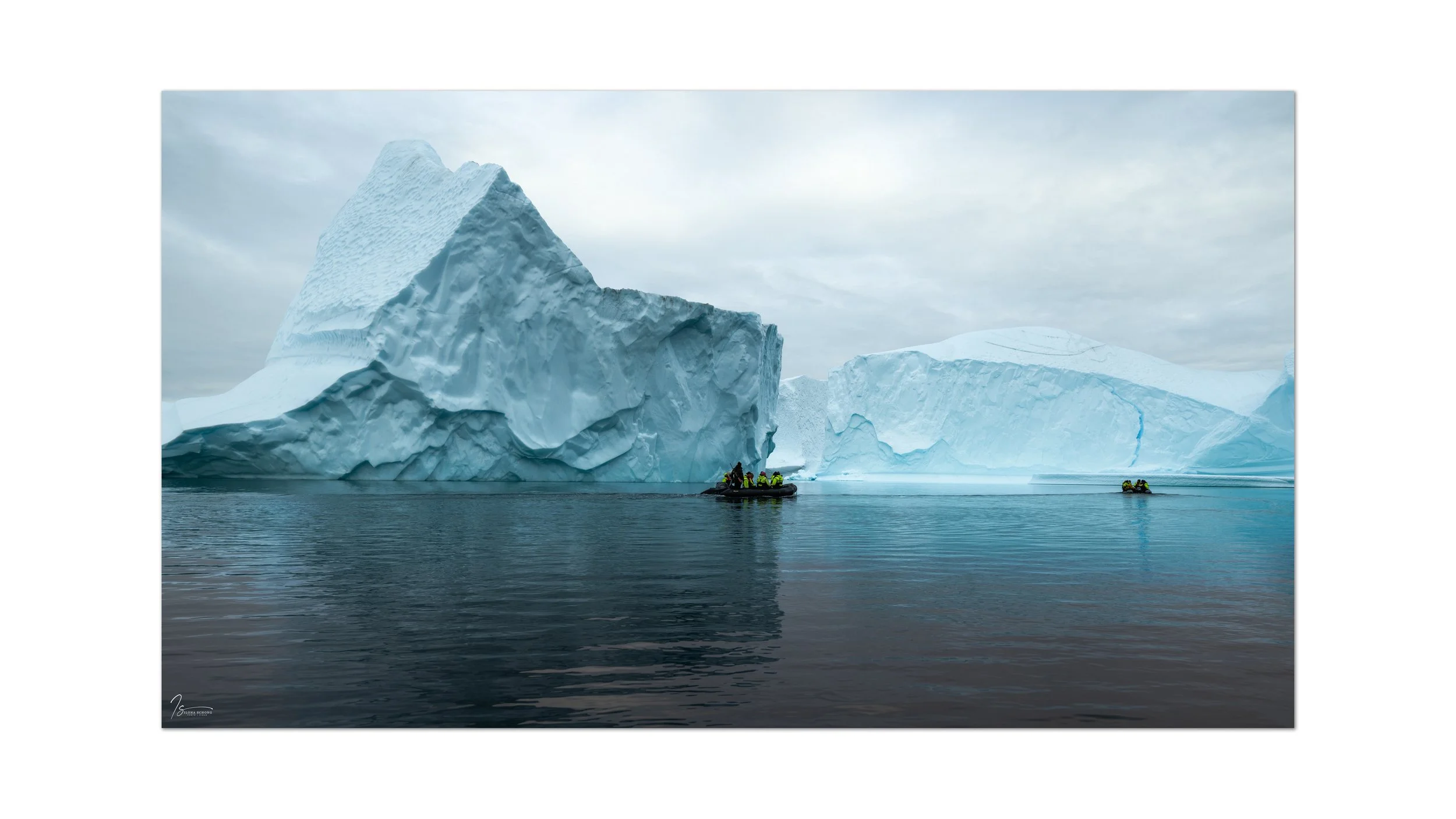
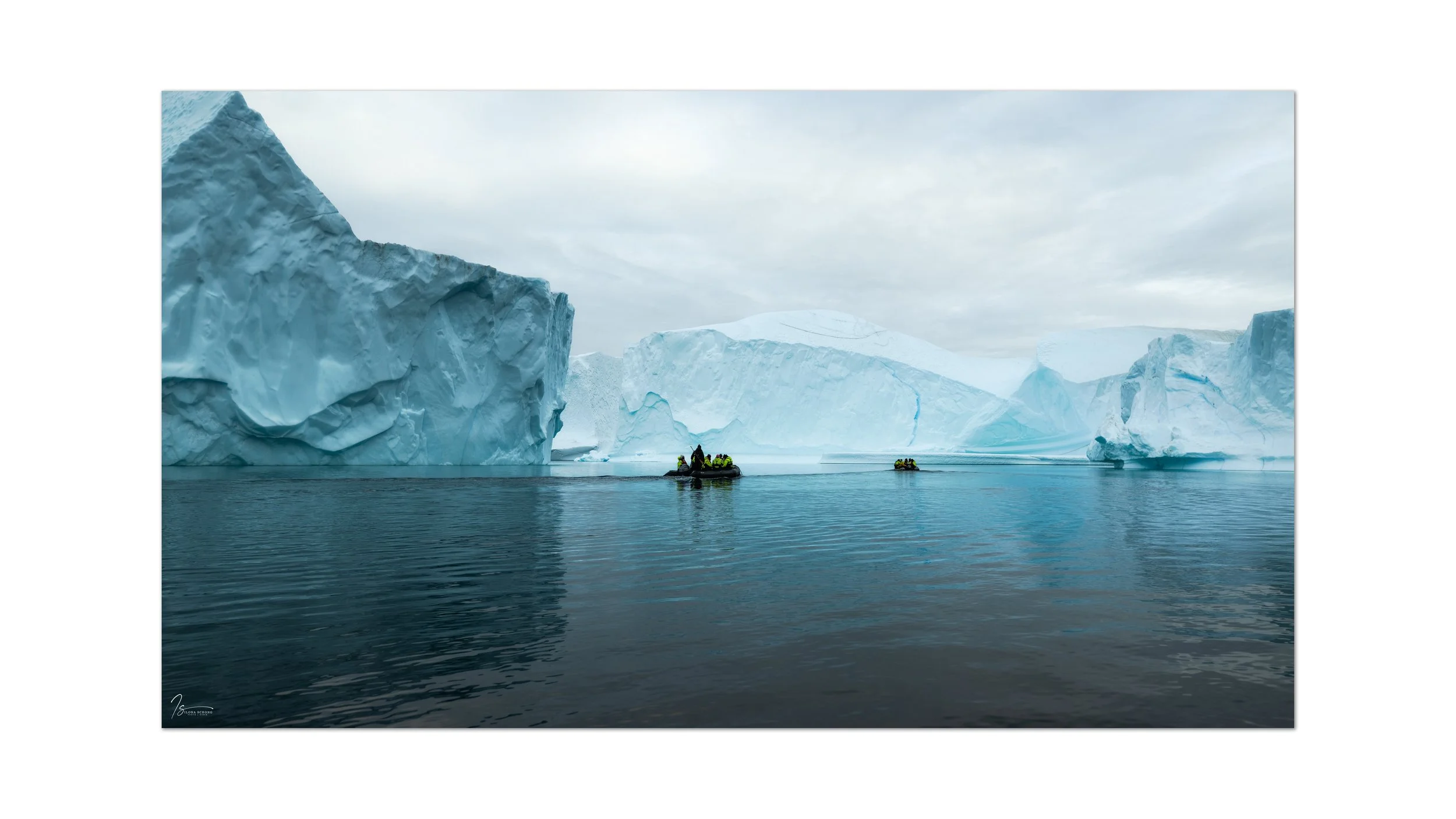
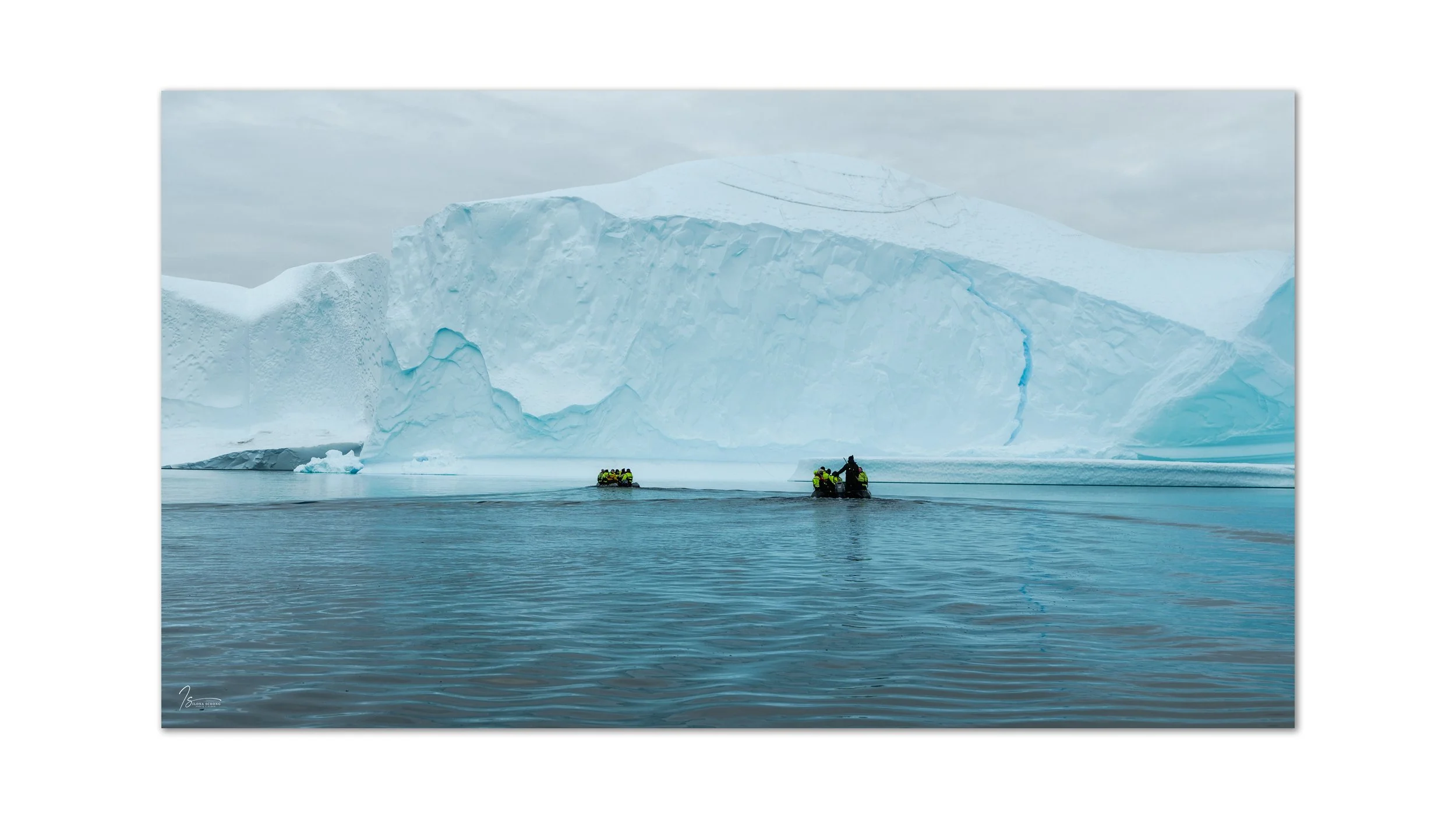
The trip continued through the Føhnfjord, with its 900-meter-high cliff walls on both sides. By this point, having grown somewhat accustomed to—and spoiled by—the stunning landscapes, the trip itself wasn’t all that spectacular, until we spotted a beautiful arch-shaped iceberg at the end. Of course, we had to fly the drone there, and that yielded some great photos.
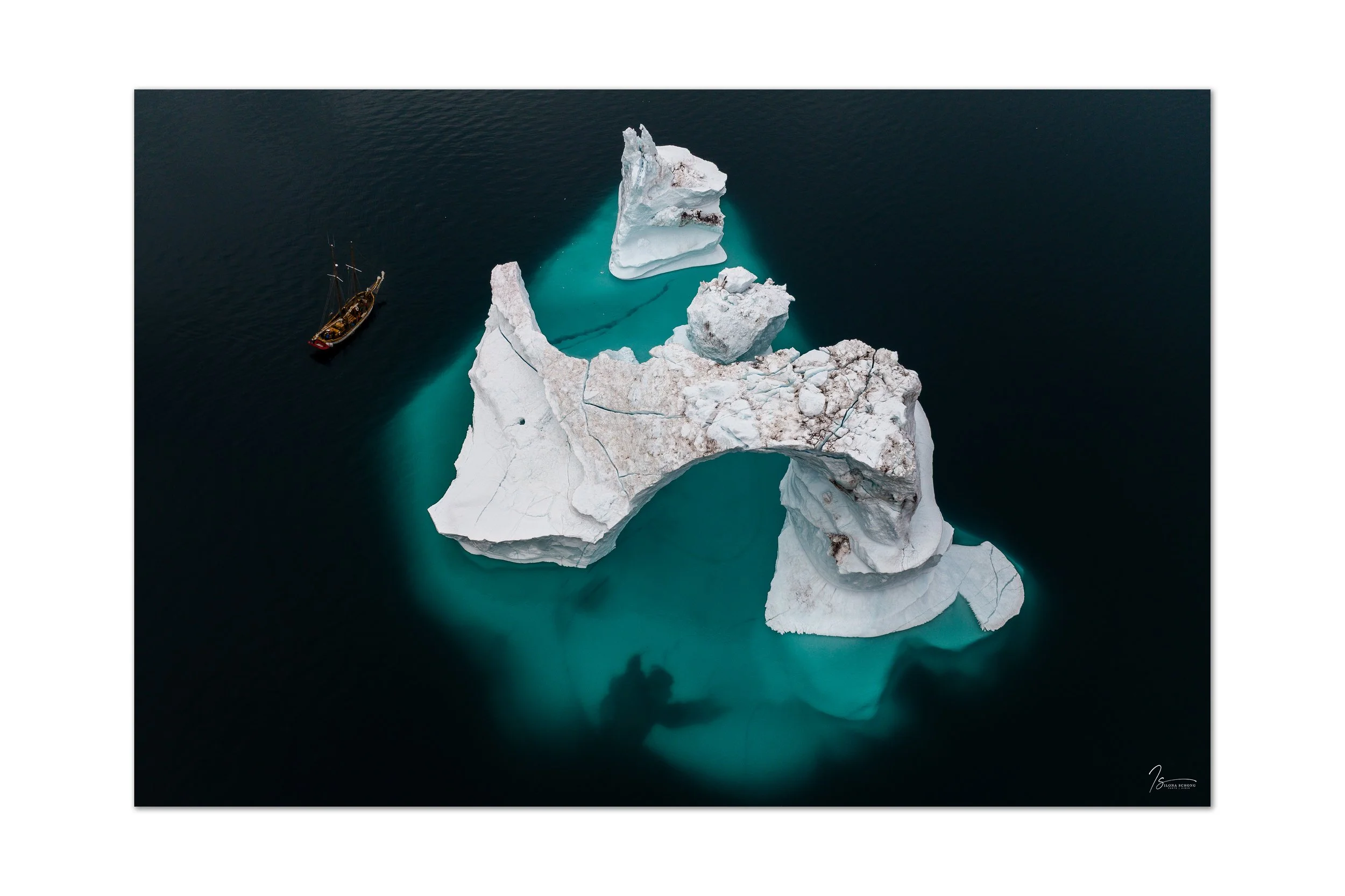
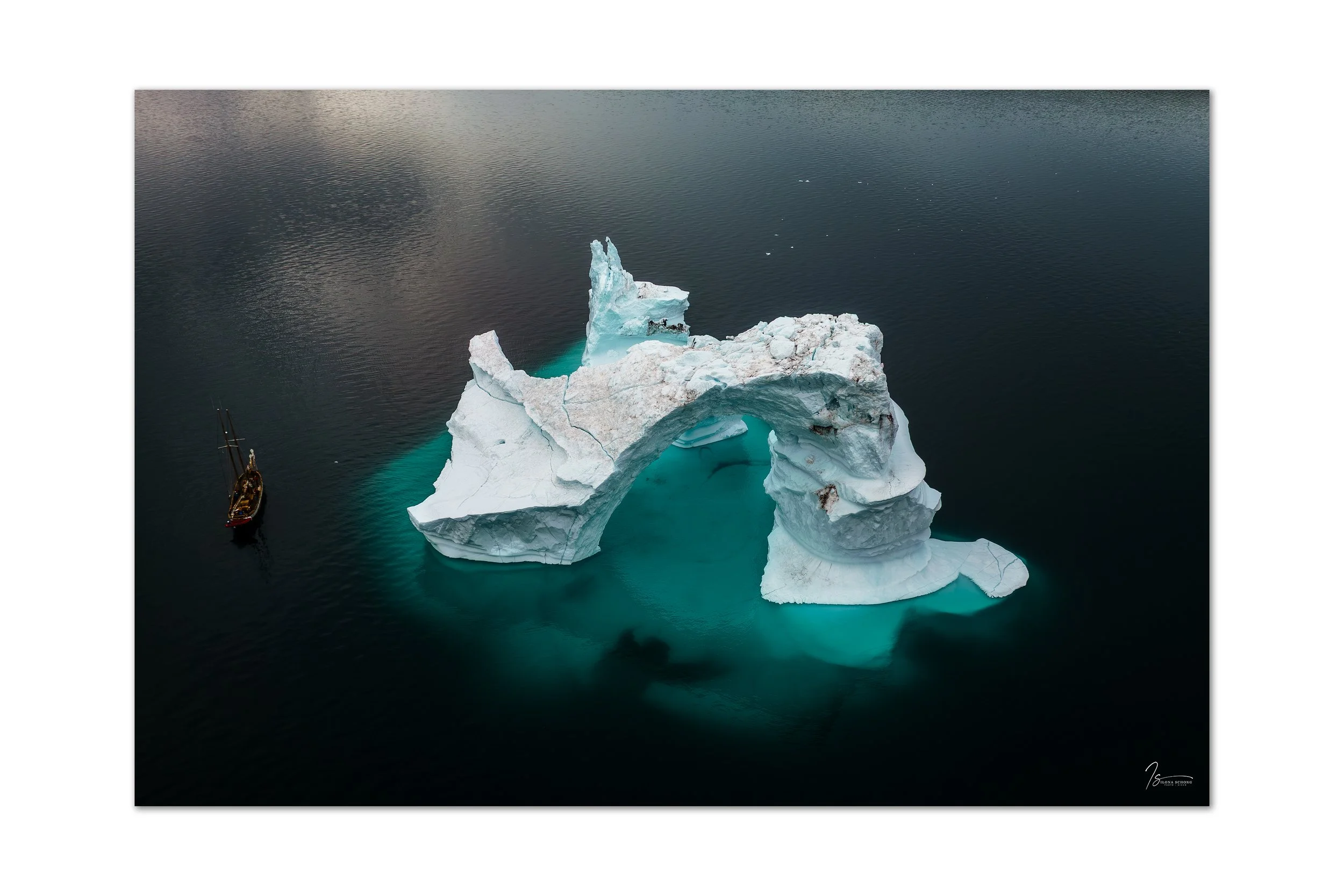
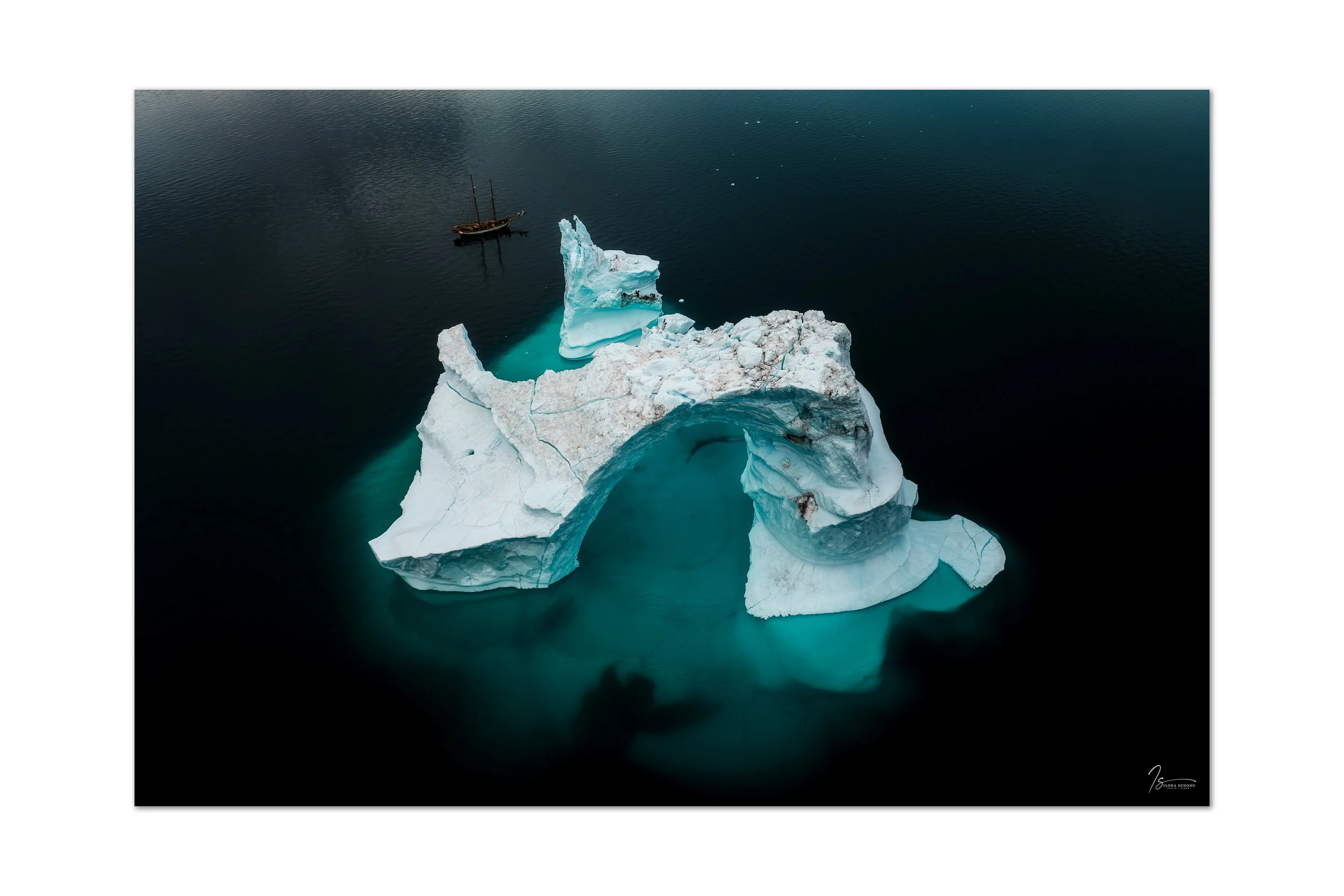
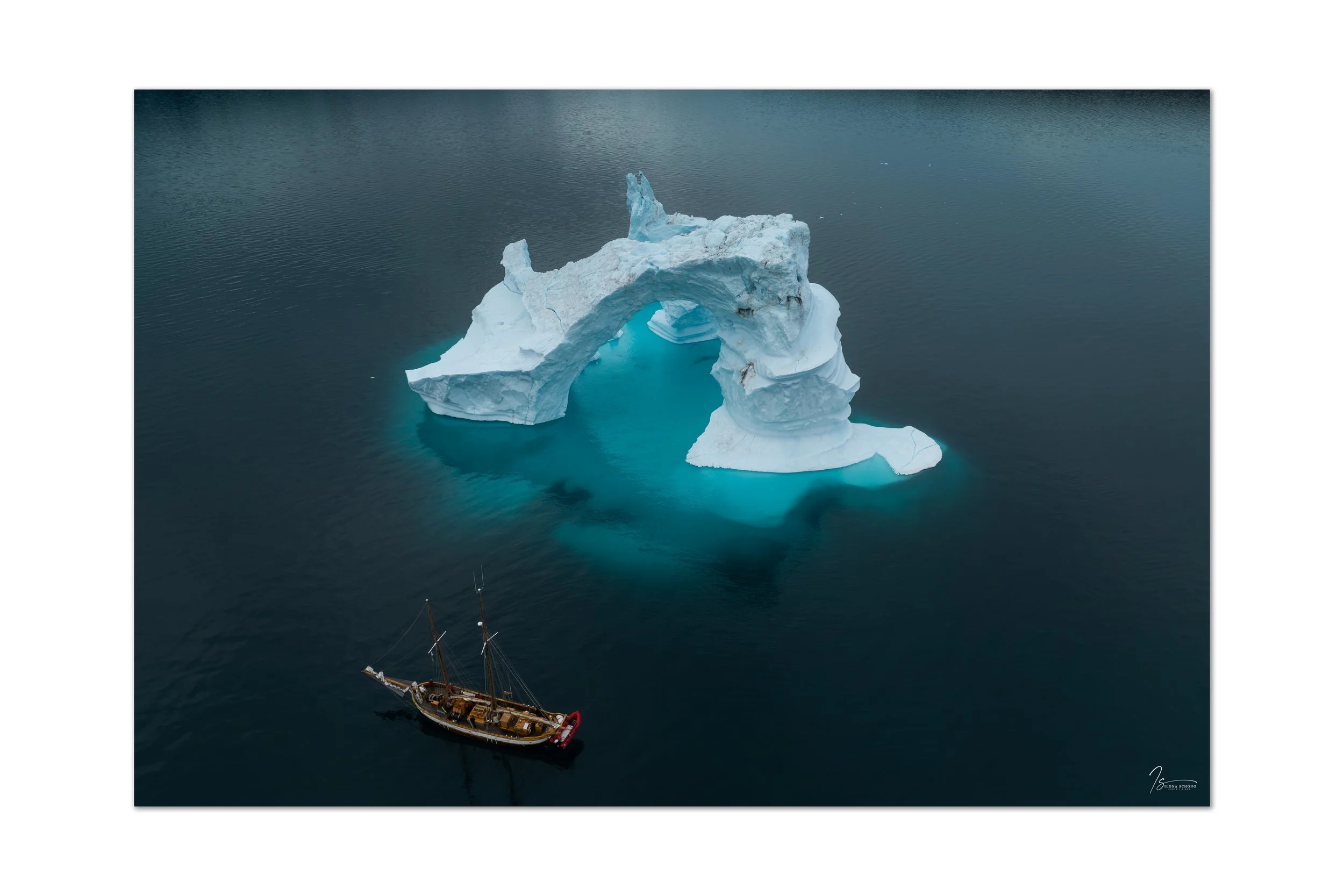
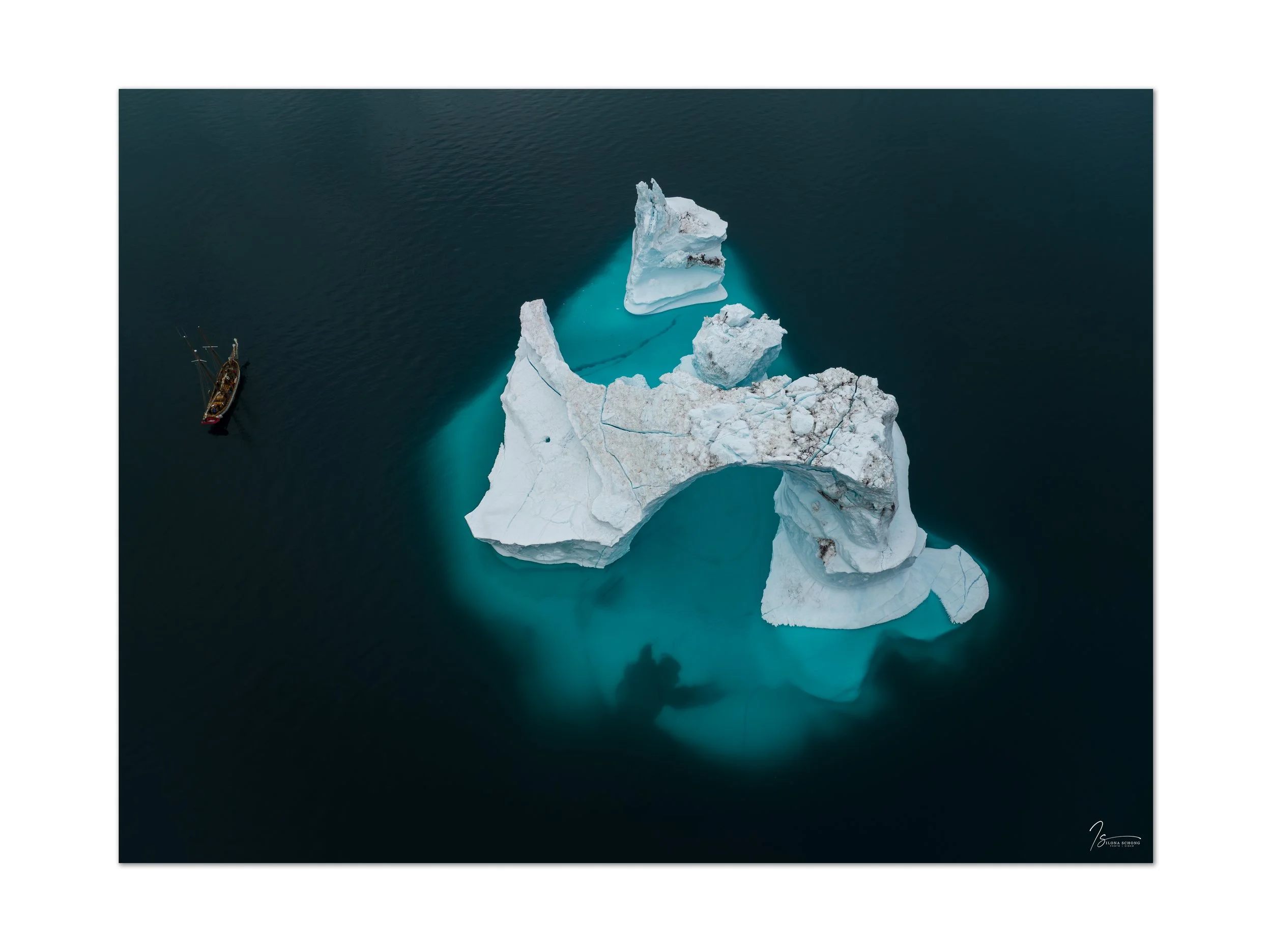
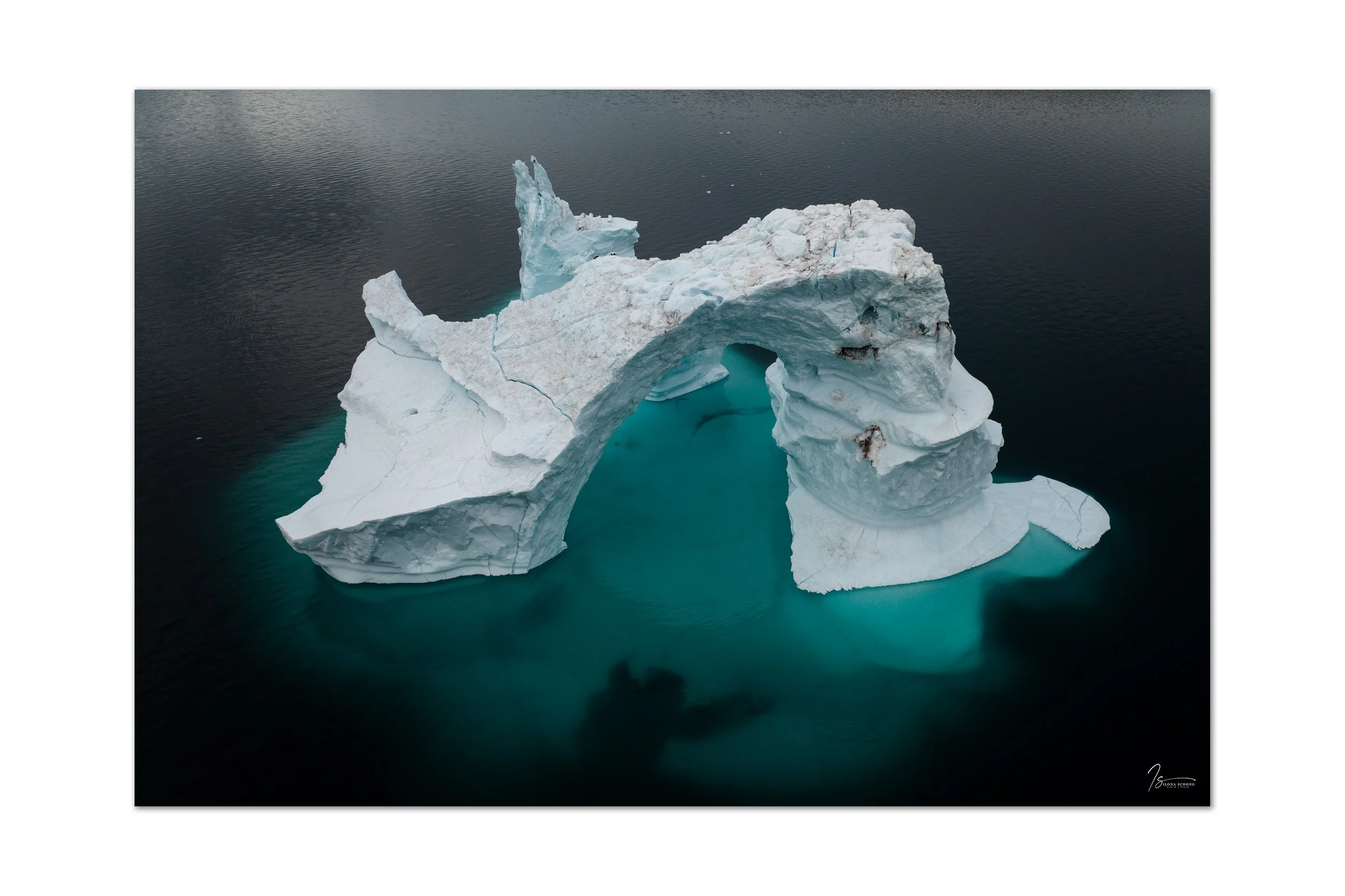
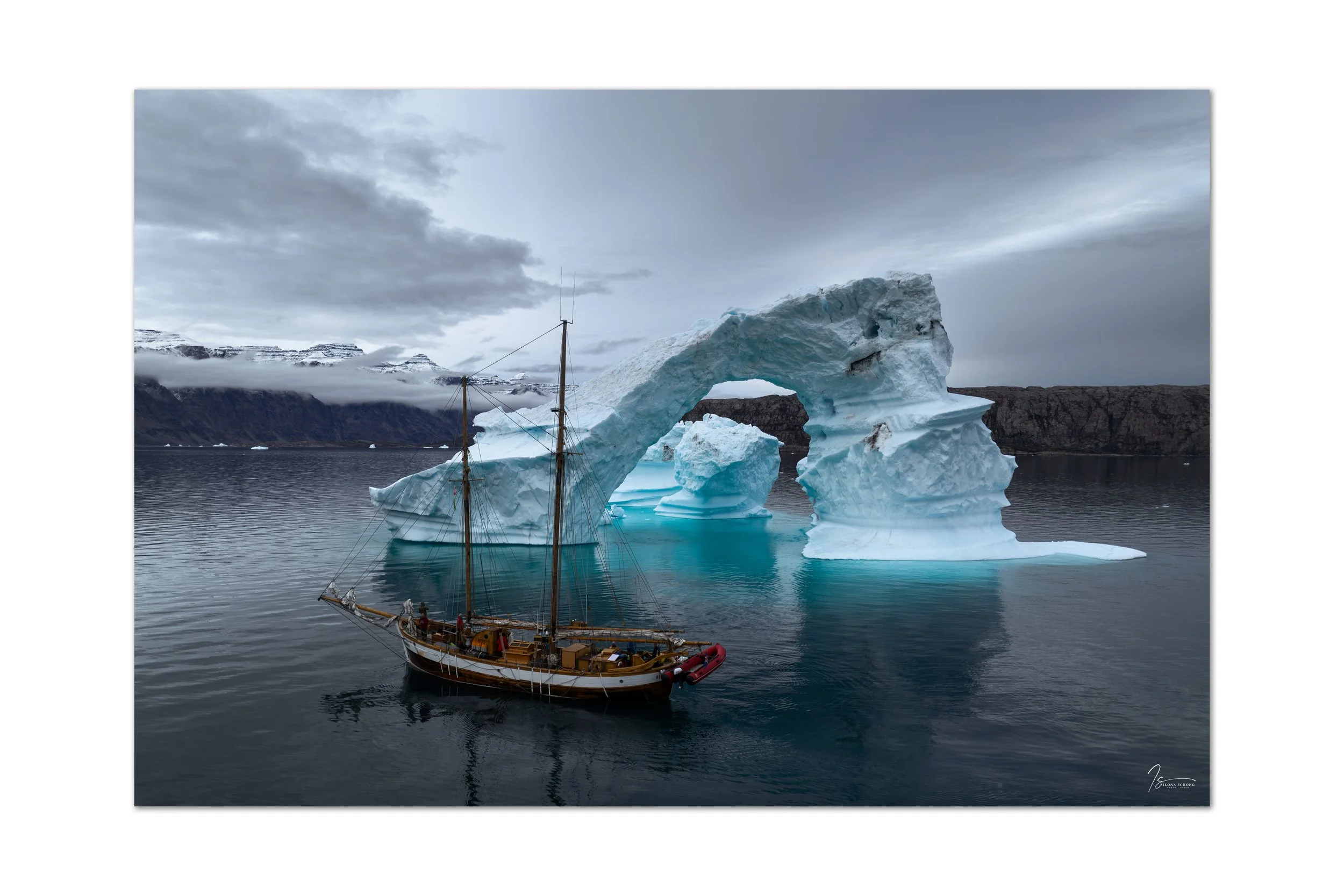
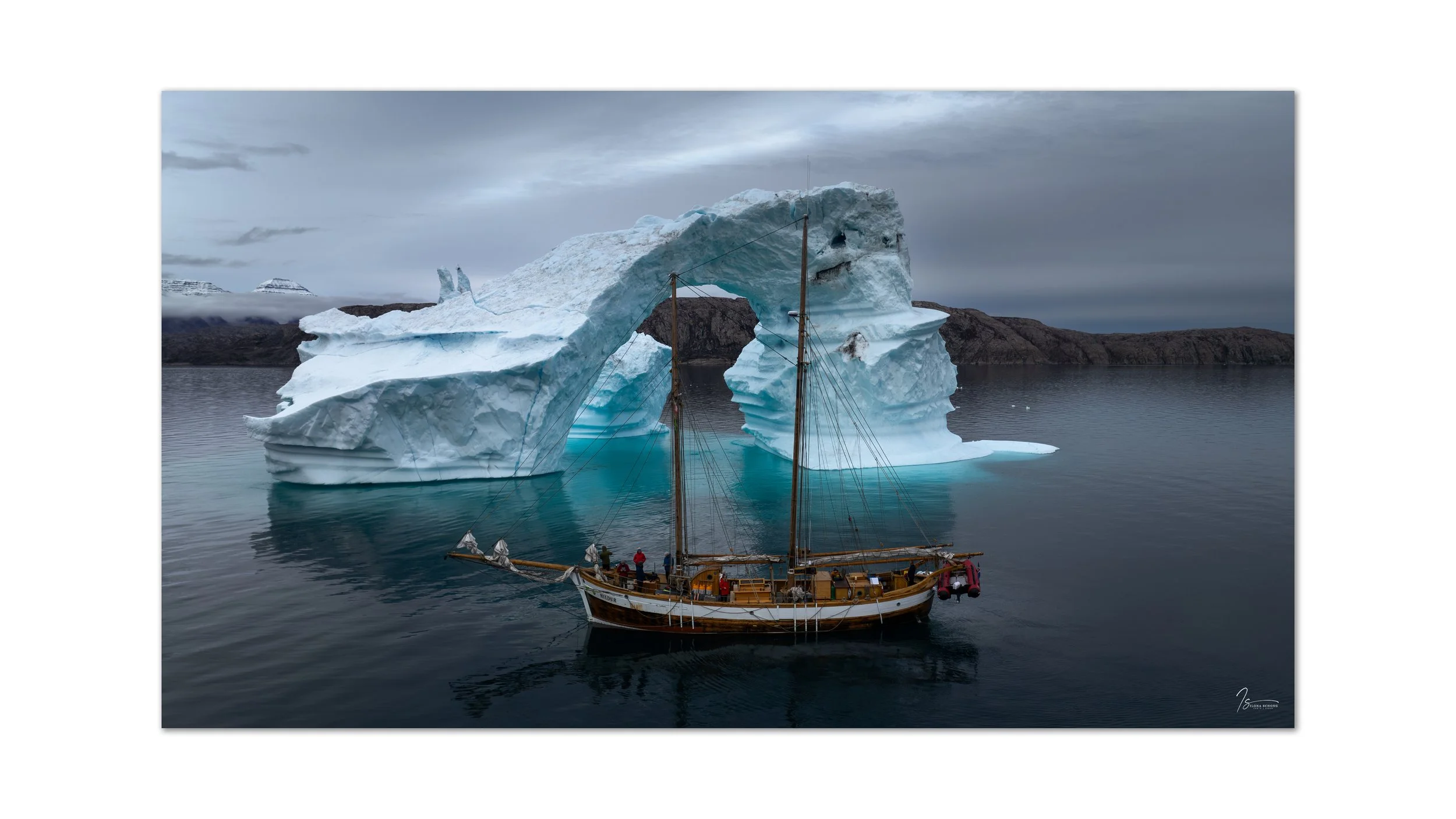
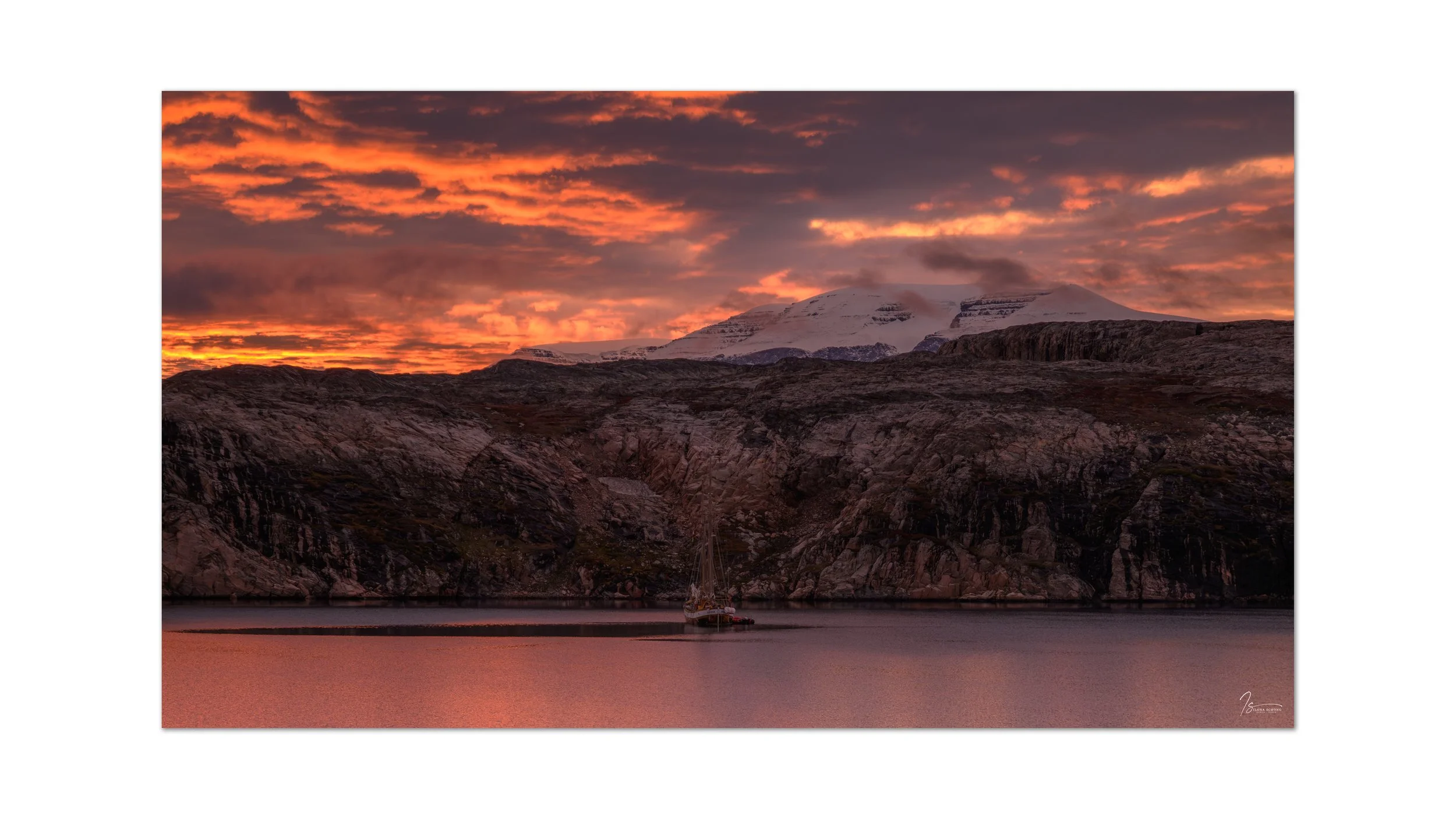
Our anchorage was the naturally formed Hekla-Havn, where we had the opportunity—amid a sunset that was truly colorful for the first time—to visit an old Inuit settlement and the winter camp of the first scientific expedition to Scoresby Sund, more than 100 years ago. The first signs of human presence, after all those days. A strange sensation!
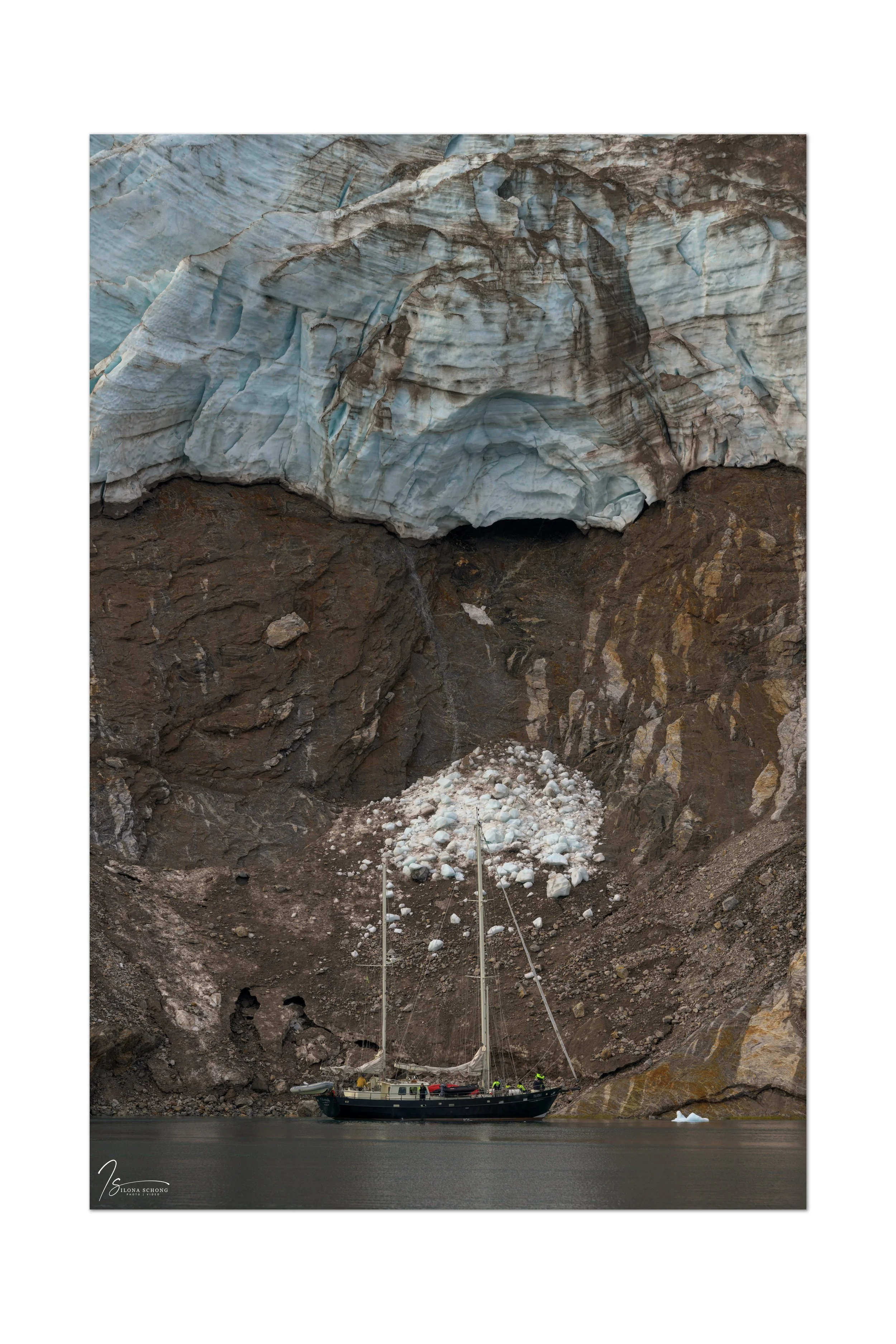
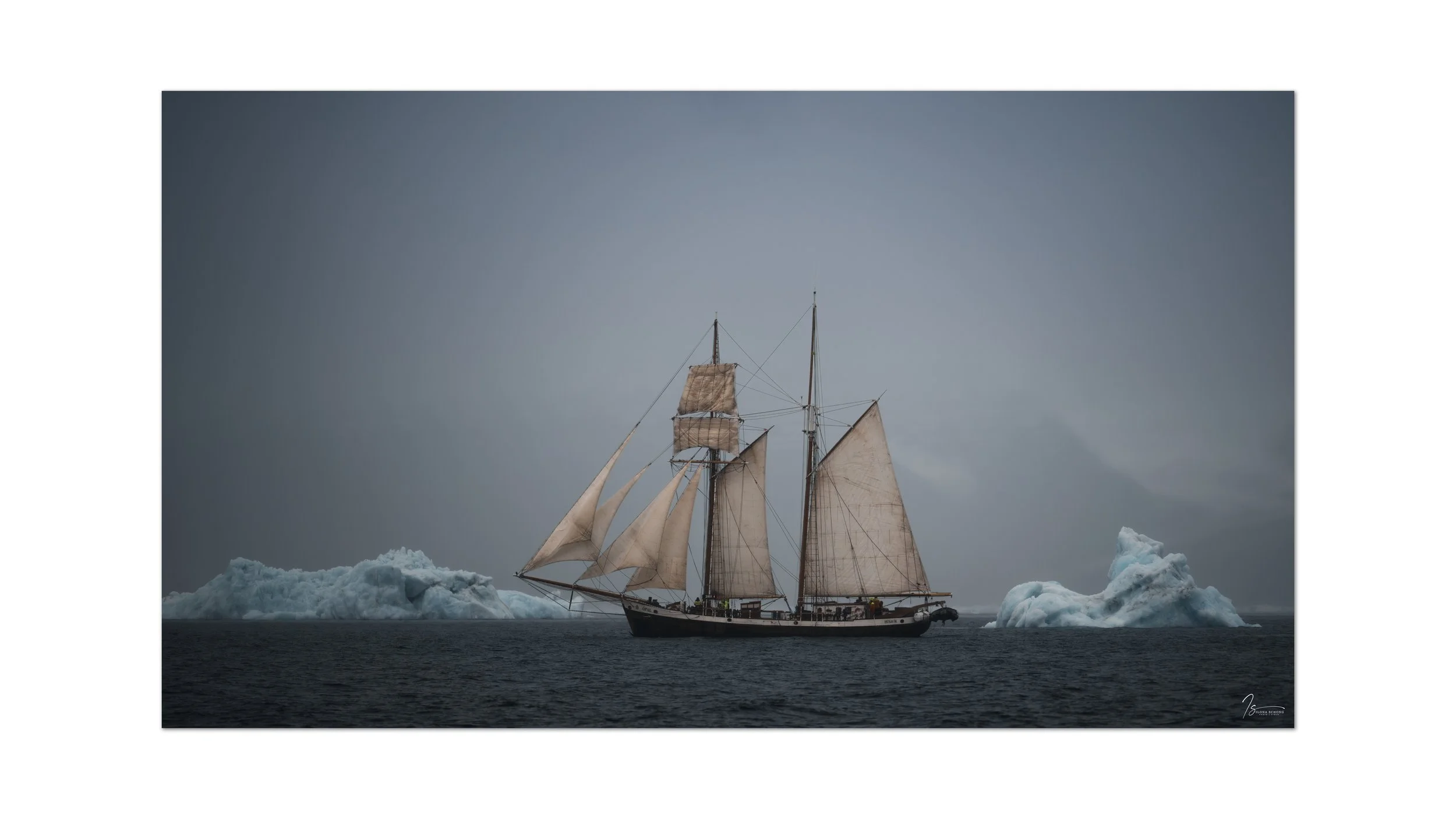
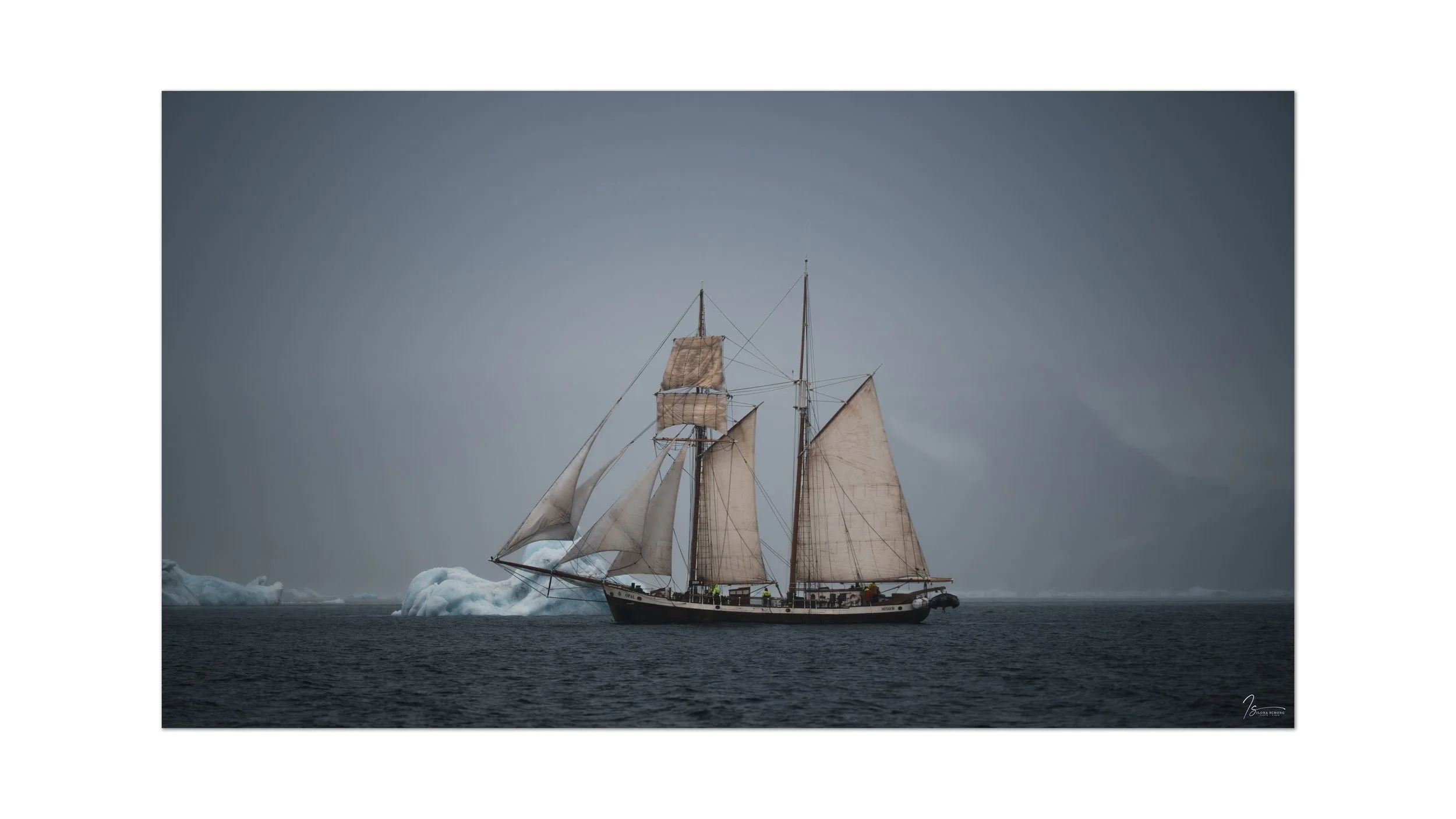
The next morning—the sixth day already—we weighed anchor at 4:30 a.m. A long day of sailing lay ahead, toward the Volquart Boons coast—this time with black mountains—heading toward the gigantic Sol Glacier. From there, a long crossing to Ittoqqortoormiit. We were heading into an area of storms and rain. Along the Volquart Boons coast up to the Sol Glacier, conditions were still quite manageable at first. The Ópal hoisted all her sails, which was, of course, fantastic to see and photograph, although visibility was limited and hazy, which was naturally a shame.
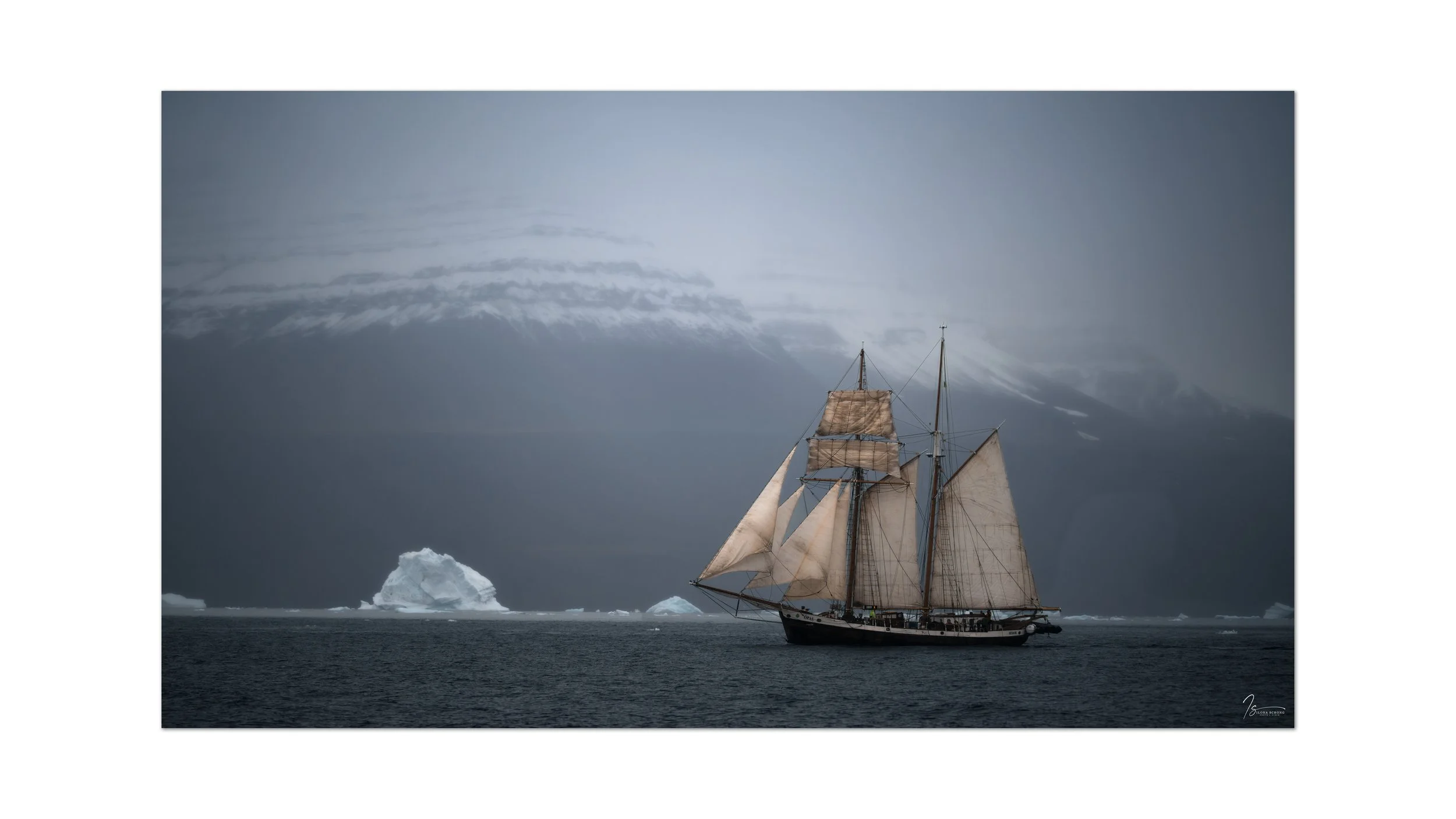
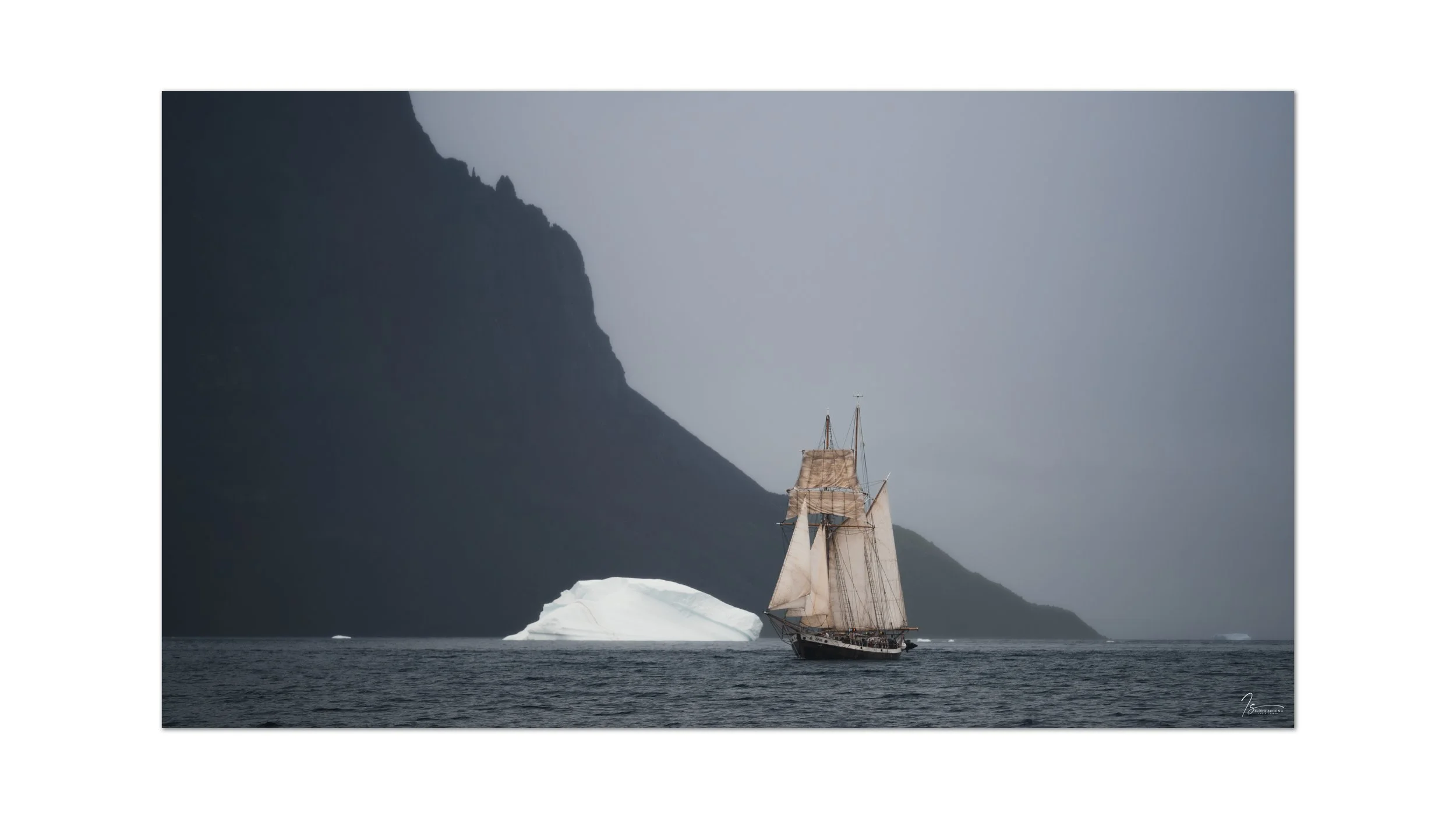
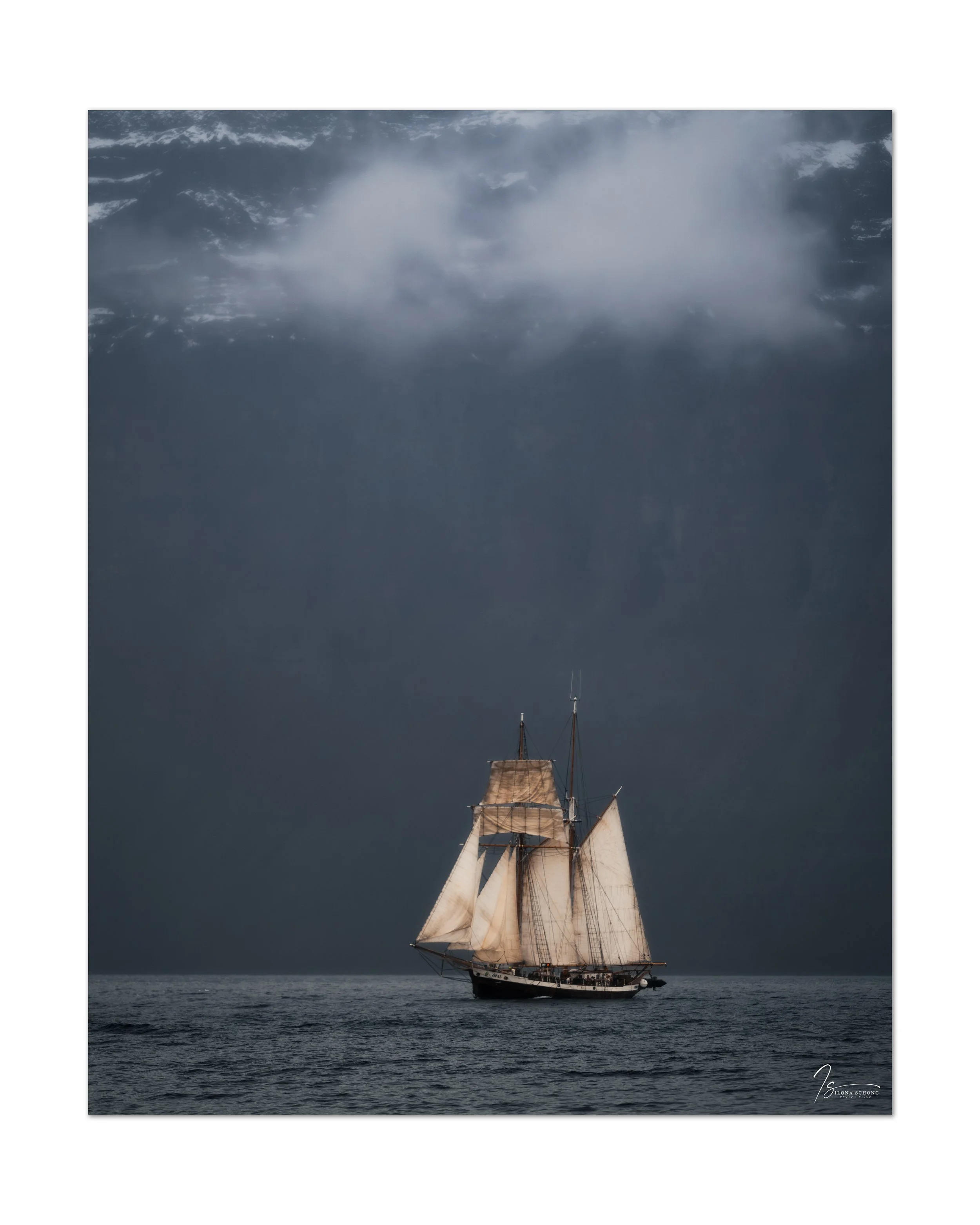
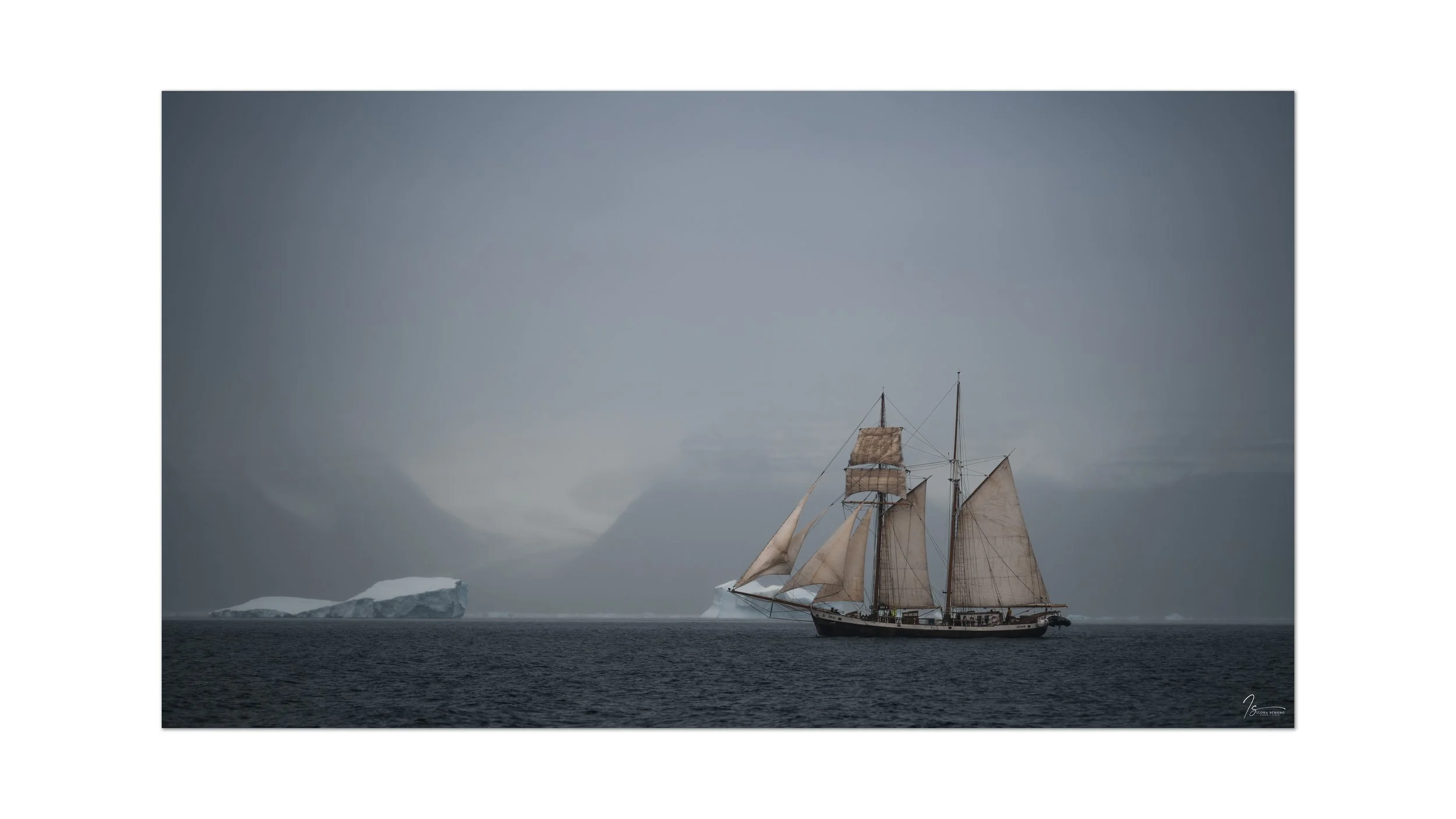
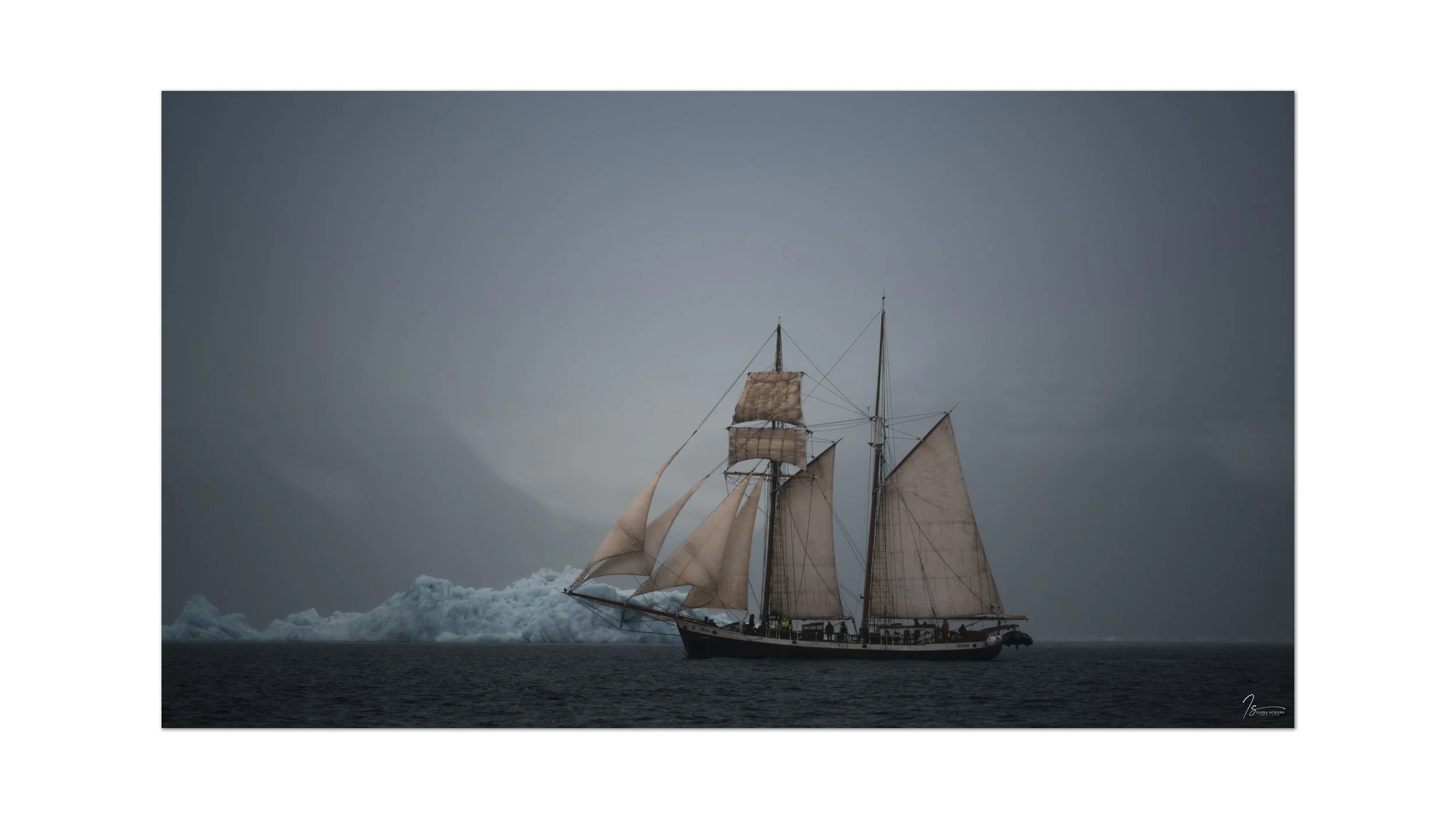
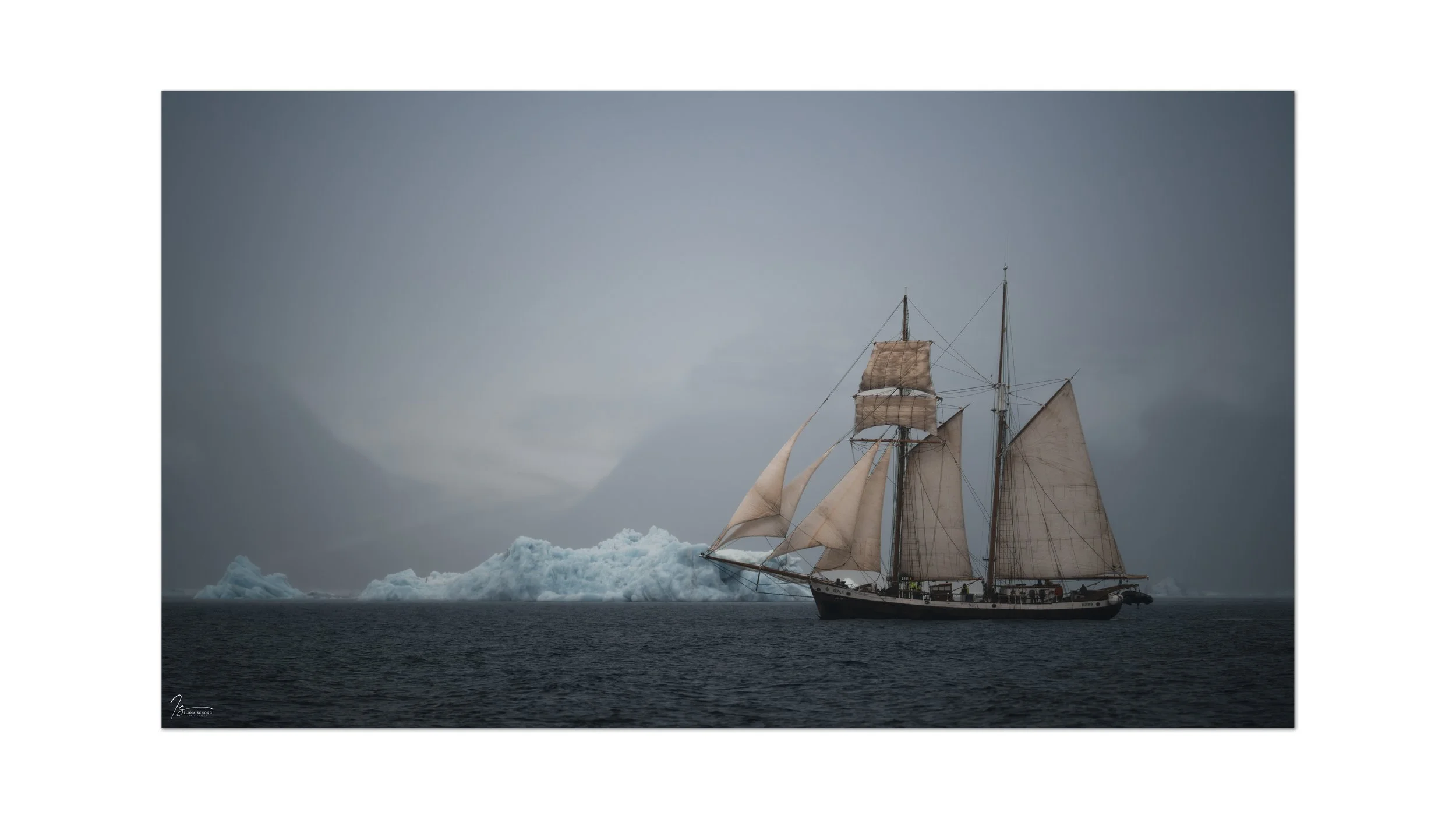
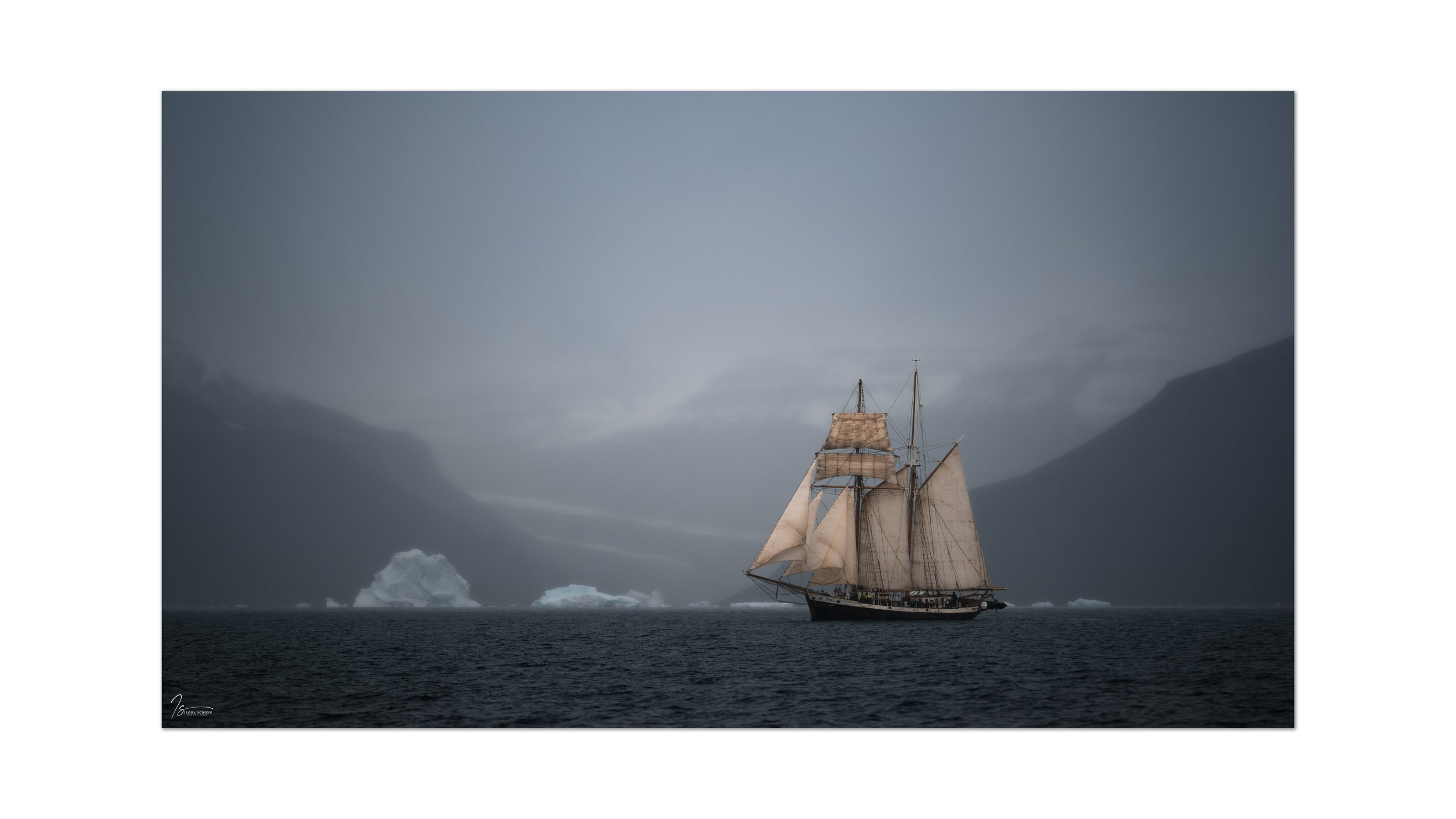
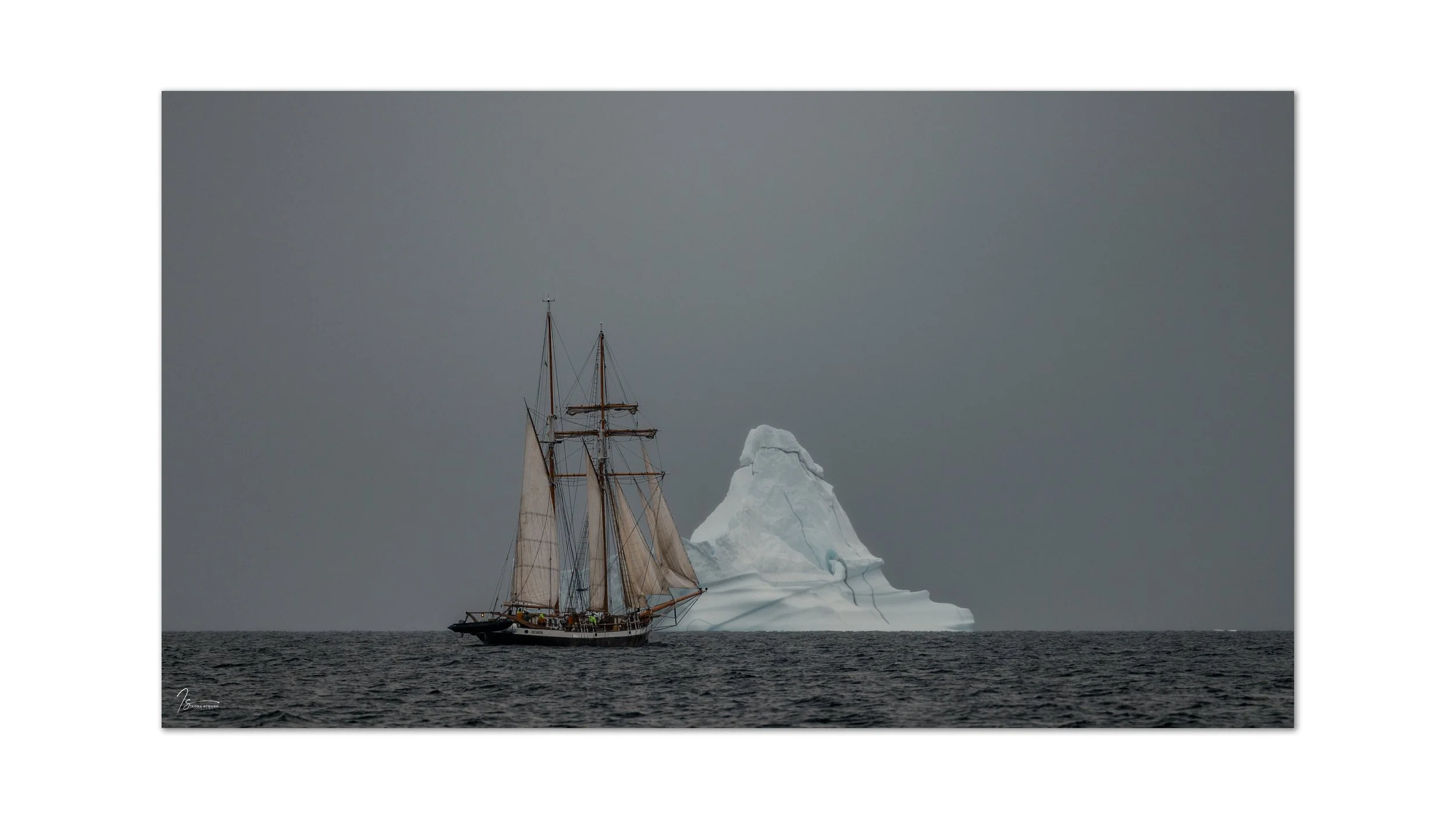
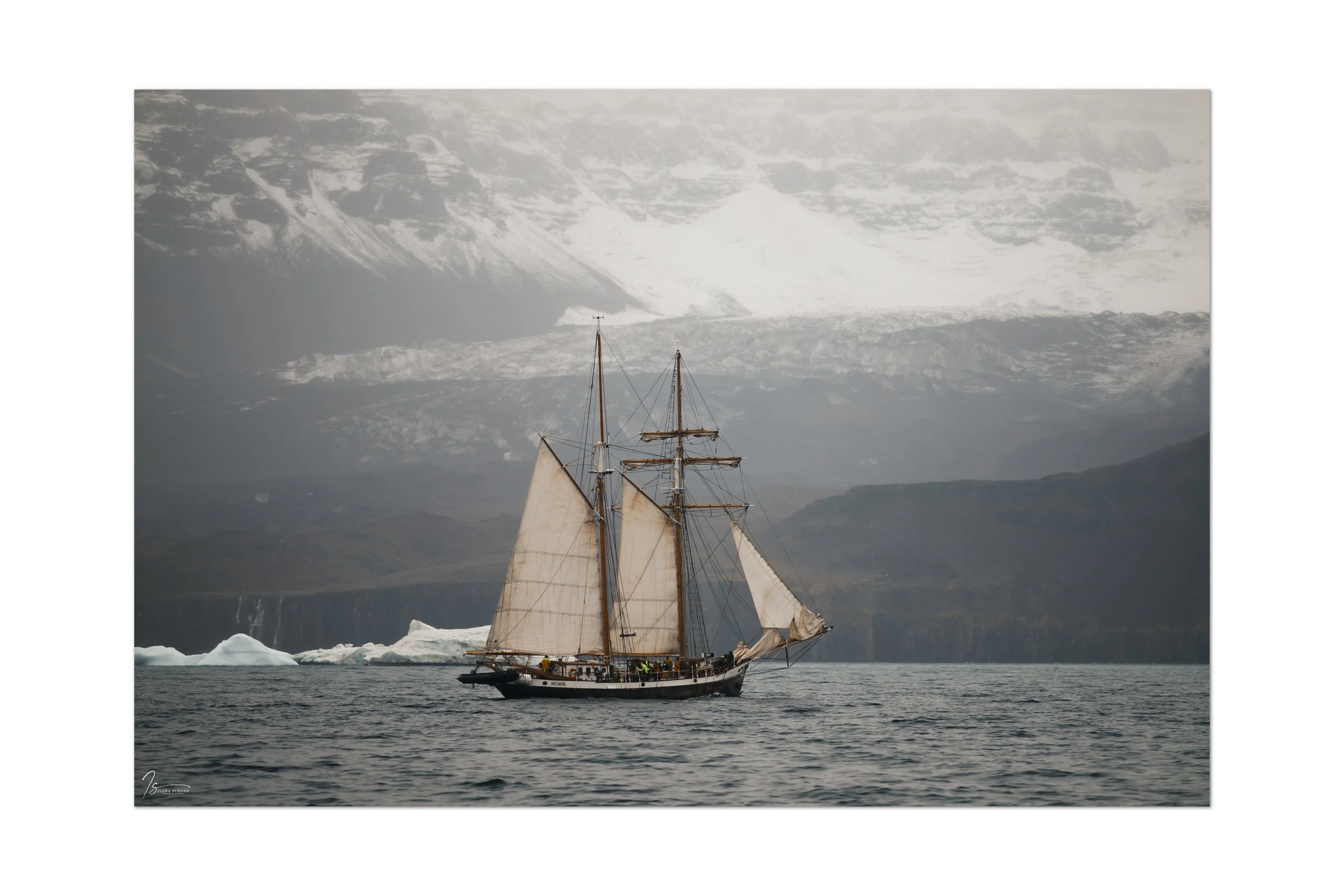
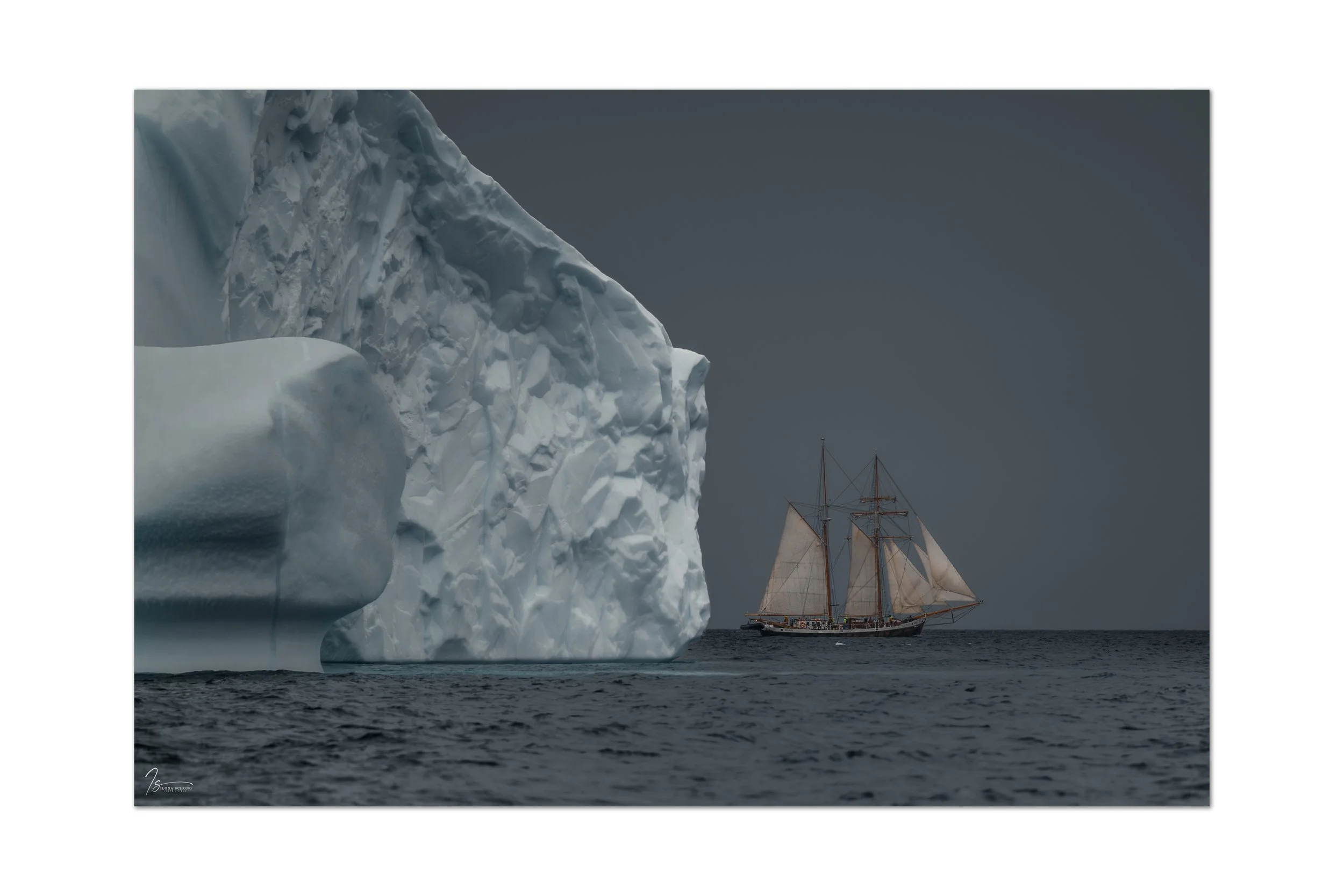
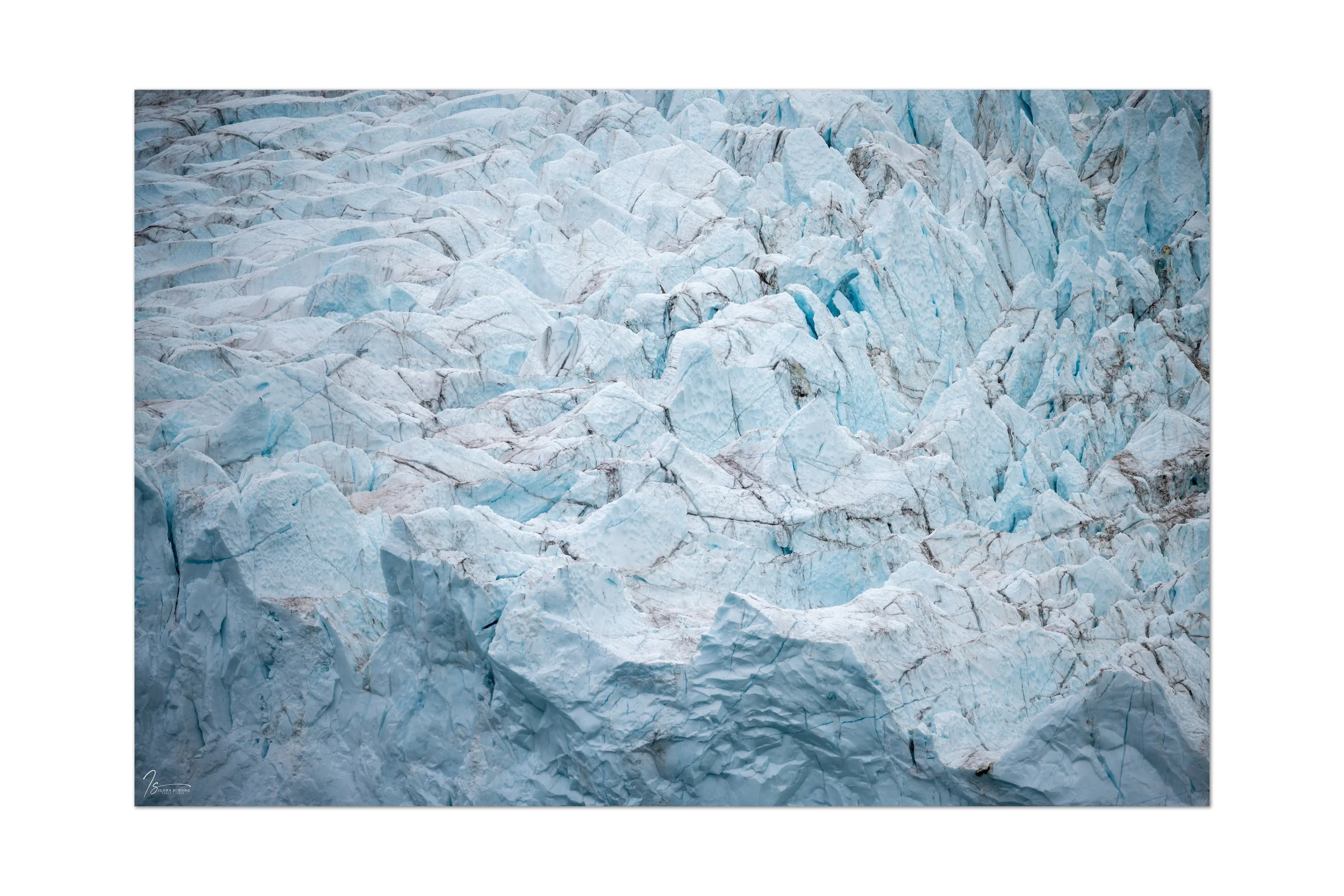
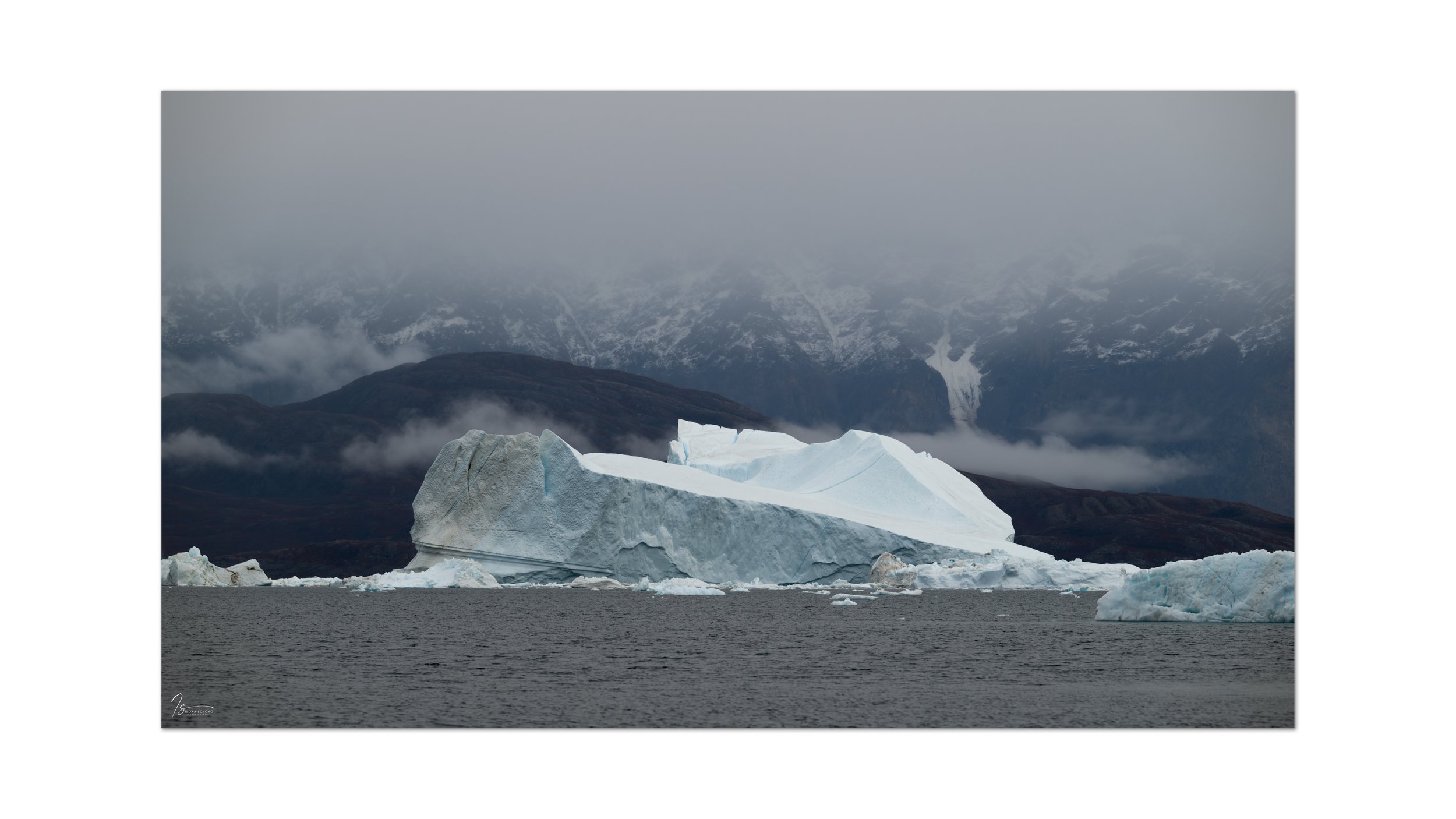
By the time we arrived at Sol Glacier, it had started to rain, which unfortunately made it impossible to fly the drone. Still, I took my favorite photo of the trip there (see the top of this blog).
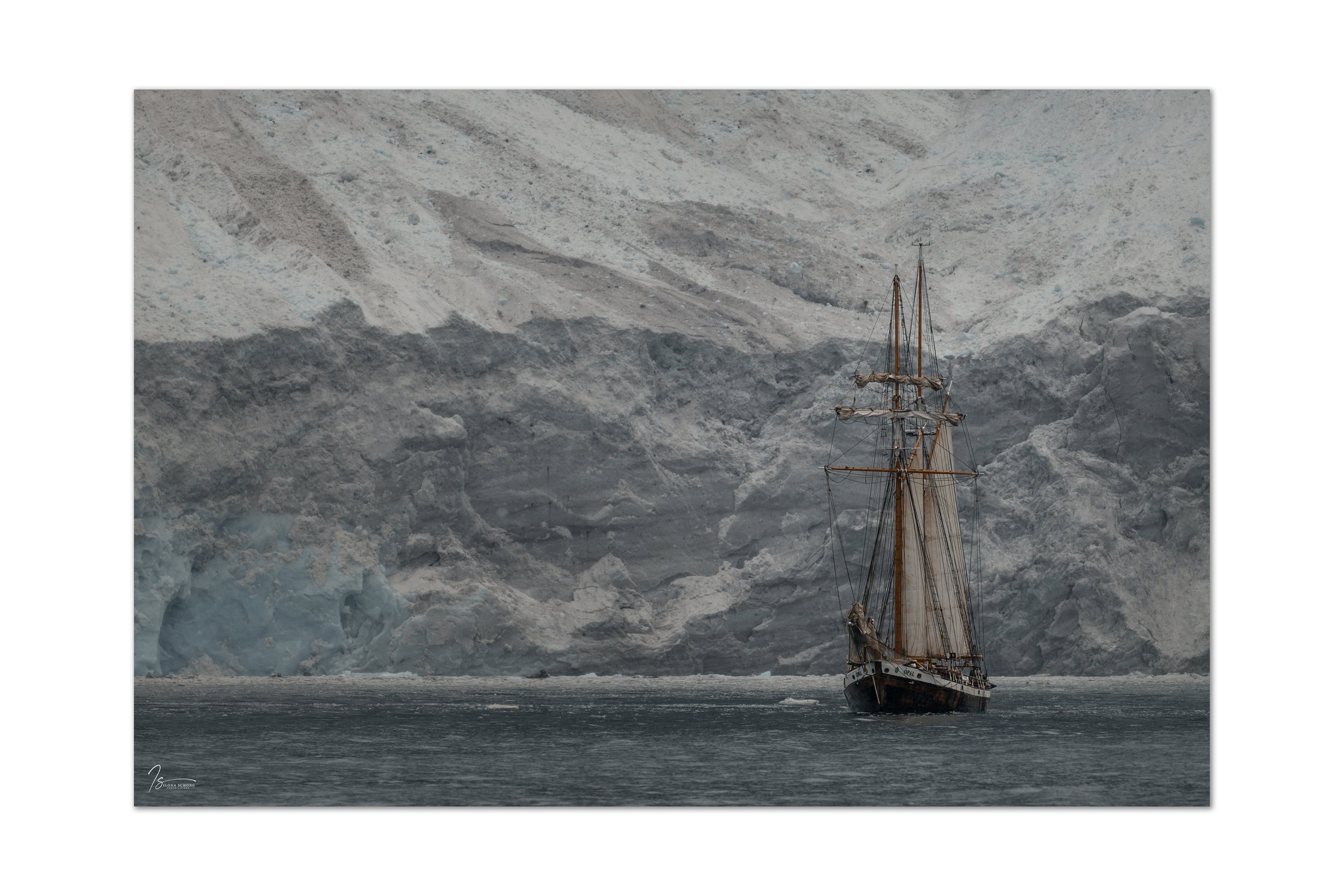
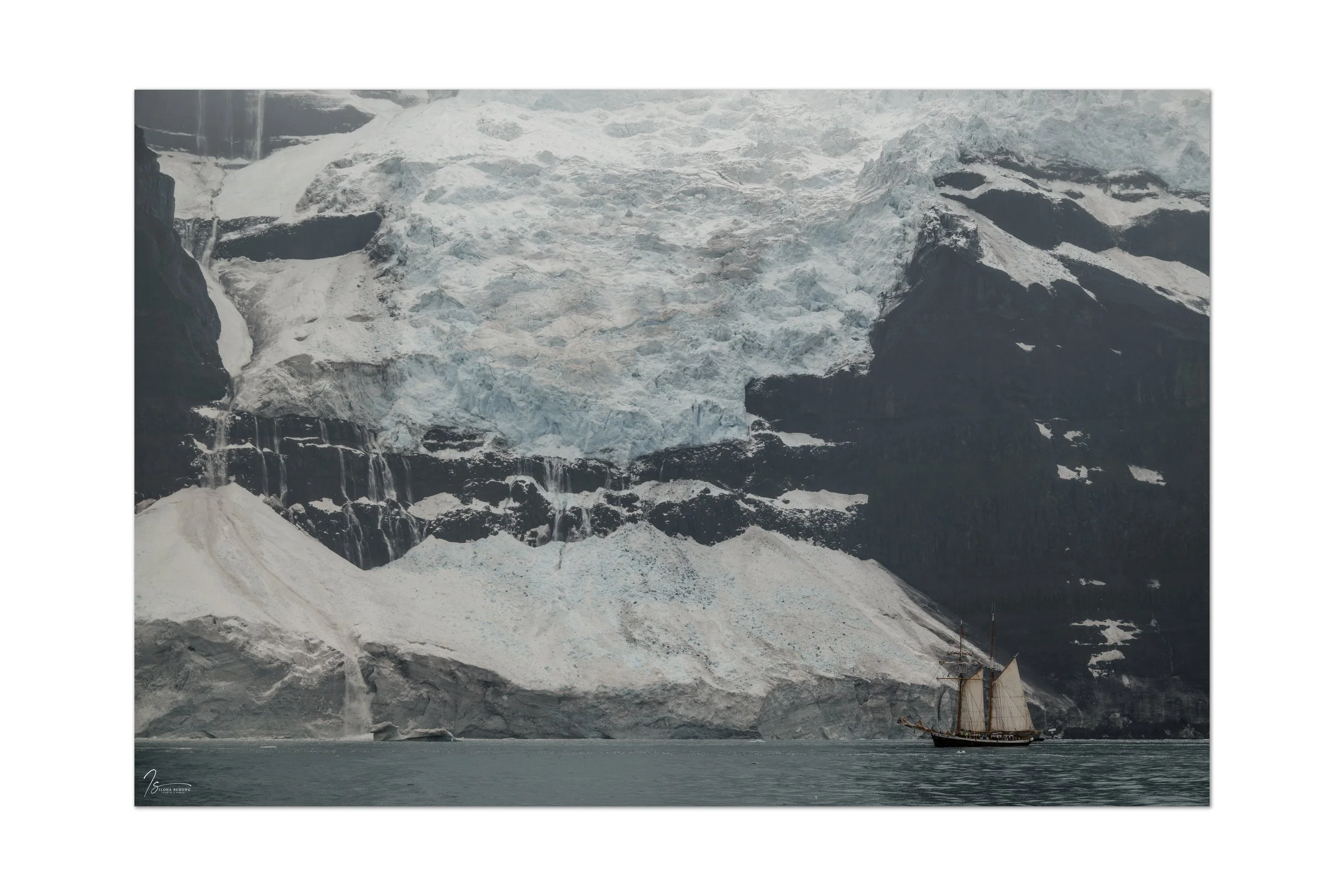
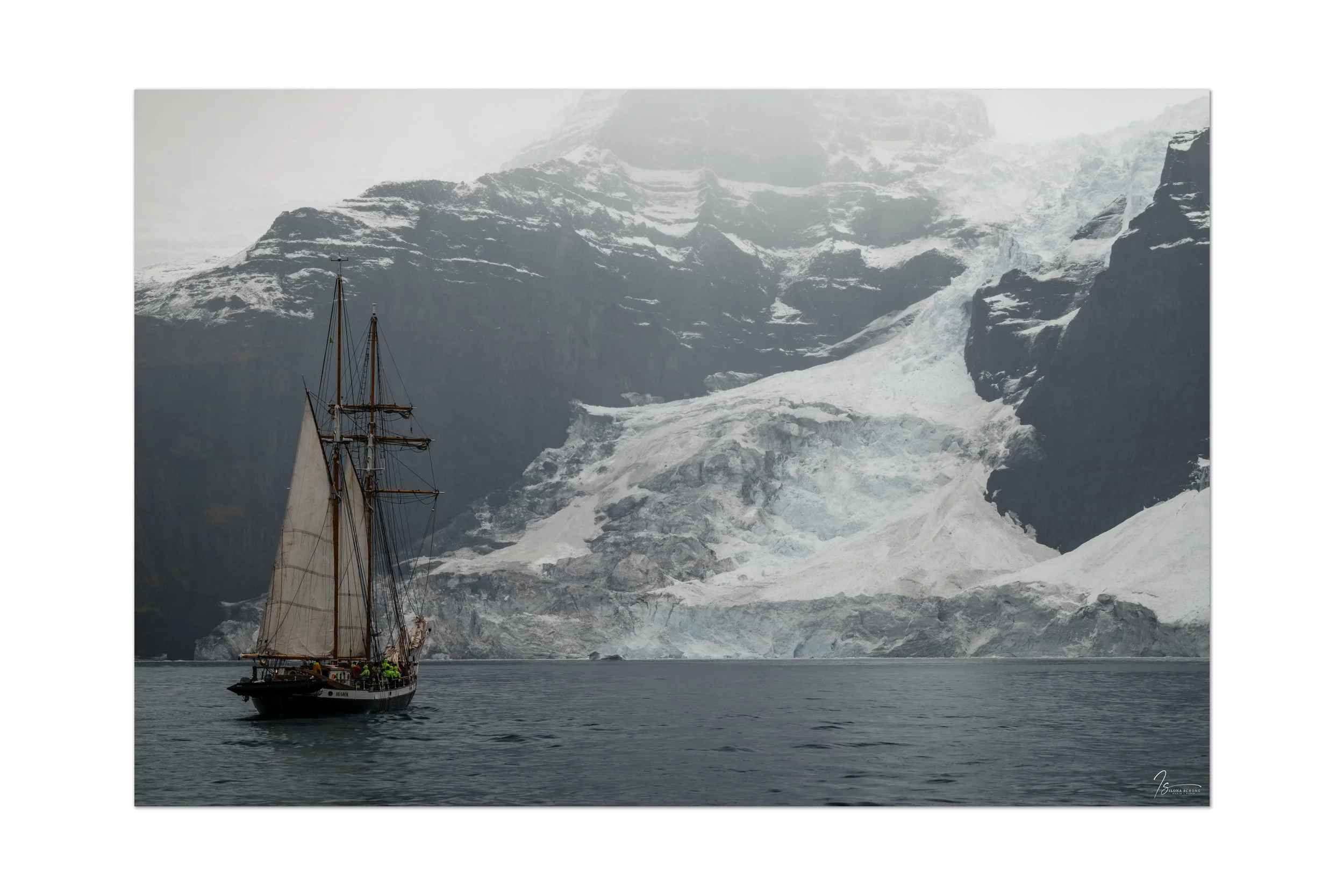
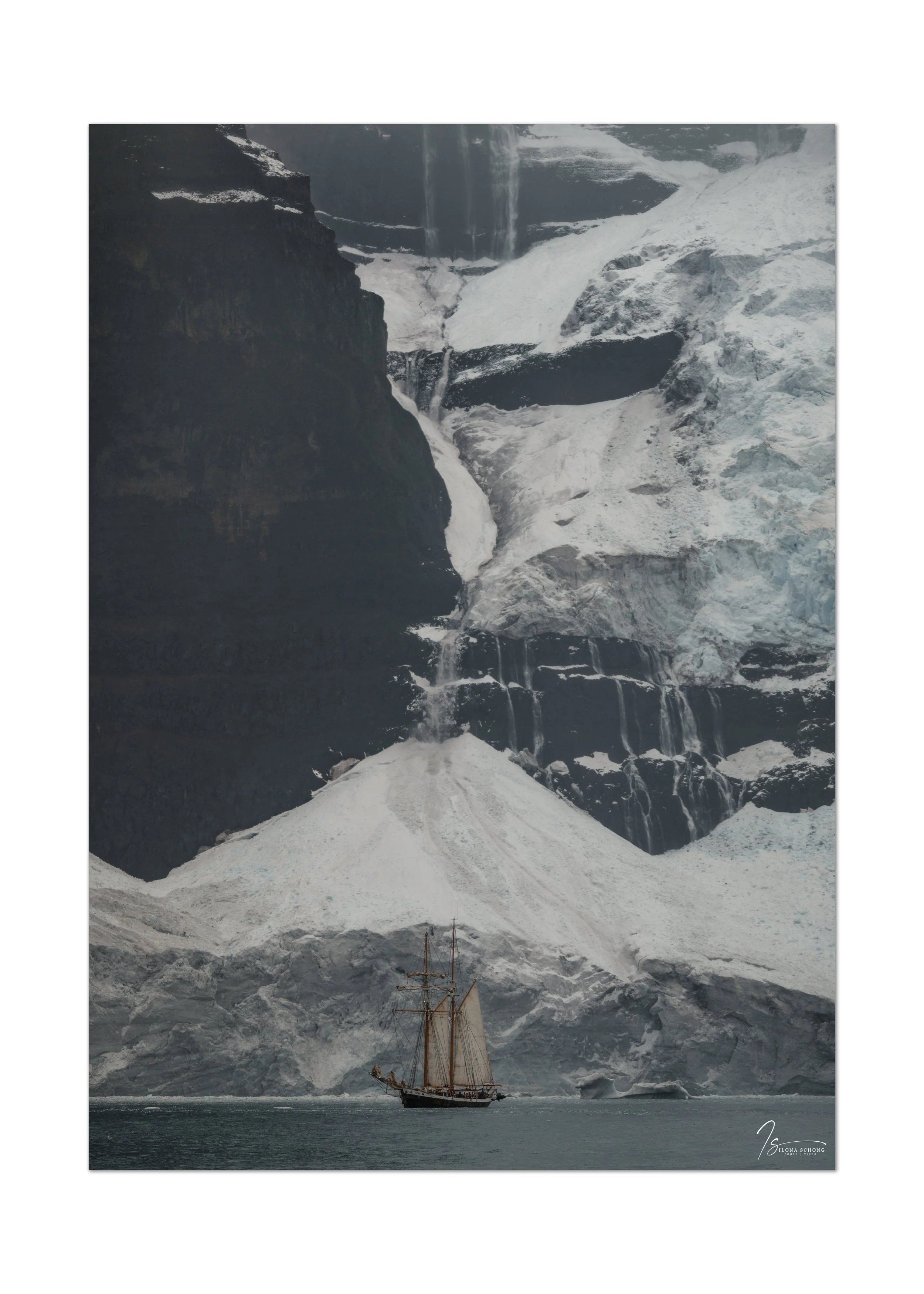
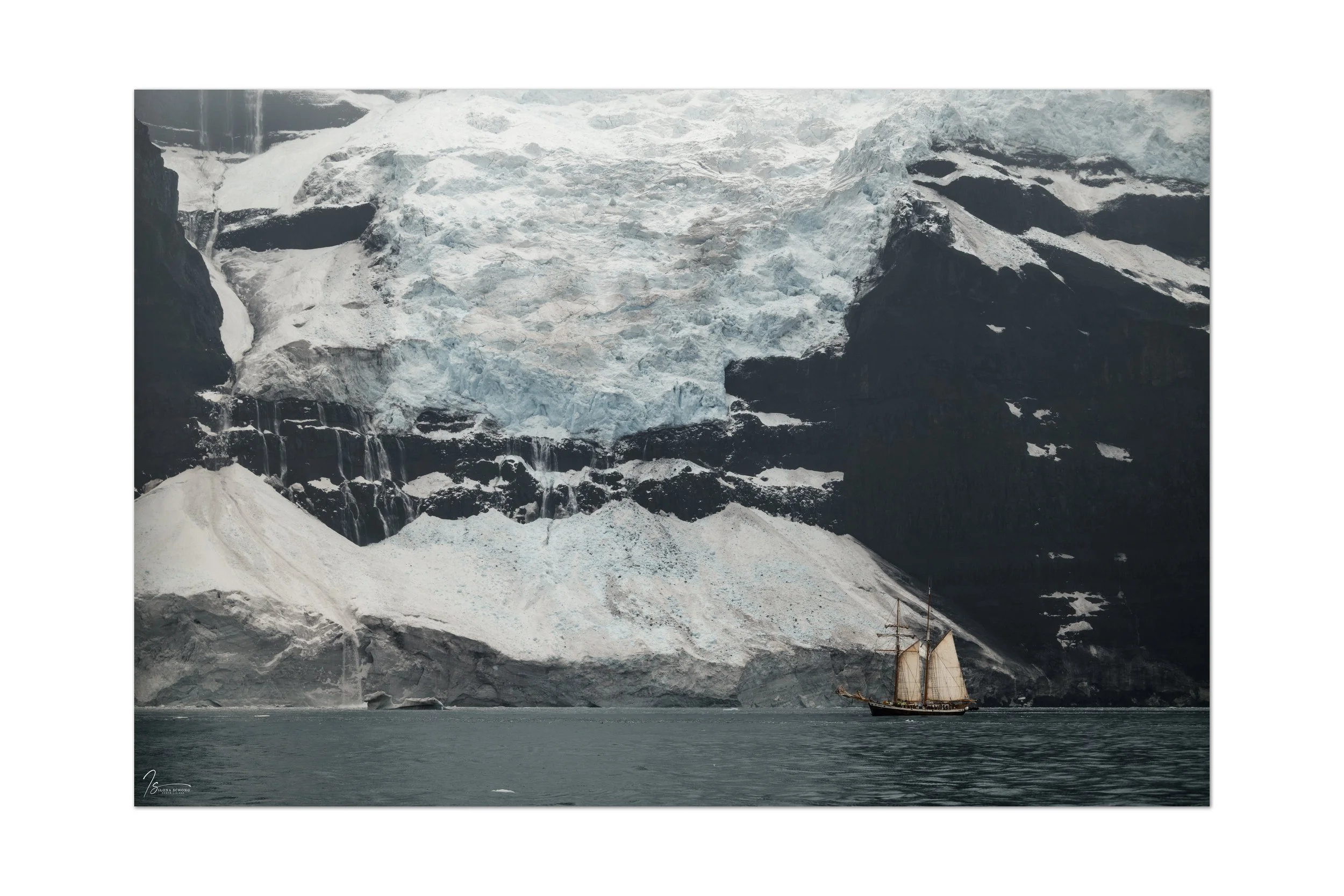
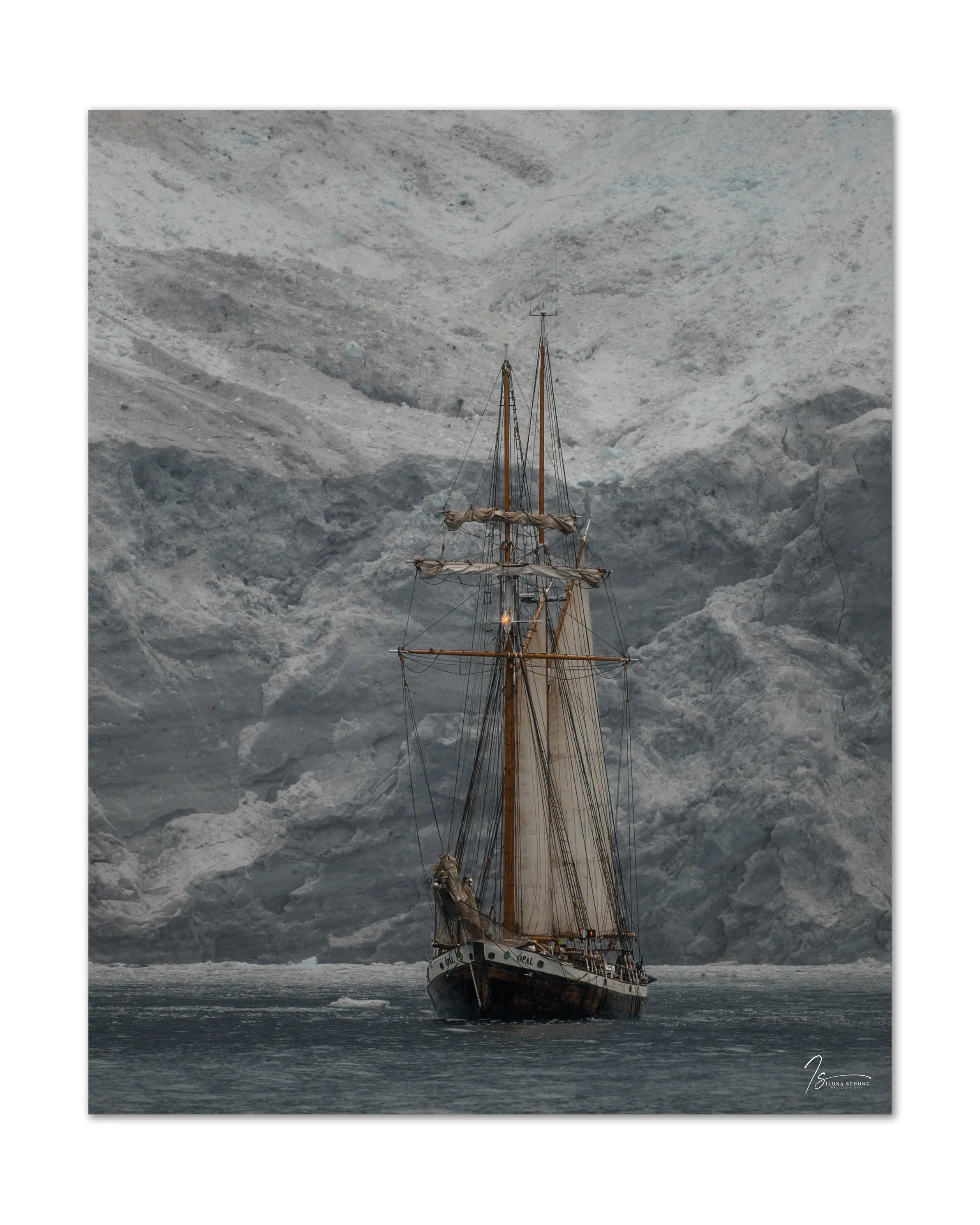
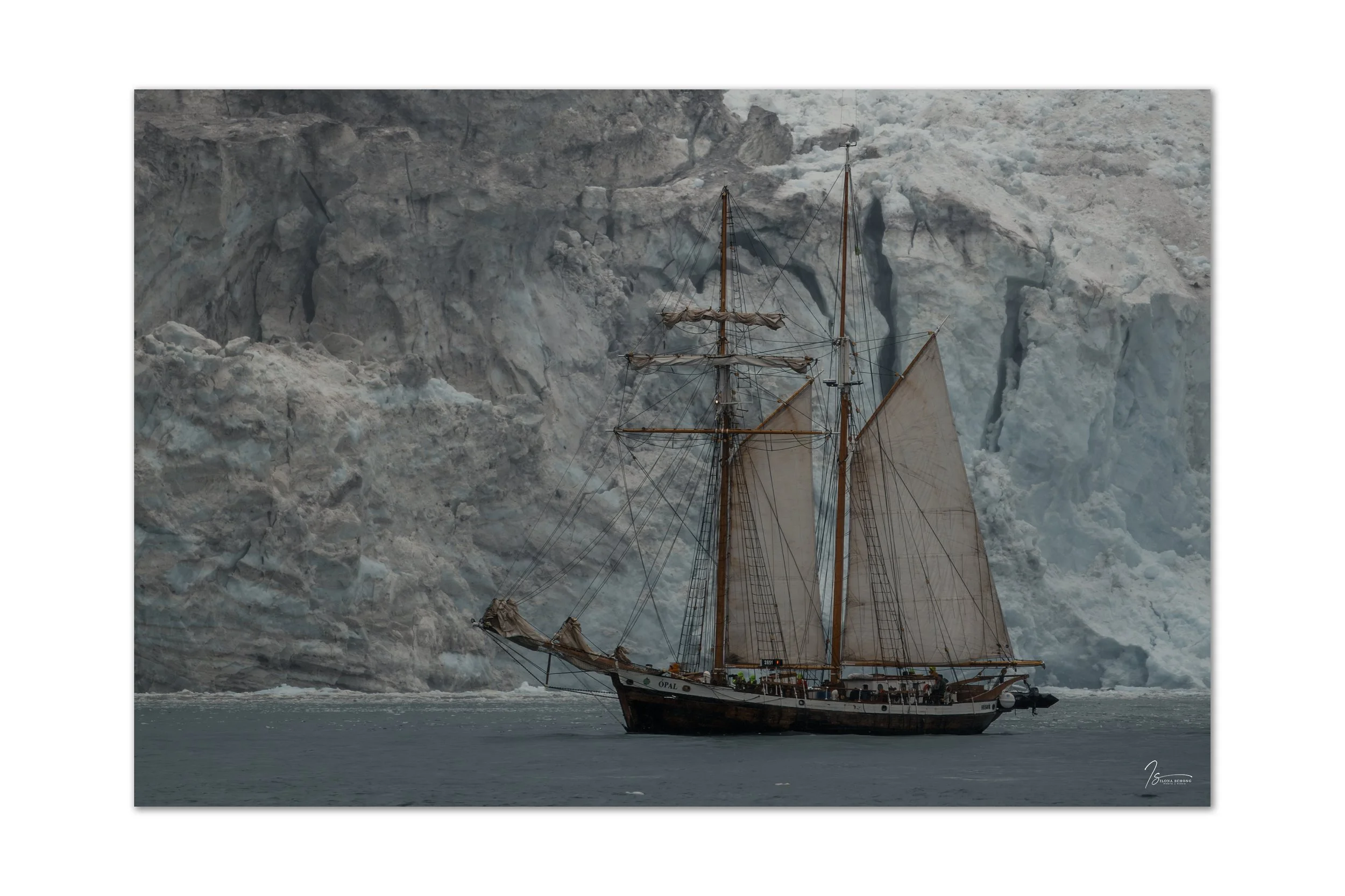
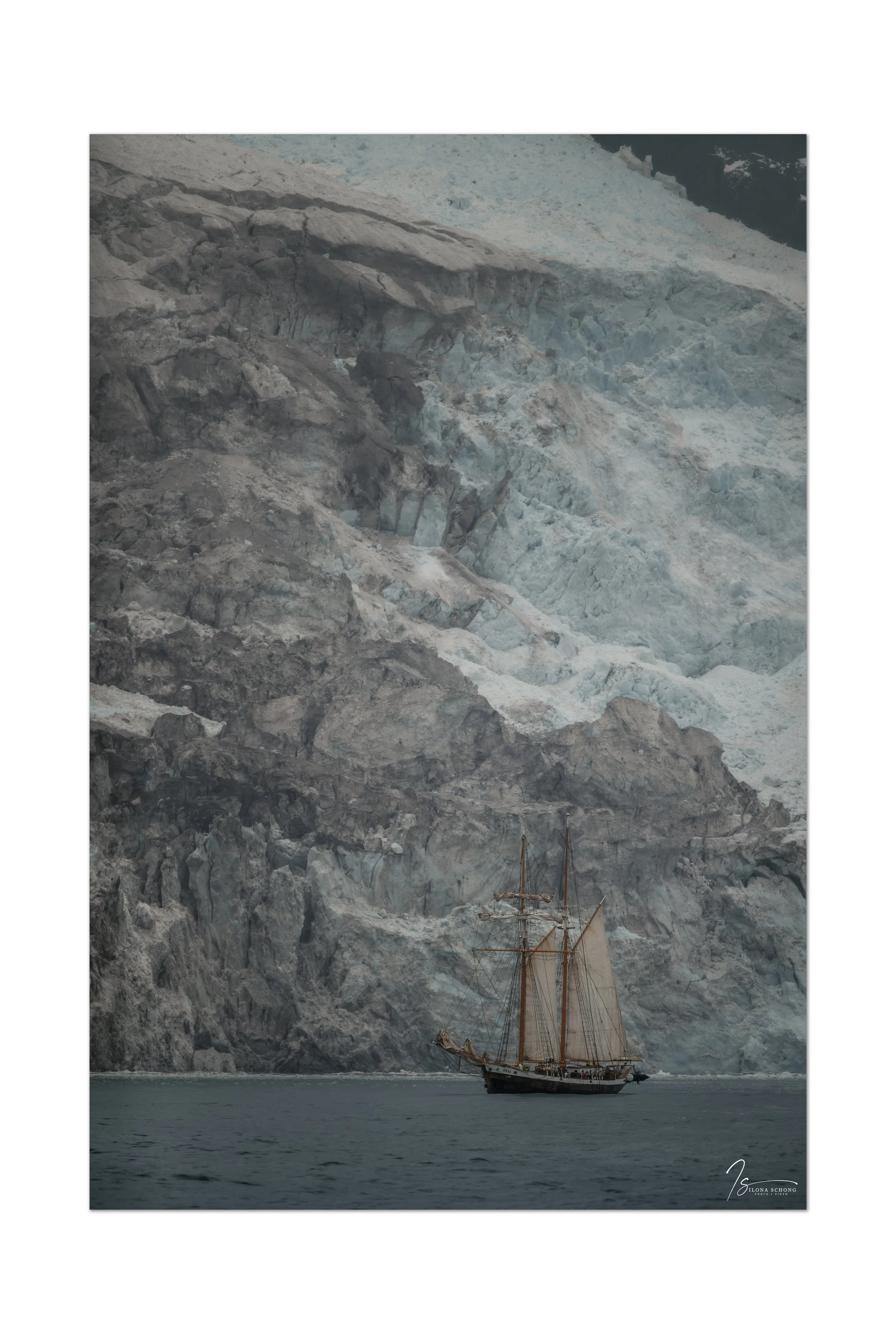
Unfortunately, the long crossing to Ittoqqootormiit then began amid a storm and strong currents, and we arrived there after dark. I didn’t notice much of the crossing itself, since I got very seasick—and would remain that way for the next two days. The night in the storm was also unbearable. The Hildur was tossed about in all directions, and there was hardly any chance to sleep or get some relief from the seasickness. Under these conditions, we were also unable to visit Ittoqqootormiit. The storm was supposed to ease up a bit in the afternoon, so we waited, hoping that the final leg of the voyage toward Constable Point might be a little less rough, but unfortunately, the storm persisted, and we had no choice but to set out anyway.
Usually, the last night is also spent on the boat, but in this case, that wasn’t a good idea. The crew contacted the airport, and rooms were prepared for us in the wooden barracks and the adjacent containers. Around 11:00 p.m., in stormy and dark conditions, we made the crossing to Constable Point by Zodiac with all our luggage and arrived at the airport around midnight after a two-kilometer walk. The Hildur set sail that same night around 4:00 a.m. to reach the open sea and begin the two-day return journey to Husavik in northern Iceland. I can safely say that I didn’t envy them and was glad to have my feet on land. It was a dramatic end to an otherwise unforgettably beautiful trip with wonderful fellow travelers, for which I am very grateful!