Flying Giants
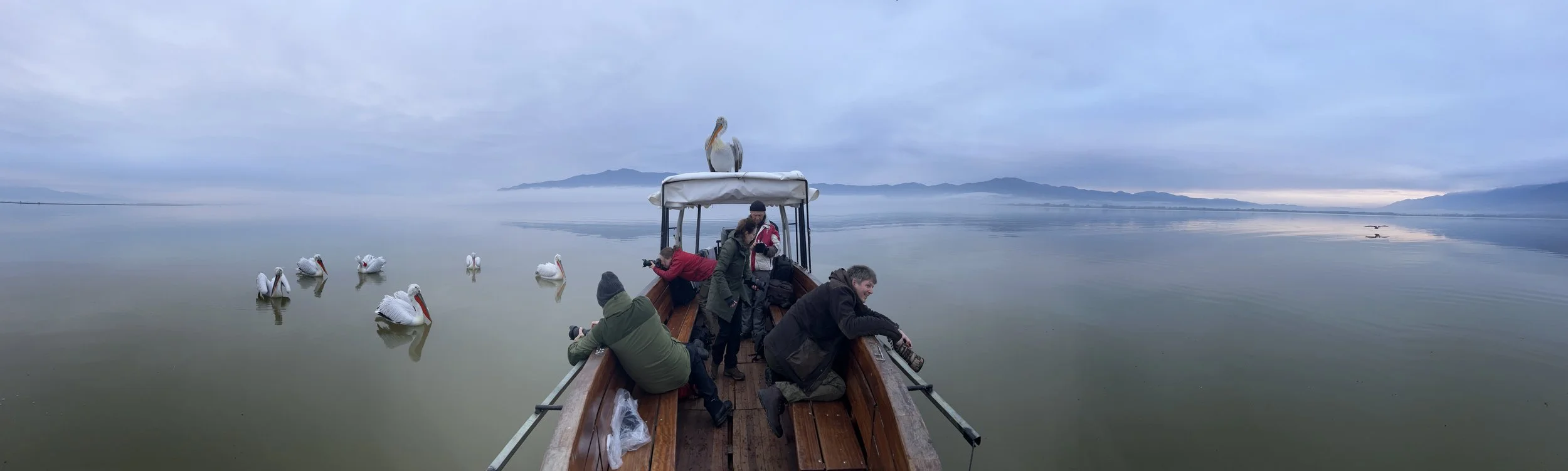
While the Netherlands is sweltering under a heat wave—and even our thermostat reads 32.5 °C indoors—I’m trying to catch up on some work on my website. There isn’t much else you can do right now anyway.
Last February, I visited Lake Kerkini, located in northern Greece, near the Bulgarian border. This artificial freshwater lake was created by the construction of a dam and is fed by the Strymon River, which originates in Bulgaria and eventually flows into the Aegean Sea. Together with the surrounding marshy lands, Lake Kerkini forms the Lake Kerkini National Park, bordered to the north by the Kerkini Mountains, which also form the border between Greece and Bulgaria.
Lake Kerkini is a true bird paradise; as many as 300 species can be found there. Lake Kerkini is also a wintering and breeding ground for the endangered Dalmatian pelicans. These Dalmatian pelicans are a favorite subject for wildlife photographers, and many photo tour operators offer trips there in January and February, when the Dalmatian pelicans are at their most beautiful in their breeding plumage.
Now, I’m not really a fan of these kinds of trips, where so many photographers—who’ve decided they want to make a living from photography—start offering tours and workshops, trying to cash in on the trend and charging top dollar for something that’s actually quite easy to organize. I think it’s become too commercialized, and I hardly see any added value in it for myself anymore.
Nevertheless, renting a small boat—including a skipper and the necessary bait—can be quite expensive if you want to do this on your own. A while back, I came across George Blonsky’s website. George is a photographer who grew up in the United Kingdom, with Greek-Russian roots, and has been living in Kerkini for years now. He was the first to organize workshops specifically focused on photographing the Dalmatian pelicans of Lake Kerkini, and that changed everything. I still believe that hiring a local photographer, who knows the area like no one else, does offer the added value I look for in an organized photography tour—and that’s exactly what happened.
George keeps his groups small, uses a better-suited boat, and knows an incredible amount about the local wildlife. As a professional nature photographer, he offers all the support you need. On top of that, George turned out to be a very pleasant person and a delightful dining companion. If you’re considering a trip to Kerkini, as far as I’m concerned, look no further. You can find the link to his website here.
Together with An Meert, my Belgian photography buddy—with whom I’d also traveled to Hungary—I flew with Transavia from Amsterdam to Thessaloniki, where George was waiting for us. After an hour-and-a-half drive, we arrived in Kerkini, where we stayed at the Oikoperiigitis Hotel—a great base, though you have to look past the somewhat dated photos on booking.com. Spacious, clean rooms, a good breakfast buffet, and a delicious dinner menu, even for vegetarians like me.
The schedule for the next three days was simple. Every morning around 6:45 a.m., we set out for the nearby little harbor, spending sunrise and the few hours afterward out on the water. Afterward, there was time for breakfast, and you could spend the rest of the morning as you pleased, until we headed back to the harbor around 2:00 p.m. for a second session that lasted until sunset. This was a modified itinerary, in which shooting from the shore was replaced by a second boat trip, since the water level was too high to photograph from the shore due to prolonged rainfall. Because of this heavy rain, the water in the lake was also a bit brownish due to the large amount of silt carried in by the Strymon River. So the conditions weren’t exactly ideal; because it was often heavily overcast and rainy, we didn’t get a single beautiful sunrise or sunset. I found that a shame in itself, but there’s little point in dwelling on that disappointment for too long. It’s something that happens to me quite often when I travel.
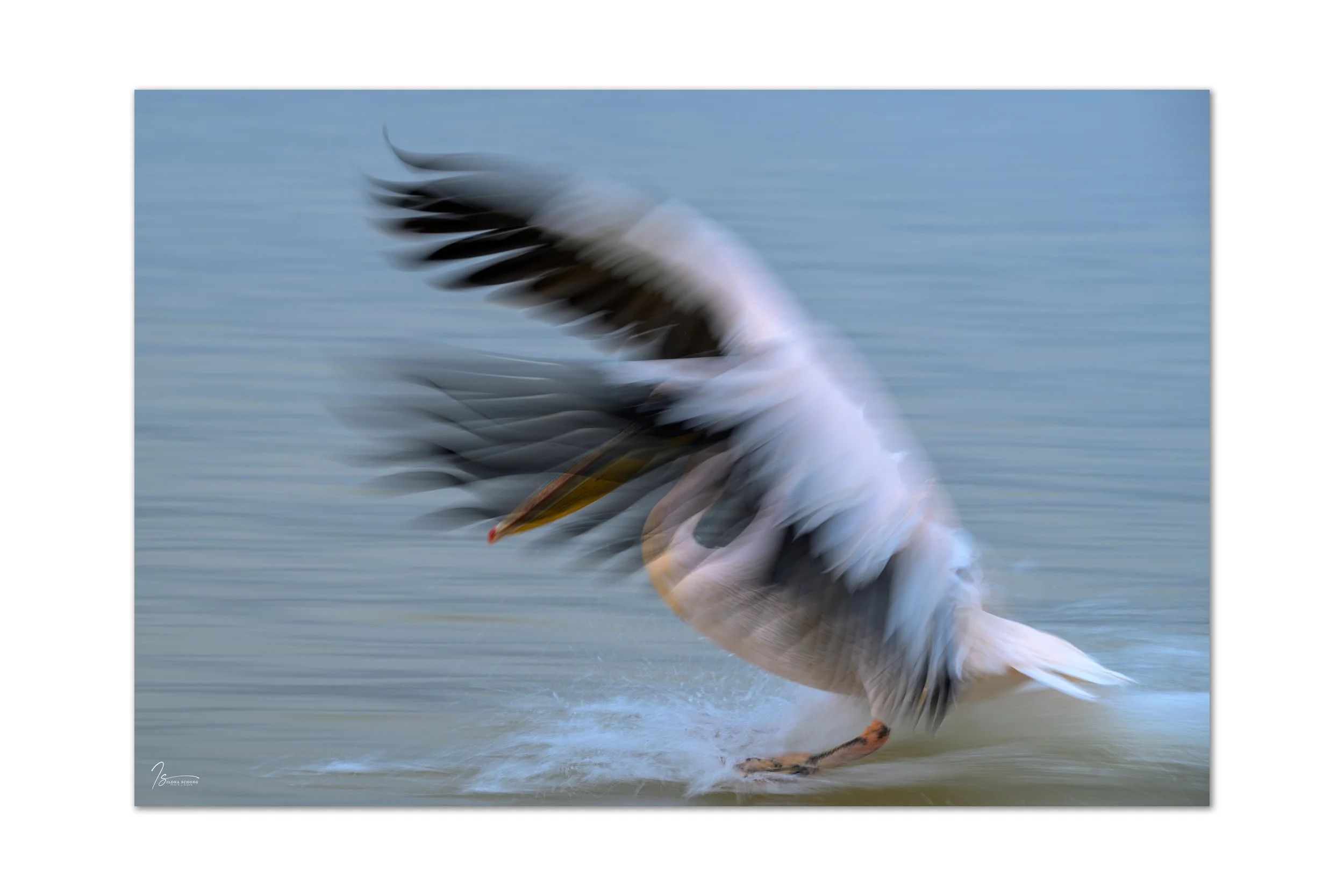
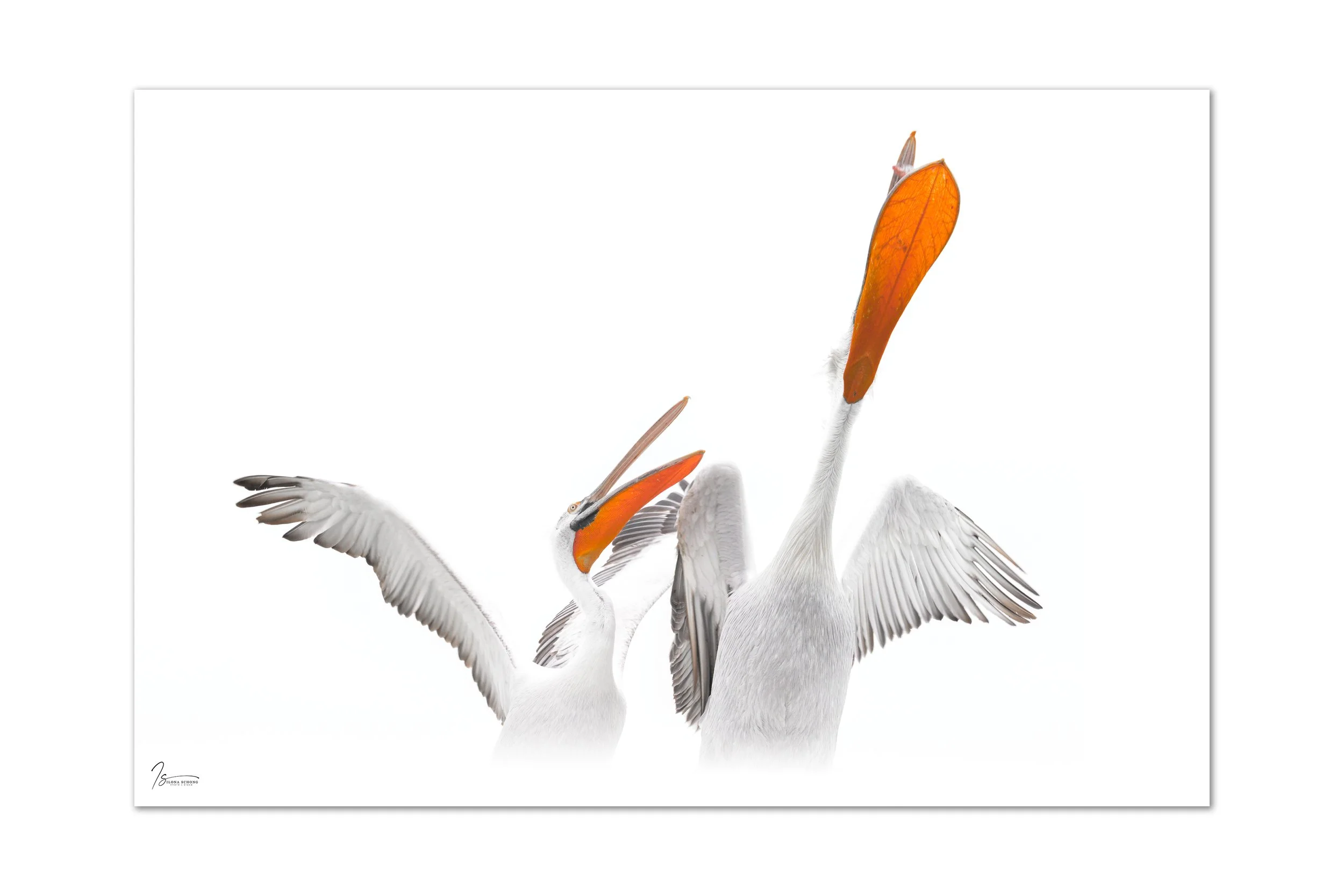
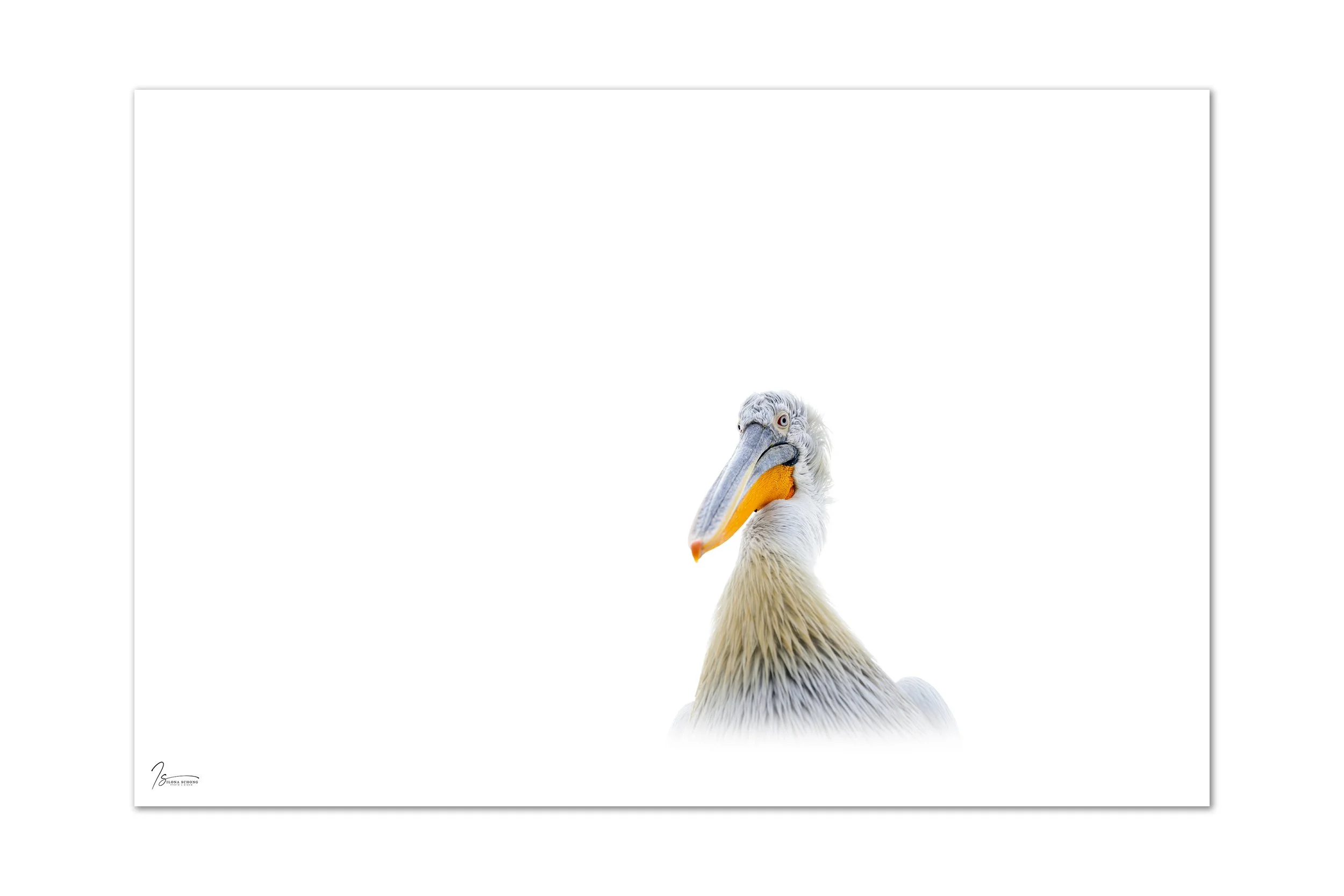
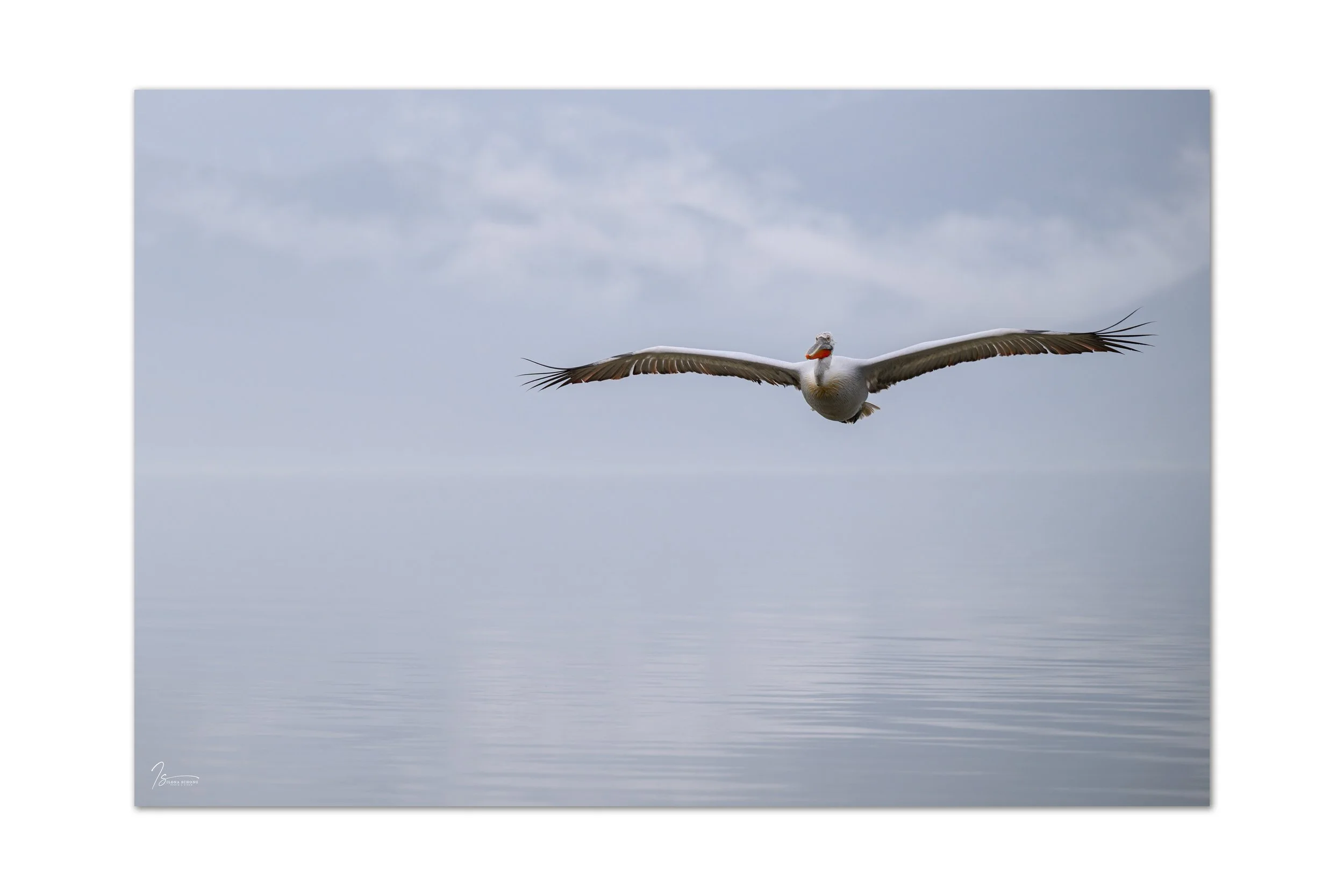
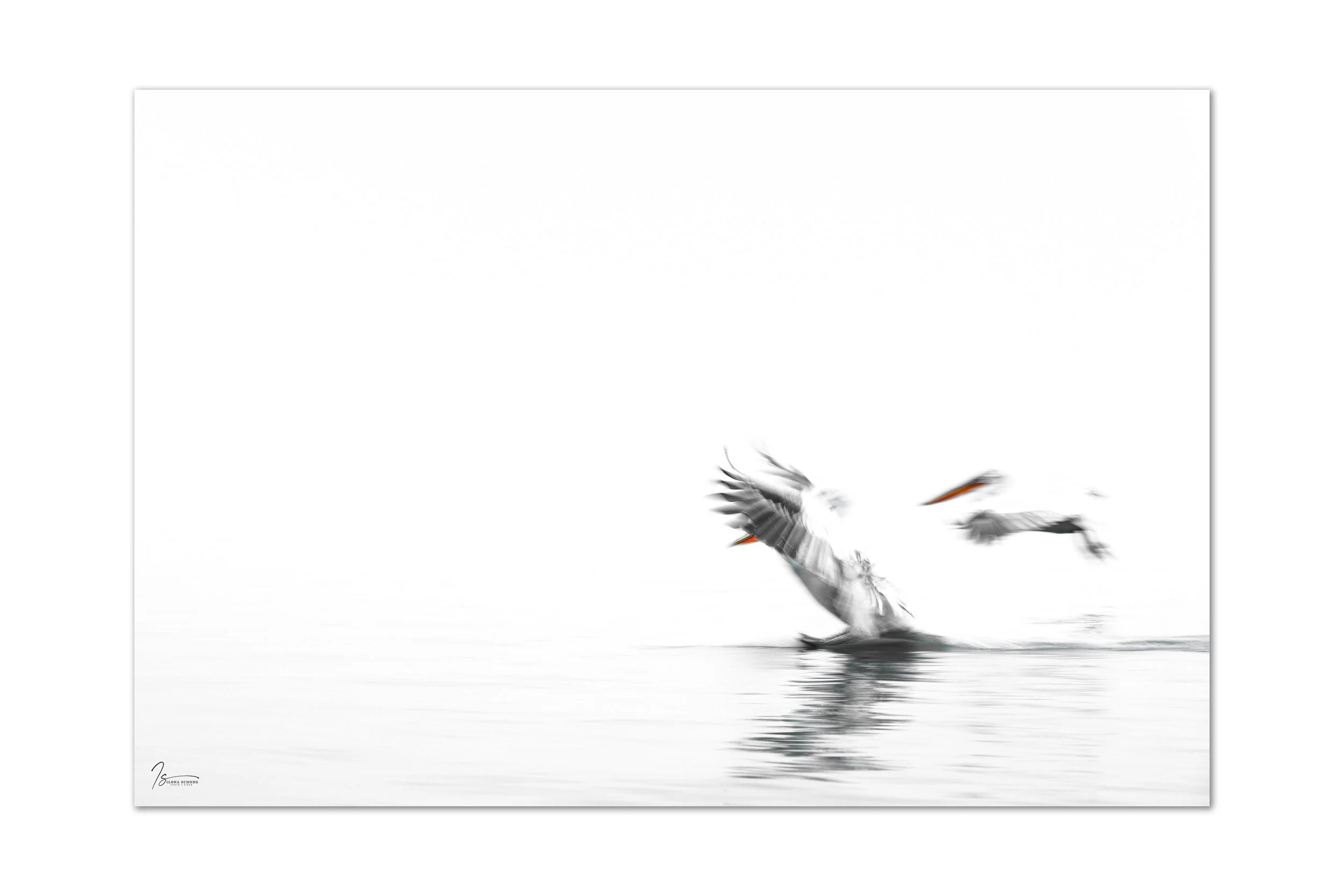
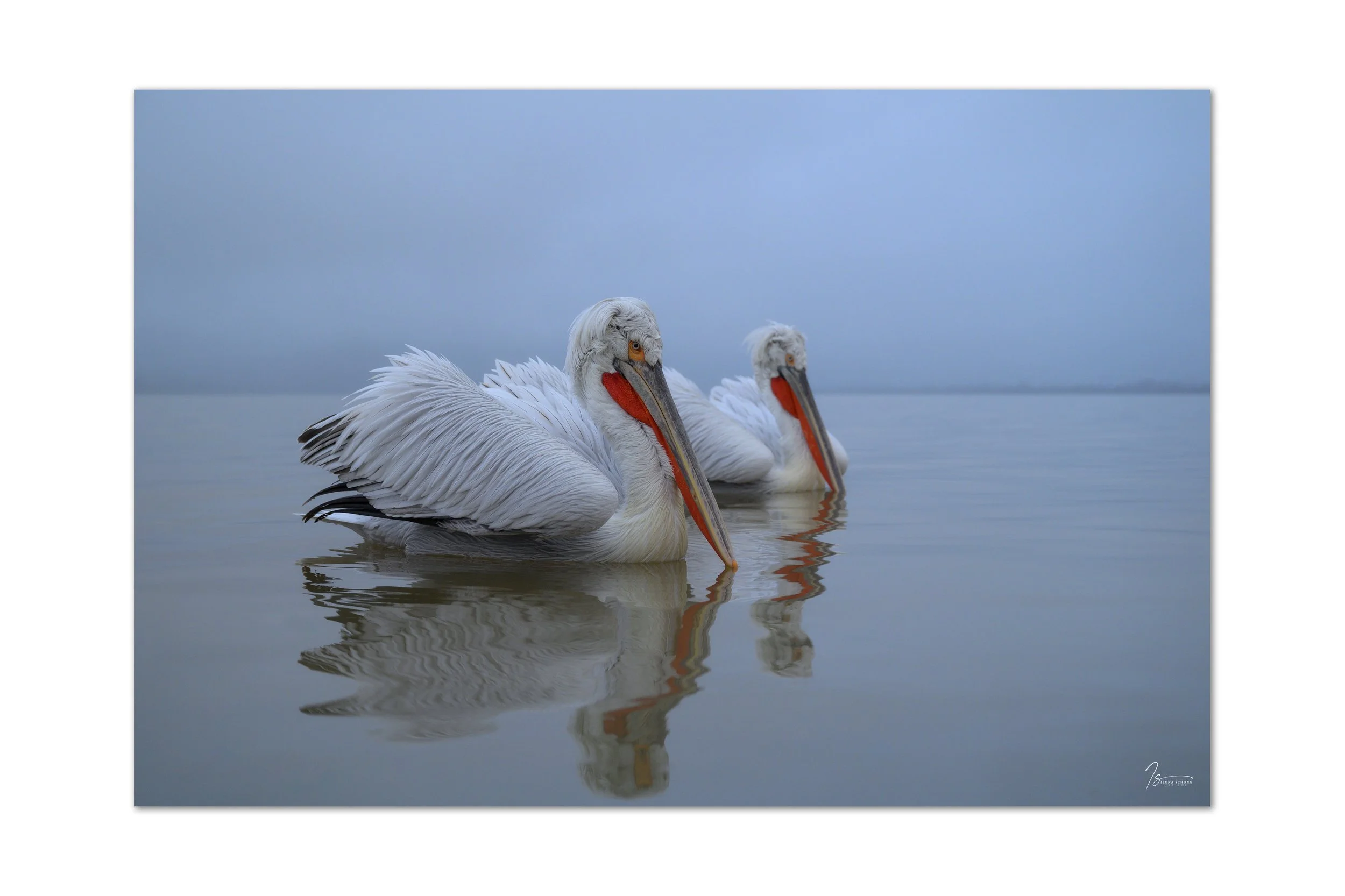
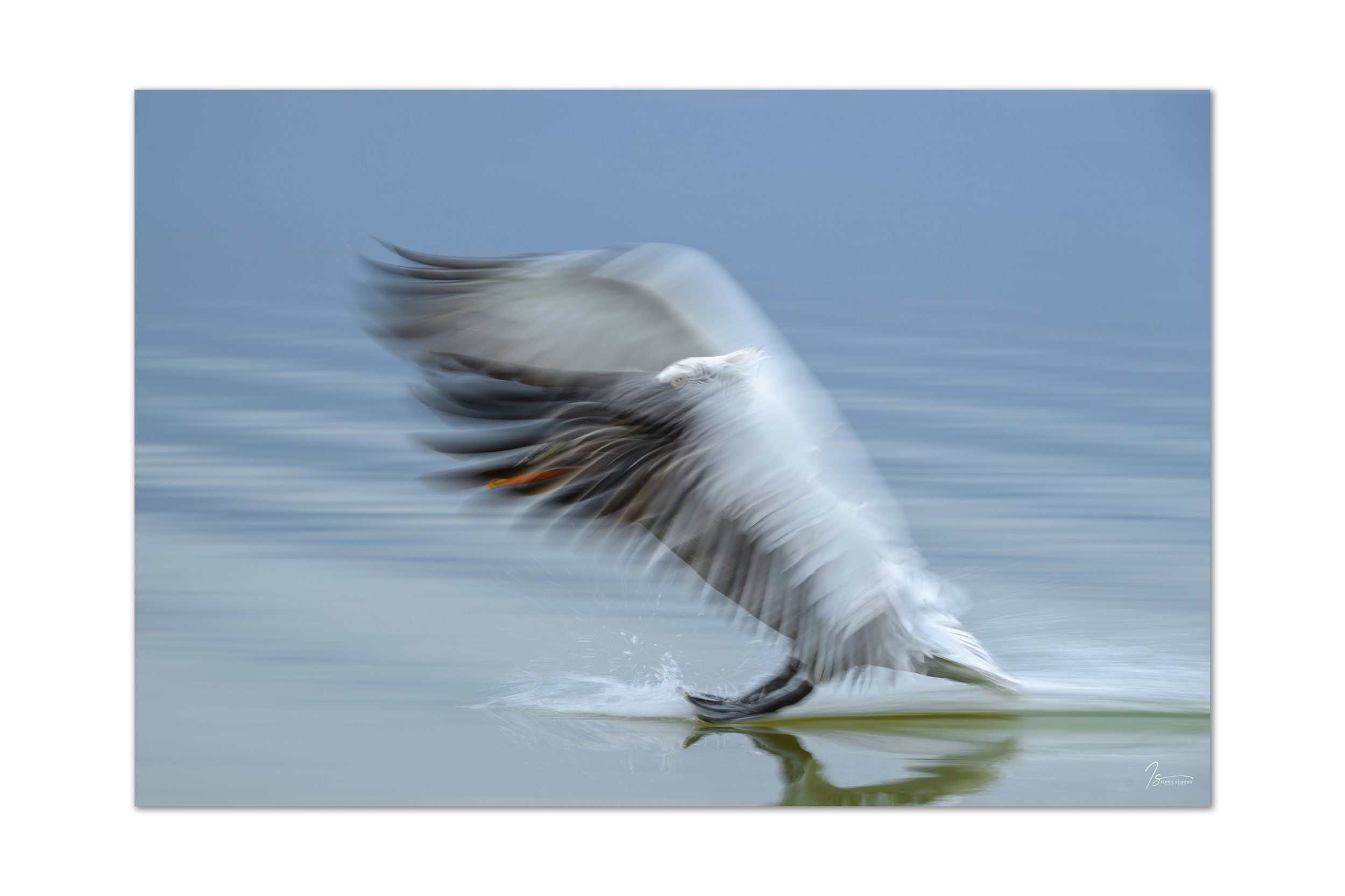
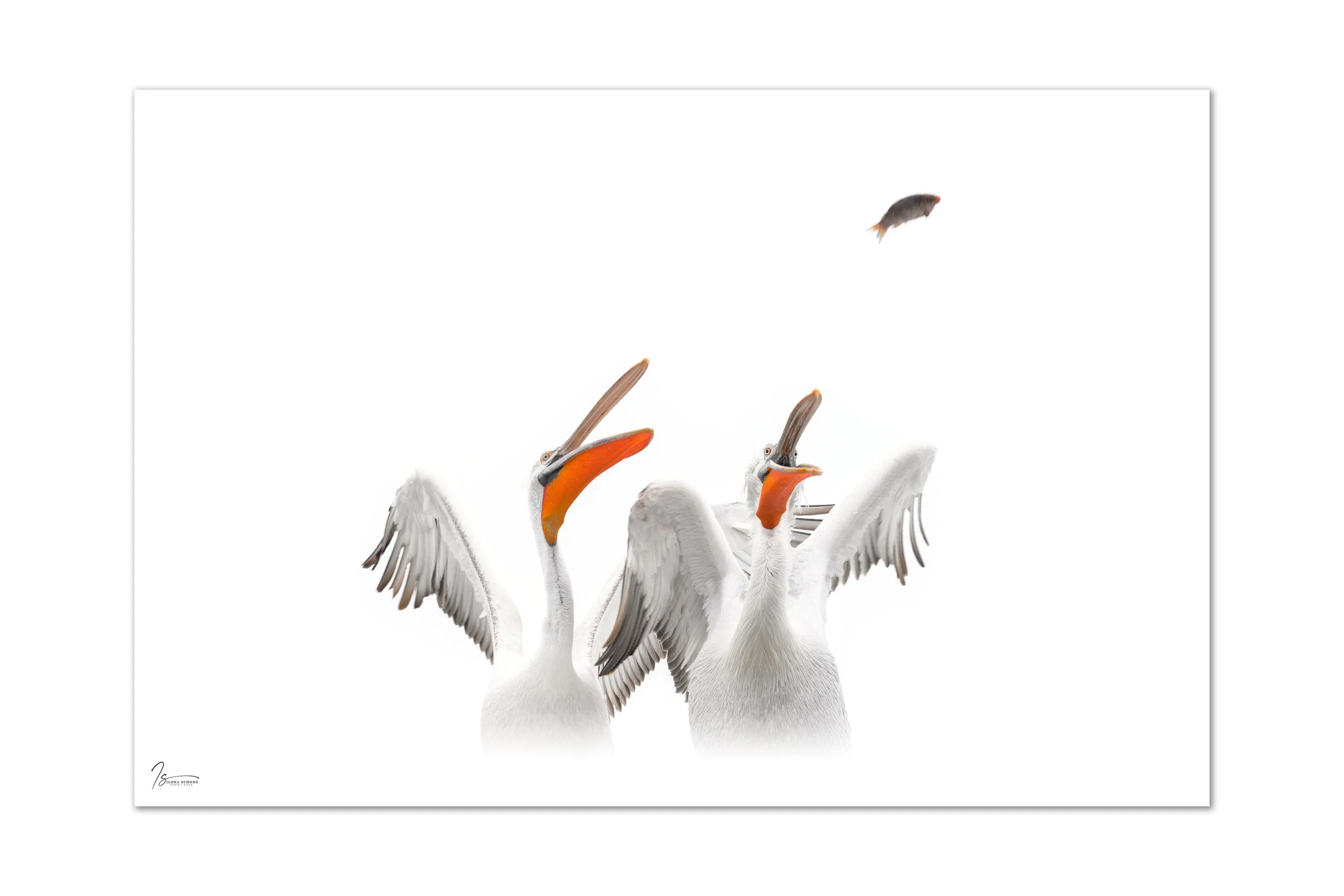
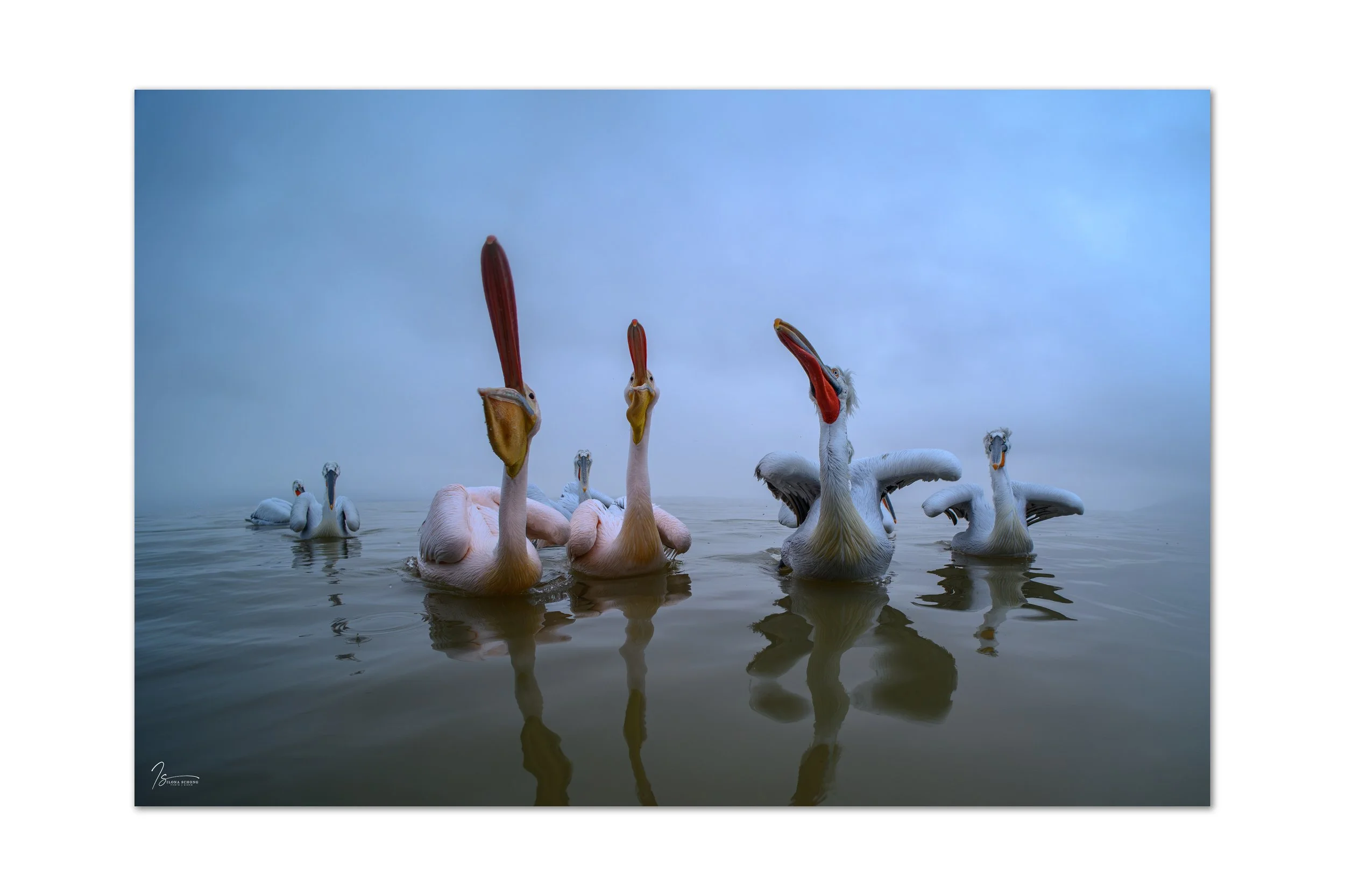
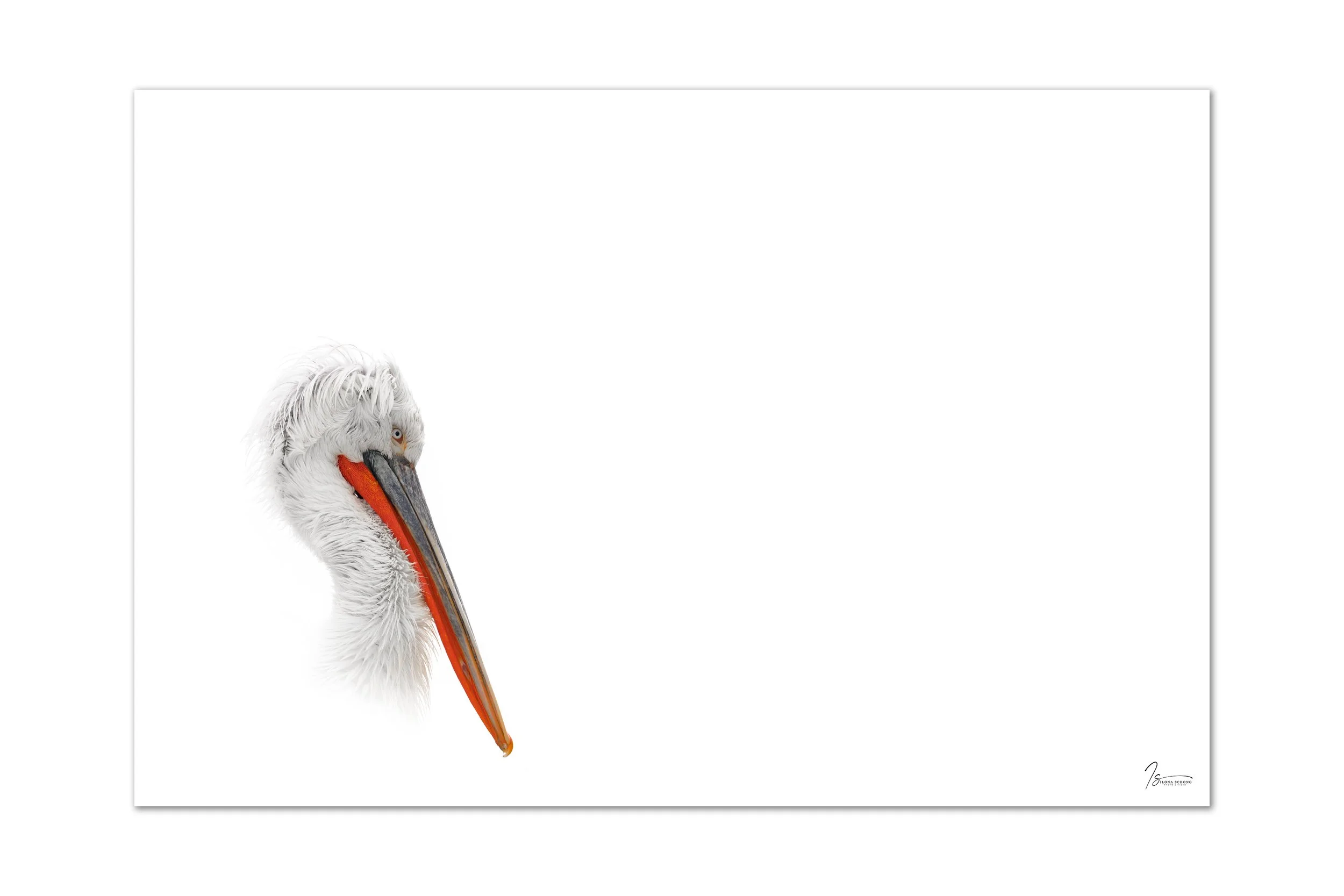
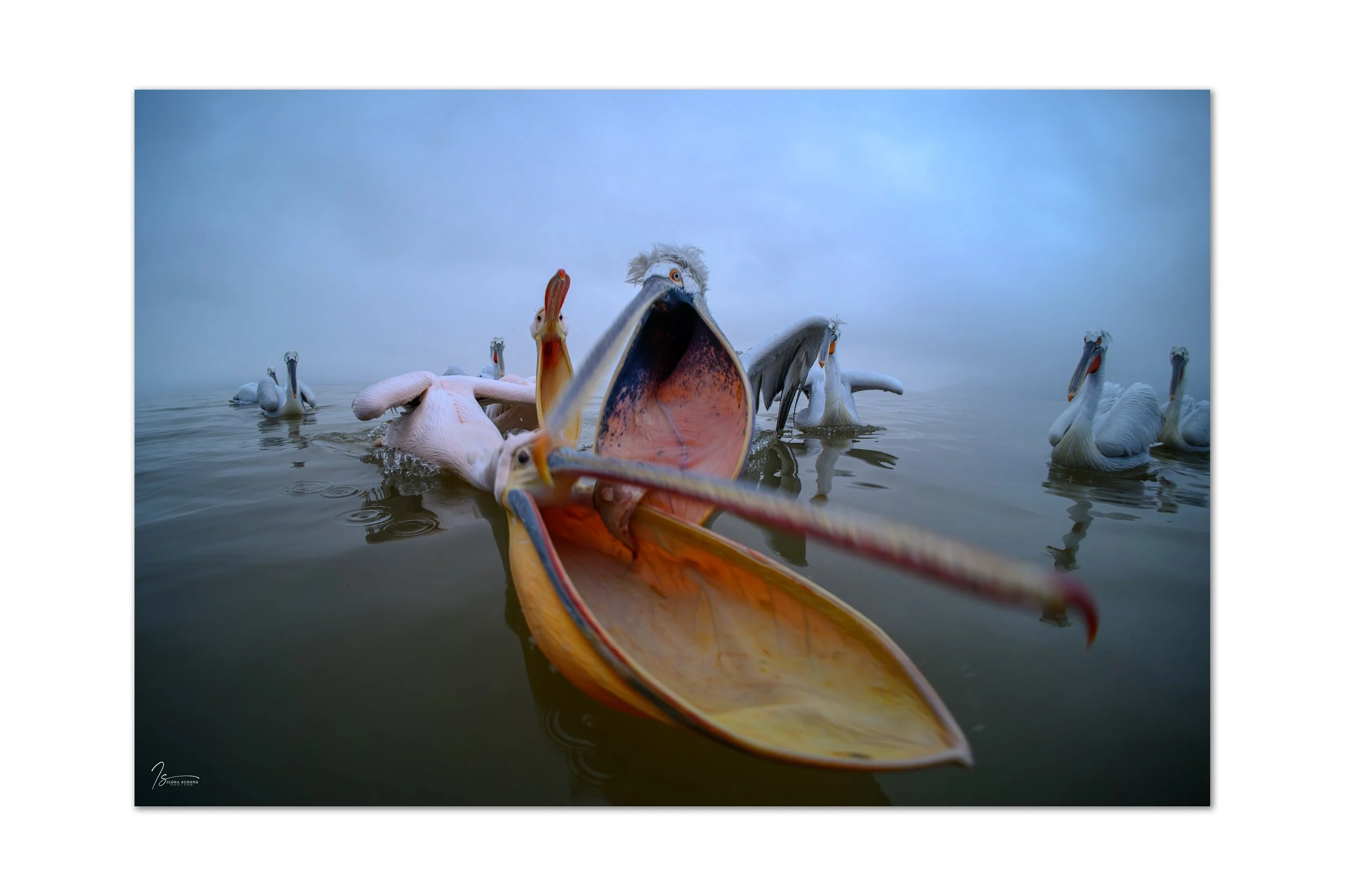
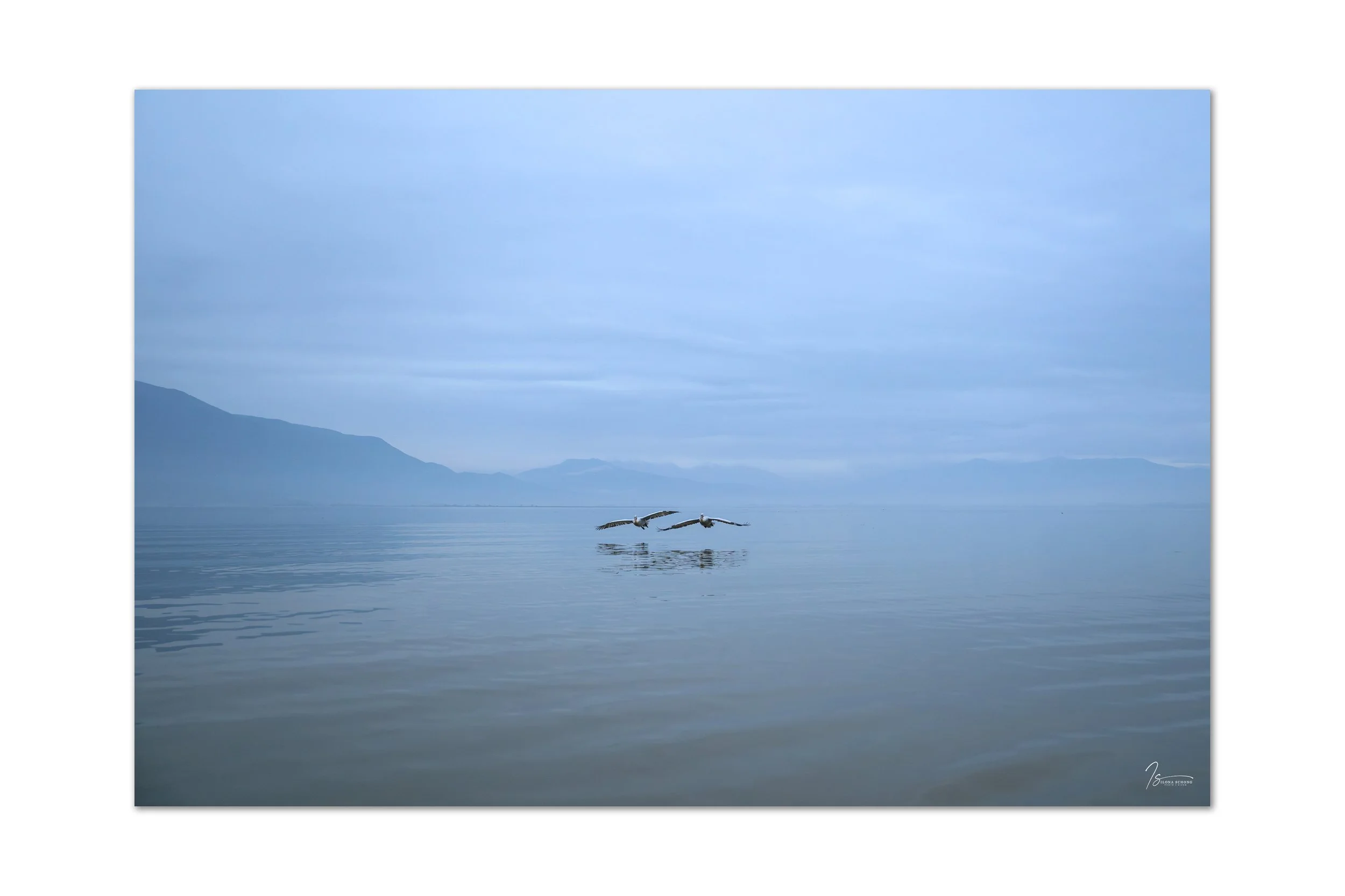
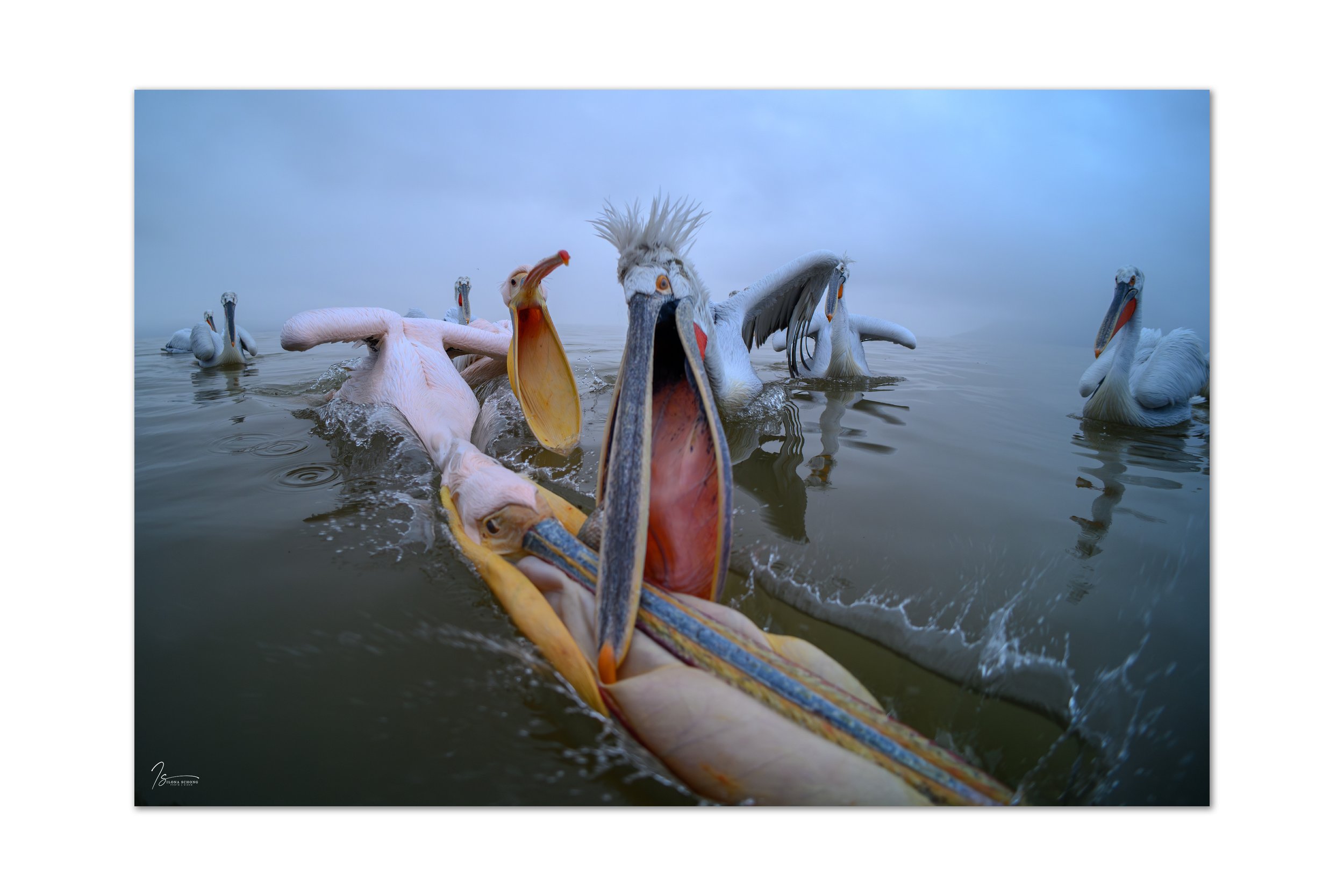
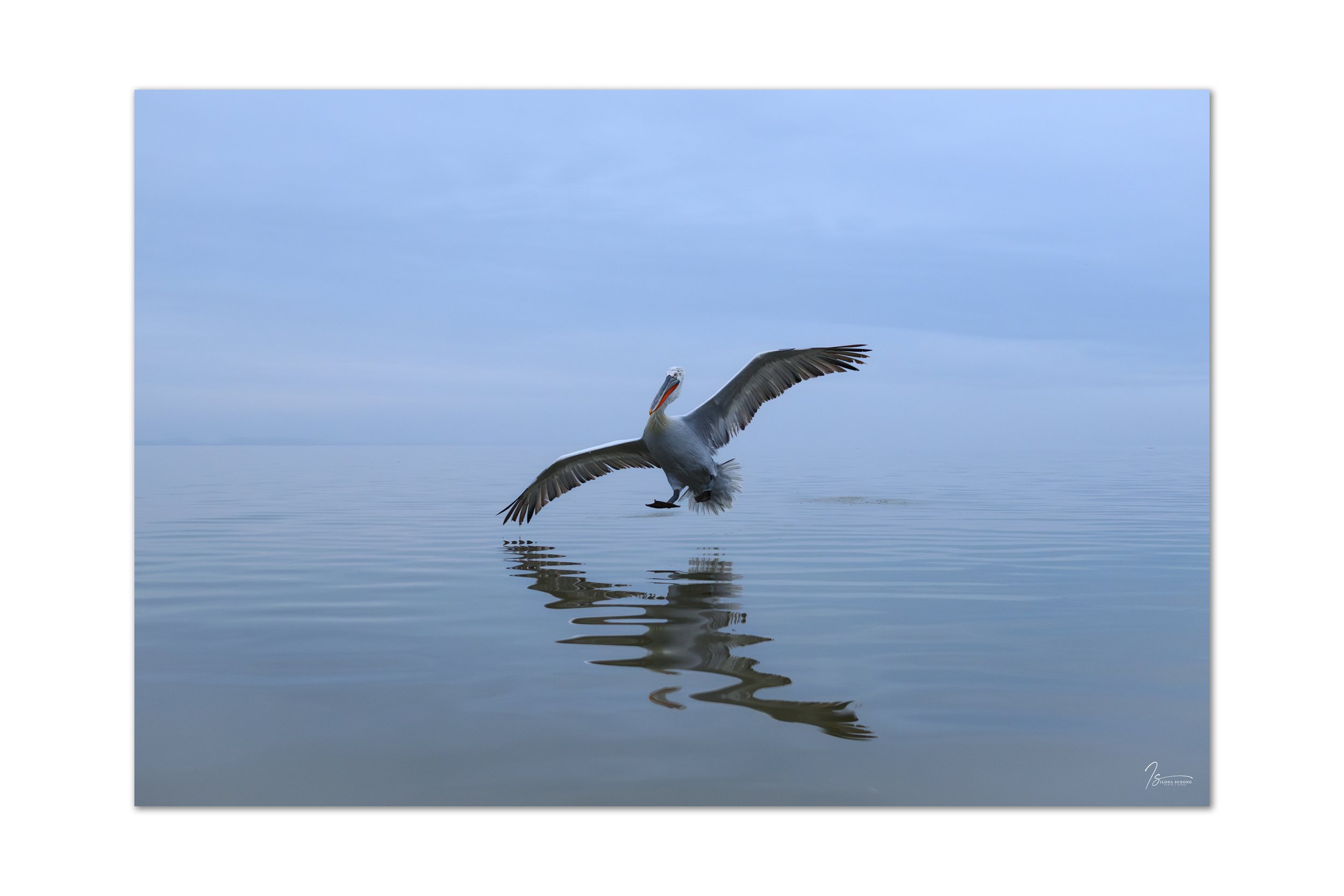
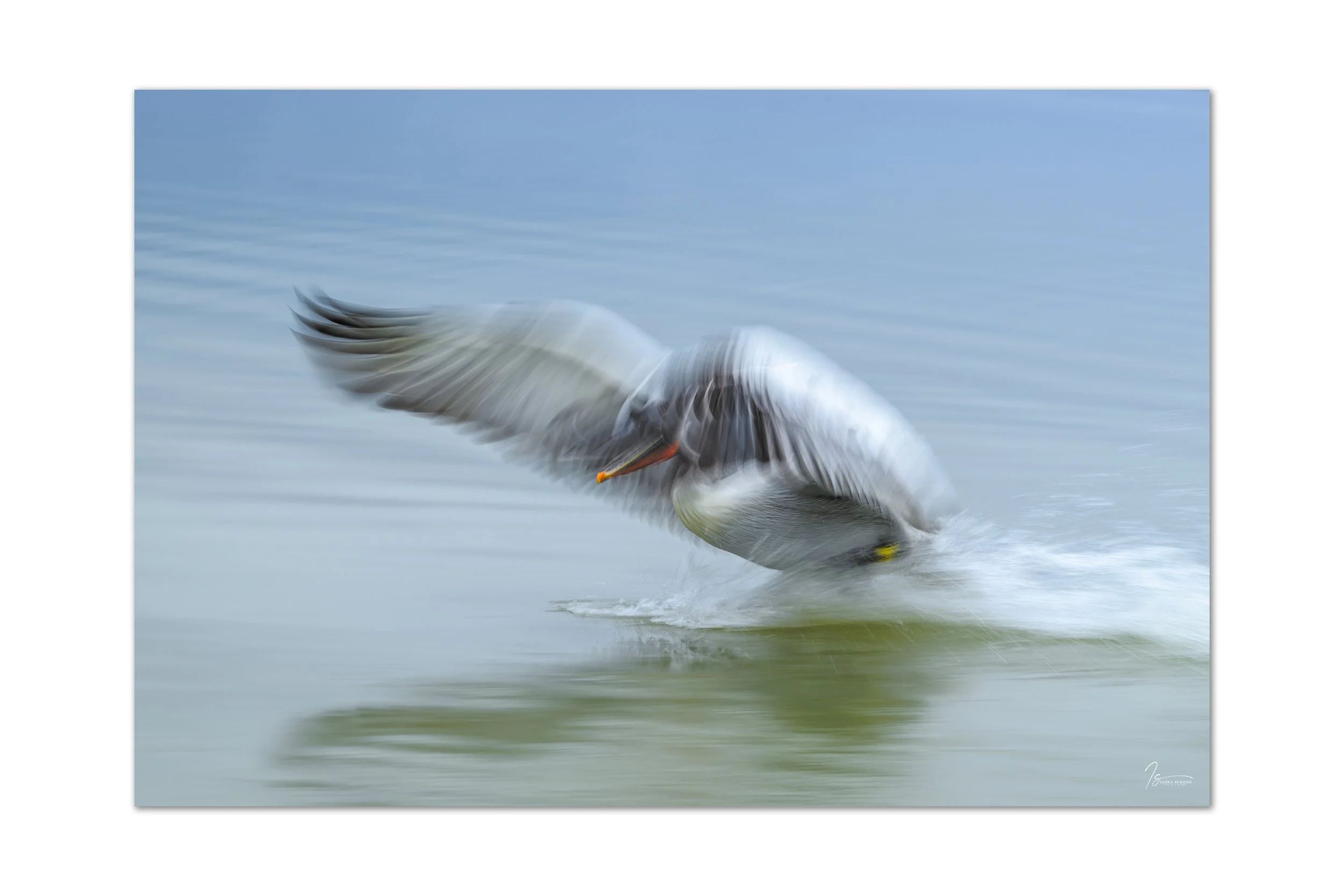
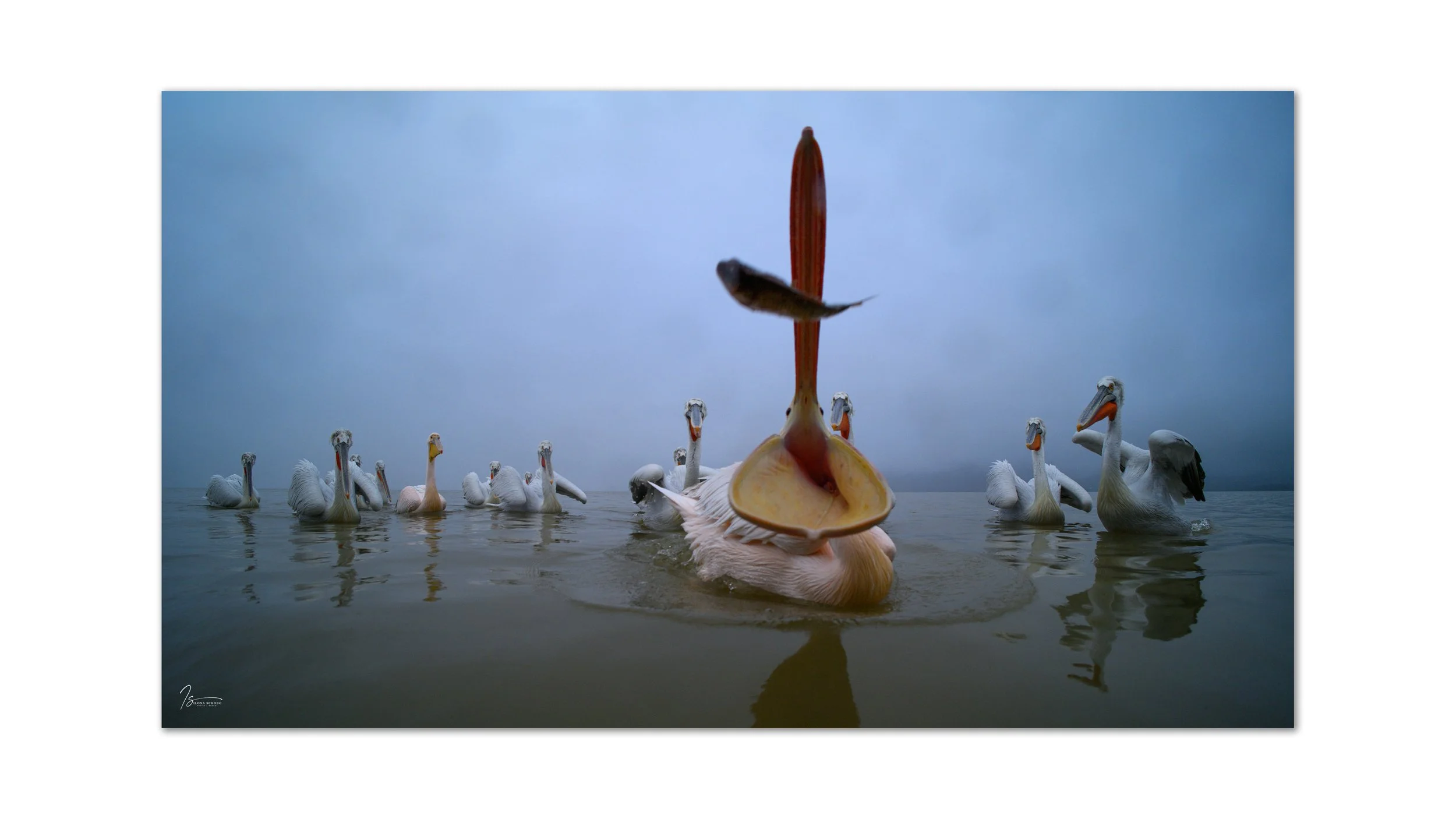
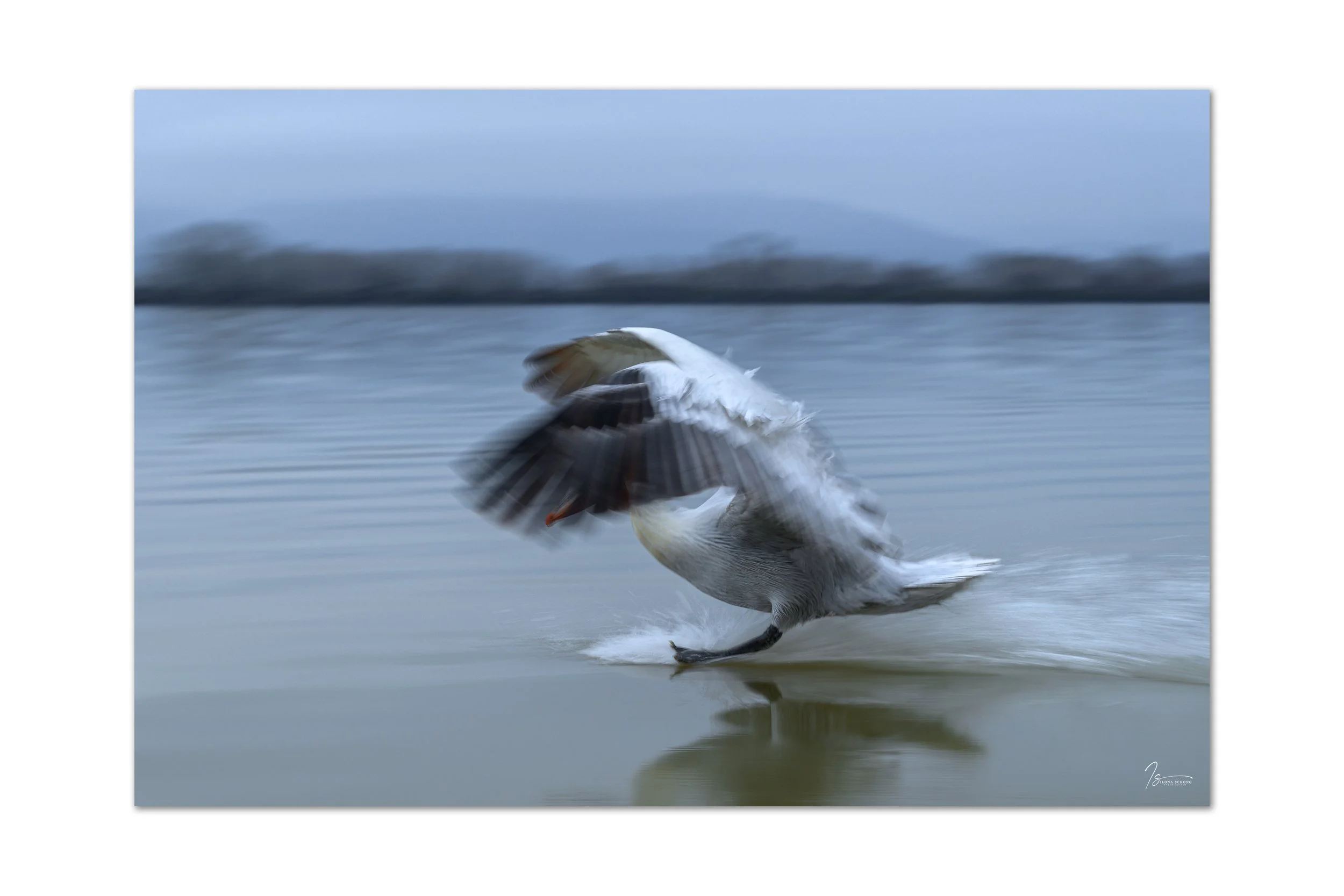
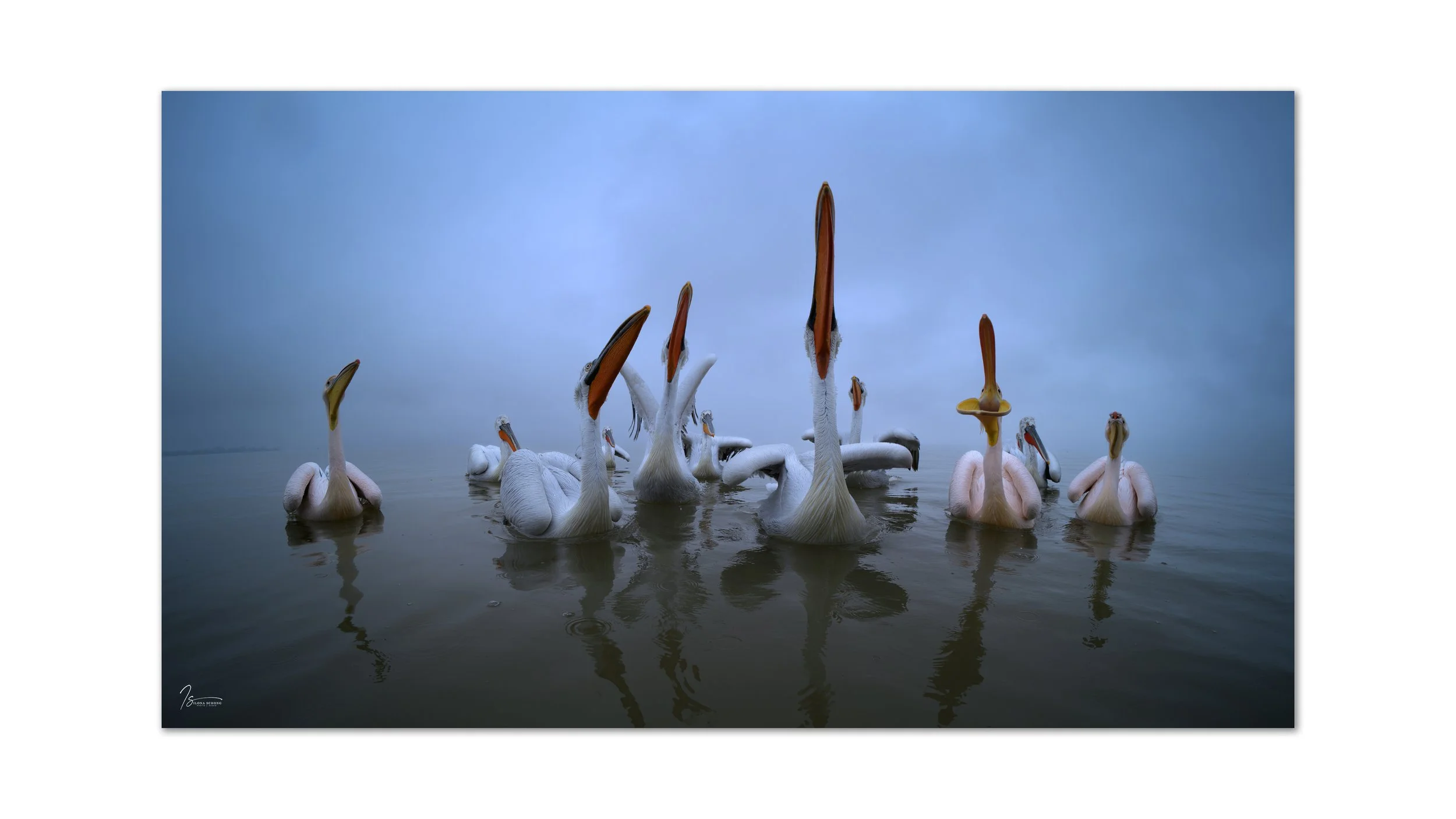
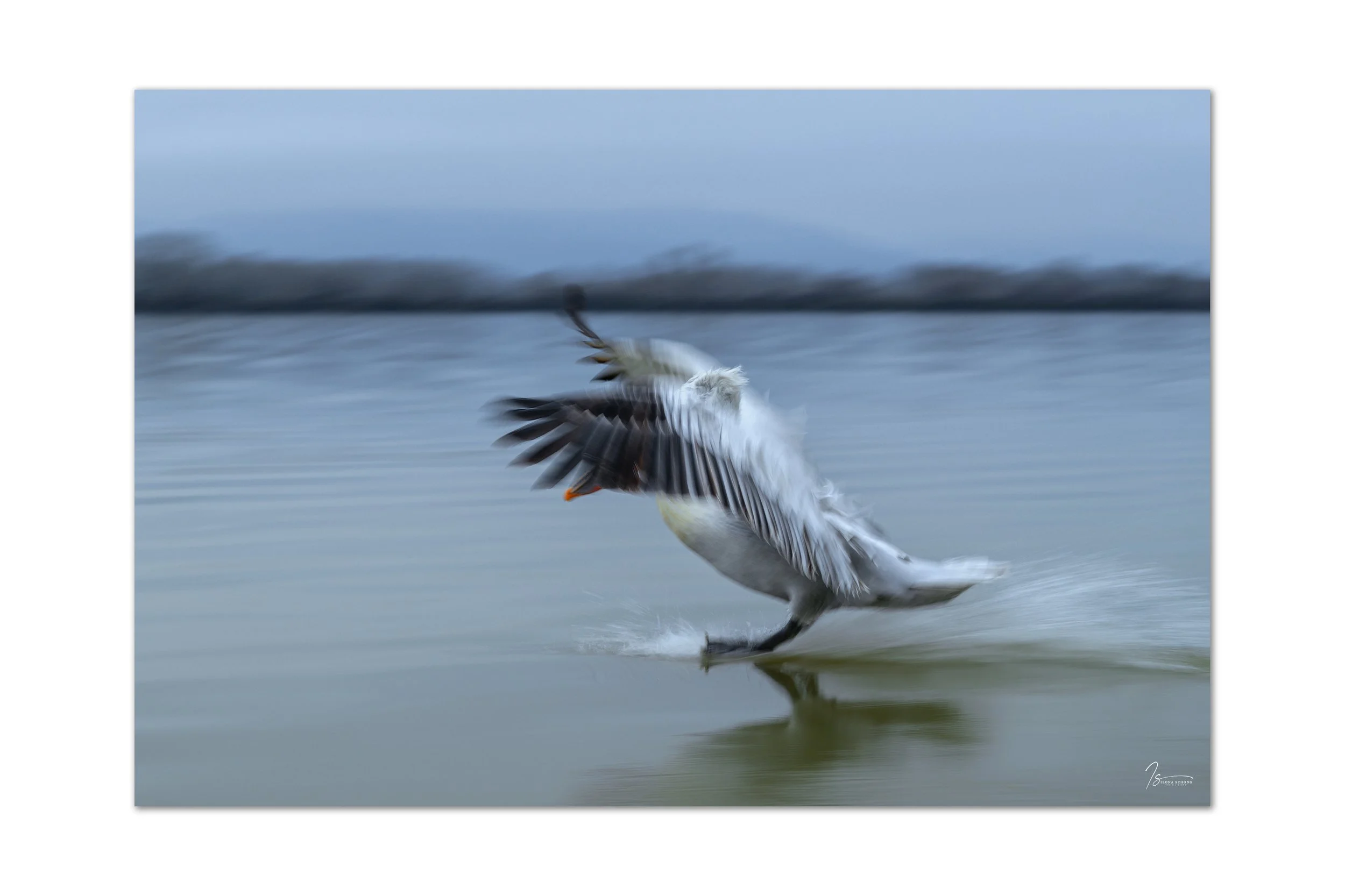
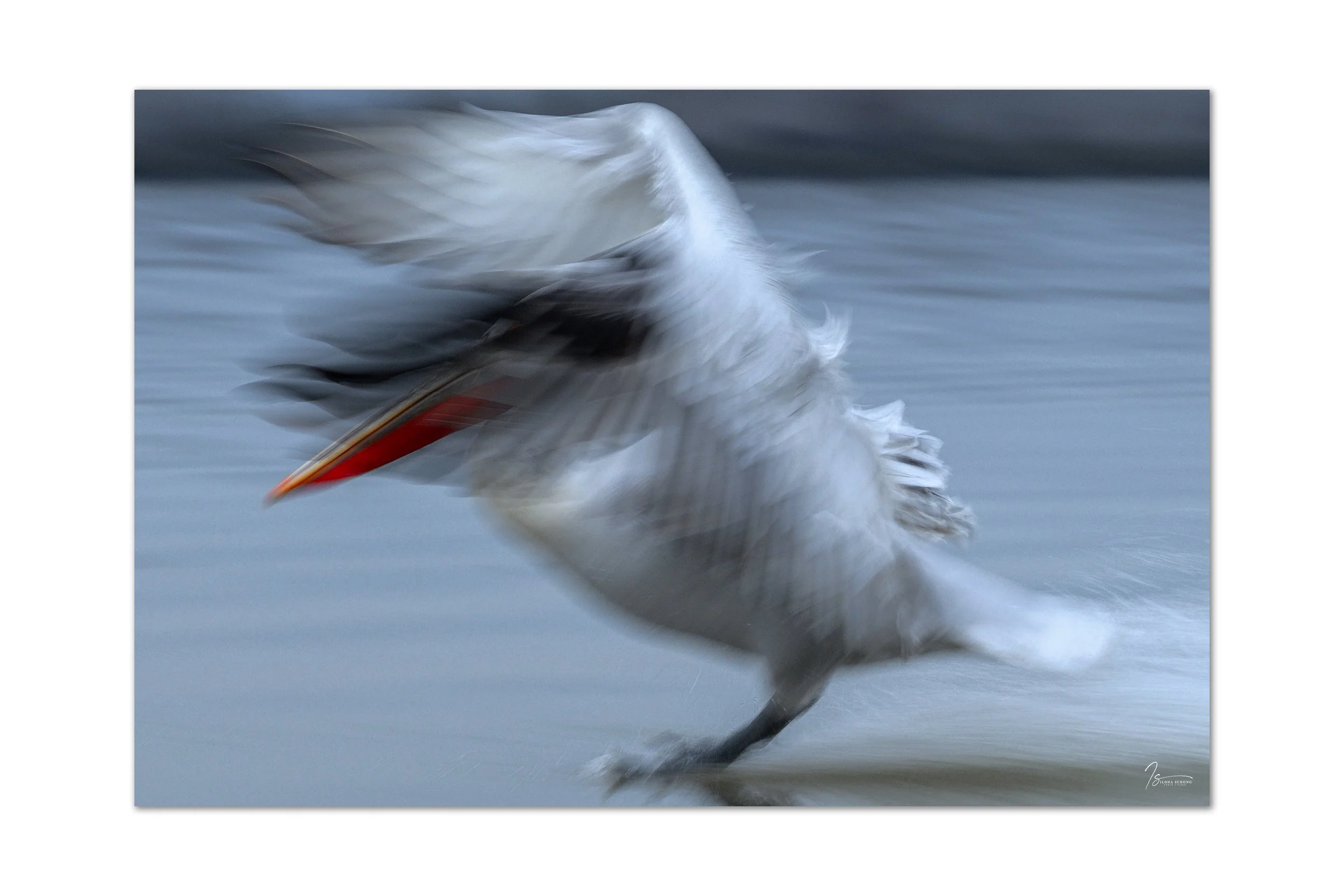
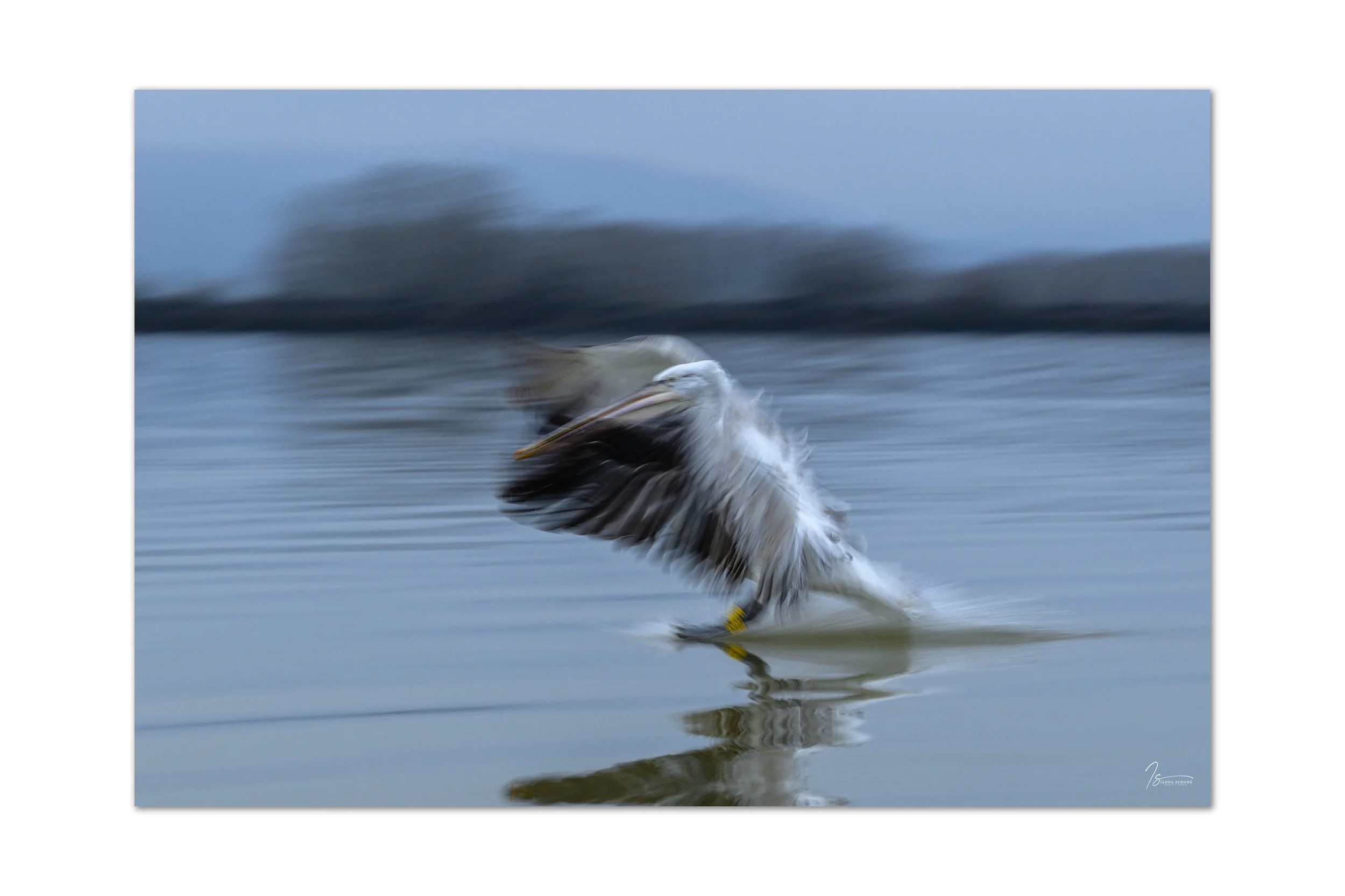
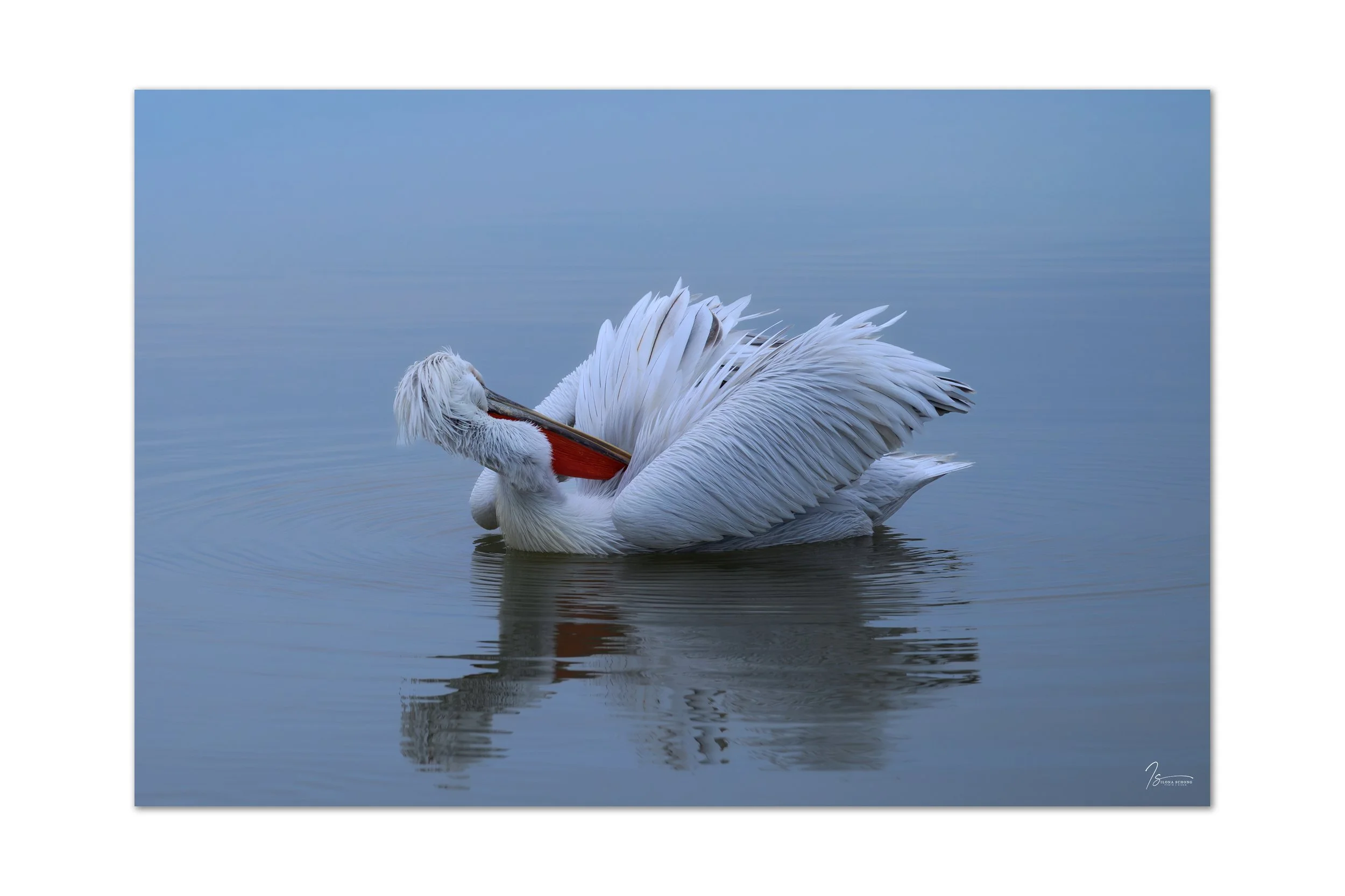
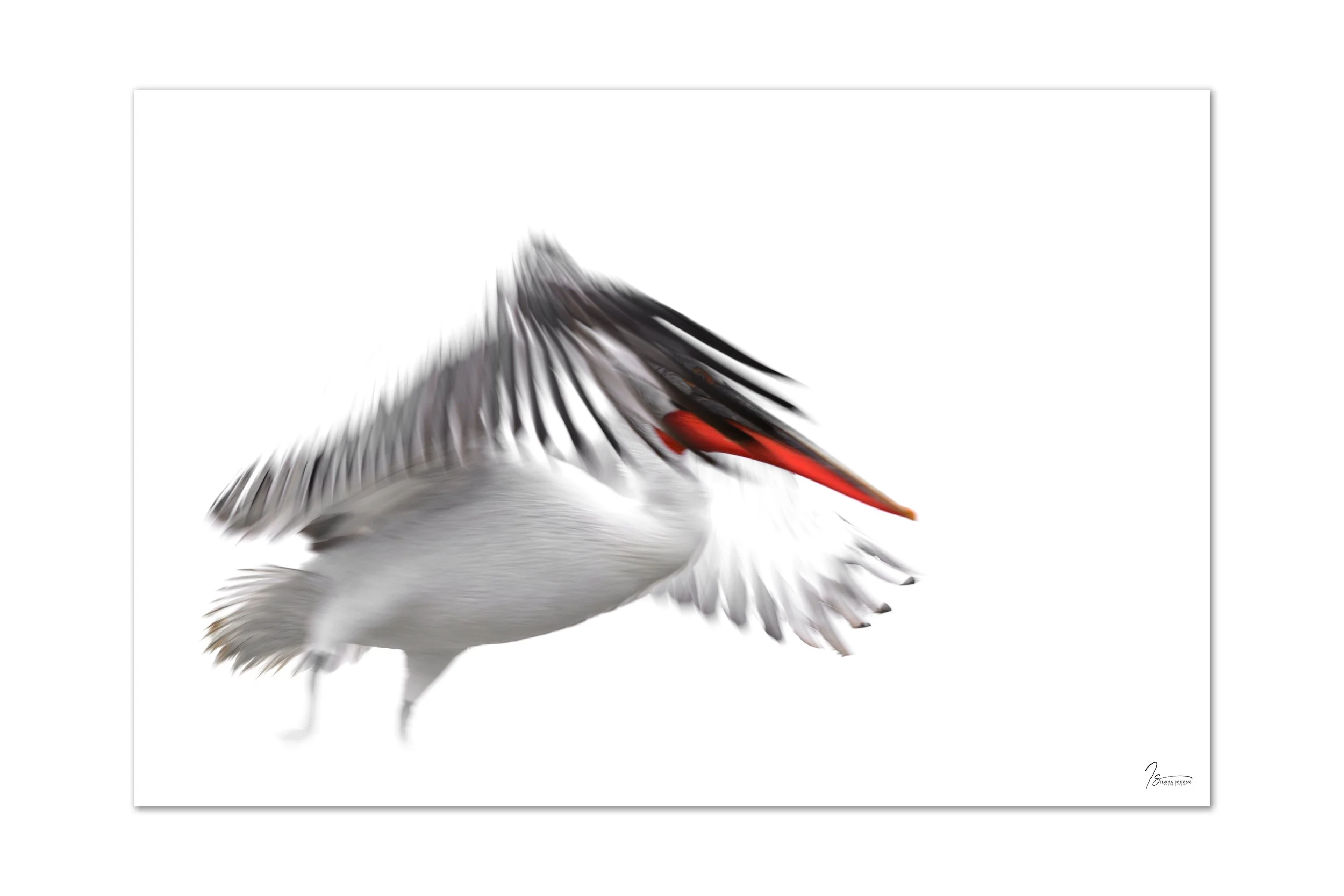
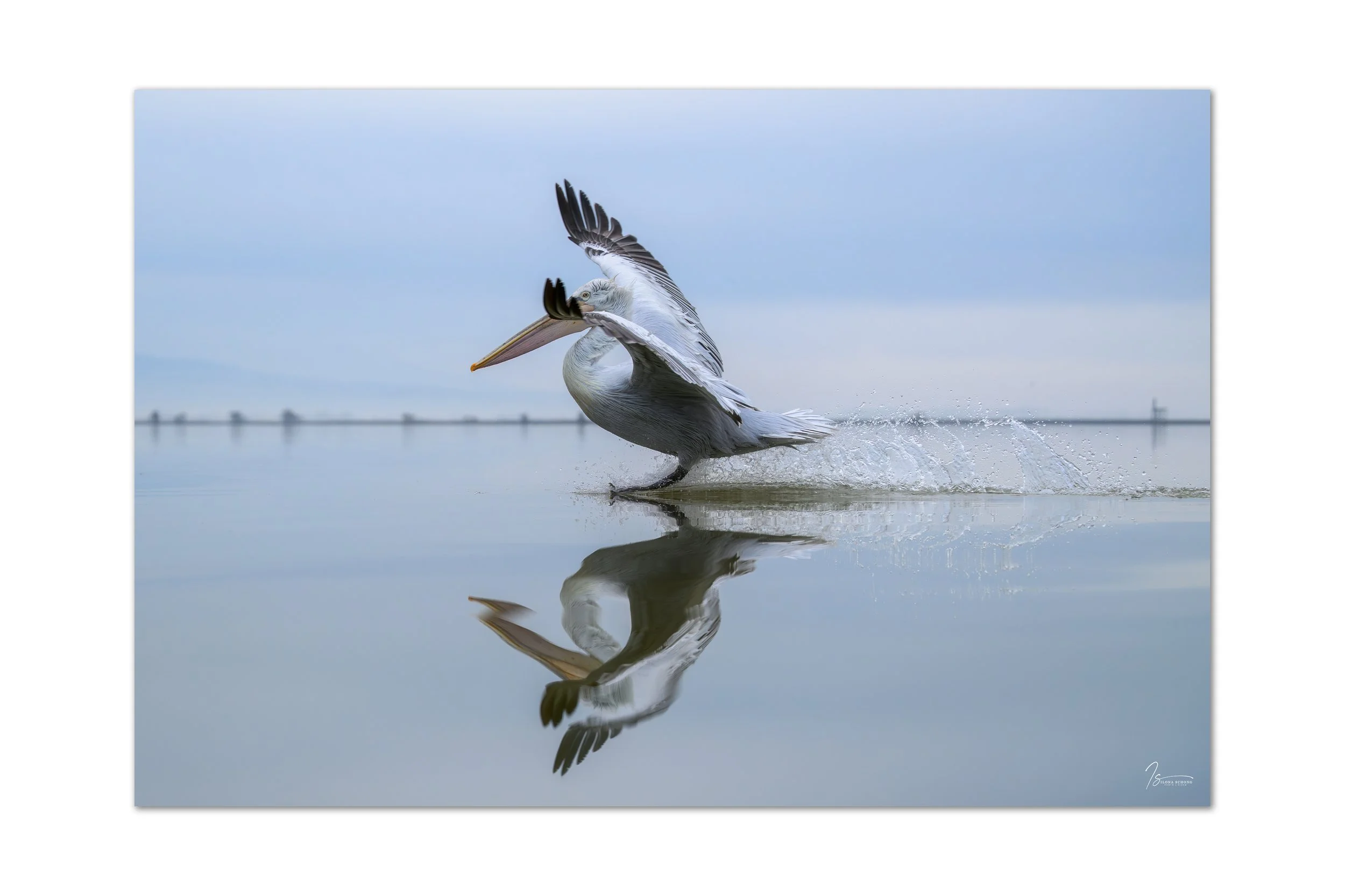
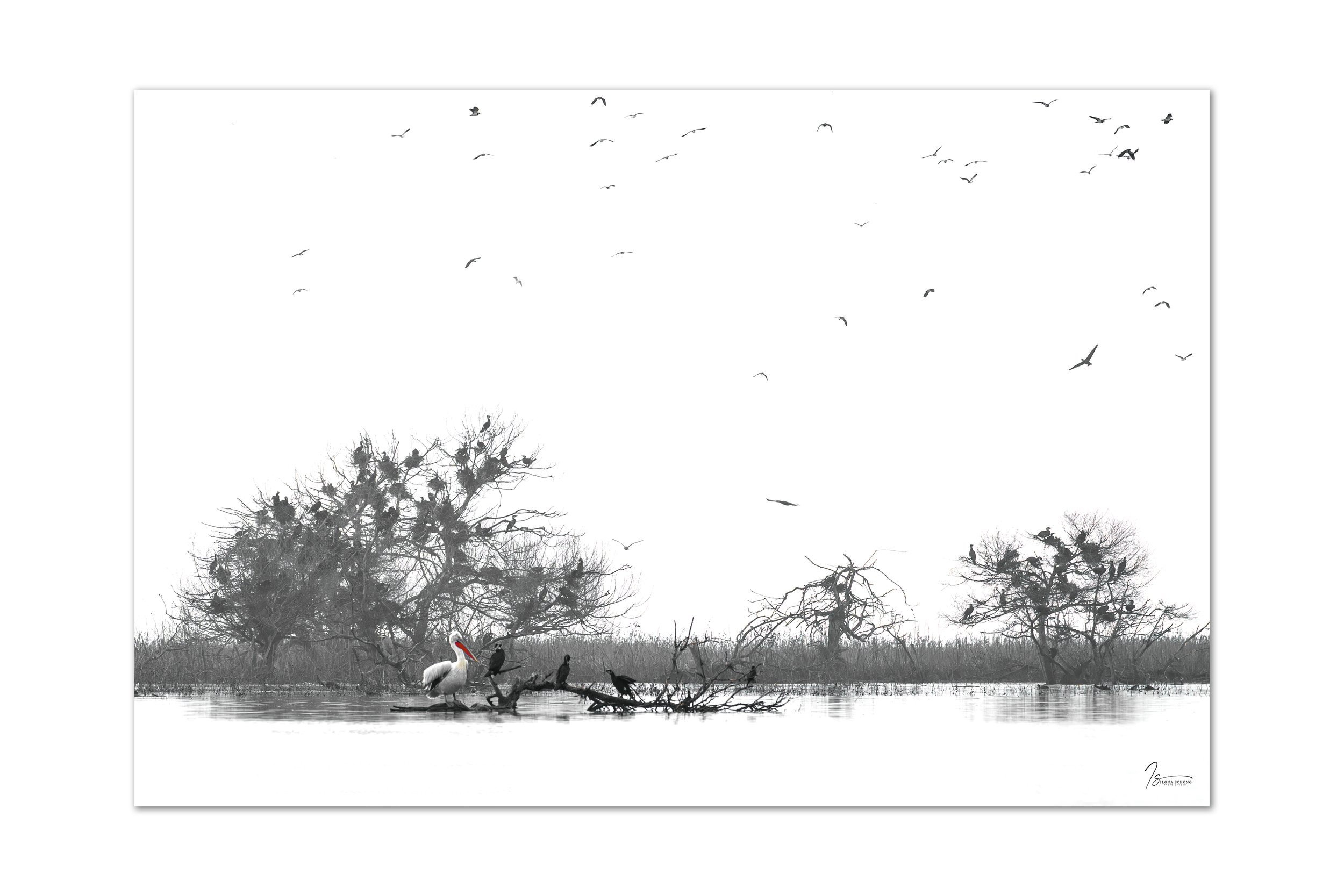
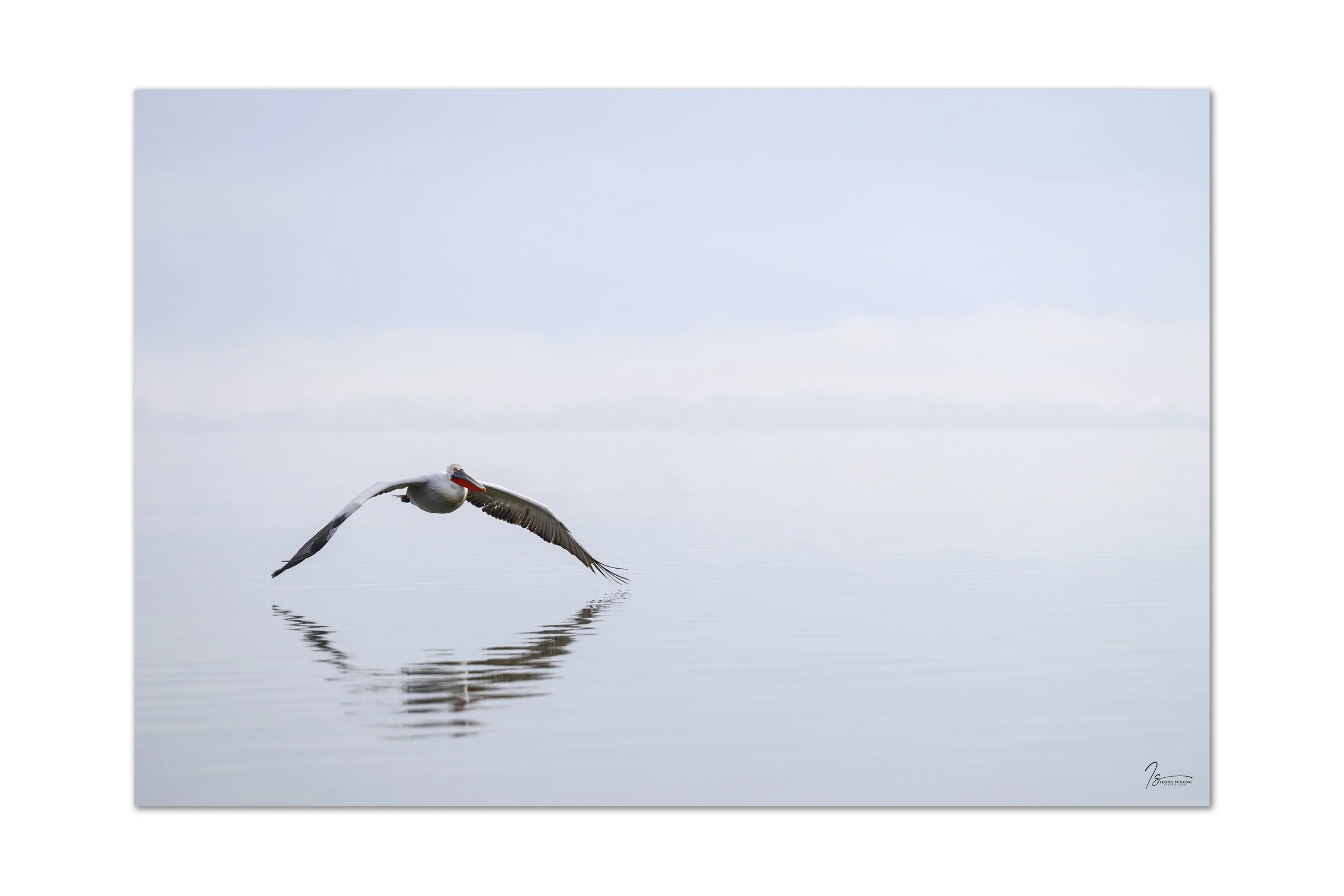
That didn’t mean I couldn’t take beautiful photos. In fact, this weather provided opportunities completely different from what I’d expected. Foggy mornings created a moody atmosphere, and heavily overcast skies offered the perfect opportunity for high-key (overexposure) and creative photos with slow shutter speeds. I also brought along my 7Artisan 8mm fisheye lens, which I had a lot of fun with. And after George spotted a big commotion in the distance among the cormorants—who had discovered large schools of fish—we headed over there by boat. We were the only boat there. It felt like we were in a BBC Earth documentary—all that was missing was David Attenborough’s voiceover. The sight of thousands of cormorants, interspersed with countless Dalmatian pelicans snatching up fish, was incredibly impressive. It was so beautiful to observe the pelicans’ natural behavior, and the sound… the sound was simply fantastic. The added value of a local guide really proved its worth.
It was a wonderful short break and definitely a trip worth repeating. I want to go back to Kerkini. Maybe I’ll see the pelicans again, but above all, I’d really love to try photographing from a floating hide—an option that George also offers.
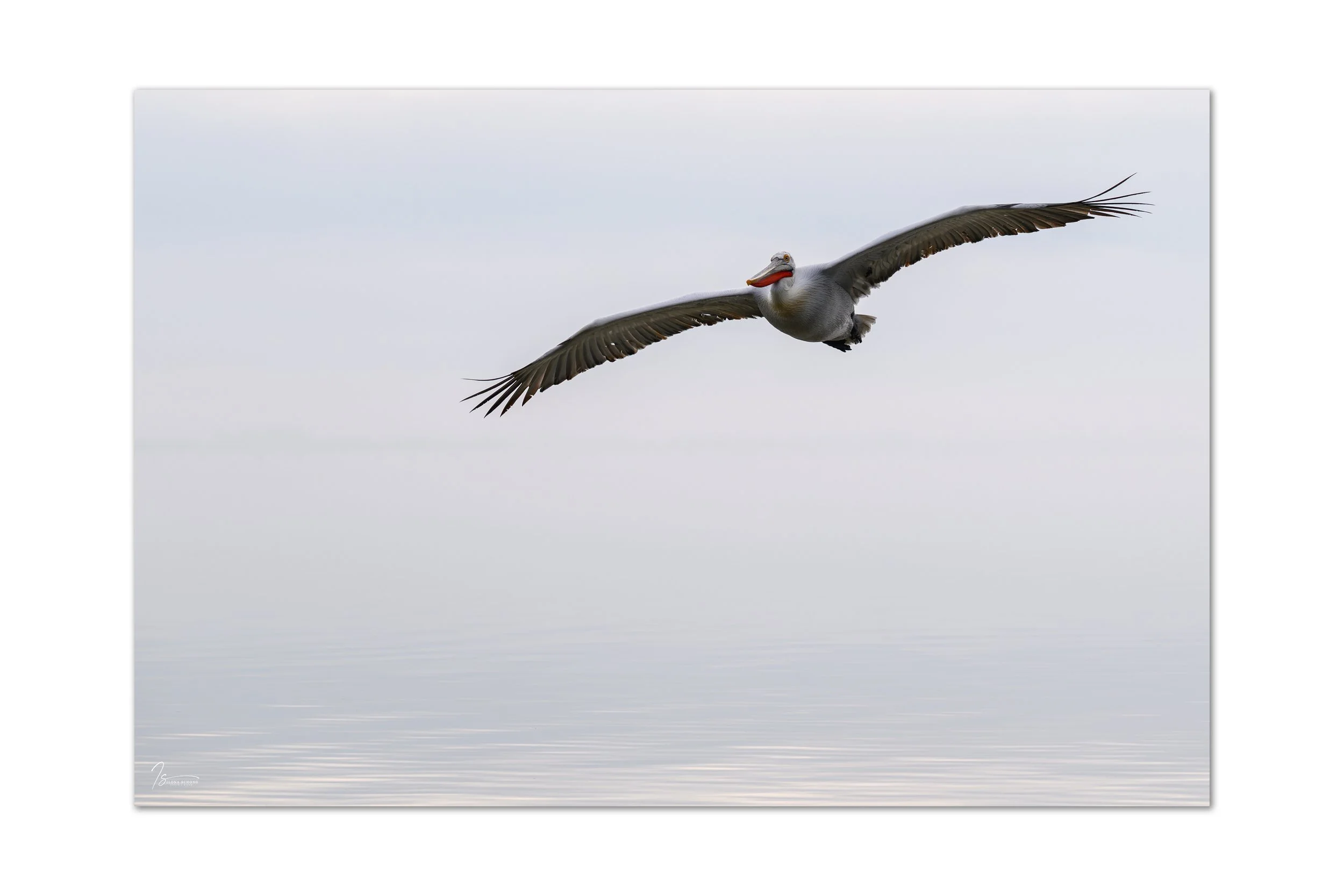
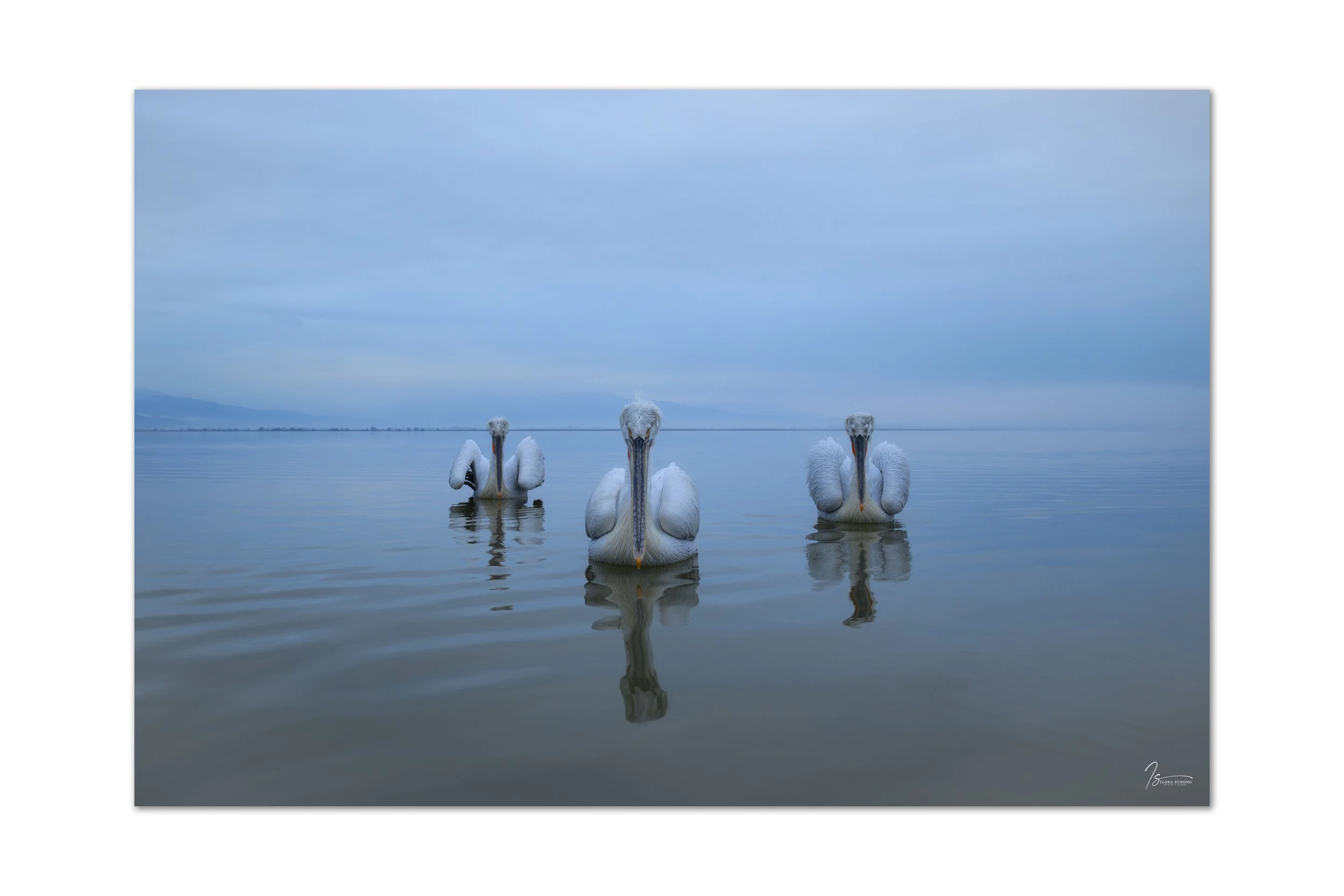
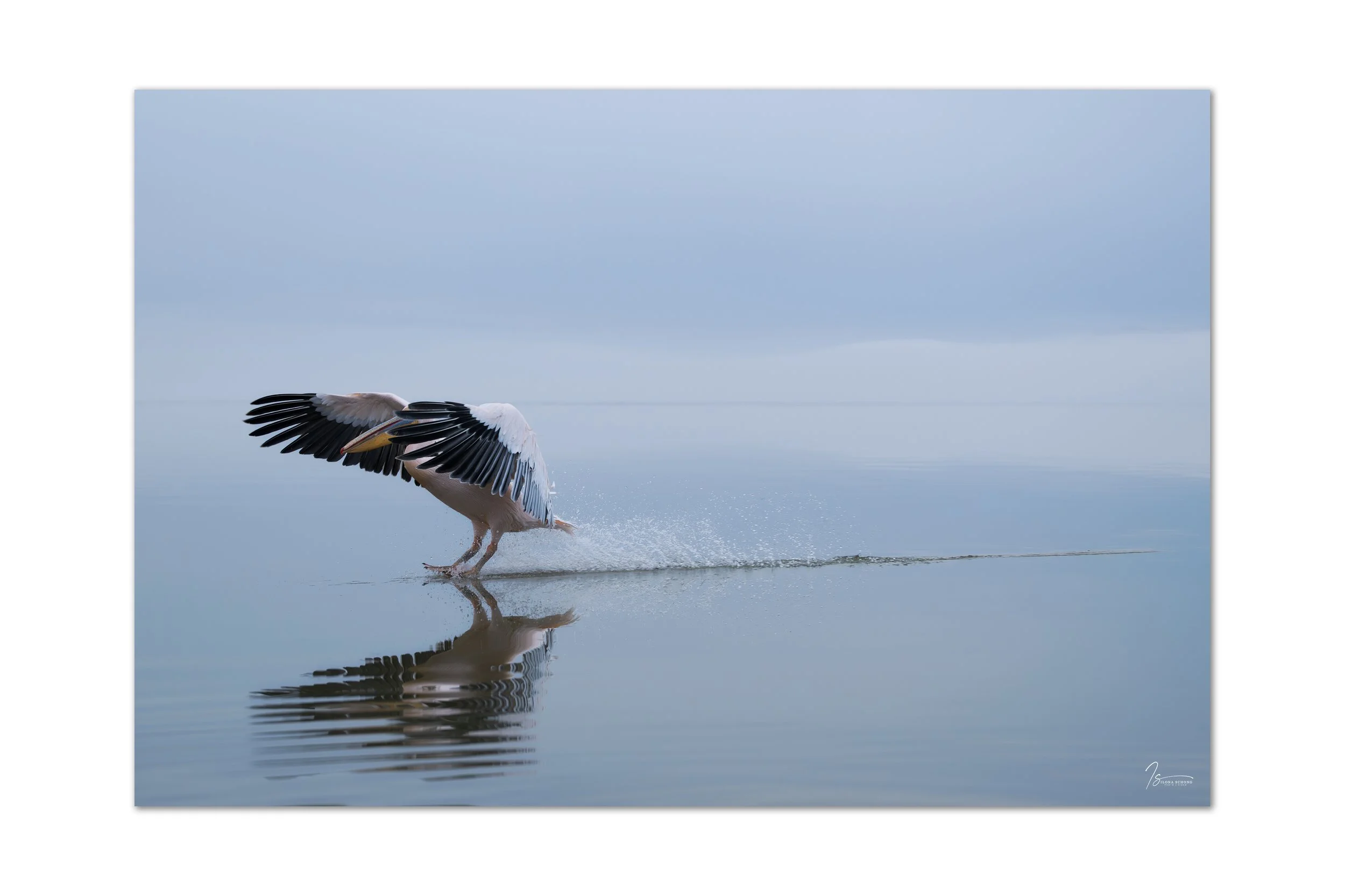
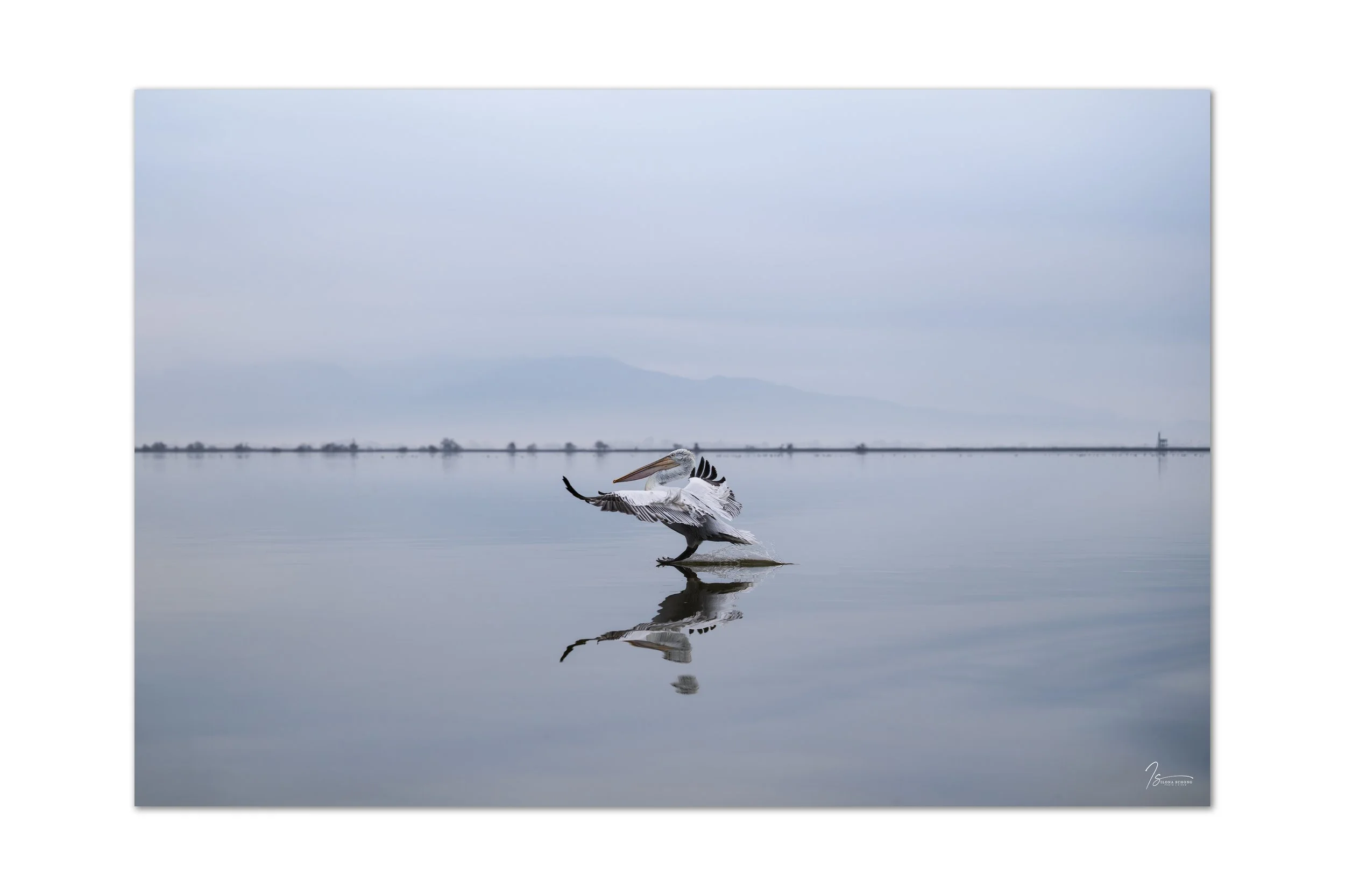
Below are a few of my photos, which also feature white pelicans—they have beautiful salmon-pink plumage during the breeding season:
Do you have any questions? Feel free to ask them in the comments.