
THE PEOPLE I VISITED
Romania’s Disappearing Rural Life
“It’s hard to climb the hill. It’s hard to kiss the earth before it’s too late. It’s hard to leave the hill behind, along with the ground that is so dear to you.”
— Ioana
THE PEOPLE I VISITED
Romania’s Disappearing Rural Life
ONGOING PROJECT | 2025–present
Note: My photo series from this project earned me the title of People Photographer of the Year at both the International Photography Awards and the Monovisions Awards, and I was named 2nd Place Winner in the People category at the Budapest Foto Awards.
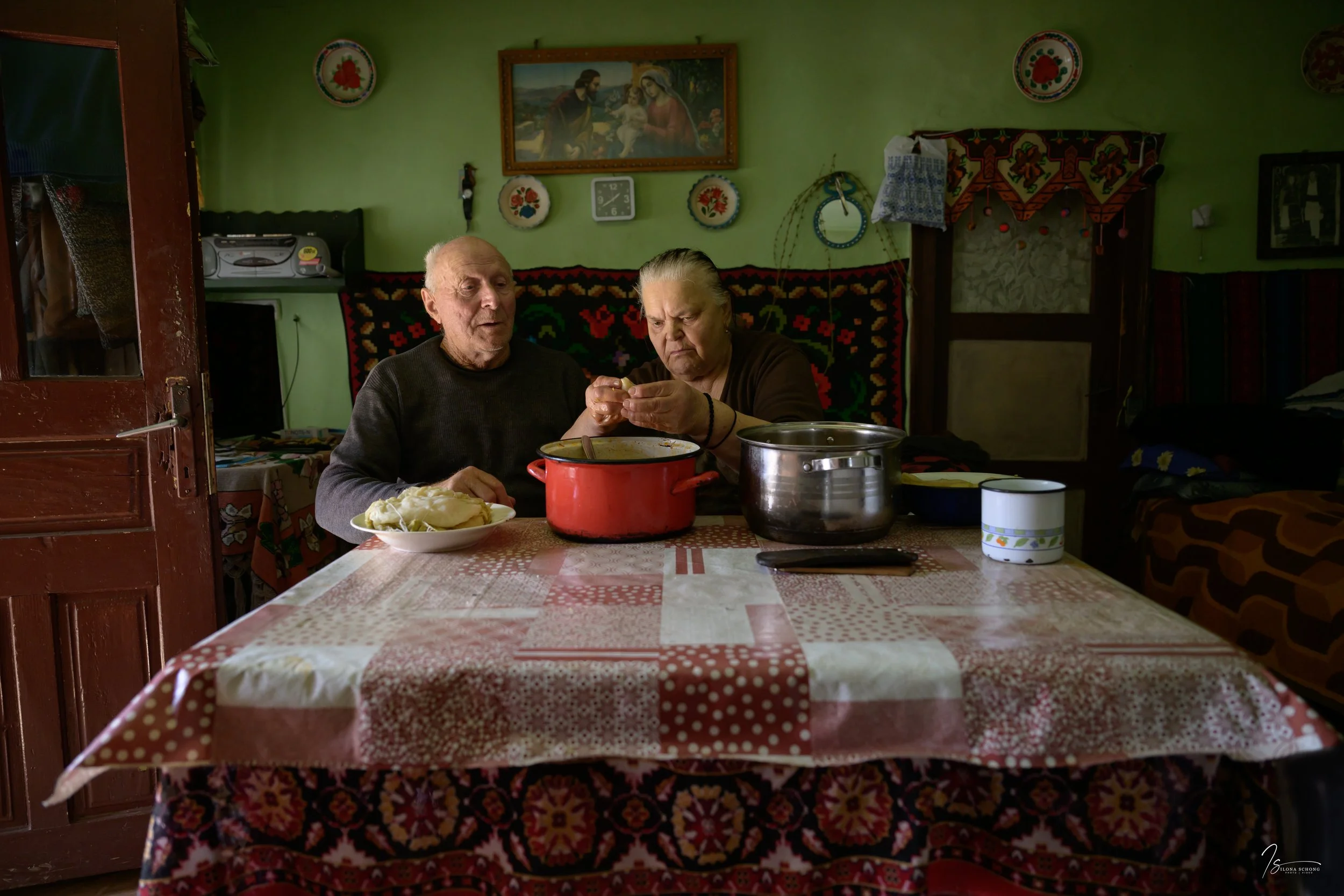
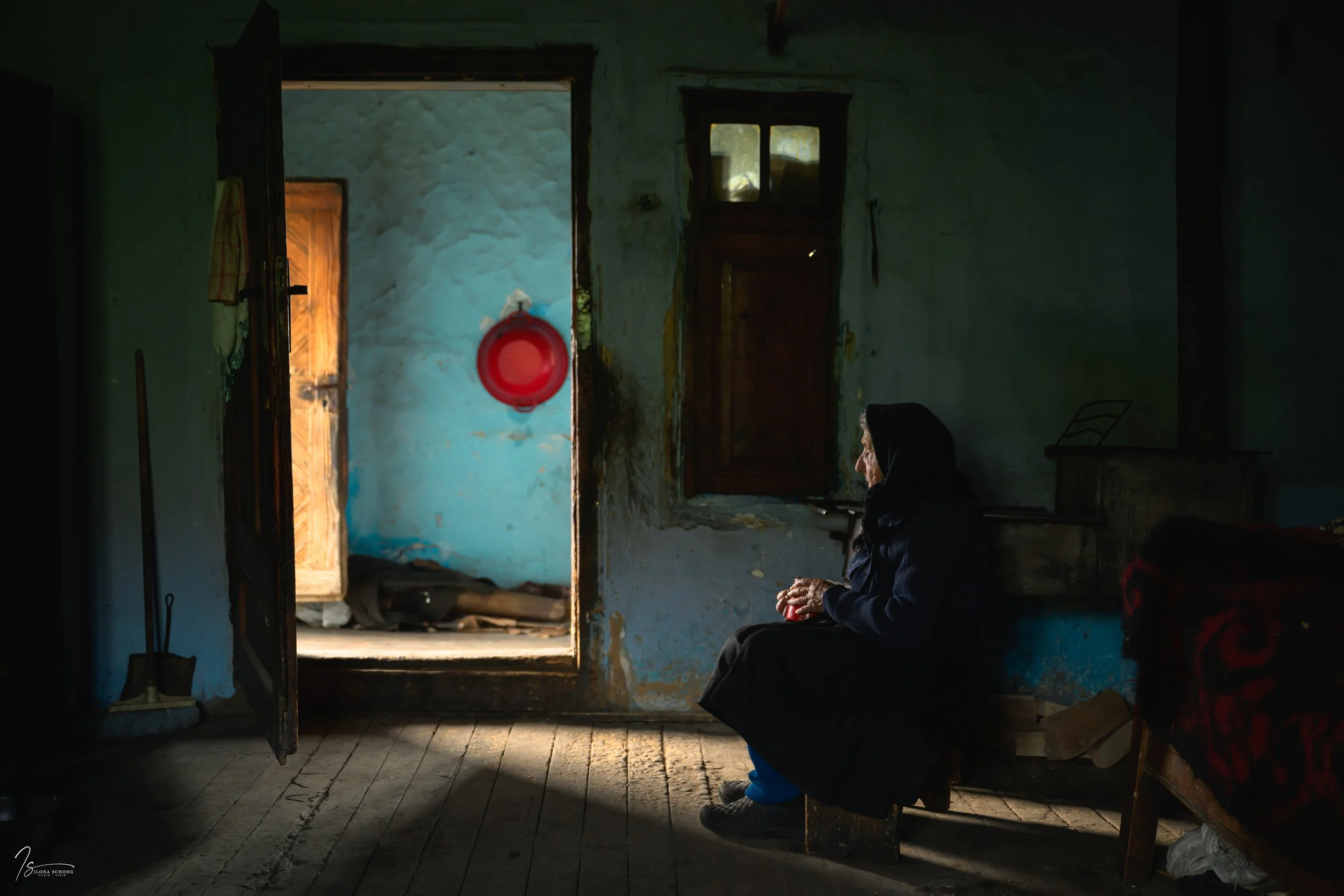
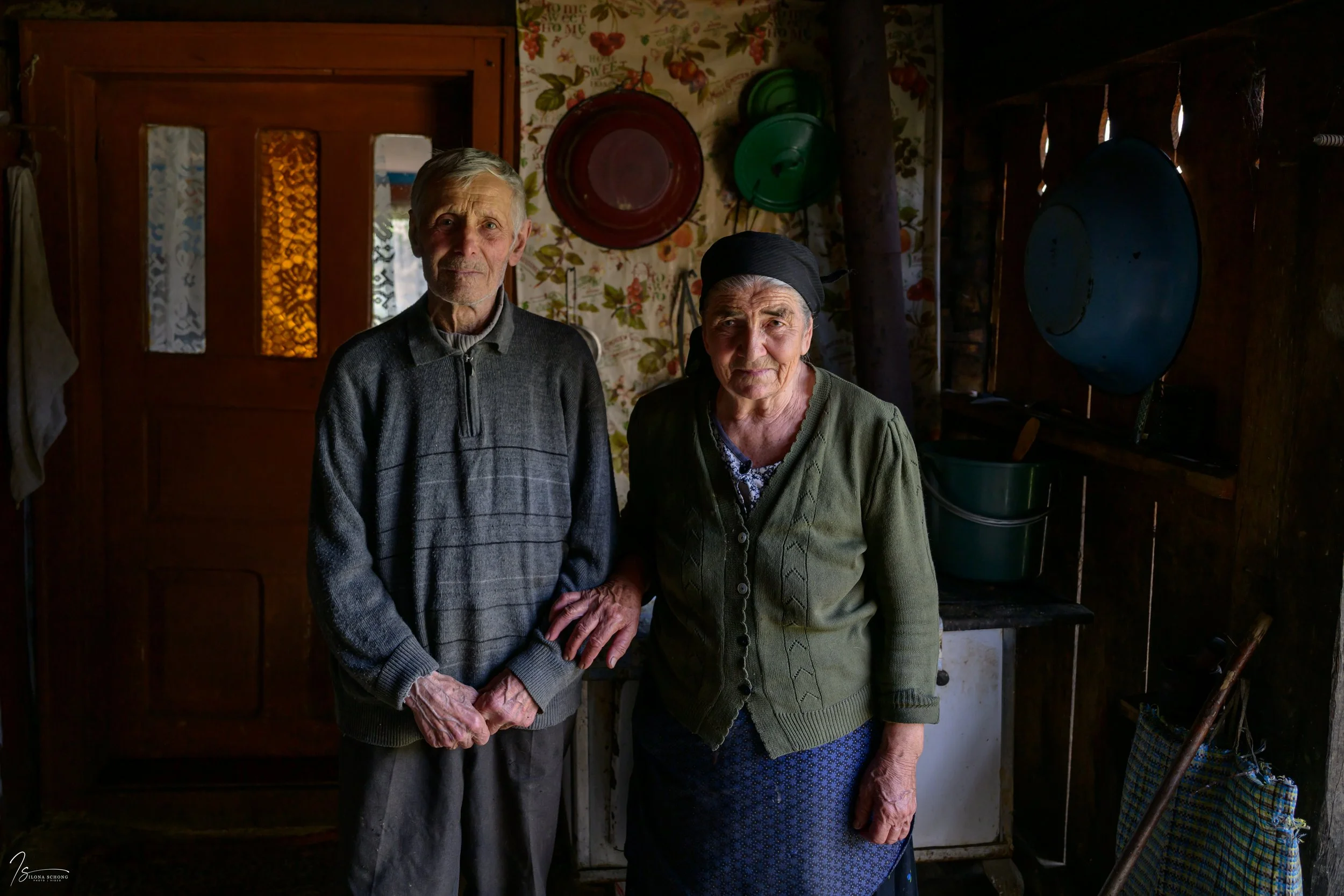
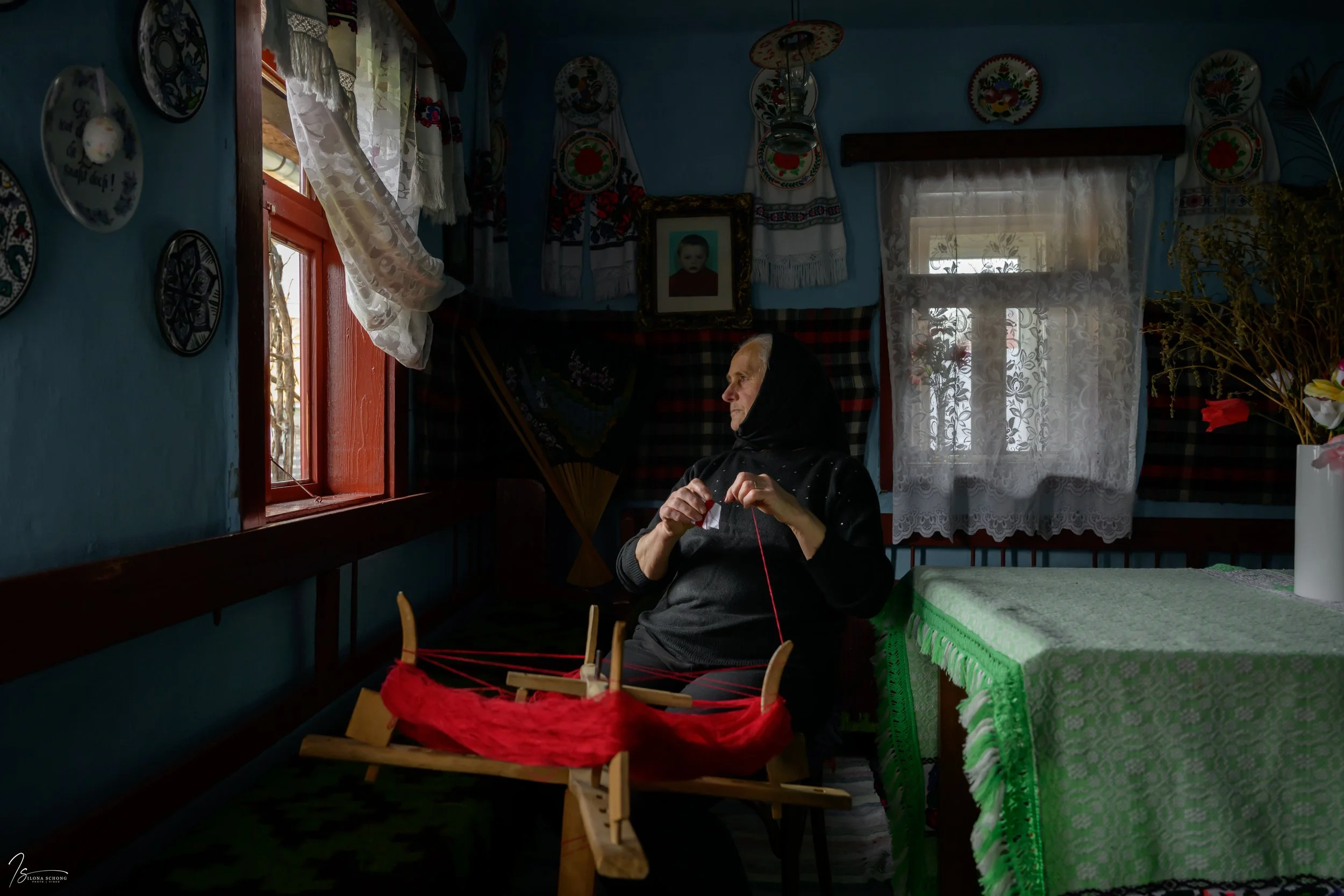
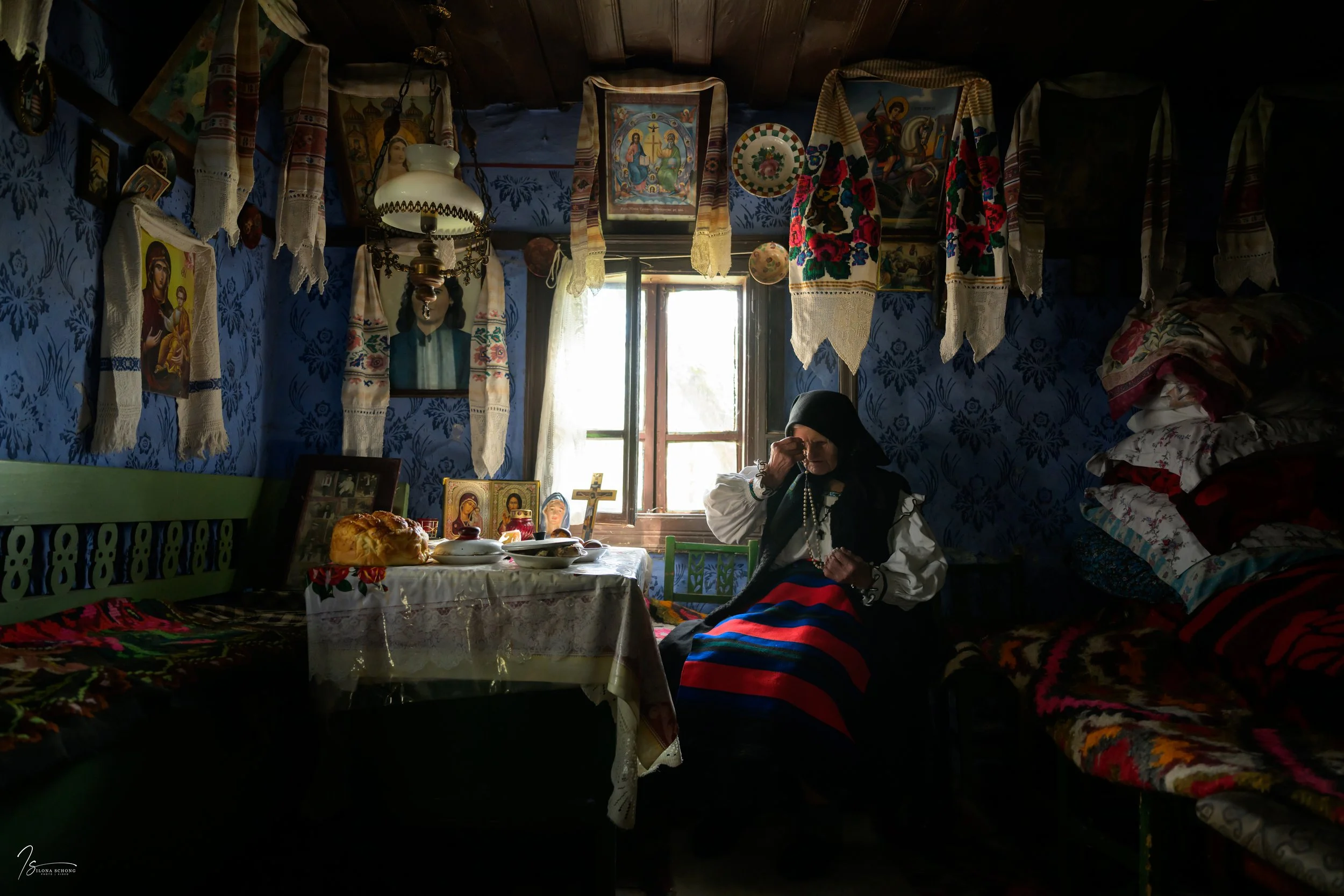
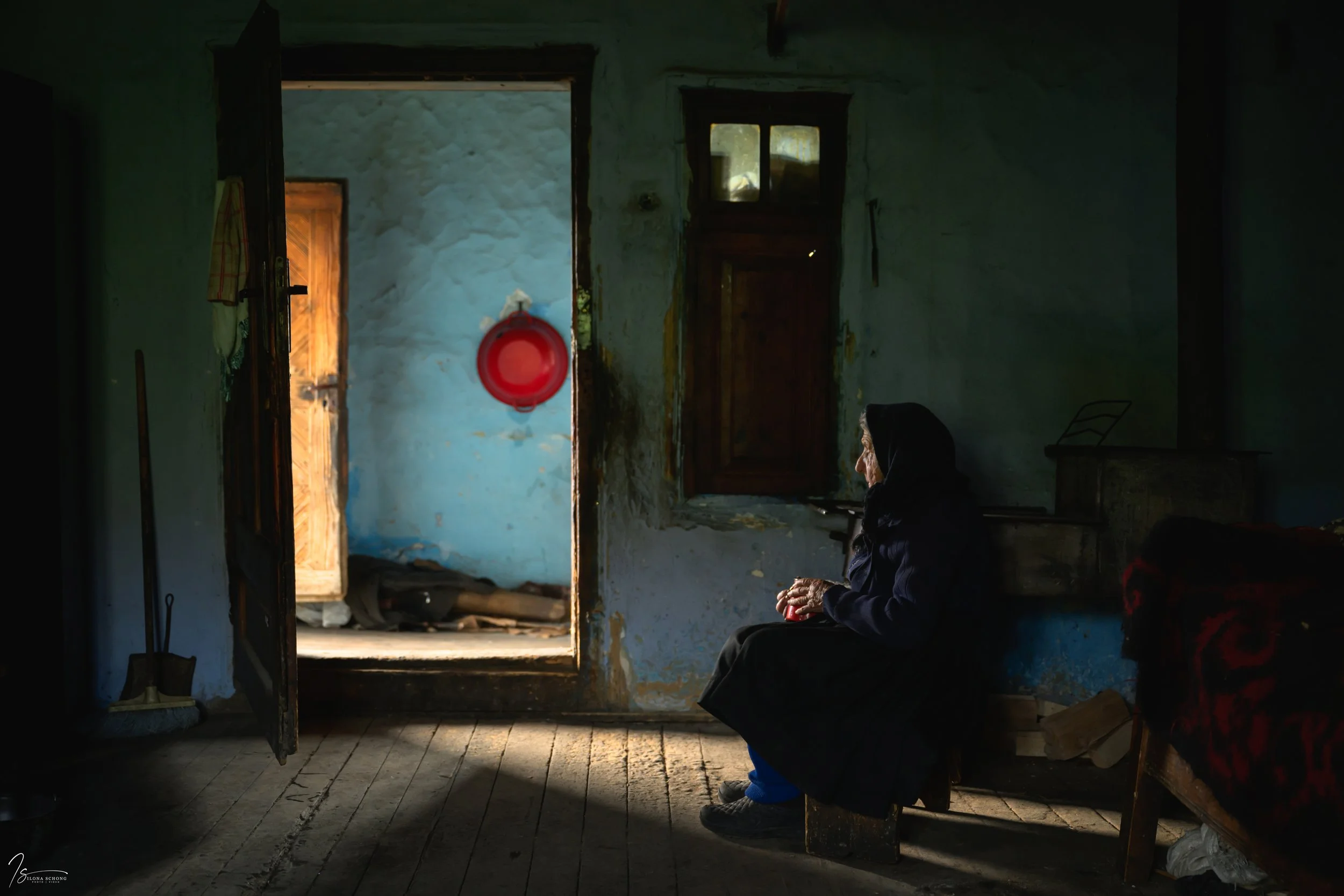
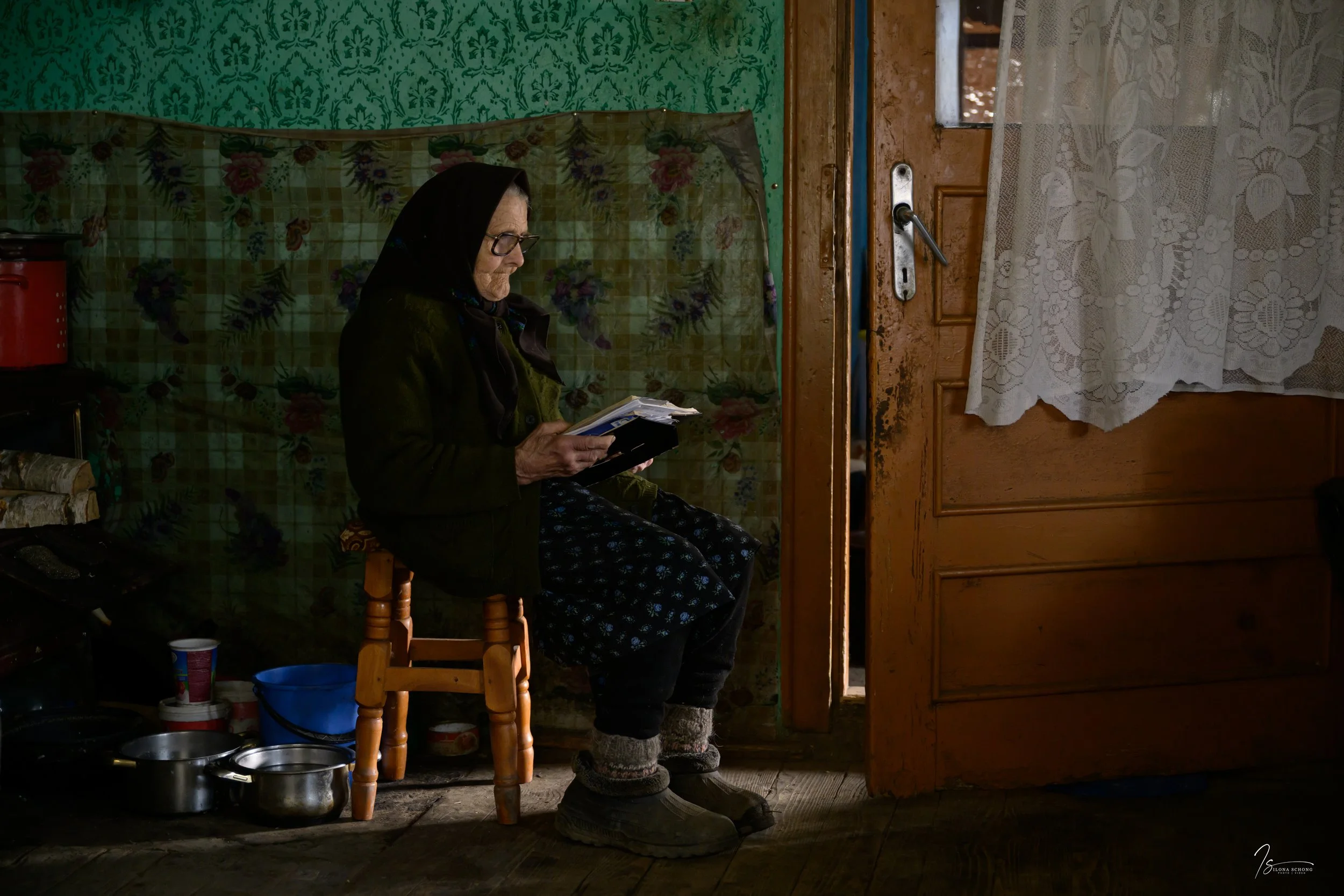
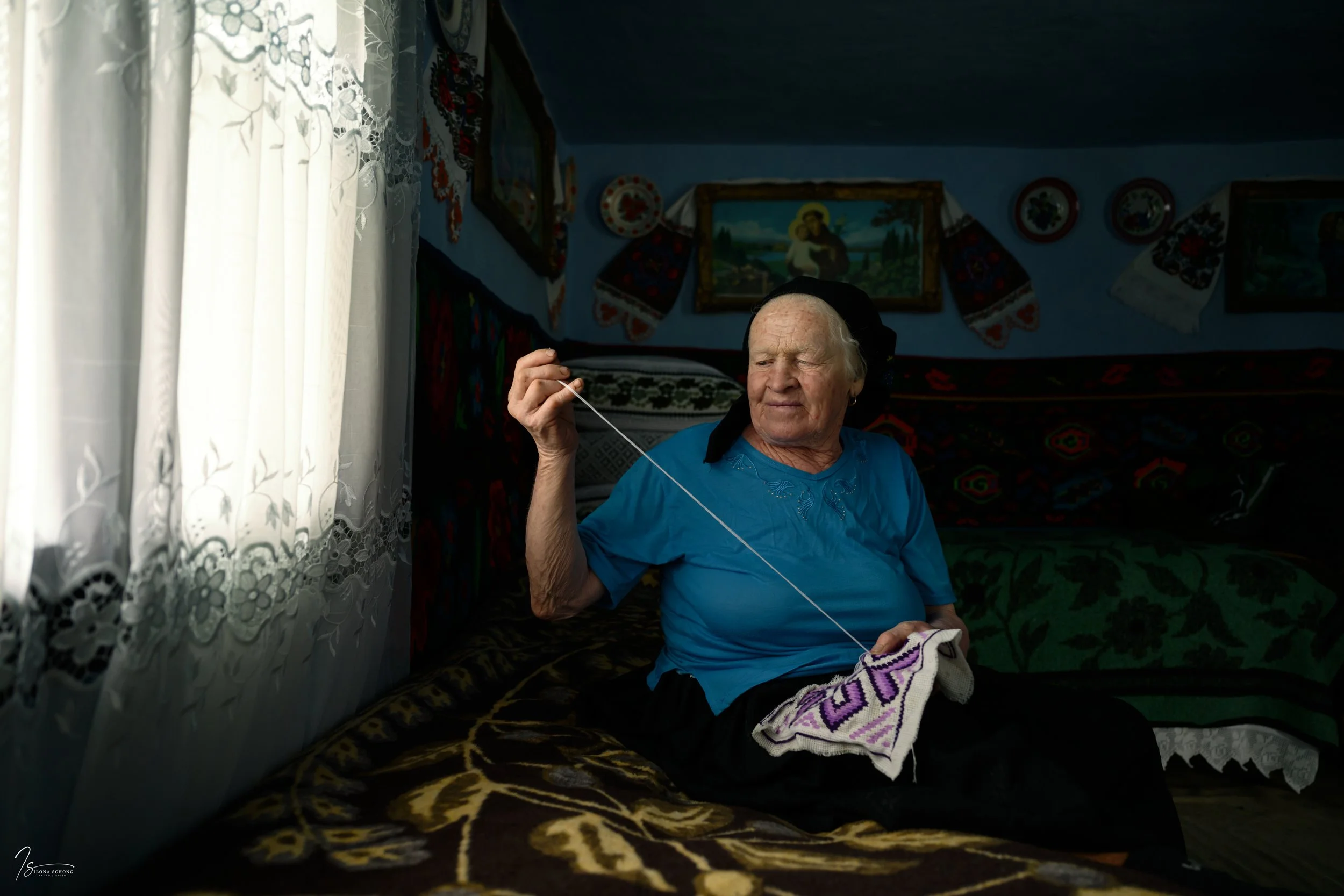
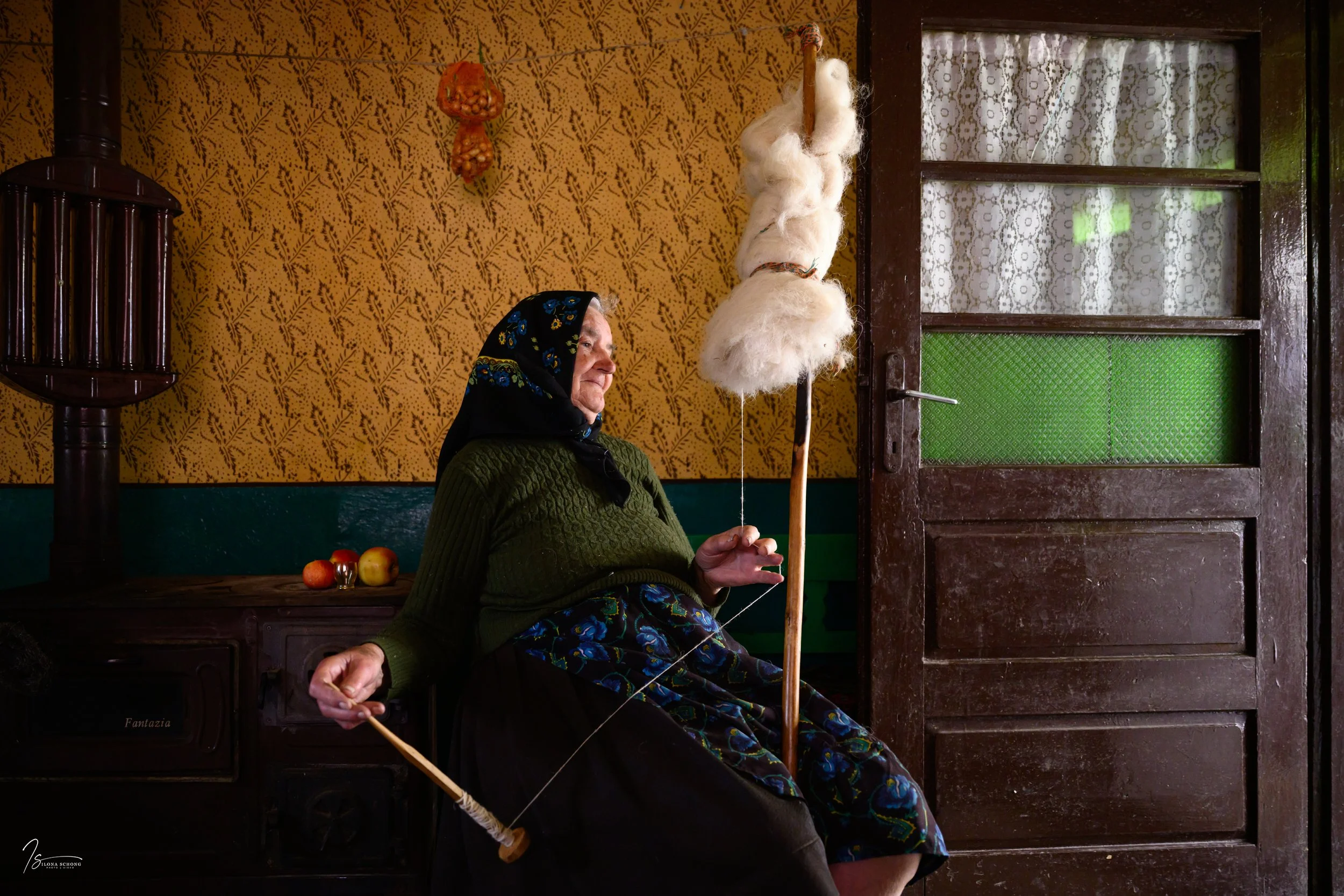
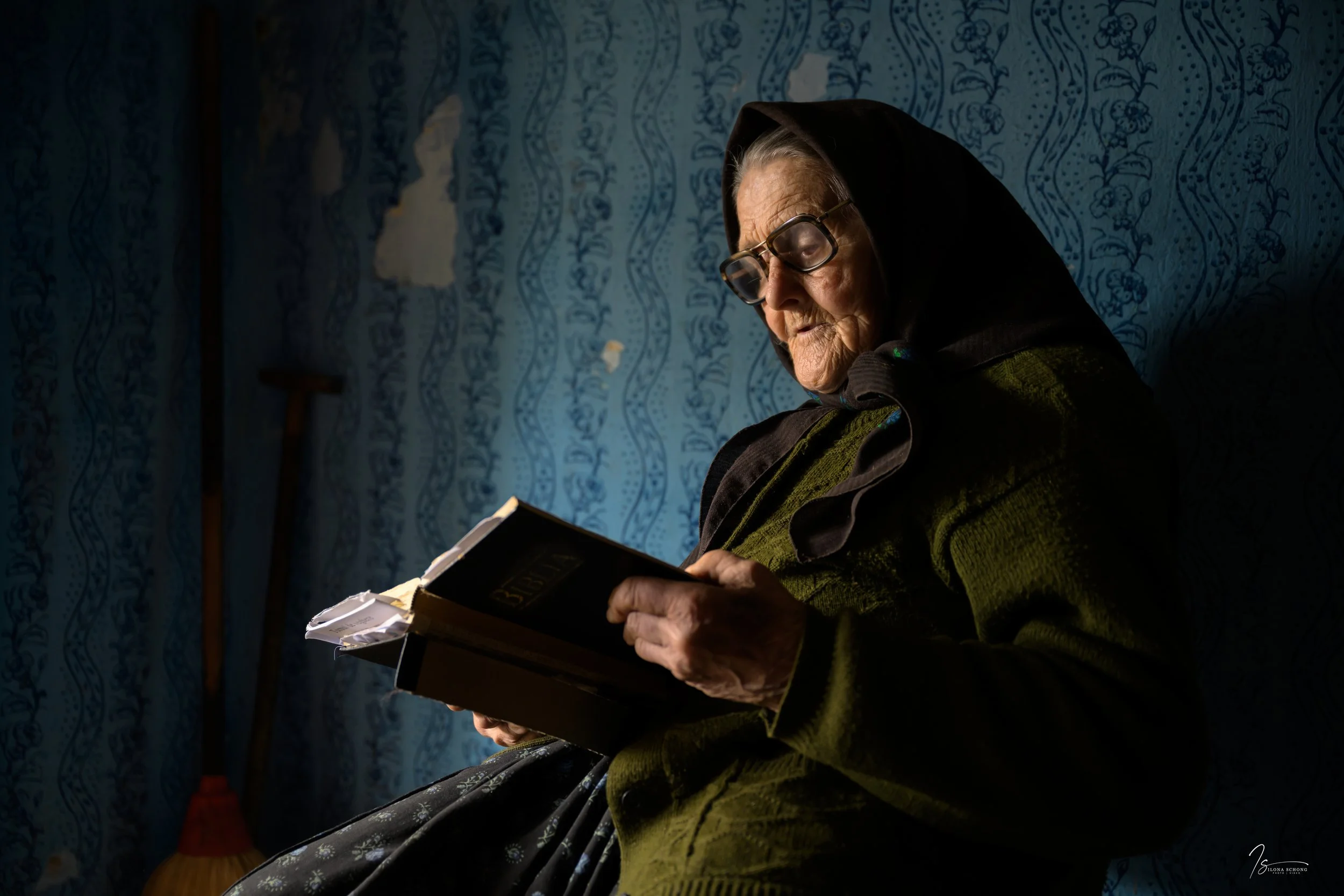
ABOUT THE PROJECT. This project showcases images of a Romania that few outsiders ever get to see. It documents a way of life that many would describe as a “simple life” in the mountainous Romanian countryside, where self-sufficiency and small-scale farming are central. Traditional Romanian homes offer few modern luxuries, and the Romanian Orthodox faith plays an important role in daily life.
While a significant portion of the younger generation is building a new life outside Romania, the heavy workload in rural areas falls on the shoulders of an increasingly aging generation. Their way of life is slowly but surely being erased.
THE PEOPLE I VISITED: Romania’s Disappearing Rural Life
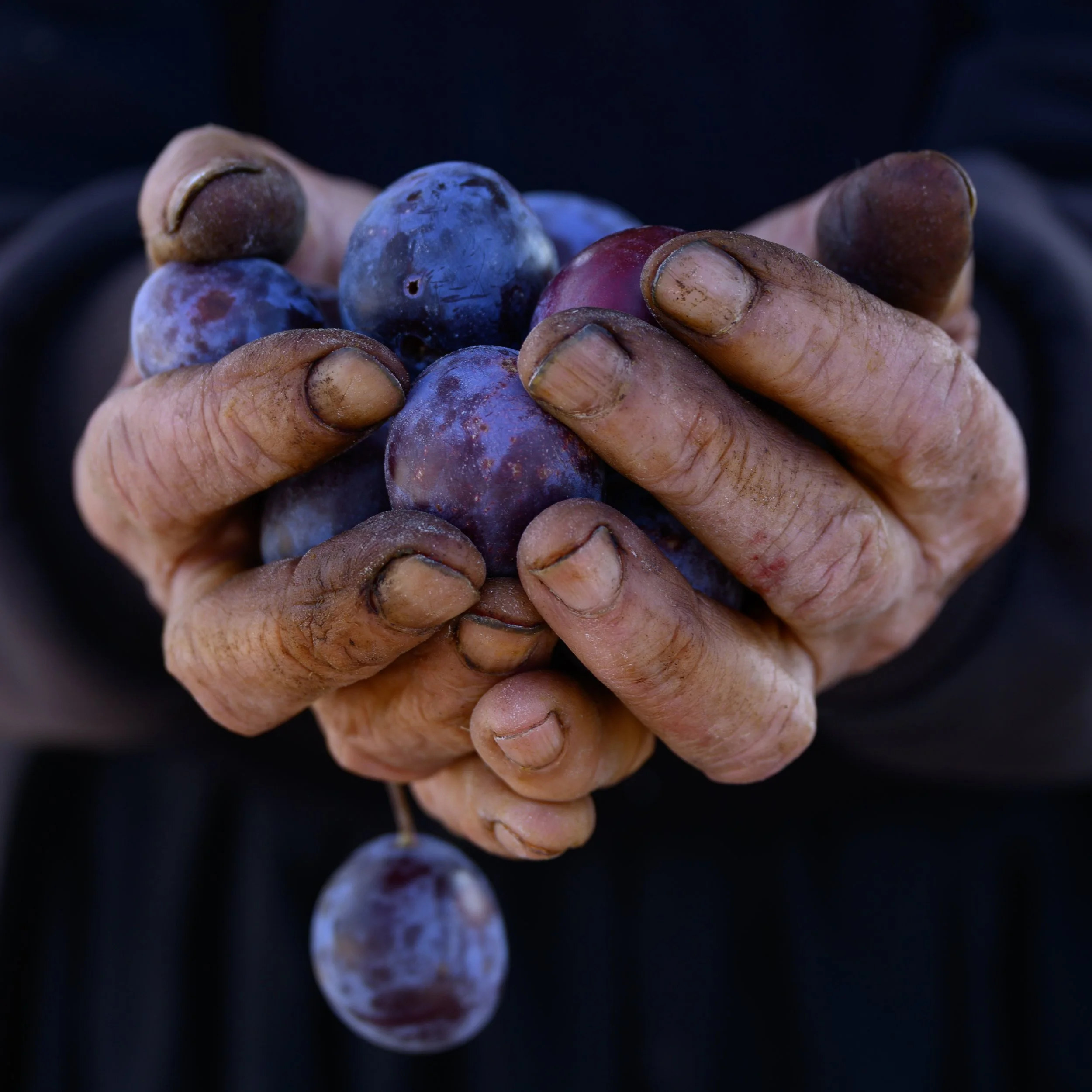
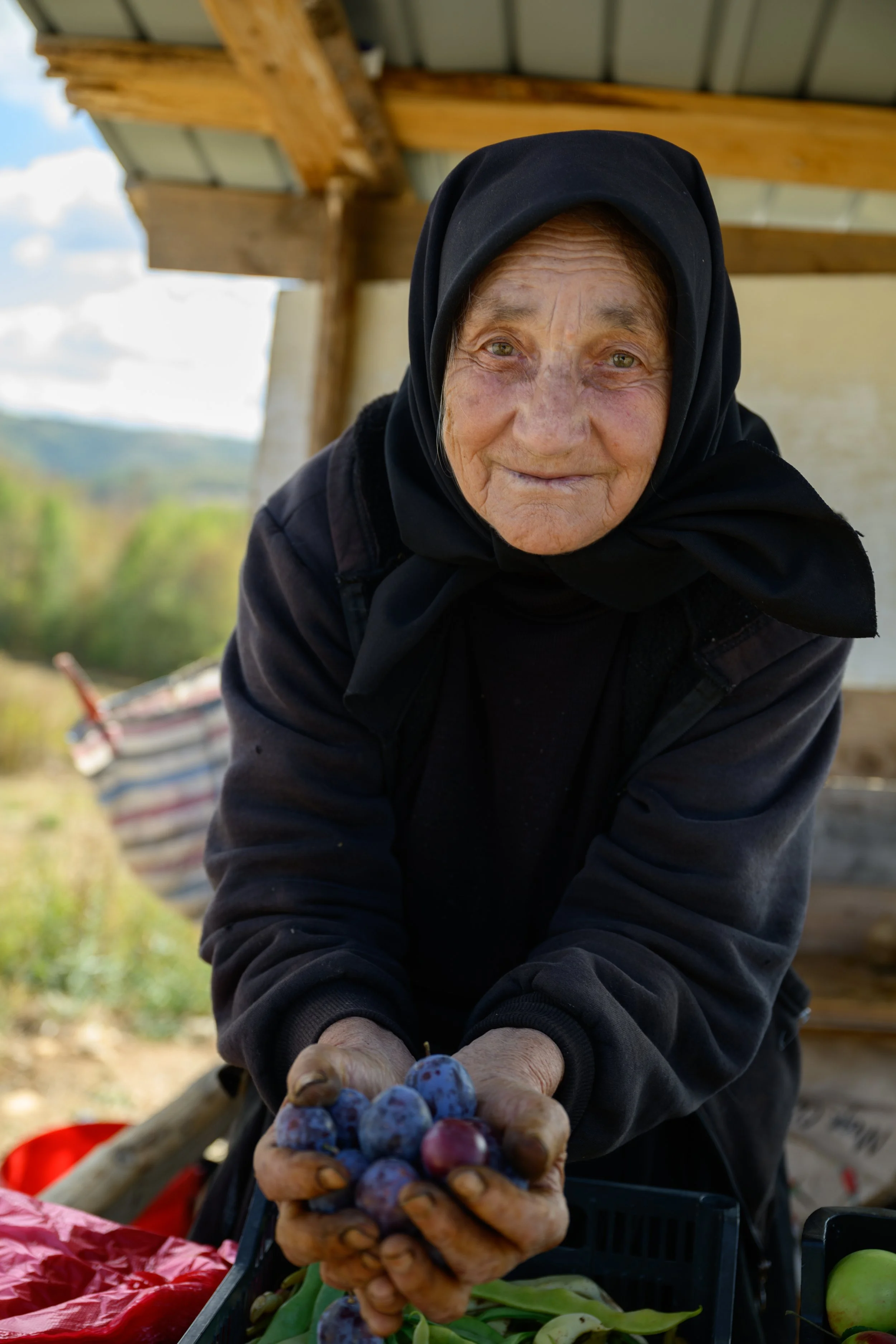
Florica and her sister, both in mourning, sell fruits and vegetables from their garden by the roadside.

Q & A
The project description highlights a strong social and cultural urgency. Can you describe that urgency?
Romania’s traditional rural way of life is primarily sustained by the older generation. The younger generations are leaving for other countries or the city, leaving the heavy, traditional farm work to be shouldered by the elderly. Ultimately, this is a temporary situation. After the last residents pass away, the cottages will lie abandoned and fall into disrepair, as silent witnesses to a bygone era. Now is the time to document this.
The photos in this project are often very intimate; they make you feel like a silent observer. How did these photos come about?
The photos were often the result of chance encounters during the many days I spent wandering through the Romanian countryside in Maramureș , through the Apuseni Mountains, or the mountains surrounding Brașov . Since the older generation speaks mainly Romanian—a language I don’t speak—I teamed up with a Romanian photographer, who also served as an interpreter. His knowledge and expertise were indispensable, and I am incredibly grateful to him, because without him I would never have been able to complete this project. I think my genuine interest in this traditional way of life also played a role. In addition, there were just the two of us traveling, and I had only one camera and one lens with me. This made the photography process feel very natural.
Was it easy for you to get into their yards and homes?
Yes, because hospitality is still a core value in Romania. Compared to the Netherlands, where I’m from, people there open their doors with surprising ease—especially when you consider that during the communist era, you couldn’t even trust your neighbors. Romanians are also wonderful storytellers, by the way, and they love to share stories from the past with you. Those conversations were a major part of the visit. I enjoyed them immensely and learned a great deal from them.
You also photographed people living in extreme poverty in Romania. Where do you draw the line when it comes to ethics?
That’s a very important question. Virtually all the people I photographed could be considered poor from a Western perspective. However, that doesn’t mean they can’t support themselves. On the contrary, a life that is much more connected to nature can actually be much richer. I often sensed a great deal of pride in these people when they spoke about their homes, their farmland, or their animals.
On a few occasions, I’ve visited people whose poverty was truly heartbreaking. Those visits left a deep impression on me. We were absolutely determined to avoid exploiting their poverty. So I left the camera in my bag. With those I did photograph, respect was always my top priority. It was precisely these people I tried to capture in the most flattering light possible, so that the resulting portraits would be truly beautiful and full of love.
In your project description, you mention a “simple life.” Is it actually okay to call it that?
Personally, I might even see the term “simple” as a sign of Western bias. It also doesn’t do justice to the wisdom of many of the people portrayed. To me, it’s much more a life that has been stripped down to its essence—an essence that many have lost sight of. By “essence,” I mean what really matters in life when it comes down to it, and that isn’t status or possessions. In our competitive society, focused on consumption and economic growth, this essence has been pushed far into the background. For most people, “simple” living is no longer enough, and being content with what you have seems almost impossible.
Has this project also influenced how you want to live your own life?
Absolutely. I’ve thought long and hard about why these trips to Romania move me so deeply every time, and I think the answer is that it’s precisely this return to the essentials that has such a cathartic effect on me. Every time I come back from Romania, I resolve to focus on the things that are truly important to me. When I feel like I’m losing sight of that feeling amid the hustle and bustle of everyday life, I often think back to this project.
As a final question, what can you say about the technical aspects of the photos, and how do you achieve that almost painterly atmosphere?
I shoot handheld in M mode, using natural light. I try to keep the ISO at a maximum of 1200. Because of the low-light conditions, I often have to open the aperture wide (3.2–3.5), while I play around with the shutter speed and sometimes push the limits. I underexpose because I really love chiaroscuro—the interplay between light and dark—which can be found in 17th-century Dutch painting. To achieve this, it’s important to understand how light falls. If you master this well, you’ll get photos that are strongly reminiscent of Rembrandt, Gerrit Dou, and Nicolaes Maes. So there’s still a Dutch touch to my Romanian project after all!